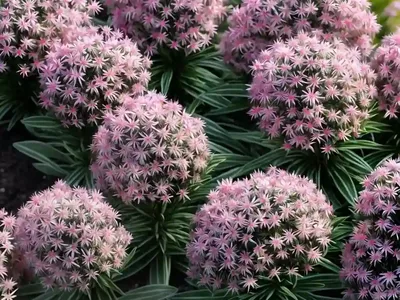
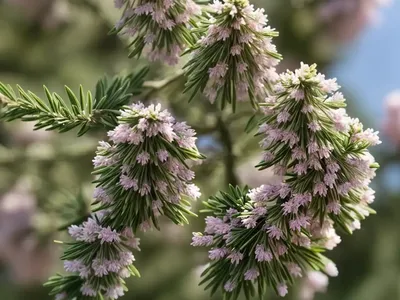
Azalea Ericaceae (Azalea)
Azalea ericaceae, commonly known as Azalea, is a beautiful, ornamental shrub belonging to the genus Rhododendron. The Azalea plant is prized for its.
Introduction
Azalea ericaceae, commonly known as Azalea, is a beautiful, ornamental shrub belonging to the genus Rhododendron. The Azalea plant is prized for its stunning blooms, and it is a popular choice for landscapes, gardens, and containers. In this comprehensive guide, we will delve into the various aspects of Azalea ericaceae plant care, including its culture, uses, water and sunlight requirements, fertilization, soil preferences, propagation, pruning tips, common diseases and pests, as well as some fascinating facts about this enchanting plant.
What is Azalea ericaceae (Azalea)?
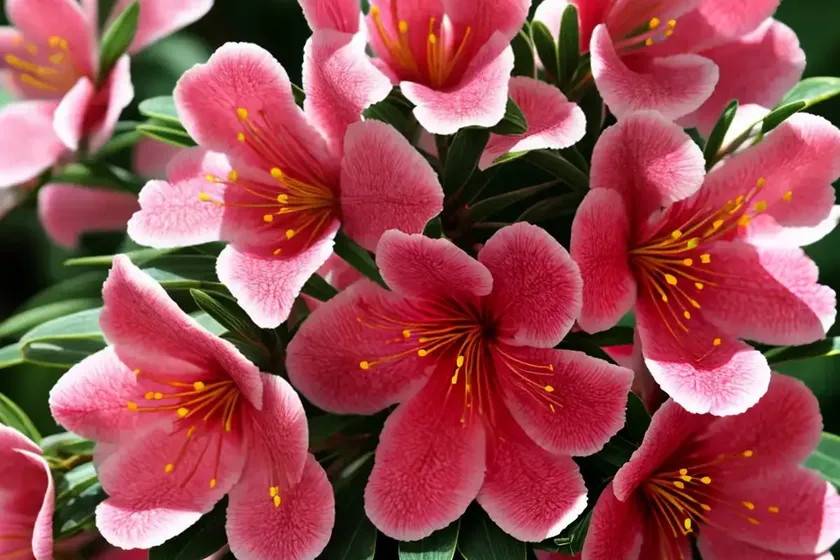
Azalea ericaceae, a member of the Ericaceae family, is a broadleaf evergreen plant that is celebrated for its vibrant and showy flowers. The plant is native to several continents, including Asia, Europe, and North America, and it comes in a variety of species and cultivars with different colors, bloom times, and growth habits.
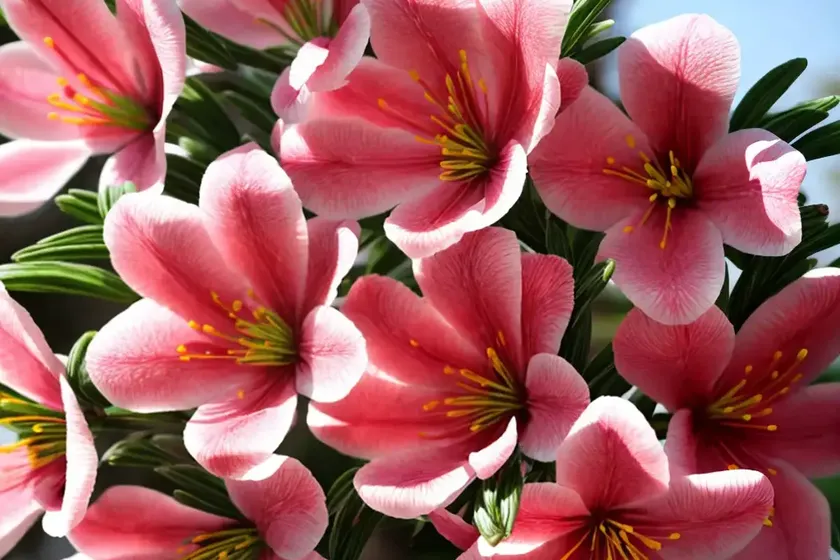
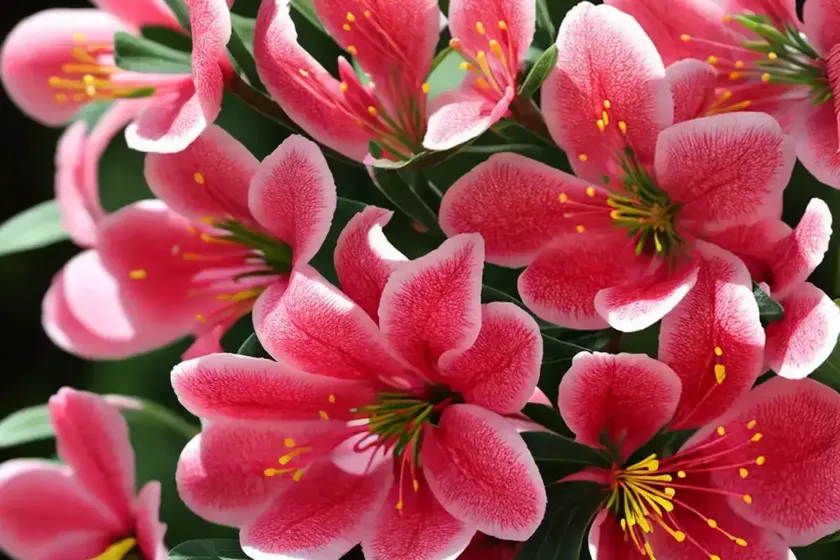
Azaleas are renowned for their ability to transform any garden or landscape with their spectacular displays of blossoms, boasting hues of pink, red, orange, purple, white, and bi-colors. The plant’s lush foliage also adds an attractive touch to outdoor spaces, making it a favorite among gardeners and landscapers alike.
Key Takeaways – Azalea ericaceae (Azalea)
Culture
-
Water: Azaleas require consistently moist soil. They should not be allowed to dry out completely, as this can lead to stress and decreased blooming.
-
Sunlight: Partial shade to filtered sunlight is ideal for Azaleas. Protection from harsh midday sun is essential to prevent leaf scorch and heat stress.
-
Fertilizer: Azaleas benefit from regular fertilization during the growing season, using formulas specifically designed for acid-loving plants.
-
Soil: Well-draining, acidic soil with a pH level between 4.5 and 6.0 is preferred by Azaleas. Amending soil with organic matter can improve its texture and acidity.
-
Pruning: Pruning is crucial for shaping the plant, removing dead or diseased branches, and promoting air circulation within the canopy.
Uses
- Azaleas are commonly used in landscapes, gardens, and containers to add color and visual interest.
Water
- Moderate and consistent watering is essential, and the soil should never dry out completely.
Sunlight
- Partial shade to filtered sunlight is preferred, with protection from intense midday sun.
Fertilizer
- Regular feeding with a balanced, acid-formulated fertilizer is recommended during the growing season.
Soil
- Well-draining, acidic soil with organic amendments for improved texture and acidity is ideal.
Pruning
- Regular pruning to shape the plant, remove dead or diseased branches, and promote air circulation.
Propagation
- Azaleas can be propagated through various methods, including cuttings, layering, and seed sowing.
Container Popularity
- Azaleas are a popular choice for container gardening, both indoors and outdoors.
Common Diseases
- Azalea-specific diseases such as petal blight, powdery mildew, and rust can occur if proper care is not maintained.
Disease Diagnosis
- Timely diagnosis of diseases is essential to implement effective control measures and prevent the spread of pathogens.
Common Pests
- Azaleas are susceptible to pests such as lace bugs, spider mites, and aphids, which can be managed through appropriate measures.
Azalea ericaceae Plant Care
Watering Requirements
Proper watering is fundamental to the health and vitality of Azaleas. These plants thrive in consistently moist soil and should not be allowed to dry out completely between watering sessions. On the other hand, waterlogged conditions should be avoided to prevent root rot and other water-related issues. To ensure adequate moisture retention, a layer of mulch can be applied around the base of the plant, helping to conserve soil moisture and maintain a cool root zone.
Sunlight Needs
Azaleas prefer partial shade to filtered sunlight. While they require a sufficient amount of light for healthy growth and blooming, exposure to intense, direct sunlight, especially during the hot midday hours, can lead to leaf scorch and heat stress. Therefore, providing some shade or locating the plants in areas with diffused light can help maintain their vigor and prevent sun-related damage.
Fertilizer Recommendations
Fertilizing Azaleas is essential for promoting lush foliage and prolific flowering. Acid-formulated fertilizers, specifically designed for acid-loving plants, are best suited for Azalea nutrition. These fertilizers help maintain the soil’s acidity while providing essential nutrients for robust growth and vibrant blooms. Application timings and rates should be in accordance with the specific instructions provided by the manufacturer, considering the plant’s growth stage and environmental conditions.
Soil Preferences
Azaleas thrive in well-draining, acidic soil, with a pH level between 4.5 and 6.0. The acidic nature of the soil is crucial for the plant’s ability to uptake nutrients and maintain optimal growth. To enhance the soil’s suitability for Azaleas, organic matter such as peat moss, compost, or pine bark can be incorporated to improve its texture and acidity. Regular soil testing is also beneficial to monitor and adjust the pH levels as needed to ensure a conducive growing environment for the plants.
Pruning Techniques
Pruning plays a significant role in maintaining the health, form, and flowering potential of Azaleas. Regular pruning helps remove dead, damaged, or overgrown branches, thereby promoting new growth, improving air circulation within the canopy, and shaping the plant according to desired aesthetics. Pruning should be carried out after the blooming period to avoid interfering with the next season’s flower bud formation. Proper pruning techniques, including the use of sterilized tools, are crucial to minimize stress and damage to the plants.
Azalea ericaceae Varieties
Azalea ericaceae boasts a diverse array of varieties, each offering unique characteristics in terms of bloom color, size, growth habit, and cold hardiness. Some of the popular Azalea varieties include:
1. Rhododendron ‘Girard’s Crimson’
- Bloom Color: Deep red
- Growth Habit: Compact, mounding
- Cold Hardiness: Suitable for USDA Hardiness Zones 6-9
2. Rhododendron ‘Delaware Valley White’
- Bloom Color: Pure white
- Growth Habit: Upright, arching
- Cold Hardiness: Suitable for USDA Hardiness Zones 5-8
3. Rhododendron ‘Gibraltar’
- Bloom Color: Orange with red and yellow highlights
- Growth Habit: Dense, spreading
- Cold Hardiness: Suitable for USDA Hardiness Zones 6-9
4. Rhododendron ‘Karen’
- Bloom Color: Pink with white edges
- Growth Habit: Compact, rounded
- Cold Hardiness: Suitable for USDA Hardiness Zones 5-8
5. Rhododendron ‘Stewartstonian’
- Bloom Color: Brilliant red
- Growth Habit: Low and spreading
- Cold Hardiness: Suitable for USDA Hardiness Zones 6-9
These varieties represent just a fraction of the numerous Azalea ericaceae cultivars available, each offering its own visual appeal and growth characteristics. Gardeners and landscapers can select varieties that best suit their climate, landscape design, and color preferences to create stunning displays of Azaleas in their outdoor spaces.
Azalea ericaceae Propagation
Azaleas can be propagated through various methods, including:
1. Cuttings
- Taking stem cuttings from a healthy, established plant and rooting them to create new plants.
- Selecting semi-hardwood or hardwood cuttings during the appropriate season for best results.
2. Layering
- Encouraging the development of roots on a stem while it is still attached to the parent plant, then detaching it once roots have formed.
3. Seed Sowing
- Collecting and germinating seeds to produce new Azalea plants, which may exhibit genetic variability compared to vegetatively propagated plants.
Each propagation method offers its own set of advantages and challenges, and the choice of technique may depend on factors such as the availability of plant material, time of the year, and desired quantity of new plants. With proper care and attention, successful propagation can yield a bountiful supply of Azaleas for expanding garden beds, creating hedgerows, or initiating new container plantings.
Azalea ericaceae Pests and Diseases
Azaleas are susceptible to a range of pests and diseases that can compromise their health and visual appeal. Understanding the common issues that affect Azaleas and implementing effective control measures are crucial for maintaining the plants in optimal condition. Some of the common pests and diseases that pose challenges to Azaleas include:
Common Diseases
-
Petal Blight (Ovulinia azaleae) – A fungal disease that causes brown spots on flowers and leads to the flowers’ rapid deterioration.
-
Powdery Mildew (Oidium spp.) – A fungal infection that appears as a powdery white coating on leaves, stems, and flowers.
-
Rust (Pucciniastrum vaccinii) – A fungal disease that manifests as yellow to orange powdery pustules on the undersides of leaves.
Disease Diagnosis
Prompt identification of diseases through visual symptoms, such as leaf discoloration, spotting, or powdery coatings, is essential for timely intervention. Cultural practices, such as proper spacing, adequate airflow, and appropriate watering techniques, can help reduce the risk of disease development. Additionally, targeted fungicidal treatments may be necessary for managing severe infections, with careful attention to application timing and coverage.
Common Pests
-
Lace Bugs (Stephanitis spp.) – Small insects that feed on the undersides of leaves, causing stippling and discoloration.
-
Spider Mites (Tetranychus spp.) – Tiny arachnids that weave fine webs and suck cell contents from leaves, leading to yellowing and decline.
-
Aphids (Aphidoidea family) – Small insects that cluster on new growth, feeding on plant sap and excreting honeydew, which can lead to sooty mold and stunted growth.
Pest Management
Periodic inspection of Azaleas for early pest detection, along with the implementation of beneficial insect releases, botanical insecticides, or horticultural oils, can help manage pest populations effectively. Additionally, maintaining good garden hygiene and minimizing stress factors through proper cultural care can contribute to the overall resilience of Azaleas against pest infestations.
Botanist’s Tips for Growing Azalea ericaceae
1. Soil pH Monitoring
- Regular soil pH testing and adjustments are essential for ensuring the acidic soil conditions required by Azaleas. Amendments with sulfur or acidic fertilizers can help maintain the ideal pH range.
2. Mulching Benefits
- Applying a layer of organic mulch around Azaleas helps conserve soil moisture, suppress weed growth, and moderate soil temperature, contributing to overall plant health.
3. Pruning Considerations
- Pruning should be conducted after the flowering period to avoid disrupting the formation of next season’s flower buds. Sterilizing pruning tools between cuts can prevent the spread of diseases.
Fun Facts about Azalea ericaceae
-
Symbolism: Azaleas are often associated with femininity and are considered symbolic of temperance, passion, and fragility.
-
Medicinal Uses: Traditionally, certain parts of Azalea plants have been used in traditional medicine for their purported anti-inflammatory and astringent properties.
-
Fragrance: While many Azaleas are prized for their visual appeal, some varieties also offer delightful fragrances, adding an olfactory dimension to their overall appeal.
-
Color Variations: Azaleas come in an extensive range of colors, from soft pastels to bold and vibrant hues, providing abundant options for diverse color-themed garden designs.
Conclusion
Azalea ericaceae, with its enchanting blooms and lush foliage, holds a cherished place in the realm of ornamental plants. By understanding and implementing proper care practices, such as watering, fertilization, soil maintenance, and pest management, gardeners and enthusiasts can witness the full splendor of Azaleas in their landscapes and gardens. Whether grown in containers or landscaped in outdoor settings, the diverse range of Azalea varieties offers endless creative possibilities for elevating the visual charm of any space.
In conclusion, Azaleas, with their captivating beauty and cultural significance, remain a timeless favorite among plant aficionados, characterized by their enduring appeal and versatility. As guardians of Azalea ericaceae, it is our responsibility to honor its legacy and ensure its flourishing presence in our natural and cultivated spaces, thus perpetuating the enduring enchantment of these remarkable plants.
References
- American Azalea Society. (n.d.). About Azaleas. https://www.americanazaleasociety.org/about-azaleas
- Clemson Cooperative Extension. (2021). Azaleas. https://hgic.clemson.edu/factsheet/azalea/
- The Rhododendron Species Foundation & Botanical Garden. (n.d.). Azalea. https://rhodygarden.org/plant-spotlight/azalea/
- Smith, H. (2018). The Plant Lover’s Guide to Azaleas. Timber Press. ISBN-13: 978-1604695207