Astilbe Chinensis ‘Visions’ (Chinese Astilbe)
Astilbe chinensis ‘Visions’ is a delightful perennial plant that belongs to the Saxifragaceae family. It is commonly known as Chinese Astilbe and is.
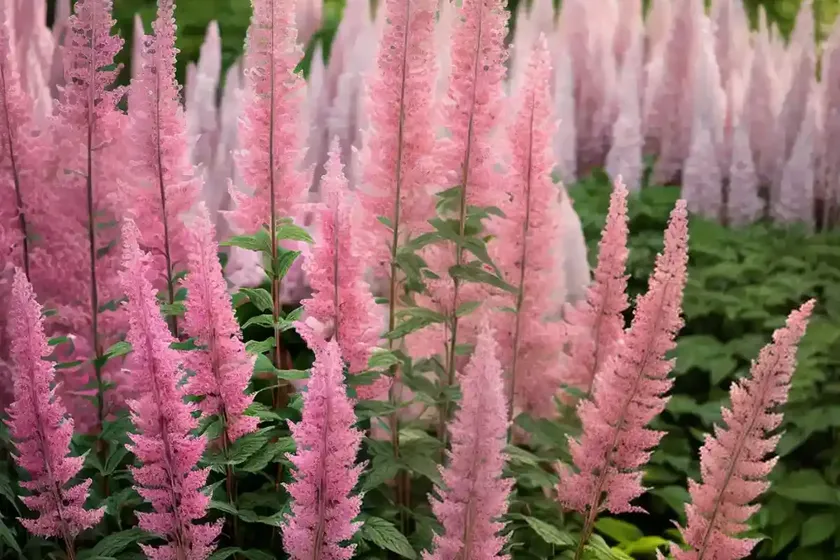
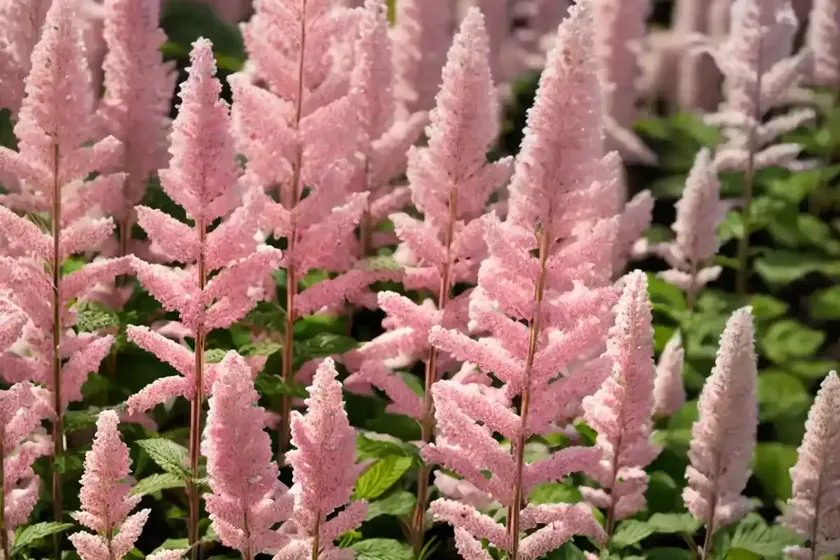
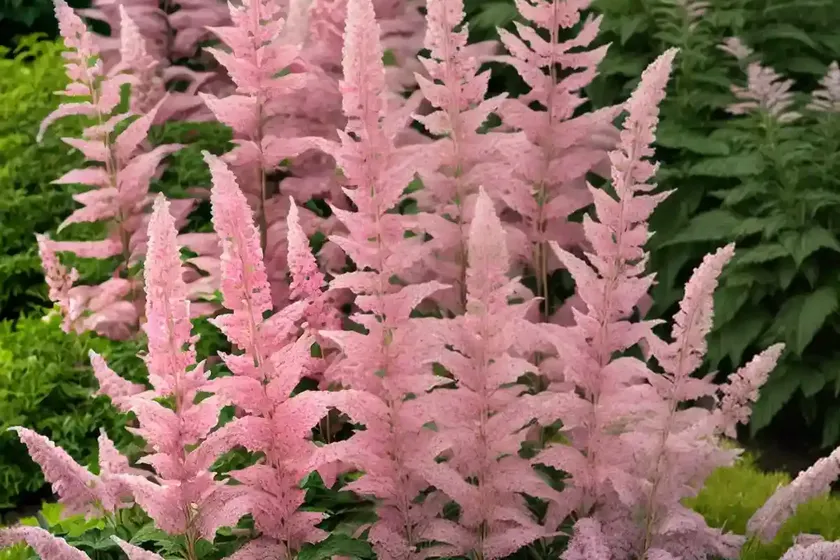
Astilbe chinensis ‘Visions’ is a delightful perennial plant that belongs to the Saxifragaceae family. It is commonly known as Chinese Astilbe and is cherished by gardeners for its elegant, plume-like flowers and attractive foliage. In this comprehensive guide, we will delve into the culture, uses, care, and maintenance of Astilbe chinensis ‘Visions’ to help you cultivate and enjoy this beautiful plant in your garden.
What is Astilbe chinensis ‘Visions’ (Chinese Astilbe)?
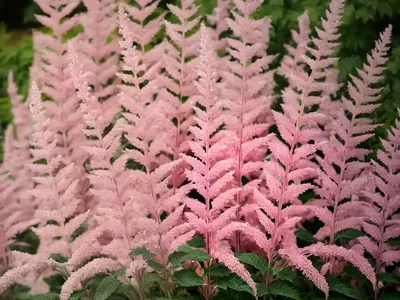
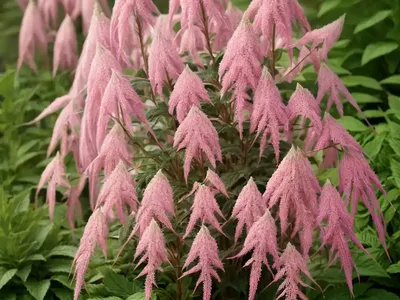
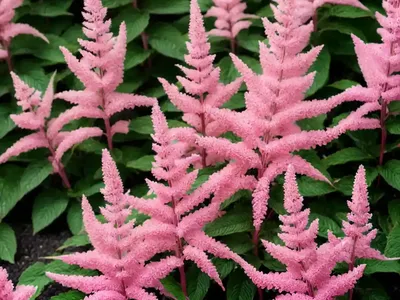
Astilbe chinensis ‘Visions’ is a herbaceous perennial plant native to China and Korea. It is renowned for its stunning, feathery flower clusters that emerge in midsummer, adding a splash of color to shady areas of the garden. The plant thrives in moist, well-drained soil and is prized for its ability to tolerate both full shade and partial shade, making it a versatile addition to woodland gardens, borders, and shaded landscapes.
Key Takeaways – Astilbe chinensis ‘Visions’ (Chinese Astilbe)
Before we dive into the specifics of cultivating and caring for Astilbe chinensis ‘Visions’, let’s take a look at the key takeaways for this delightful plant:
- The plant is known for its elegant, plume-like flowers and attractive foliage.
- It is a herbaceous perennial native to China and Korea.
- Astilbe chinensis ‘Visions’ thrives in moist, well-drained soil and prefers full to partial shade.
- The plant is valued for its ability to add color and texture to shady areas of the garden.
Now that we have a brief introduction to Astilbe chinensis ‘Visions’, let’s explore the culture, uses, and maintenance requirements of this enchanting plant.
Culture
The culture of Astilbe chinensis ‘Visions’ encompasses its preferred growing conditions, soil requirements, and ideal locations for cultivation.
Uses
Before delving into the specific growing conditions for Astilbe chinensis ‘Visions’, it’s essential to understand its various uses in garden landscapes. The plant offers several practical and aesthetic applications, including:
- Adding color and texture to shaded areas: The plume-like flowers and lush foliage of Astilbe chinensis ‘Visions’ can brighten up shaded corners of the garden, making it a popular choice for woodland gardens and shady borders.
- Enhancing borders and edging: The compact growth habit of ‘Visions’ makes it well-suited for border plantings and edging, where its delicate blooms can create a soft, enchanting effect.
- Container gardening: ‘Visions’ is suitable for container gardening, allowing gardeners to enjoy its beauty on patios, balconies, or any other areas with limited space for traditional planting.
- Attracting wildlife: The vivid flowers of Astilbe chinensis ‘Visions’ can attract pollinators such as bees and butterflies, adding an ecological benefit to the garden.
Now, let’s explore the specific cultural requirements for cultivating Astilbe chinensis ‘Visions’, including its preferences for water, sunlight, fertilizer, and soil.
Water
Proper watering is crucial for the health and vitality of Astilbe chinensis ‘Visions’. As a moisture-loving plant, it thrives in consistently moist soil and generally benefits from regular watering, especially during dry periods. When establishing ‘Visions’ in the garden, it’s essential to ensure that the soil remains consistently moist, but not waterlogged, to support healthy growth and flowering.
Sunlight
Astilbe chinensis ‘Visions’ prefers to grow in locations with partial to full shade. While it can tolerate some morning sun, particularly in cooler climates, it generally thrives in the dappled light and shade provided by trees or structures. Planting ‘Visions’ in areas with excessive sunlight can lead to leaf scorch and reduced flower production, so it’s important to provide it with the appropriate level of shade for optimal growth.
Fertilizer
When it comes to fertilizer requirements, Astilbe chinensis ‘Visions’ benefits from a balanced, slow-release fertilizer applied in early spring, before active growth begins. A fertilizer with a formulation such as 10-10-10 or 5-10-5 can provide the essential nutrients that ‘Visions’ needs for healthy foliage and prolific flowering. Additionally, applying a layer of compost or organic mulch around the plant in spring can contribute to soil enrichment and moisture retention.
Soil
The ideal soil for Astilbe chinensis ‘Visions’ is rich, well-drained, and consistently moist. It thrives in humus-rich, slightly acidic to neutral soil with a pH range of 5.5 to 6.5. Amending the soil with organic matter such as compost, leaf mold, or well-rotted manure can improve its texture and fertility, creating a favorable growing environment for ‘Visions’. Additionally, maintaining adequate moisture levels through regular watering and mulching is essential for supporting the plant’s robust growth and flowering.
Pruning
Pruning plays a vital role in maintaining the health, appearance, and flowering performance of Astilbe chinensis ‘Visions’. Proper pruning techniques can help manage the plant’s growth, remove spent blooms, and rejuvenate the foliage, ensuring that it remains an attractive and vigorous presence in the garden. Here are some essential tips for pruning ‘Visions’:
- Deadheading spent blooms: Removing faded flowers promptly can promote continuous blooming and prevent the plant from directing energy into seed production.
- Trimming back foliage: Trimming back the foliage of ‘Visions’ after flowering can tidy up the plant and improve its overall appearance. It can also help reduce the risk of disease by increasing air circulation around the foliage.
- Dividing overcrowded clumps: Over time, Astilbe chinensis ‘Visions’ may develop crowded clumps that can affect its vigor and flowering. Dividing the plant every 3 to 4 years in early spring can rejuvenate its growth and maintain its vitality.
Propagation
Propagation is a key aspect of expanding your collection of Astilbe chinensis ‘Visions’ and sharing its beauty with fellow gardening enthusiasts. The plant can be propagated through several methods, including division, seed sowing, and stem cuttings.
Division
Dividing mature clumps of Astilbe chinensis ‘Visions’ is a reliable way to propagate the plant and create new specimens. The ideal time for division is in early spring, just as new growth begins to emerge. Here’s a step-by-step guide for dividing ‘Visions’:
- Begin by digging up the entire clump of ‘Visions’, taking care to avoid damaging the roots.
- Use a sharp, clean garden knife or spade to divide the clump into smaller sections, making sure that each division has healthy roots and several growing points or buds.
- Replant the divisions in prepared soil, ensuring that the planting depth and spacing are appropriate for ‘Visions’.
- Water the newly divided plants thoroughly and provide adequate care to support their establishment and growth.
Seed Sowing
While Astilbe chinensis ‘Visions’ can be propagated from seeds, it’s important to note that seed-grown plants may exhibit some variation in flower color and other characteristics. If you choose to propagate ‘Visions’ from seeds, consider the following guidelines for successful seed sowing:
- Collect mature, dry seed heads from the plant in late summer or early fall.
- Sow the seeds in a well-prepared seed-starting mix in containers or seed trays, covering them lightly with soil.
- Keep the soil consistently moist and provide warmth and indirect light for germination to occur.
- Transplant the seedlings into individual pots or directly into the garden once they have developed several sets of true leaves and are robust enough for handling.
Stem Cuttings
Propagating Astilbe chinensis ‘Visions’ from stem cuttings can be an effective method for producing genetically identical plants. Here’s how you can propagate ‘Visions’ from stem cuttings:
- Select healthy, non-flowering stems from the plant, preferably in early summer.
- Use a sharp, clean knife to take 3 to 4-inch cuttings, making the cuts just below a leaf node.
- Remove the lower leaves from the cuttings and dip the cut ends in a rooting hormone to encourage root development.
- Plant the cuttings in a well-draining rooting medium and keep them consistently moist while providing warmth and indirect light.
- Once the cuttings have developed roots, they can be transplanted into individual pots or directly into the garden.
Container Popularity
Astilbe chinensis ‘Visions’ is well-suited for container gardening, offering an attractive and versatile option for adding color and texture to patios, balconies, and other outdoor spaces. When cultivating ‘Visions’ in containers, it’s essential to consider the following factors for success:
- Container size: Select a container that provides ample space for the roots of ‘Visions’ to grow and expand. A container with a diameter of at least 12 inches is generally suitable for accommodating the plant’s root system.
- Soil and drainage: Use a high-quality, well-draining potting mix to ensure proper aeration and moisture retention for ‘Visions’. Additionally, ensure that the container has adequate drainage holes to prevent waterlogging.
- Watering and maintenance: Container-grown ‘Visions’ may require more frequent watering, especially during hot weather, to prevent the soil from drying out. Regular monitoring of soil moisture and timely watering can contribute to the plant’s well-being.
Common Diseases
While Astilbe chinensis ‘Visions’ is generally a resilient plant, it can be susceptible to certain diseases under unfavorable growing conditions. Understanding the common diseases that affect ‘Visions’ can help gardeners implement preventive measures and timely interventions to protect the plant’s health. Here are some common diseases that may impact Astilbe chinensis ‘Visions’:
Disease Diagnosis
- Powdery mildew: This fungal disease can manifest as a powdery white coating on the foliage of ‘Visions’, leading to reduced vigor and aesthetic appeal. It tends to occur in humid conditions with poor air circulation.
- Leaf spot: Leaf spot diseases can cause dark spots or lesions to develop on the foliage of ‘Visions’, potentially leading to defoliation and weakened plant vitality. Moist conditions and overcrowding can contribute to the development of leaf spot.
Common Pests
In addition to diseases, Astilbe chinensis ‘Visions’ may encounter pests that can affect its growth and overall health. Understanding the common pests that may target ‘Visions’ can help in implementing integrated pest management strategies to mitigate their impact. Some common pests that may affect Astilbe chinensis ‘Visions’ include:
Botanist’s Tips
As a botanist, it’s fascinating to delve into the intricate details and unique characteristics of plants such as Astilbe chinensis ‘Visions’. Here are some tips and insights related to the cultivation and appreciation of ‘Visions’:
- Optimal growing conditions: Providing the ideal growing conditions, including consistent moisture, partial to full shade, and rich soil, is essential for maximizing the beauty and resilience of ‘Visions’.
- Mulching benefits: Applying a layer of organic mulch around the base of ‘Visions’ can help retain soil moisture, regulate soil temperature, and suppress weed growth, contributing to the plant’s overall well-being.
- Wildlife-friendly planting: The lush flowers of Astilbe chinensis ‘Visions’ can attract pollinators, making it an excellent choice for wildlife-friendly gardens. By incorporating ‘Visions’ into garden landscapes, you can support biodiversity and ecological balance.
Fun Facts
While exploring the world of Astilbe chinensis ‘Visions’, it’s enriching to uncover some intriguing and delightful fun facts about the plant. Here are a few fun facts that showcase the charm and allure of ‘Visions’:
- Myth and symbolism: In folklore and traditional symbolism, astilbe is often associated with grace, patience, and dedication, reflecting its elegant and enduring nature.
- Ornamental appeal: The feathery plumes of ‘Visions’ can create a captivating visual display in the garden, reminiscent of fairy-tale landscapes and enchanting woodland settings.
Links to External Resources
For further information on Astilbe chinensis ‘Visions’ and related topics, you may find the following links to external resources valuable:
- The Garden Helper – Astilbe Plant Care Guide
- Royal Horticultural Society (RHS) – Astilbe Growing and Care Tips
In conclusion, Astilbe chinensis ‘Visions’ (Chinese Astilbe) is a captivating and versatile plant that can enrich garden landscapes with its graceful flowers and luscious foliage. By understanding its cultural requirements, propagation techniques, and methods for maintaining its health, gardeners can cultivate ‘Visions’ and appreciate its timeless beauty in various garden settings.
Remember that the proper care and attention you provide to Astilbe chinensis ‘Visions’ will be rewarded with an abundance of elegant blooms and a vibrant addition to your garden. Whether it’s nestled in a shaded border, gracing a container, or adorning a woodland garden, ‘Visions’ is sure to enchant and inspire with its allure.