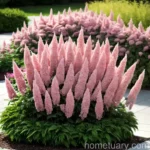
Astilbe chinensis ‘Mighty Pip’ (Chinese Astilbe): A Comprehensive Guide
Plants are an integral part of our natural environment, providing beauty, sustenance, and ecological balance. The Astilbe chinensis ‘Mighty Pip,’ commonly known as Chinese Astilbe, is a stunning and versatile perennial plant that is a favorite among gardeners and landscapers. In this comprehensive guide, we will delve into the intricacies of this unique plant. We will explore its characteristics, care requirements, propagation methods, and much more. Whether you are a novice gardener or a seasoned horticulturist, this guide will equip you with the knowledge to cultivate and appreciate the beauty of Astilbe chinensis ‘Mighty Pip.’
What is Astilbe chinensis ‘Mighty Pip’ (Chinese Astilbe)?
Astilbe chinensis ‘Mighty Pip’ is a herbaceous perennial plant that belongs to the Saxifragaceae family. It is native to China and Korea and is known for its graceful, fern-like foliage and striking, feathery plumes of flowers. This plant is highly valued for its decorative appeal and is commonly used in shade gardens, woodland settings, and as a border plant. The ‘Mighty Pip’ variety is particularly cherished for its vibrant blooms and robust growth habit.
Key Takeaways
Astilbe chinensis ‘Mighty Pip’ (Chinese Astilbe)
- Plant Type: Herbaceous Perennial
- Common Name: Chinese Astilbe
- Botanical Name: Astilbe chinensis ‘Mighty Pip’
- Family: Saxifragaceae
Now that we have gained a basic understanding of Astilbe chinensis ‘Mighty Pip,’ let’s further explore this captivating plant.
Culture
Cultivating Astilbe chinensis ‘Mighty Pip’ requires an understanding of its cultural preferences, including its requirements for water, sunlight, fertilizer, soil, and pruning. By providing the right conditions, you can encourage optimal growth and flowering in this elegant plant.
Uses
The Chinese Astilbe is valued for its ornamental uses, adding a touch of elegance and color to gardens and landscapes. Its feathery plumes of flowers make it an excellent choice for:
- Shade gardens
- Woodland settings
- Border plantings
- Container gardening
- Cut flower arrangements
This versatile plant is highly adaptable and can thrive in various settings, making it a valuable addition to any garden.
Water
Watering Needs:
- Moist, well-draining soil
- Regular watering, especially during dry periods
- Avoid waterlogging
Astilbe chinensis ‘Mighty Pip’ thrives in consistently moist soil but is susceptible to root rot in waterlogged conditions. Adequate watering, particularly during hot and dry spells, is crucial to maintaining its health and vigour.
Sunlight
Sunlight Requirements:
- Partial to full shade
- Filtered sunlight, especially in warmer climates
- Protect from harsh midday sun
Chinese Astilbe is particularly well-suited to shaded environments, making it an ideal choice for areas where direct sunlight is limited. While it can tolerate some morning sun, it generally prefers dappled or filtered light.
Fertilizer
Fertilizing Tips:
- Balanced, slow-release fertilizer in spring
- Organic compost for soil enrichment
- Avoid excessive nitrogen
A moderate application of balanced, slow-release fertilizer in spring can promote healthy growth and abundant flowering. Additionally, incorporating organic compost into the soil can enhance its fertility and structure, providing an excellent foundation for Astilbe chinensis ‘Mighty Pip.’
Soil
Soil Preferences:
- Moist, well-draining
- Rich in organic matter
- Neutral to slightly acidic pH
The Chinese Astilbe thrives in moist, well-draining soil that is rich in organic matter. A slightly acidic to neutral pH level is preferred, contributing to optimal nutrient uptake and overall health.
Pruning
Pruning Techniques:
- Remove spent blooms to encourage additional flowering
- Trim back dead foliage in late fall or early spring
- Divide clumps every 3-4 years to rejuvenate plant
Pruning is an essential aspect of Astilbe care, ensuring a tidy appearance and promoting vigorous growth. Regular deadheading and periodic division of clumps help maintain the plant’s health and vitality.
Propagation
Propagation is a rewarding way to expand your collection of Astilbe chinensis ‘Mighty Pip’ and share its beauty with fellow gardening enthusiasts. This section will highlight the various methods of propagating Chinese Astilbe.
Cutting Propagation
Method:
- Select healthy, non-flowering stems in early summer
- Cut stems into 3-4 inch sections with at least one node
- Dip cut ends in rooting hormone
- Plant cuttings in a moist rooting medium
- Provide bottom heat and humidity for rooting
- Transplant rooted cuttings into individual pots
Cutting propagation is an effective way to create new plants from established Astilbe chinensis ‘Mighty Pip.’ With proper care and attention, cuttings can develop into robust plants ready for transplanting.
Division
Procedure:
- Dig up mature plant in early spring or late fall
- Gently separate root clumps into smaller sections
- Ensure each division has healthy roots and shoots
- Replant divisions immediately and water thoroughly
Dividing mature Astilbe plants every 3-4 years not only encourages rejuvenation but also provides an opportunity to propagate new specimens. Divisions can be replanted in suitable locations or shared with fellow gardeners.
Container Popularity
Astilbe chinensis ‘Mighty Pip’ is well-suited to container gardening, offering an elegant and vibrant display in confined spaces. The compact growth habit and attractive foliage make it an ideal choice for:
- Patios
- Balconies
- Courtyards
- Urban gardens
When growing Chinese Astilbe in containers, it is essential to use a well-draining potting mix and provide adequate moisture and shade. Regular watering and periodic fertilization can contribute to healthy growth and consistent flowering in containers.
Common Diseases
Like any plant, Astilbe chinensis ‘Mighty Pip’ is susceptible to certain diseases and pests. Understanding common ailments and their management is vital for maintaining the plant’s health and longevity.
Disease Diagnosis
Common Diseases:
- Powdery mildew
- Leaf spot
- Crown rot
- Downy mildew
Early detection and prompt intervention are essential for managing these diseases effectively. Monitoring the plant for symptoms such as discolored leaves, powdery coatings, or wilting can help identify problems and initiate appropriate treatment.
Common Pests
In addition to diseases, Chinese Astilbe may also encounter pests that can compromise its vitality and appearance. Vigilance and proactive measures can mitigate pest infestations and prevent damage to the plant.
Pest Management:
- Aphids
- Spider mites
- Slugs and snails
By practicing good garden hygiene, such as removing debris and avoiding overwatering, you can create an environment that is less conducive to pest proliferation. Additionally, natural predators and organic pest control methods can help maintain pest populations at manageable levels.
Botanist’s Tips
As a plant scientist, I have had the privilege of studying and observing the intricate characteristics and behaviors of various plant species, including Astilbe chinensis ‘Mighty Pip.’ Based on my experience and knowledge, here are some valuable pointers for cultivating Chinese Astilbe:
- Ample Moisture: Ensure consistent soil moisture to support optimal growth and flowering.
- Shade Considerations: Provide partial to full shade, especially in regions with intense sunlight and heat.
- Nutrient-Rich Soil: Amend the soil with organic matter to maintain fertility and structure.
- Regular Maintenance: Practice routine deadheading, division, and general plant care to promote longevity.
- Pest and Disease Monitoring: Keep a watchful eye for signs of pests and diseases, intervening as needed to prevent escalation.
By incorporating these tips into your cultivation practices, you can enhance the health and beauty of Astilbe chinensis ‘Mighty Pip’ and enjoy its captivating presence in your garden.
Fun Facts
Let’s take a lighthearted excursion into the fascinating world of Chinese Astilbe with these intriguing and entertaining facts:
- Astilbe flowers are often used in floral arrangements, adding a whimsical and airy touch to bouquets and centerpieces.
- The name “Astilbe” is derived from the Greek words “a” (without) and “stilbe” (brilliance), alluding to its preference for shaded environments.
- Some cultivars of Astilbe exhibit fragrant flowers, contributing a delightful olfactory dimension to garden settings.
- In addition to their aesthetic appeal, Astilbe plants provide nectar and habitat for beneficial pollinators, supporting ecological biodiversity.
These tidbits of information not only add charm to the Astilbe chinensis ‘Mighty Pip’ but also deepen our appreciation for its unique characteristics and contributions to the natural world.
Links to External Resources
For a more in-depth exploration of Chinese Astilbe and horticultural information, consider exploring the following external resources:
- The American Horticultural Society
- Royal Horticultural Society
- University Extension Services
- Botanical Gardens and Arboreta
These reputable sources offer a wealth of knowledge, research, and insights into plant science, gardening practices, and related topics, providing valuable support for your horticultural endeavors.
In conclusion, Astilbe chinensis ‘Mighty Pip’ (Chinese Astilbe) stands as a testament to the captivating beauty and adaptability of plant life. By understanding its cultural requirements, propagation methods, and potential challenges, we can cultivate and cherish this remarkable plant with confidence and appreciation.
Whether adorning shaded gardens, accentuating container arrangements, or providing a welcoming habitat for wildlife, Chinese Astilbe enriches our natural landscapes and cultivates a deeper connection to the wonders of the botanical realm. Embrace the allure of Astilbe chinensis ‘Mighty Pip’ and elevate your gardening experiences with its enduring charm and grace.