Armeria Maritima ‘Victor Reiter’ (Sea Thrift)
In the world of coastal gardening, few plants command the attention and admiration quite like Armeria maritima ‘Victor Reiter’, commonly known as Sea.
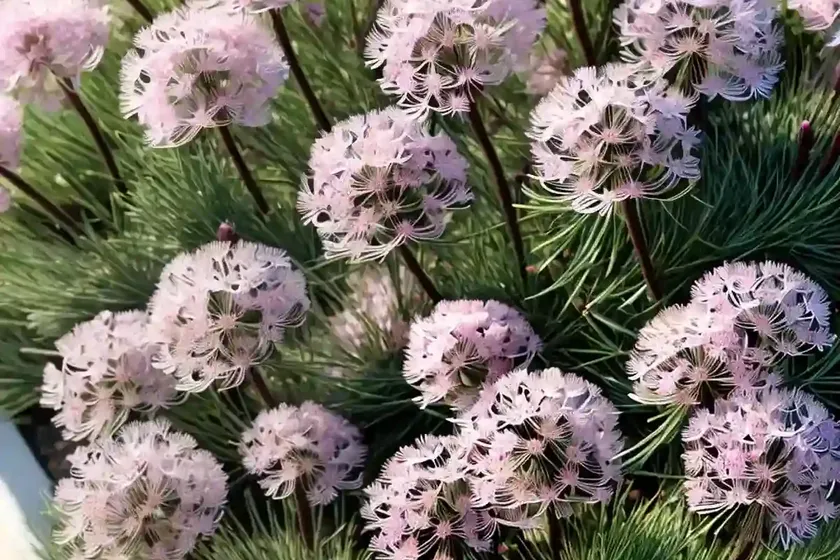
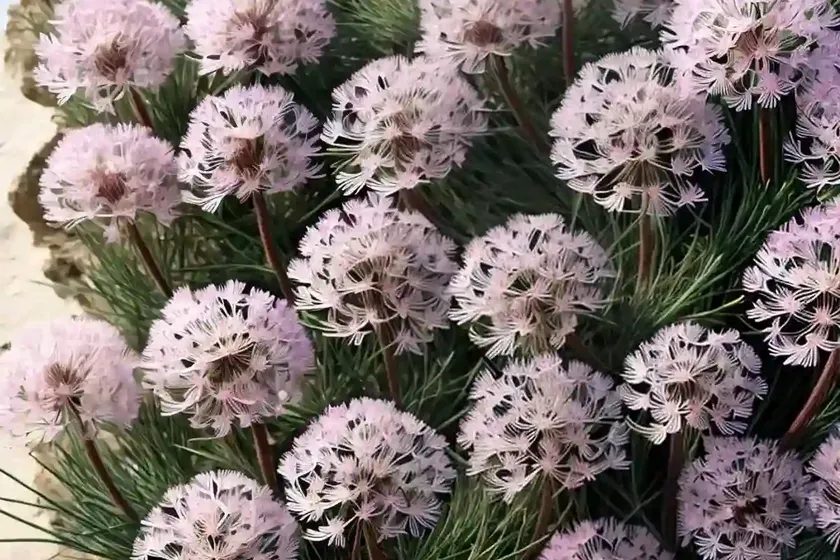
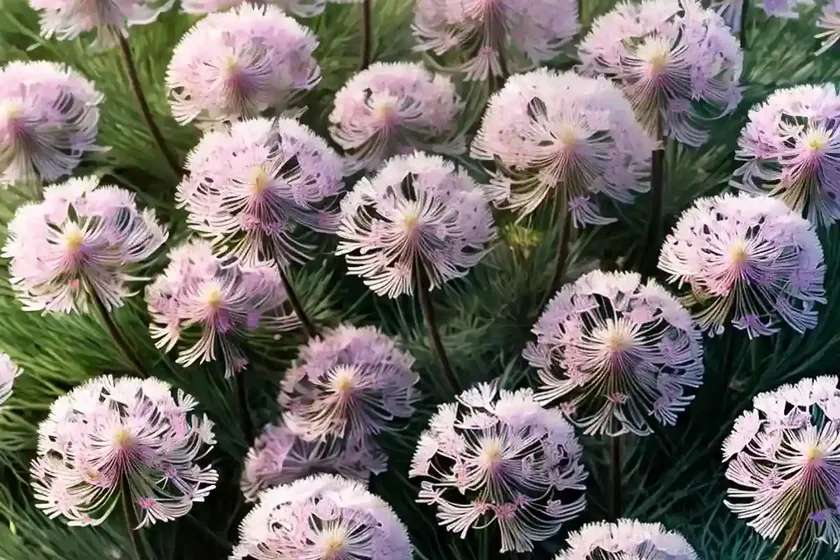
In the world of coastal gardening, few plants command the attention and admiration quite like Armeria maritima ‘Victor Reiter’, commonly known as Sea Thrift. With its delightful sea pink flowers and remarkable adaptability to the harsh coastal environment, this perennial is a favorite among gardeners and plant enthusiasts. In this comprehensive guide, we’ll explore every aspect of Sea Thrift, from its cultural preferences to its propagation methods, from its role in coastal landscaping to its resilience in the face of common diseases and pests. Whether you’re a seasoned coastal gardener or a novice looking to enhance your seaside landscape, this article will equip you with the knowledge and insights you need to cultivate and appreciate this coastal gem.
What is Armeria maritima ‘Victor Reiter’?
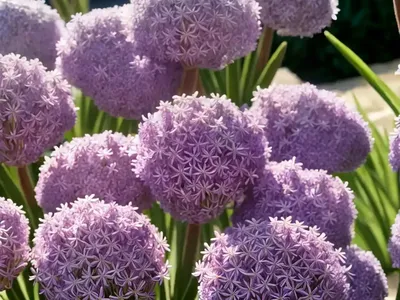
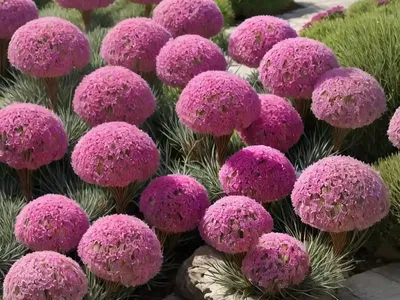
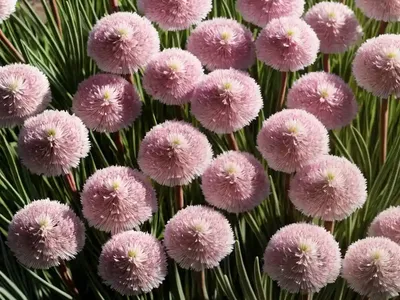
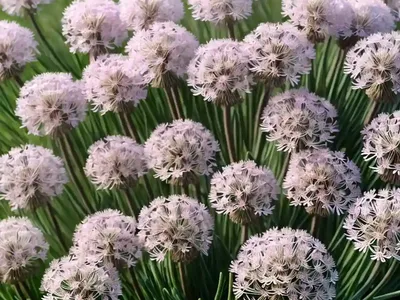
Armeria maritima, known as Sea Thrift or Sea Pink, is a charming perennial plant native to the coasts of the Northern Hemisphere. The ‘Victor Reiter’ cultivar, in particular, has gained popularity for its striking sea pink flowers and its ability to thrive in coastal environments. Sporting dense, grassy foliage and compact clusters of vibrant blooms, this plant makes a stunning addition to coastal gardens and landscapes. Its low-maintenance nature and adaptability to various growing conditions further contribute to its allure.
Key Takeaways – Armeria maritima ‘Victor Reiter’ (Sea Thrift)
Before delving into the specifics of cultivating and caring for Armeria maritima ‘Victor Reiter’, let’s briefly highlight the key takeaways associated with this coastal favorite:
- Sea Pink flowers: The distinctive sea pink flowers of Armeria maritima ‘Victor Reiter’ are a defining feature, adding a splash of color to coastal landscapes.
- Low-maintenance coastal plant: This perennial is renowned for its ability to thrive in coastal environments with minimal care.
- Suitable for coastal landscaping: From rockeries to garden borders, Armeria maritima ‘Victor Reiter’ is a versatile plant that complements various coastal landscaping designs.
- Drought-tolerant and salt-tolerant: Its resilience to drought and tolerance to salt make it an ideal choice for coastal gardens and landscapes.
With these key takeaways in mind, let’s explore the nuances of caring for and cultivating Armeria maritima ‘Victor Reiter’.
Culture
Understanding the cultural requirements of Armeria maritima ‘Victor Reiter’ is essential for creating an environment conducive to its growth and blooming. From the ideal soil conditions to its water and sunlight needs, here’s a detailed breakdown of its cultural preferences:
Water
Sea Thrift displays an impressive tolerance to dry conditions, making it well-suited to coastal areas characterized by relatively low precipitation. While it can withstand periods of drought, particularly once established, providing moderate watering during dry spells can help promote healthy growth and vibrant blooms. It’s important to strike a balance, avoiding overwatering that can lead to waterlogged soil, which may adversely affect the plant’s health.
Sunlight
When it comes to sunlight, Sea Thrift thrives in full sun. Positioning it in a location that receives ample sunlight throughout the day is key to encouraging robust growth and profuse blooming. In coastal landscapes where the sun is often accompanied by salty sea breezes, Sea Thrift’s ability to bask in the sunlight while tolerating the coastal elements makes it an invaluable addition.
Soil
The preferred soil conditions for Armeria maritima ‘Victor Reiter’ lean towards well-draining and slightly acidic to neutral soils. Coastal gardens often feature sandy or gravelly soils, which align with the plant’s natural habitat, making it well-adapted to such conditions. Amending the soil with organic matter can further enhance its drainage and provide a nutrient boost, although the plant demonstrates admirable resilience even in lean coastal soils.
Uses
Armeria maritima ‘Victor Reiter’ is a versatile plant with a spectrum of uses that accentuate its value in coastal gardens and landscapes. From its role as a ground cover to its suitability for coastal containers, the plant offers several practical and aesthetic applications:
Ground Cover
The low-growing and clump-forming nature of Sea Thrift makes it an excellent choice for ground cover in coastal areas. Its ability to form dense mats of foliage adorned with colorful flowers lends a charming and vibrant touch to garden borders, rockeries, and slopes. The plant’s resistance to salt spray and wind further enhances its effectiveness as a ground cover in exposed coastal settings.
Container Planting
Sea Thrift’s adaptability to container cultivation is a boon for coastal gardening enthusiasts seeking to introduce color and texture to their outdoor spaces. Whether in standalone coastal planters or integrated within larger container gardens, its compact growth habit and striking flowers make it a captivating addition. Its resilience to wind and salt spray renders it particularly suitable for container gardening in coastal areas adjacent to the sea.
Rock Gardens
As a native coastal plant, Armeria maritima ‘Victor Reiter’ seamlessly integrates into rock gardens, where it contributes to the rugged and naturalistic aesthetic characteristic of coastal landscapes. Its ability to thrive in rocky, well-draining environments mirrors its natural habitat, making it an authentic and visually appealing choice for rockery compositions.
Fertilizer
The resilient nature of Armeria maritima ‘Victor Reiter’ extends to its minimal need for fertilization, particularly in coastal environments where the soil may already be relatively nutrient-deficient. Incorporating a balanced, slow-release fertilizer into the soil during the plant’s active growth period in spring can provide a gentle nutritional boost. However, it’s crucial to exercise restraint and avoid over-fertilization, which may lead to excessive foliage growth at the expense of flower production.
Pruning
Pruning plays a limited role in the care regimen for Armeria maritima ‘Victor Reiter’, owing to its naturally tidy growth habit and low-maintenance appeal. However, to encourage repeat blooming and maintain the plant’s compact shape, deadheading spent flowers is advisable. Simply removing the faded flower heads promotes the development of new blooms, prolonging the plant’s flowering period and enhancing its visual appeal.
Propagation
For enthusiasts looking to expand their Sea Thrift collection or share the plant’s coastal charm with others, propagation methods offer a means to multiply plants and perpetuate their ornamental presence. Here are two primary propagation techniques suitable for Armeria maritima ‘Victor Reiter’:
Division
Dividing mature clumps of Sea Thrift presents a straightforward and effective means of propagation. As the plant matures, its clumps gradually expand, creating an opportune moment for division. In early spring, carefully lift the clump and use a sharp, clean tool to divide it into smaller sections, ensuring that each division includes a portion of the root system and several healthy shoots. Replant the divisions at the same depth as the original plant, and provide adequate water and care to facilitate their establishment.
Seed Propagation
While less commonly employed than division, seed propagation offers an alternative for cultivating new Sea Thrift plants. Collecting mature seeds post-flowering and sowing them in well-draining seed-starting mix in early spring can yield viable seedlings. With consistent moisture and optimal warmth, the seeds germinate, giving rise to new plants that inherit the distinguishing characteristics of the ‘Victor Reiter’ cultivar.
Container Popularity
The popularity of Armeria maritima ‘Victor Reiter’ in container gardening is underpinned by its suitability for coastal containers and its visual allure in confined spaces. With its compact growth habit, captivating flowers, and adaptability to the challenging coastal conditions often prevalent near seas and oceans, Sea Thrift emerges as an appealing choice for container cultivation. Whether nestled in coastal planters on a seaside balcony or showcased in a group of containers on a coastal patio, its resilience and ornamental value elevate the aesthetic appeal of coastal container gardens.
Common Diseases
Despite its resilience, Armeria maritima ‘Victor Reiter’ may encounter a few diseases, albeit infrequently. Understanding the common diseases associated with this coastal gem empowers gardeners to take preemptive measures and address potential issues promptly. Here are a few diseases that may affect Sea Thrift:
- Leaf Spot: Fungal leaf spot diseases, characterized by the appearance of small, dark spots on the foliage, can occasionally afflict Sea Thrift, particularly in periods of prolonged moisture. Well-drained soil and adequate air circulation can mitigate the risk of leaf spot.
- Powdery Mildew: In humid coastal environments, powdery mildew may arise, manifesting as a white powdery coating on the leaves. Ensuring proper spacing between plants and minimizing humidity through strategic watering practices can help prevent powdery mildew.
To safeguard the health of Armeria maritima ‘Victor Reiter’, prompt intervention through cultural adjustments and, if necessary, targeted fungicidal treatments can effectively manage these diseases.
Disease Diagnosis
Diagnosing diseases in Armeria maritima ‘Victor Reiter’ involves closely observing the plant for unusual symptoms and patterns, enabling prompt identification and appropriate action. Common signs of disease in Sea Thrift include the following:
- Irregular spotting on foliage: Small, discolored spots on the plant’s leaves may point to the presence of leaf spot diseases, prompting close inspection and potential treatment.
- Powdery deposits on leaves: The development of powdery, whitish deposits on the plant’s foliage signals the onset of powdery mildew, necessitating intervention to prevent its spread.
By promptly recognizing and accurately diagnosing diseases, gardeners can implement timely interventions to safeguard the health and vitality of Armeria maritima ‘Victor Reiter’.
Common Pests
While generally resistant to pests, Armeria maritima ‘Victor Reiter’ may occasionally encounter pest-related challenges in coastal settings. Vigilance in monitoring the plant for signs of pest activity contributes to early detection and effective management. Here are a few common pests that may target Sea Thrift:
- Aphids: These small, sap-sucking insects can colonize the tender growth of Sea Thrift, causing distortion and stunted development. Regularly inspecting the plant for aphids and employing biological control agents or gentle washing with water can help mitigate their impact.
- Spider Mites: In hot, dry coastal conditions, spider mites may infest Sea Thrift, evidenced by stippling on the leaves and fine webbing. Introducing predatory mites or using insecticidal soap can aid in controlling spider mite populations.
By promptly addressing pest issues through targeted interventions and, when possible, fostering natural predator-prey relationships, gardeners can maintain the health and vitality of Armeria maritima ‘Victor Reiter’.
Botanist’s Tips
Insights from botanists and plant specialists offer invaluable guidance for cultivating and appreciating Armeria maritima ‘Victor Reiter’ to its fullest potential. Here are a few botanist-approved tips to enhance the care and cultivation of Sea Thrift:
- Embrace the Coastal Aesthetic: Incorporating Sea Thrift into coastal landscapes and gardens not only aligns with its natural habitat but also celebrates the resilience and beauty of coastal plants.
- Prioritize Well-Draining Soil: Ensuring the availability of well-draining soil in coastal plantings lays the foundation for the healthy growth and development of Sea Thrift, affirming its adaptability to coastal conditions.
- Promote Native Plant Communities: By integrating Armeria maritima ‘Victor Reiter’ into coastal habitats, gardeners can contribute to the preservation and enrichment of native plant communities, fostering ecological balance and biodiversity.
Fun Facts
Unveiling the captivating and intriguing facets of Armeria maritima ‘Victor Reiter’ adds an enriching layer to the appreciation of this coastal gem. Here are a few fun facts that illuminate the charm and uniqueness of Sea Thrift:
- Pollinator Magnet: Sea Thrift’s vibrant flowers attract various pollinators, including bees and butterflies, enlivening coastal gardens with their buzzing and fluttering presence.
- Salt-Tolerant Survivor: The plant’s ability to thrive in salty coastal environments is attributed to its capacity to excrete excess salt, signifying its adaptation to challenging coastal conditions.
- Traditional Medicinal Use: In some cultures, the leaves of Armeria maritima were historically used in traditional medicine for their purported medicinal properties, testament to the plant’s historical significance beyond ornamental value.
Links to External Resources
For those seeking additional insights and resources on Armeria maritima ‘Victor Reiter’ and coastal gardening, the following links offer valuable information and guidance:
- Royal Horticultural Society – Armeria maritima ‘Victor Reiter’ care guide
- University of Florida IFAS Extension – Coastal Landscaping with Florida-Friendly Plants
- University of California Agriculture and Natural Resources – Coastal Gardening: A Guide for California’s Seaside Residents
- American Society for the Prevention of Cruelty to Plants – Seaside Garden Design Tips
In conclusion, Armeria maritima ‘Victor Reiter’, or Sea Thrift, embodies the enduring allure and adaptability of coastal plants, enriching seaside landscapes with its vibrant blooms and unyielding resilience. By understanding and embracing its cultural preferences, exploring its uses in coastal environments, and familiarizing ourselves with its disease resistance and pest resilience, we can cultivate and celebrate this coastal gem to the fullest. As a cornerstone of coastal gardening and a testament to the beauty of coastal flora, Armeria maritima ‘Victor Reiter’ stands as a steadfast companion in the ever-changing coastal tapestry, captivating and inspiring all who encounter its coastal charm.