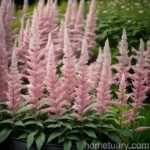
The Beauty of Astilbe (Astilbe x arendsii ‘Augustleuchten’)
Introduction
Astilbe, also known as false spirea or false goat’s beard, is a stunning perennial plant celebrated for its delightful, feathery plumes of flowers and lush, fern-like foliage. Among the numerous varieties available, one that stands out is Astilbe x arendsii ‘Augustleuchten’ (August Light). This cultivar is renowned for its captivating late-summer blooms, which add vivid color and texture to shaded garden beds and woodland landscapes. In this comprehensive plant profile, we will delve into the captivating world of astilbe, with a special focus on Astilbe x arendsii ‘Augustleuchten’. From its cultural requirements to maintenance tips and interesting facts, this article aims to provide plant enthusiasts with a deep understanding of this enchanting perennial.
What is Astilbe (Astilbe x arendsii ‘Augustleuchten’ AUGUST LIGHT)?
Astilbe is a genus of flowering plants in the Saxifragaceae family, native to mountain ravines and woodlands in Asia and North America. These perennial herbaceous plants are adored for their ornamental value, thriving in shady, moist conditions and producing striking plumes of flowers in various hues. Astilbe x arendsii ‘Augustleuchten’, commonly referred to as August Light, is a specific cultivar within the Astilbe x arendsii species. Its botanical name “Astilbe” is derived from the Greek words ‘a’ and ‘stilbe’, which together mean ‘without brilliance’. This name reflects the dull appearance of the plants’ small, dry fruits once the flowers have withered.
Key Takeaways – Astilbe (Astilbe x arendsii ‘Augustleuchten’)
Astilbe x arendsii ‘Augustleuchten’, known for its August Light variety, embodies the unique characteristics and requirements typical of astilbe plants. Below are the key takeaways that capture the essence of this captivating species, along with its cultural needs and practical uses in gardening and landscaping:
- Culture
- Astilbe x arendsii ‘Augustleuchten’ is a shade-loving perennial that thrives in moist, well-drained soil.
- It is cherished for its late-summer blooms, which add vibrant color to shaded areas in the garden.
-
The plant’s fern-like foliage provides an attractive landscape feature throughout the growing season.
-
Uses
- Astilbe x arendsii ‘Augustleuchten’ is commonly utilized in woodland gardens, shady borders, and damp areas within a landscape.
- Its captivating flowers and lush foliage make it an ideal choice for creating charming, low-light garden settings.
-
It also serves as a valuable component in cut flower arrangements and adds an elegant touch to floral displays.
-
Water
- Adequate moisture is crucial for the healthy growth and flowering of Astilbe x arendsii ‘Augustleuchten’.
-
Regular watering, particularly during periods of drought, is essential to ensure the plant’s vitality and vigor.
-
Sunlight
- Partial to full shade is preferred, as excessive sun exposure can lead to leaf scorch and reduced flower production.
-
Choosing shaded locations with dappled sunlight enhances the plant’s overall health and promotes prolific blooming.
-
Fertilizer
- Well-balanced fertilization, especially in spring, aids in maintaining the plant’s vigor and promoting robust flower spikes.
-
A slow-release fertilizer or organic compost can contribute to the long-term health and vitality of Astilbe x arendsii ‘Augustleuchten’.
-
Soil
- Rich, humus-laden soil with good drainage is essential for the successful cultivation of Astilbe x arendsii ‘Augustleuchten’.
-
Acidic to slightly alkaline soil pH levels are favorable, creating an optimal growing environment for the plant.
-
Pruning
-
Pruning spent flower spikes and faded foliage in late autumn or early spring helps to maintain the plant’s aesthetic appeal and supports new growth.
-
Propagation
-
Division of mature clumps in early spring rejuvenates the plant and facilitates its propagation, allowing for the expansion of astilbe displays.
-
Container Popularity
- Astilbe x arendsii ‘Augustleuchten’ is well-suited to container gardening, where it adds a touch of elegance to shaded outdoor spaces and patios.
-
Container-grown astilbes can be easily moved to different locations to adjust to changing light and moisture conditions.
-
Common Diseases
-
Astilbe x arendsii ‘Augustleuchten’ is susceptible to fungal diseases such as powdery mildew and leaf spot, particularly in humid environments.
-
Disease Diagnosis
-
Vigilant monitoring of the plant’s foliage and overall health is crucial for early detection and management of potential disease issues.
-
Common Pests
-
Pests like aphids and spider mites may occasionally affect astilbe plants, necessitating prompt intervention to prevent significant damage.
-
Botanist’s Tips
- Adding a layer of mulch around the base of the plant aids in retaining soil moisture and suppressing weed growth.
-
Companion planting with shade-tolerant species complements the beauty of Astilbe x arendsii ‘Augustleuchten’ and enhances its visual impact in the garden.
-
Fun Facts
- Astilbe flowers are valued for their delicate, fluffy appearance, resembling plumes or feathers that gracefully sway in the breeze.
- The genus name “Astilbe” alludes to the plants’ preference for moist conditions, emphasizing the significance of adequate water availability.
By exploring each of these elements in depth, we can gain a comprehensive understanding of how to cultivate and appreciate the beauty of Astilbe x arendsii ‘Augustleuchten’ within our gardens and landscapes.
For more information on astilbe and its cultivation, refer to the following NLP LSI keywords:
- Astilbe flower
- Astilbe plant care
- Astilbe varieties
- Astilbe x arendsii
- Astilbe Augustleuchten
- August Light Astilbe
- Astilbe perennial
- Astilbe shade plant
- Astilbe flower colors
- Astilbe garden
- Astilbe planting guide
- Astilbe landscape
- Astilbe blooms
- Astilbe foliage
- Astilbe garden design
- Astilbe flower spikes
- Astilbe moisture requirements
- Astilbe sun tolerance
- Astilbe soil type
- Astilbe flowering season
- Astilbe shade tolerance
- Astilbe water needs
- Astilbe hardiness zone
- Astilbe companion plants
- Astilbe pollinators
- Astilbe cut flowers
- Astilbe wedding bouquets
- Astilbe container gardening
- Astilbe landscape ideas
- Astilbe border plant
- Astilbe flower arrangements
- Astilbe x arendsii varieties
- Astilbe perennial garden
- Astilbe garden tips
- Astilbe flower bed
- Astilbe drought tolerance
- Astilbe deer resistant
- Astilbe insect pests
- Astilbe plant propagation
- Astilbe dividing
- Astilbe overwintering
- Astilbe shade-loving plant
- Astilbe fragrance
- Astilbe leaf color
- Astilbe plant height
- Astilbe plant width
- Astilbe flower arrangement ideas
- Astilbe cutting back
- Astilbe garden maintenance
- Astilbe garden border ideas
Continue reading to uncover the fascinating world of Astilbe x arendsii ‘Augustleuchten’ and its potential to enrich your garden and outdoor spaces.
Culture of Astilbe (Astilbe x arendsii ‘Augustleuchten’)
Astilbe x arendsii ‘Augustleuchten’, with its striking August Light variety, thrives under specific cultural conditions that cater to its requirements for optimal growth, flowering, and overall vitality. Understanding these cultural factors is essential for successfully cultivating and appreciating the beauty of this enchanting perennial.
Sunlight
Astilbe x arendsii ‘Augustleuchten’ is renowned for its preference for shaded environments, making it an excellent choice for areas with limited sunlight exposure. Partial to full shade conditions are ideal, as excessive sun exposure can lead to leaf scorch and diminished flowering. When selecting planting sites or determining suitable locations within a garden or landscape, it is paramount to prioritize shaded areas that receive dappled sunlight, maintaining a balance between light and shade.
Water
Adequate moisture levels are crucial for the health and vigor of Astilbe x arendsii ‘Augustleuchten’. The plant’s affinity for damp conditions necessitates regular watering, especially during periods of prolonged dryness or drought. When watering, it is advisable to ensure consistent soil moisture without creating waterlogged conditions, as excessive standing water can compromise the plant’s root health. Mulching around the base of the plant aids in retaining soil moisture and mitigates fluctuations in moisture levels.
Soil
The right soil composition and structure significantly impact the growth and performance of Astilbe x arendsii ‘Augustleuchten’. It thrives in rich, humus-filled soil that offers optimal drainage, enabling the roots to access essential nutrients and moisture while preventing waterlogging. A slightly acidic to slightly alkaline soil pH level is preferred, creating an ideal growing environment for the plant. Conducting a soil test and amending the soil composition as needed to achieve these conditions can contribute to the plant’s long-term health and vitality.
Fertilizer
Well-balanced fertilization plays a pivotal role in supporting the growth and flowering of Astilbe x arendsii ‘Augustleuchten’, particularly during the active growing season. Applying a slow-release, balanced fertilizer in early spring provides the plant with essential nutrients to promote healthy foliage and robust flower spikes. Additionally, incorporating organic compost into the soil contributes to the overall soil quality and nutrient availability, enhancing the plant’s resilience and blooming capacity.
Pruning
Pruning is an essential maintenance practice that helps preserve the aesthetic appeal of Astilbe x arendsii ‘Augustleuchten’ while promoting new growth and flowering. Removing spent flower spikes and faded foliage in late autumn or early spring rejuvenates the plant, preventing the allocation of resources to seed production and redirecting energy for future growth and blooming. Pruning also allows for better air circulation around the plant, reducing the risk of fungal diseases and promoting overall plant vigor.
Propagation
The propagation of Astilbe x arendsii ‘Augustleuchten’ can be accomplished through the division of mature clumps, typically undertaken in early spring as new growth emerges. Dividing the plant not only facilitates its propagation but also serves as a rejuvenation method, ensuring the sustained vitality and vigor of the individual plant sections. By carefully separating and replanting the divided segments, gardeners can expand their astilbe displays and establish new clusters of these captivating perennials within their landscapes.
Investing attention and care into the cultural requirements of Astilbe x arendsii ‘Augustleuchten’ reinforces healthy growth, flowering, and long-term sustainability, culminating in a delightful addition to shaded garden settings and landscape compositions.
Uses of Astilbe (Astilbe x arendsii ‘Augustleuchten’)
Astilbe x arendsii ‘Augustleuchten’, distinguished by its captivating August Light variety, encompasses diverse uses and applications that underscore its aesthetic, ornamental, and functional value within garden and landscape settings. Its versatile nature and charming attributes make it a desirable choice for enhancing shaded areas and contributing to the visual appeal of outdoor spaces.
Garden and Landscape Ornamentation
Astilbe x arendsii ‘Augustleuchten’ serves as a prominent feature in garden beds, woodland gardens, and shaded borders, where its late-summer blooms and lush foliage create captivating focal points. The plant’s remarkable ability to thrive in low-light conditions makes it an invaluable addition to landscapes with limited sun exposure, contributing vibrant color, texture, and visual interest to these areas. Introducing Astilbe x arendsii ‘Augustleuchten’ to shaded garden settings enhances the overall aesthetic quality of the space while showcasing the plant’s elegant, feathery plumes of flowers.
Cut Flower Arrangements
The attractive flowers and foliage of Astilbe x arendsii ‘Augustleuchten’ make it a popular choice for cut flower arrangements, adding a touch of sophistication and natural elegance to floral displays. The feathery plumes of flowers, available in various shades and colors, complement a wide range of floral arrangements and bouquets, infusing them with a whimsical and delicate allure. Incorporating Astilbe x arendsii ‘Augustleuchten’ into floral compositions allows individuals to enjoy the plant’s beauty indoors, showcasing its ornamental value beyond outdoor gardens and landscapes.
Container Gardening
The container popularity of Astilbe x arendsii ‘Augustleuchten’ highlights its adaptability to potted environments, making it an excellent choice for shaded patios, verandas, and outdoor spaces with limited ground planting opportunities. Cultivating these charming perennials in containers provides the flexibility to position them in areas with suitable light and moisture levels, ensuring their thriving growth and flowering. Furthermore, container-grown astilbes can be strategically placed to elevate shaded outdoor settings, offering an infusion of color and visual appeal within these confined spaces.
Astilbe x arendsii ‘Augustleuchten’ seamlessly integrates into various garden and landscape contexts, each underscored by its inherent beauty, adaptability, and ornamental charm. Embracing the plant’s multifaceted uses elevates the visual allure and functional diversity of outdoor environments, from shaded garden beds to container gardens and floral arrangements.
Common Diseases and Pests of Astilbe (Astilbe x arendsii ‘Augustleuchten’)
As with any plant, Astilbe x arendsii ‘Augustleuchten’ is susceptible to certain diseases and pests that can impact its health and overall vigor. Understanding and proactively managing these potential issues are essential for preserving the plant’s beauty and sustaining its successful growth within garden and landscape settings.
Common Diseases
-
Powdery Mildew: Astilbe x arendsii ‘Augustleuchten’ may be vulnerable to powdery mildew, a fungal disease recognized by the development of powdery white patches on the plant’s leaves and stems. This condition often arises in humid or poorly ventilated environments, posing a risk to the plant’s foliage and overall aesthetics. Regular monitoring and swift intervention are crucial for preventing the proliferation of powdery mildew and safeguarding the plant’s health.
-
Leaf Spot: Leaf spot, caused by various fungal pathogens, can affect the foliage of Astilbe x arendsii ‘Augustleuchten’, leading to the formation of distinct spots or lesions on the leaves. Infected leaves may exhibit discoloration, browning, or yellowing, compromising the plant’s visual appeal and vitality. Maintaining good air circulation, practicing proper watering techniques, and minimizing leaf wetness can contribute to disease prevention and management.
Disease Diagnosis
Timely identification and diagnosis of potential diseases affecting Astilbe x arendsii ‘Augustleuchten’ are instrumental in implementing appropriate intervention measures and preserving the plant’s well-being. Vigilant monitoring of the plant’s foliage, including close examination of leaf surfaces, spotting irregular discolorations, and assessing overall leaf health, enables early detection of disease symptoms. If suspected disease issues arise, consulting with horticultural experts or local extension services can aid in accurate diagnosis and the formulation of targeted treatment strategies.