The Enchanting Astilbe ‘Red Sentinel’: A Comprehensive Guide
Introduction
Astilbe ‘Red Sentinel’ is a captivating perennial plant that adds a touch of elegance and vibrancy to any garden. Known for its striking red flower plumes and luscious green foliage, this plant is a favorite among gardeners and landscapers alike. In this comprehensive guide, we will delve into the culture, uses, care, and maintenance of Astilbe ‘Red Sentinel’, equipping you with the knowledge to cultivate and appreciate this stunning plant.
What is Astilbe ‘Red Sentinel’?
Astilbe ‘Red Sentinel’ is a stunning perennial known for its striking red flower plumes. This variety belongs to the Astilbe genus, which is a group of herbaceous perennials native to East Asia and North America.
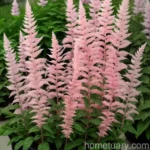
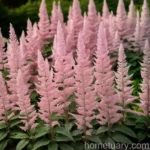
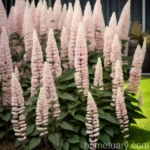
The ‘Red Sentinel’ cultivar features rich, crimson-red plumes that rise above the deep green, glossy foliage, creating a captivating display in the garden. The feathery, upright flower plumes add texture and color, making Astilbe ‘Red Sentinel’ a popular choice for borders, woodland gardens, and shaded areas.
Key Takeaways – Astilbe ‘Red Sentinel’
Before we delve into the specifics of caring for Astilbe ‘Red Sentinel’, let’s provide an overview of the key takeaways associated with this stunning plant.
- Culture: Astilbe ‘Red Sentinel’ thrives in moist, well-drained soil and prefers partial to full shade.
- Uses: This perennial is commonly used in borders, woodland gardens, and shaded areas, adding color and texture to the landscape.
- Water: Regular watering is essential to maintain the moisture levels that Astilbe ‘Red Sentinel’ requires for healthy growth.
- Sunlight: While it prefers partial shade, this variety can tolerate some morning sun.
- Fertilizer: A balanced, organic fertilizer in spring can promote robust growth and vibrant blooms.
- Soil: Astilbe ‘Red Sentinel’ prefers humus-rich, moist soil with good drainage.
- Pruning: Deadheading spent blooms and removing damaged foliage can help maintain the plant’s appearance.
- Propagation: Division is the primary method of propagating Astilbe ‘Red Sentinel’ and should be done in early spring or fall.
- Container: It can be grown successfully in containers, provided that the soil moisture is carefully managed.
- Popularity: Astilbe ‘Red Sentinel’ is a popular choice for gardens and landscapes due to its captivating red blooms and lush foliage.
Now, let’s delve deeper into each of these aspects to gain a comprehensive understanding of caring for and appreciating Astilbe ‘Red Sentinel’.
Culture
Understanding the specific cultural requirements of Astilbe ‘Red Sentinel’ is crucial for its successful cultivation and maintenance.
Water
One of the most critical factors in the care of Astilbe ‘Red Sentinel’ is ensuring that it receives adequate moisture. Given its preference for moist soil, regular watering is essential, especially during dry periods. The soil should be consistently moist but not waterlogged to prevent root rot. Therefore, a regular watering schedule, particularly during warm weather, is highly recommended to maintain optimal moisture levels.
Sunlight
Astilbe ‘Red Sentinel’ thrives in partial to full shade, making it an excellent choice for shaded areas in the garden. While it prefers shaded conditions, it can tolerate some morning sun. However, it is essential to provide adequate shade, especially during the hottest part of the day, to prevent the foliage from scorching.
Fertilizer
To support the healthy growth and vibrant blooms of Astilbe ‘Red Sentinel’, it is recommended to apply a balanced, organic fertilizer in early spring. This can help provide the necessary nutrients for robust growth and stunning flower production. Additionally, a light application of fertilizer in mid-summer can further support the plant’s vitality.
Soil
The soil preferences of Astilbe ‘Red Sentinel’ center around humus-rich, moist soil with good drainage. Amending the soil with organic matter, such as compost or leaf mold, can improve its texture and water-retention capacity, creating an ideal growing environment for the plant. Ensuring proper soil conditions is essential for the plant’s overall health and performance.
Pruning
Pruning plays a crucial role in maintaining the appearance and vigor of Astilbe ‘Red Sentinel’. Deadheading spent blooms can promote continuous flowering and prevent the plant from expending energy on seed production. Additionally, removing any damaged or discolored foliage helps maintain the plant’s aesthetic appeal and reduces the risk of disease.
Propagation
Astilbe ‘Red Sentinel’ primarily propagates via division, making it relatively straightforward to propagate and expand your plant collection. Division is typically performed in early spring as new growth emerges or in the fall as the plant enters dormancy. By carefully dividing the root clumps and replanting them in suitable locations, you can propagate and rejuvenate your Astilbe ‘Red Sentinel’ plants.
Container
While Astilbe ‘Red Sentinel’ is often grown in garden borders and woodland settings, it can also thrive in containers provided that the necessary conditions are met. When cultivating Astilbe ‘Red Sentinel’ in containers, it is critical to ensure that the soil remains consistently moist, as containers can dry out more quickly than garden soil. Additionally, selecting a spacious container that accommodates the plant’s growth and development is essential for its long-term success.
Popularity
Astilbe ‘Red Sentinel’ has garnered popularity among gardeners and landscapers due to its captivating red blooms, lush foliage, and versatility in various garden settings. This cultivar’s characteristic features make it a sought-after addition to shaded gardens, borders, and woodland landscapes, enhancing their aesthetic appeal and adding vibrant color to these areas.
Uses
The enchanting beauty of Astilbe ‘Red Sentinel’ makes it a versatile plant with a range of uses in gardens and landscapes. Let’s explore some of the common uses of this stunning perennial.
-
Borders: Astilbe ‘Red Sentinel’ creates a striking border plant, adding height, color, and texture to the garden’s edge. Its upright flower plumes make it an excellent choice for defining garden borders and pathways, creating a bold visual impact.
-
Woodland Gardens: Due to its preference for shaded conditions, Astilbe ‘Red Sentinel’ is well-suited for woodland gardens. Its vibrant blooms and lush foliage thrive in the dappled shade of trees, adding a touch of elegance to these naturalistic settings.
-
Shaded Areas: Shaded areas in the garden can benefit from the addition of Astilbe ‘Red Sentinel’, as it brings a burst of color and visual interest to spaces that may receive limited sunlight. Whether nestled under trees or along the periphery of structures, this plant thrives in shaded environments.
-
Container Gardening: Astilbe ‘Red Sentinel’ can also be cultivated in containers, allowing gardeners to enjoy its captivating beauty on patios, balconies, and other outdoor spaces. When grown in containers, this plant can serve as a focal point or accent piece, enhancing the visual appeal of the surrounding area.
-
Landscaping: Landscapers often incorporate Astilbe ‘Red Sentinel’ into their designs to introduce vibrant color and texture to shaded landscapes. Whether used as part of a larger planting scheme or as a standalone feature, this plant contributes to the overall beauty and allure of the landscape.
Common Diseases
While Astilbe ‘Red Sentinel’ is relatively resilient, it is essential to be mindful of potential diseases that may affect the plant. Understanding common diseases and their prevention can help maintain the plant’s health and vitality.
Disease Diagnosis
Several diseases can affect Astilbe ‘Red Sentinel’, with fungal infections being among the most common concerns. Identifying symptoms such as discolored or distorted foliage, powdery mildew, or leaf spots can indicate a potential disease issue. When observing any signs of disease, it is crucial to take proactive measures to address the problem and prevent its spread.
Common Pests
In addition to diseases, certain pests may pose a threat to the well-being of Astilbe ‘Red Sentinel’. By familiarizing yourself with common pests and their control methods, you can safeguard the plant from potential infestations.
Pest Control
Pests such as spider mites, aphids, and slugs are known to target Astilbe plants, potentially causing damage to the foliage and flowers. Implementing integrated pest management practices, including regular inspection, physical removal of pests, and targeted treatments, can help mitigate pest pressures and protect the plant from harm.
Botanist’s Tips
For botanists and gardening enthusiasts, here are some additional tips and insights to consider when caring for Astilbe ‘Red Sentinel’.
Fun Facts
- The name “Astilbe” is derived from the Greek words “a-” (meaning without) and “stilbe” (meaning brightness), referring to the plant’s preference for shaded conditions.
- Astilbe ‘Red Sentinel’ is a magnet for pollinators such as butterflies and bees, contributing to the biodiversity and ecological value of the garden.
- The feathery plumes of Astilbe ‘Red Sentinel’ can be used in cut flower arrangements, providing a touch of elegance and color to indoor spaces.
Links to External Resources
For further information on growing and caring for Astilbe ‘Red Sentinel’, consider exploring the following external resources:
- Royal Horticultural Society – Astilbe Care Guide
- The Spruce – Growing Astilbe
- University of Minnesota Extension – Astilbe for Minnesota Gardens
Conclusion
Astilbe ‘Red Sentinel’ is a captivating perennial plant that captivates with its vibrant red blooms and lush foliage. By understanding its cultural requirements, uses, and maintenance practices, you can cultivate and appreciate this stunning plant in your own garden or landscape. Whether adorning borders, woodland gardens, or containers, Astilbe ‘Red Sentinel’ adds a touch of elegance and color to outdoor spaces, making it a cherished and sought-after plant for avid gardeners and landscapers. With its enchanting beauty and versatile nature, this perennial continues to be a beloved favorite in the horticultural world.
Incorporating Astilbe ‘Red Sentinel’ into your garden or landscape brings a vibrant burst of red to shaded areas, creating a captivating focal point and enhancing the overall beauty of the outdoor environment. By providing the necessary care and maintenance, you can enjoy the enduring charm and visual impact of this stunning perennial throughout the seasons, making it a cherished addition to your garden and a delightful sight for all who encounter its beauty.
In conclusion, Astilbe ‘Red Sentinel’ is a visually stunning plant that holds its own among the shades of the garden. Its dense, feathery, plume-like flowers are almost fern-like in appearance, and the large flower heads are magnificent when cultivated in large clumps. Whether it’s used along a footpath, in a woodland garden, among shaded perennials or in the courtyard; Astilbe ‘Red Sentinel’ is sure to brighten up any shady spot in the garden and make it simply enchanting.