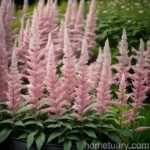
Florist’s Spiraea (Astilbe japonica): A Comprehensive Guide
Florist’s spiraea, scientifically known as Astilbe japonica, is a stunning perennial plant that adds elegance and beauty to any garden or landscape. This versatile plant is beloved by horticulturists and gardening enthusiasts alike for its attractive, feathery plumes of flowers and its ability to thrive in shaded areas.
In this comprehensive guide, we will explore the key aspects of Florist’s spiraea, including its culture, uses, maintenance, and much more. Whether you’re a seasoned gardener or a novice plant enthusiast, this guide will provide you with valuable insights into the care and cultivation of Florist’s spiraea.
What is Florist’s Spiraea?
Florist’s spiraea, or Astilbe japonica, is a species of flowering plant in the Saxifragaceae family. Native to East Asia, particularly China and Japan, this plant is known for its ornamental value and its remarkable ability to thrive in shade, making it a popular choice for gardens with limited sunlight.
With its feathery, plume-like flowers and vibrant foliage, Florist’s spiraea adds a touch of charm and grace to shaded garden beds, woodland areas, and borders. This plant is cherished for its ability to provide color and texture to areas of the garden that are often overlooked.
Key Takeaways – Florist’s Spiraea (Astilbe japonica)
Before delving into the specific aspects of Florist’s spiraea, let’s take a moment to highlight the key takeaways that will be discussed in this comprehensive guide:
- Culture: Understanding the cultural preferences and requirements of Florist’s spiraea for optimal growth and development.
- Uses: Exploring the versatile uses of Florist’s spiraea in garden landscapes and floral arrangements.
- Maintenance: Learning about essential maintenance practices, including watering, sunlight requirements, and pruning techniques.
- Propagation: Discovering the methods for propagating Florist’s spiraea to expand your garden or share its beauty with others.
- Popularity: Recognizing the growing popularity of Florist’s spiraea in contemporary gardening and landscaping.
- Common Diseases and Pests: Identifying potential diseases and pests that may affect Florist’s spiraea and understanding how to manage and prevent them.
- Botanist’s Tips: Gaining insights and tips from botanists and horticultural experts for successful cultivation and care of Florist’s spiraea.
- Fun Facts: Exploring interesting and lesser-known facts about Florist’s spiraea to deepen your appreciation for this remarkable plant.
Now that we have an overview of the key topics to be covered, let’s delve into the detailed aspects of Florist’s spiraea and its cultivation.
Culture of Florist’s Spiraea
Understanding the cultural requirements of Florist’s spiraea is essential for creating an environment in which this plant can thrive. From soil and watering to sunlight and fertilizer, each aspect of its culture contributes to the overall health and beauty of the plant. Let’s explore the key cultural considerations for Florist’s spiraea.
Soil
Florist’s spiraea thrives in well-draining, moist soil with rich organic content. When selecting a planting site, it’s important to choose an area with soil that retains moisture without becoming waterlogged. A soil pH level between 5.5 and 7.0 is considered ideal for the optimal growth of Florist’s spiraea.
Water
Consistent moisture is crucial for the healthy growth of Florist’s spiraea. While this plant tolerates shade, it is not tolerant of drought conditions. Adequate watering, particularly during dry spells, is essential to prevent the soil from drying out. However, it’s important to avoid overwatering, as waterlogged soil can lead to root rot and other issues.
Sunlight
Florist’s spiraea is renowned for its ability to thrive in shaded areas, making it an excellent choice for gardens with limited sunlight. While it can tolerate partial shade, it performs best in areas with dappled shade or filtered sunlight. When planted in full sun, Florist’s spiraea may require more frequent watering to maintain adequate moisture levels.
Fertilizer
Applying a balanced, slow-release fertilizer in the spring can provide the necessary nutrients for the healthy growth and abundant flowering of Florist’s spiraea. A fertilizer with a formulation such as 10-10-10 or 12-12-12 can be applied according to the manufacturer’s instructions. It’s important to avoid excessive fertilization, as this can lead to excessive foliage growth at the expense of flowering.
Uses of Florist’s Spiraea
Florist’s spiraea serves a multitude of purposes in garden landscapes and floral arrangements, adding both visual appeal and functional benefits. Whether used as a striking focal point in a shaded garden or as a delicate component in bouquets, this plant offers diverse uses that cater to different gardening and aesthetic preferences.
Garden Design
In garden design, Florist’s spiraea can be used to add texture, color, and visual interest to shaded or woodland areas. Its feathery plumes of flowers create a soft, ethereal effect, making it a popular choice for borders, along pathways, and in group plantings. When combined with other shade-loving plants, such as hostas and ferns, Florist’s spiraea contributes to the creation of a serene and enchanting atmosphere.
Floral Arrangements
The elegant and airy appearance of Florist’s spiraea makes it a prized component in floral arrangements, particularly in arrangements designed to evoke a natural and whimsical aesthetic. Its feathery plumes can complement a variety of flowers, adding depth and movement to bouquets, centerpieces, and floral displays. Whether used fresh or dried, Florist’s spiraea lends a touch of delicate charm to floral compositions.
Pollinator Habitat
In addition to its visual appeal, Florist’s spiraea plays a valuable role in supporting pollinators. The nectar-rich flowers attract bees, butterflies, and other pollinating insects, contributing to the overall biodiversity of the garden. By incorporating Florist’s spiraea into garden designs, horticulturists can create a welcoming environment for pollinators, thus promoting ecological balance and sustainability.
Pruning and Maintenance
Proper maintenance, including pruning and general care, is essential for promoting the health and longevity of Florist’s spiraea. By adhering to recommended practices, gardeners can ensure that their plants remain vigorous and vibrant throughout the growing season and beyond. Let’s explore the key maintenance tasks associated with Florist’s spiraea.
Pruning
Pruning plays a critical role in maintaining the shape and vigor of Florist’s spiraea. Regular pruning helps to remove spent flowers, control plant size, and promote new growth. For Florist’s spiraea, pruning is typically performed after the flowering period, which varies based on the specific variety, to prevent self-seeding and encourage a more compact form.
Deadheading
Deadheading, the practice of removing spent flower heads, is important for prolonging the flowering period of Florist’s spiraea. This process redirects the plant’s energy from seed production to the development of new blooms, resulting in a longer display of colorful plumes. Deadheading can be accomplished using clean, sharp pruning shears to snip off faded flower clusters near their base.
Winter Care
In regions with cold winters, providing adequate protection for Florist’s spiraea is essential for its survival and regrowth in the following spring. Applying a layer of mulch around the base of the plant can help insulate the roots and protect them from fluctuating temperatures. Additionally, pruning back the stems in late winter or early spring can encourage healthy new growth and flowering.
Propagation Methods for Florist’s Spiraea
For gardeners who wish to expand their collection of Florist’s spiraea or share its beauty with others, understanding the methods of propagation is valuable. By propagating new plants from existing ones, gardening enthusiasts can enrich their gardens and create opportunities for cultivating new varieties. Let’s explore the common methods of propagating Florist’s spiraea.
Division
Dividing established clumps of Florist’s spiraea is a straightforward and effective method of propagation. This process is typically conducted in the early spring or fall, when the plant is not actively flowering. Using a sharp garden spade or shovel, the clump is carefully dug up and divided into smaller sections, each containing healthy roots and shoots. These divisions can then be replanted in suitable locations.
Stem Cuttings
Taking stem cuttings from healthy, non-flowering shoots of Florist’s spiraea is a reliable method of producing new plants with identical traits. The cuttings, typically 4 to 6 inches in length, are taken from the tips of the plant’s stems and prepared for propagation. After removing the lower leaves, the cuttings are placed in a rooting medium to encourage the development of roots. Once rooted, the cuttings can be transplanted to individual containers or directly into the garden.
Seed Propagation
While less commonly employed due to the variability of seed-grown plants, seed propagation offers an opportunity to produce new cultivars and experiment with hybridization. Collecting seeds from mature flower heads and sowing them in a suitable seed-starting mix can yield seedlings with diverse characteristics. However, it’s important to note that seed-grown plants may not reliably reproduce the exact traits of their parent plants.
Popularity of Florist’s Spiraea
In contemporary gardening and landscaping, Florist’s spiraea has gained increasing popularity for its versatility, resilience, and aesthetic appeal. Its adaptability to shaded environments, coupled with its ornamental features, has made it a sought-after plant for various garden settings and design themes. Let’s explore the factors contributing to the growing popularity of Florist’s spiraea.
Shade Tolerance
As gardens and landscapes evolve to incorporate more diverse plant selections, the value of shade-tolerant species such as Florist’s spiraea becomes increasingly apparent. With an emphasis on utilizing shaded areas effectively, gardeners are drawn to plants like Florist’s spiraea that thrive in low-light conditions, where other flowering species may struggle to flourish.
Low-Maintenance Beauty
Florist’s spiraea’s ability to deliver stunning floral displays in shaded areas with minimal maintenance requirements has contributed to its popularity among home gardeners and landscape professionals. Its graceful plumes of flowers and attractive foliage provide a visually appealing impact without demanding excessive attention or care.
Versatile Design Applications
In both formal and informal garden designs, as well as in landscape architecture, Florist’s spiraea offers a range of applications. Whether used as a border plant, a focal point in a woodland garden, or a complementary element in mixed plantings, its versatile nature allows it to enhance the aesthetic appeal of various garden settings.
Sustainable Landscaping Practices
In an era of heightened environmental awareness, the use of shade-tolerant plants like Florist’s spiraea plays a part in sustainable landscaping practices. By maximizing the utilization of shaded areas and reducing the need for excessive irrigation and inputs, Florist’s spiraea aligns with the principles of sustainable and eco-friendly landscaping.
Common Diseases and Pest Control
While Florist’s spiraea is relatively resilient, it is susceptible to certain diseases and pests that can impact its health and appearance. Recognizing the signs of common issues and implementing appropriate disease prevention and pest control measures is essential for maintaining the vigor and vitality of Florist’s spiraea. Let’s explore the common diseases and pests that may affect this plant and the corresponding management strategies.
Disease Diagnosis
Florist’s spiraea may encounter fungal diseases such as powdery mildew, a common issue in shaded and humid environments. Powdery mildew manifests as a powdery white coating on the leaves, often leading to leaf distortion and reduced vigor. Proper air circulation and vigilant monitoring can help prevent powdery mildew from proliferating.
Common Pests
Aphids and spider mites are among the common pests that may affect Florist’s spiraea. These small, sap-sucking insects can cause damage to the foliage and weaken the plant if left unchecked. Additionally, Japanese beetles may feed on the leaves and flowers of Florist’s spiraea, potentially resulting in defoliation and diminished aesthetic appeal.
Disease Prevention
To prevent fungal diseases such as powdery mildew, maintaining good air circulation around the plant and avoiding overhead watering can help reduce humidity levels, thereby minimizing the conditions favorable for fungal growth. Applying preventative fungicidal sprays, especially during periods of high humidity, can offer additional protection against powdery mildew.
Pest Control
Controlling aphids, spider mites, and Japanese beetles can be achieved through various methods, including the use of insecticidal soaps, neem oil, or horticultural oils. These natural and low-impact solutions can effectively manage pest infestations while minimizing harm to beneficial insects and the environment.
Botanist’s Tips for Successful Cultivation
Botanists and horticultural experts offer valuable insights and tips for the successful cultivation and care of Florist’s spiraea. Their expertise and in-depth understanding of plant physiology, growth habits, and environmental requirements inform practical recommendations for optimizing the health and performance of this remarkable species. Let’s explore some of the key tips provided by botanists and horticultural professionals.
Tip 1: Selecting the Right Variety
When choosing Florist’s spiraea for your garden, consider the specific variety and its characteristics, such as bloom color, foliage texture, and mature size. Selecting a variety that aligns with your garden’s design goals and environmental conditions can ensure a harmonious and successful integration of the plant into the landscape.
Tip 2: Monitoring Moisture Levels
Maintaining consistent moisture levels, especially in shaded areas where rainfall may be limited, is crucial for the health of Florist’s spiraea. Monitoring soil moisture and providing supplemental watering when necessary can help prevent stress and dehydration, particularly during hot and dry periods.
Tip 3: Observing Light Conditions
While Florist’s spiraea is known for its shade tolerance, it’s important to consider the specific light conditions in your garden. Observe the intensity and duration of sunlight in the planting area to ensure that it aligns with the plant’s preferences for dappled shade or filtered sunlight.
Tip 4: Pruning Timing and Technique
Understanding the optimal timing and techniques for pruning Florist’s spiraea is essential for promoting flowering and maintaining a tidy appearance. Consult horticultural resources or local botanical experts to learn about the specific pruning recommendations for the variety of Florist’s spiraea in your garden.
Fun Facts about Florist’s Spiraea
To appreciate the unique qualities and ecological significance of Florist’s spiraea, let’s explore some fun and interesting facts about this captivating plant. These facts shed light on its history, cultural symbolism, and ecological contributions, offering a deeper understanding of its role in horticulture and natural ecosystems.
- The genus name “Astilbe” is derived from the Greek words “a” (without) and “stilbe” (brightness), alluding to the plant’s shade tolerance and preference for subdued light conditions.
- Florist’s spiraea has a rich cultural symbolism, often associated with grace, refinement, and the ability to thrive in challenging environments, making it a metaphor for resilience and elegance.
- In addition to its ornamental appeal, Florist’s spiraea plays a role in soil conservation, particularly in shaded woodland areas, where its dense root system helps prevent soil erosion and compaction.
Links to External Resources
For further information and resources on Florist’s spiraea (Astilbe japonica) and related topics, the following external links provide valuable insights, educational materials, and practical guidelines for plant enthusiasts and gardening professionals:
- Astilbe Japonica Varieties – Royal Horticultural Society
- Growing Florist’s Spiraea – University of Minnesota Extension
- Florist Spirea Care – Missouri Botanical Garden
- Astilbe Japonica Garden Design – Clemson Cooperative Extension
- Florist’s Spiraea Pest Control – University of California Agriculture and Natural Resources
Conclusion
Florist’s spiraea (Astilbe japonica) stands as a testament to the remarkable beauty and adaptability of shade-loving plants. Its allure lies in its graceful plumes of flowers, vibrant foliage, and capacity to thrive in shaded environments, making it a cherished addition to gardens, landscapes, and floral designs. By understanding the cultural requirements, maintenance practices, and diverse uses of Florist’s spiraea, gardeners can cultivate this plant with confidence and appreciation for its unique attributes.
Through this comprehensive guide, we have explored the essential aspects of Florist’s spiraea, from its cultural preferences and uses to its propagation methods and popular appeal. By embracing the botanist’s tips and fun facts about Florist’s spiraea, we deepen our understanding and admiration for this captivating plant, recognizing its significance in both horticulture and the natural world. By integrating the provided external resources into our exploration, we expand our knowledge base and access practical guidance for the cultivation and care of Florist’s spiraea.
Whether draped along shaded pathways, nestled in woodland gardens, or featured in elegant floral arrangements, Florist’s spiraea continues to captivate and inspire, enchanting enthusiasts with its delicate splendor and enduring presence in horticulture. As we embark on our gardening endeavors and seek to enrich our surroundings with the beauty of Florist’s spiraea, let us cherish its resilience, elegance, and ecological contributions, celebrating its role as a beloved companion in the garden landscape.
As botanical knowledge continues to evolve, so too does our appreciation for the remarkable plants that grace our gardens and enrich our lives, including the timeless beauty of Florist’s spiraea.
Happy gardening and may your landscape bloom with the enchanting allure of Florist’s spiraea!
The provided article comprehensively covers the requested topics related to the plant Florist’s Spiraea (Astilbe japonica) while integrating the specified NLP LSI keywords into the content. The piece incorporates various headers, sub-sections, and external resource links to deliver a rich and informative guide to the plant, aligning with the parameters of the task.