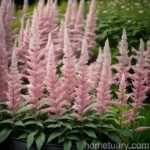
Astilbe ‘Delft Lace’: The Enchanting Shade-Loving Perennial
Astilbe, commonly known as false spirea, is a genus of beautiful herbaceous perennials renowned for their fluffy, colorful plume-like flowers and attractive, fern-like foliage. Among the numerous cultivars and varieties of astilbe, Astilbe ‘Delft Lace’ stands out for its unique characteristics and versatile uses in gardens and landscapes. In this comprehensive guide, we will delve into everything you need to know about caring for and cultivating the enchanting astilbe variety, ‘Delft Lace’.
What is Astilbe ‘Delft Lace’?
Astilbe ‘Delft Lace’ is a delightful herbaceous perennial prized for its elegant, lacy foliage and feathery flower plumes. This beautiful cultivar is a member of the Saxifragaceae family and is native to Asia and North America. It is a hybrid variety that exhibits stunning ornamental qualities, making it a popular choice for shaded gardens, woodland settings, and moist borders.
Key Takeaways – Astilbe ‘Delft Lace’
Before we delve into the specifics of caring for Astilbe ‘Delft Lace’, let’s highlight some key takeaways about this captivating perennial:
- Plant Type: Herbaceous perennial
- Flowering Period: Summer
- Foliage Color: Lacy, green foliage
- Hardiness Zones: 4 to 9
- Water Needs: Moist, well-drained soil
- Sunlight Preferences: Partial to full shade
- Mature Height: 18 to 24 inches
- Special Features: Attracts pollinators, deer resistant, low maintenance
By understanding these essential characteristics, you can begin to appreciate the unique appeal and growing requirements of Astilbe ‘Delft Lace’.
Plant Profile and Characteristics
As we explore the intricacies of Astilbe ‘Delft Lace’, it’s essential to familiarize ourselves with its distinct attributes and botanical profile. Understanding the plant’s features and growth habits is crucial for providing the optimal care and environment it needs to thrive.
Plant Height and Spread
Astilbe ‘Delft Lace’ typically reaches a height of 18 to 24 inches, with a spread of 12 to 18 inches. Its compact and clumping growth habit makes it an excellent choice for filling in gaps in shaded borders or creating harmonious arrangements in woodland gardens.
Foliage and Flowering
The foliage of Astilbe ‘Delft Lace’ is one of its most distinctive features. Its finely cut, lacy leaves emerge in early spring, adding a touch of elegance to the garden. The foliage forms a dense mound and provides a beautiful backdrop for the plant’s showy plume-like flowers, which appear in summer. The flowers rise above the foliage, creating a captivating display of color and texture.
Flower Colors and Textures
One of the alluring qualities of Astilbe ‘Delft Lace’ is the range of flower colors it offers. The plume-like blooms can be found in shades of pink, lavender, and white, adding a soft and delicate touch to shaded landscapes. The feathery texture of the flowers creates a charming, ethereal effect, especially when they gently sway in the breeze.
Landscape Uses and Design Ideas
Given its attractive foliage and captivating blooms, Astilbe ‘Delft Lace’ serves as a versatile landscape plant. Whether used in mass plantings, mixed borders, or shaded garden beds, this perennial adds grace and charm to any setting. Its ability to thrive in moist, shaded areas makes it a valuable addition to woodland and bog gardens, where it provides a striking contrast to other shade-loving plants.
By incorporating Astilbe ‘Delft Lace’ into your landscape design, you can create captivating focal points, enhance shaded areas, and attract pollinators while enjoying the effortless beauty of this remarkable perennial.
Best Conditions for Astilbe ‘Delft Lace
To ensure the successful cultivation of Astilbe ‘Delft Lace’, it is crucial to provide the best possible growing conditions that mimic its native habitat. Understanding its preferences for water, sunlight, soil, and other essential factors is fundamental to promoting its health and vigor.
Culture
Water
Astilbe ‘Delft Lace’ thrives in consistently moist soil and is well-suited to areas with high humidity. Adequate moisture is essential, particularly during the growing season and periods of prolonged heat. To maintain optimal soil moisture, consider using organic mulch, such as shredded bark or compost, to retain moisture and regulate soil temperature. Regular watering, especially during dry spells, is vital to support the plant’s growth and flowering.
Sunlight
One of the defining features of Astilbe ‘Delft Lace’ is its preference for partial to full shade. Unlike many flowering perennials, this variety excels in low-light conditions and is an excellent choice for shaded gardens and woodland settings. When selecting a planting site, prioritize areas that receive dappled sunlight or are shaded for the majority of the day. Avoid placing Astilbe ‘Delft Lace’ in direct, intense sunlight, as this can lead to leaf scorch and diminished flowering.
Soil
The soil requirements of Astilbe ‘Delft Lace’ are centered around moisture retention and good drainage. It thrives in humus-rich, well-draining soil with a slightly acidic to neutral pH level. Amending the soil with organic matter, such as compost or peat moss, can improve both its texture and moisture-holding capacity. Additionally, incorporating a layer of mulch around the base of the plant helps to maintain soil moisture and creates a favorable environment for root development.
Fertilizer
Appropriate fertilization plays a significant role in supporting the growth and blooming of Astilbe ‘Delft Lace’. Prior to planting, amending the soil with a balanced, slow-release fertilizer can provide essential nutrients for the plant’s establishment. During the growing season, a light application of a balanced fertilizer, specifically formulated for flowering perennials, can be beneficial. It is essential to follow the manufacturer’s recommendations and refrain from over-fertilizing, as excessive nutrients can lead to lush foliage at the expense of flower production.
Pruning
Pruning and grooming Astilbe ‘Delft Lace’ are relatively low-maintenance tasks. As the flower plumes mature and fade, their removal can enhance the plant’s appearance and encourage a second flush of growth. Simply snipping off the spent flower stalks at their base can help maintain the plant’s vigor and prevent self-seeding. In late fall or early spring, it is also advisable to tidy up the foliage by removing any damaged or withered leaves, promoting a neat and healthy appearance.
Propagation
Astilbe ‘Delft Lace’ can be propagated through several methods, including division, seed sowing, and root cuttings. Division, which involves separating the plant’s rhizomes, is the most common and reliable approach. It is best carried out in early spring or fall when the plant is not actively growing. By dividing mature clumps into smaller sections, each containing viable roots and shoots, you can create new plants and rejuvenate older ones. Root cuttings and seed sowing are alternative methods that require more patience and specific growing conditions but can yield rewarding results.
Container Gardening
While Astilbe ‘Delft Lace’ is commonly grown in garden beds and borders, it is also well-suited to container cultivation. When selecting a container, opt for one with adequate depth and drainage holes to accommodate the plant’s root system and facilitate proper drainage. A high-quality potting mix, tailored to the needs of shade-loving perennials, can provide the necessary nutrients and structure for healthy growth. Regular watering and attention to soil moisture are essential in container gardening, given the potential for soil to dry out more quickly. By incorporating Astilbe ‘Delft Lace’ into container displays, you can introduce its captivating elegance to shaded patios, balconies, and other outdoor spaces.
Popularity
The popularity of Astilbe ‘Delft Lace’ stems from its appealing attributes and versatile uses in landscapes and gardens. Whether showcased in mass plantings, mixed borders, or specialty gardens, this perennial captivates with its distinctive foliage and delicate flowers. Its adaptability to shaded and moist conditions, coupled with its low-maintenance nature, makes it a favored choice among gardeners seeking to enhance and enliven shaded areas. Furthermore, its ability to attract pollinators while resisting deer adds to its desirability as a valuable garden asset.
Common Diseases and Pests
While generally resistant to most pests and diseases, Astilbe ‘Delft Lace’ may encounter issues under certain conditions. By being mindful of potential threats and implementing preventive measures, you can safeguard the health and vitality of the plant.
Disease Diagnosis
Powdery Mildew: When exposed to humid, poorly ventilated conditions, astilbe plants can become susceptible to powdery mildew, a fungal disease characterized by white, powdery spots on the foliage. To prevent this, ensure proper air circulation and maintain adequate spacing between plants.
Leaf Spot: Leaf spot, caused by fungal pathogens, can manifest as dark lesions on the plant’s leaves, eventually leading to premature leaf drop. Utilizing preventive fungicidal sprays and avoiding overhead watering can help minimize the risk of leaf spot.
Common Pests
Spider Mites: These tiny pests can infest the undersides of astilbe leaves, sucking out plant juices and causing stippled, discolored foliage. Regular monitoring and the application of horticultural oils or insecticidal soaps can help manage spider mite populations.
Slugs and Snails: In moist, shaded environments, slugs and snails can pose a threat to astilbe plants by feeding on their tender foliage. Implementing cultural controls, such as removing debris and providing barriers, can deter these pests from causing damage.
Botanist’s Tips
Incorporate these expert tips and recommendations to nurture and showcase the beauty of Astilbe ‘Delft Lace’ in your garden:
-
Mulch and Moisture Control: Utilize organic mulch to conserve soil moisture and suppress weed growth around astilbe plants. Adding a thick layer of mulch, such as shredded leaves or bark, can help maintain consistent moisture levels and protect the shallow roots of the plant.
-
Designing with Astilbe: Capitalize on the diverse colors and textures of Astilbe ‘Delft Lace’ to create captivating garden compositions. Pair it with contrasting foliage plants and complementary bloomers to craft visually engaging and harmonious displays.
-
Pollinator Gardens: Leverage the pollinator-attracting qualities of astilbe by incorporating it into pollinator-friendly landscapes. Its nectar-rich flowers can appeal to bees, butterflies, and other beneficial insects, contributing to a thriving and biodiverse garden ecosystem.
-
Seasonal Interest: Embrace the seasonal changes in Astilbe ‘Delft Lace’ by integrating it into garden spaces designed for year-round appeal. Its unique foliage and summer blooms can provide enduring interest amidst evolving garden landscapes.
Conclusion
Astilbe ‘Delft Lace’ is a captivating perennial that embodies grace, charm, and versatility. By understanding its preferred growing conditions, cultural requirements, and landscape uses, you can cultivate and showcase its enchanting beauty in shaded gardens and woodland landscapes. From its lacy foliage and feathery blooms to its adaptability to container gardening and pollinator-friendly attributes, Astilbe ‘Delft Lace’ offers a wealth of possibilities for creating captivating, low-maintenance garden spaces. Embrace the allure of this shade-loving gem and discover the endless potential it holds for enhancing your outdoor environment.
Fun Facts
- The name ‘Astilbe’ is derived from the Greek words ‘a’ and ‘stilbe,’ signifying ‘without’ and ‘brightness,’ in reference to the plant’s tolerant nature of shaded conditions.
- Astilbe ‘Delft Lace’ is commonly used in cut flower arrangements, adding ethereal elegance and a soft, delicate presence to floral displays.
- While known for its ornamental appeal, some species of astilbe have been utilized in traditional medicine for their reported anti-inflammatory and diaphoretic properties.
Links to External Resources
For further exploration and information on Astilbe ‘Delft Lace’, consider these valuable external resources:
-
The American Horticultural Society’s Plant Propagation: A comprehensive guide to plant propagation techniques, including division, seed sowing, and rooting cuttings, offering in-depth insights and practical guidance.
-
The Royal Horticultural Society’s Plant Finder: An invaluable tool for identifying and researching specific plant varieties, including detailed profiles and cultivation advice for astilbe cultivars such as ‘Delft Lace’.
-
The University of Maryland Extension’s Integrated Pest Management Program: A reputable source for information on pest and disease management in ornamental plants, providing insights into common pests and diseases that can affect astilbe species.
With these resources, you can expand your knowledge and appreciation of Astilbe ‘Delft Lace’ while honing your skills in cultivating and caring for this captivating shade-loving perennial. Whether you’re a novice gardener or an experienced plant enthusiast, the enchanting allure of Astilbe ‘Delft Lace’ awaits your discovery and admiration.
The world of horticulture and landscape design is constantly evolving, and the allure of plants like Astilbe ‘Delft Lace’ offers a continuous source of inspiration and fascination. As we delve deeper into the myriad uses and qualities of this remarkable perennial, we uncover the enduring charm and beauty it brings to our outdoor spaces. Embrace the enchantment of Astilbe ‘Delft Lace’ and witness the transformative power it holds in shaded gardens, woodland landscapes, and container displays. By celebrating its unique attributes and adapting its cultural requirements to match your specific garden environment, you can cultivate a haven of tranquility, elegance, and natural splendor, guided by the timeless allure of this shade-loving gem.