Aster sedifolius ‘Nanus’ (Rhone Aster): A Complete Guide to Care and Cultivation
In the world of gardening and landscaping, the choices seem endless, with an enormous variety of plants available to suit every taste and purpose. Among these many options, the Rhone Aster, scientifically known as Aster sedifolius ‘Nanus’, stands out as a versatile and beautiful plant that can add color, texture, and interest to any garden or landscape. In this comprehensive guide, we will delve into the world of Rhone Aster, exploring its characteristics, requirements, uses, and much more.
What is Rhone Aster (Aster sedifolius ‘Nanus’)?
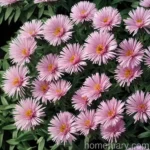
Aster sedifolius ‘Nanus’ is a compact, herbaceous perennial that belongs to the Asteraceae family. It is native to the mountainous regions of Europe, particularly the Alps and Pyrenees. This charming plant is known for its profusion of daisy-like flowers that bloom in late summer and early fall, adding a burst of color to the garden when many other plants are fading. The flowers are typically violet-blue with striking yellow centers, creating a visually appealing display.
Key Takeaways – Aster sedifolius ‘Nanus’ (Rhone Aster)
- Scientific Name: Aster sedifolius ‘Nanus’
- Family: Asteraceae
- Common Name: Rhone Aster
- Type: Herbaceous perennial
- Flowering Period: Late summer to early fall
- Native Habitat: Mountainous regions of Europe
With a rich history and a wide range of uses, Rhone Aster has become a favorite among gardeners, landscape designers, and plant enthusiasts. Let’s explore the specifics of cultivating and caring for this delightful plant.
Culture
Understanding the cultural requirements of any plant is essential for its successful growth and development. Aster sedifolius ‘Nanus’ is no exception. Let’s delve into the cultural aspects of this captivating plant.
Uses
Before we delve into the specific cultural requirements, it’s essential to understand the various uses of Rhone Aster in the garden and landscape. Here are some common uses of Aster sedifolius ‘Nanus’:
- Bedding Plant: Its compact size and beautiful blooms make it an excellent choice for bedding schemes and mixed borders.
- Rock Gardens: Rhone Aster thrives in rock gardens, adding a splash of color and natural beauty.
- Cut Flower: The long stems and eye-catching flowers make Rhone Aster an excellent option for fresh flower arrangements.
- Wildlife Gardens: As an attractive plant for pollinators, Rhone Aster is a valuable addition to wildlife-friendly gardens.
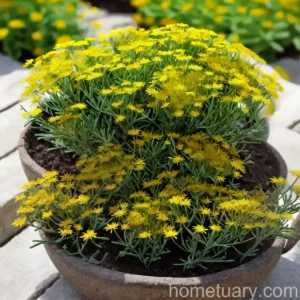
- Container Planting: Due to its compact growth habit, it is well-suited for container gardening, adding color to patios, balconies, and other small spaces.
These are just a few examples of how Rhone Aster can be incorporated into various garden designs and landscapes, showcasing its versatility and appeal.
Water
Proper watering is crucial for the health and vigor of Rhone Aster. Like many plants, it thrives in well-drained soil and requires regular watering, especially during the establishment period and dry spells. However, it is important to avoid waterlogged conditions, as excessive moisture can lead to root rot and other issues. Overall, a balanced approach to watering, ensuring the soil is consistently moist but not saturated, is ideal for Rhone Aster.
Sunlight
Aster sedifolius ‘Nanus’ flourishes in full sun or partial shade. Adequate sunlight is essential for promoting robust flowering and overall plant growth. When planting Rhone Aster, it’s important to select a location that receives at least 6-8 hours of direct sunlight daily. In regions with intense summer heat, providing some afternoon shade can help protect the plant from extreme temperatures.
Fertilizer
While Rhone Aster is not particularly demanding when it comes to fertilization, providing some supplemental nutrients can enhance its performance and flowering capacity. A balanced, all-purpose fertilizer applied in spring as new growth emerges can support healthy growth and abundant blooms. It’s advisable to follow the recommended application rates and avoid excessive fertilization, which may lead to overly lush foliage at the expense of flowers.
Soil
The soil composition plays a significant role in the overall health and growth of Rhone Aster. Well-drained, loamy soil with moderate fertility is ideal for this plant. Incorporating organic matter, such as compost or well-rotted manure, into the soil before planting can improve its structure and nutrient content. Additionally, maintaining a slightly acidic to neutral pH level (6.0-7.0) is beneficial for Rhone Aster’s optimal growth.
Pruning
Routine pruning is essential to maintain the attractive form of Rhone Aster and encourage vigorous blooming. Pruning tasks typically involve deadheading spent flowers to promote continuous blooming, as well as cutting back the stems in late fall or early spring to remove any damaged or overgrown growth. This helps to rejuvenate the plant and promote the development of new, healthy shoots.
Propagation
Aster sedifolius ‘Nanus’ can be propagated through various methods, including division, stem cuttings, and seed propagation. Each method has its advantages and challenges, providing gardeners with options to propagate new plants and expand their Rhone Aster collection.
Division
Dividing established clumps of Rhone Aster every few years not only helps manage the size of the plant but also revitalizes its vigor. Division is typically carried out in early spring, as new growth begins to emerge. The process involves carefully digging up the plant and separating the clumps into smaller sections, ensuring that each division has sufficient roots and shoots. These individual sections can then be replanted in suitable locations with well-prepared soil.
Stem Cuttings
Propagating Rhone Aster from stem cuttings is a reliable method for creating new plants with genetic consistency to the parent plant. It involves taking semi-hardwood or softwood cuttings in the growing season, preparing them correctly, and providing the ideal conditions for rooting. With proper care and attention, these cuttings can develop into vigorous, independent plants, ready to grace the garden with their delightful blooms.
Seed Propagation
Growing Aster sedifolius ‘Nanus’ from seeds offers the opportunity to experience the complete lifecycle of the plant, from germination to flowering. Collecting ripe seeds from the existing plants and sowing them in well-prepared seed-starting mix can yield new seedlings. While this method requires patience and attention to the specific needs of seedlings, it is a rewarding way to propagate Rhone Aster and observe its growth from the earliest stages.
Container Popularity
The compact size and attractive appearance of Rhone Aster make it a popular choice for container gardening. Cultivating this plant in containers offers several advantages, including the ability to move the plant to ideal sunlight conditions, better control over soil quality, and the opportunity to showcase its beauty in different areas of the garden or outdoor space.
Container Common Diseases
While growing in containers can provide a degree of protection against soil-borne diseases, Rhone Aster may still be susceptible to certain common issues that affect container plants. It is important to be vigilant and monitor the plant for signs of disease, addressing any problems promptly to prevent spread and mitigate damage. Some common diseases that may affect Aster sedifolius ‘Nanus’ when grown in containers include:
- Powdery Mildew: This fungal disease can cause a white, powdery coating on the foliage, affecting plant vigor and aesthetics.
Disease diagnosis
Diagnosing diseases in Rhone Aster, whether grown in the ground or in containers, requires keen observation and a basic understanding of common plant ailments. By recognizing the symptoms and signs of diseases, gardeners can take appropriate measures to address the issues and safeguard the health of their plants.
Common Pests
Several pests may target Rhone Aster, posing a threat to its health and vitality. Being aware of these potential pests and their characteristic damage can help gardeners take preventive measures and intervene promptly to protect their plants. Some common pests that may affect Aster sedifolius ‘Nanus’ include:
- Aphids: These small, sap-sucking insects can distort new growth and excrete honeydew, leading to secondary issues such as sooty mold.
- Slugs and Snails: These pests can feed on the foliage and flowers, leaving behind distinctive chew marks and holes.
Botanist’s Tips
Drawing from the expertise of botanists and horticulturists, here are some valuable tips for successfully growing and caring for Rhone Aster:
- Mulching: Applying a layer of organic mulch around the base of the plant helps conserve moisture, suppress weeds, and maintain a consistent soil temperature, benefiting the overall health of Rhone Aster.
- Companion Planting: Pairing Rhone Aster with compatible companion plants, such as ornamental grasses, salvias, and coreopsis, can create visually appealing and ecologically beneficial combinations in the garden.
- Supporting Pollinators: By providing a diverse selection of nectar-rich plants, including Rhone Aster, gardeners can support pollinators such as bees, butterflies, and other beneficial insects, contributing to biodiversity and environmental health.
Fun Facts
- Rhone Aster is a valuable source of nectar for pollinators, attracting bees, butterflies, and other beneficial insects to the garden.
- The specific epithet “sedifolius” refers to the leaves of the plant, which are reminiscent of those of the Sedum genus, known for their fleshy, succulent leaves.
Links to External Resources
To further explore the world of Rhone Aster and gain additional insights into its care, cultivation, and uses, consider exploring the following external resources: