What is Aster novi-belgii ‘Fellowship’ (New York Aster)
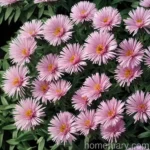
Aster novi-belgii ‘Fellowship’, commonly known as the New York Aster, is a beautiful and resilient flowering perennial that belongs to the Asteraceae family. This stunning plant is a favorite among gardeners and landscape enthusiasts due to its vibrant flowers and easy-care nature.
New York Aster cultivars like ‘Fellowship’ are characterized by their profusion of daisy-like flowers that bloom from late summer through fall, providing a delightful burst of color when many other plants have ceased blooming. These plants are not only aesthetically pleasing but also play a crucial role in supporting local biodiversity, attracting pollinators such as bees and butterflies to the garden.
With its striking appearance and versatile uses, Aster novi-belgii ‘Fellowship’ has garnered a loyal following and continues to be a popular choice for various landscaping and gardening applications.
Key Takeaways – Aster novi-belgii ‘Fellowship’
Before delving into the specifics of caring for Aster novi-belgii ‘Fellowship’, let’s take a quick look at some key takeaways regarding this exceptional plant:
- Botanical Name: Aster novi-belgii ‘Fellowship’
- Common Name: New York Aster
- Plant Type: Perennial
- Flower Color: Varieties available in shades of violet, pink, blue, and white
- Height: Typically grows to a height of 2-4 feet
- Bloom Time: Late summer through fall
- Uses: Suitable for beds, borders, containers, and cut flower arrangements
- Growth Habit: Clump-forming
Now that we’ve established an overview of Aster novi-belgii ‘Fellowship’, it’s time to explore the best practices for cultivating and caring for this captivating plant.
Culture
Cultivating a thriving and visually stunning display of New York Aster involves a combination of suitable cultural practices that cater to the plant’s specific needs. From soil and sunlight requirements to fertilization and pruning techniques, understanding the cultural aspects of Aster novi-belgii ‘Fellowship’ is essential for promoting robust growth and abundant flowering.
Uses
Aster novi-belgii ‘Fellowship’ is a versatile plant that offers a myriad of uses in both garden landscapes and floral arrangements. Whether showcased in garden beds and borders or utilized as cut flowers, the New York Aster’s alluring blooms add a touch of elegance and natural beauty to any setting. Additionally, its attractiveness to pollinators makes it a valuable asset for supporting local ecosystems and biodiversity.
Water
Proper watering is crucial for the health and vitality of Aster novi-belgii ‘Fellowship’. While this plant is relatively tolerant of varying moisture levels, it thrives when provided with consistently moist, well-draining soil. Adequate water uptake is especially important during the initial establishment phase and periods of prolonged drought. Care should be taken to avoid overwatering, as excessively wet soil can lead to root rot and other potential issues.
Sunlight
Ample sunlight is essential for the successful cultivation of Aster novi-belgii ‘Fellowship’. This plant thrives in full sun to partial shade, with a preference for at least 6 hours of direct sunlight per day. Adequate sun exposure promotes robust growth and profuse flowering, resulting in a more vibrant and visually appealing display of blooms.
Fertilizer
To support healthy growth and abundant flowering, it’s beneficial to provide Aster novi-belgii ‘Fellowship’ with a balanced fertilizer application. A general-purpose, slow-release fertilizer can be applied in the spring as new growth emerges, following the manufacturer’s recommended application rates. Additionally, incorporating organic matter into the soil during planting can contribute to the plant’s overall nutrient availability and soil structure.
Soil
New York Aster thrives in well-drained, loamy soil with a slightly acidic to neutral pH range. Good soil structure and adequate drainage are crucial for preventing waterlogged conditions and promoting healthy root development. Amending the soil with organic matter, such as compost, can enhance its fertility and moisture-retention capabilities, creating an optimal growing environment for Aster novi-belgii ‘Fellowship’.
Pruning
Regular pruning and deadheading can help maintain the appearance and vitality of Aster novi-belgii ‘Fellowship’. Deadheading spent flowers not only prolongs the blooming period but also prevents self-seeding, especially in garden settings where controlled spreading is desired. In late fall or early spring, rejuvenation pruning can be performed by cutting back the stems to encourage new growth and maintain a more compact form.
Propagation
Aster novi-belgii ‘Fellowship’ can be propagated through several methods, including division, stem cuttings, and seed propagation. Dividing mature clumps in early spring allows for the creation of new plants, while rooting stem cuttings in a suitable growing medium offers an alternative propagation approach. Additionally, collecting and sowing seeds from mature flower heads can yield new plants with a diverse range of characteristics.
Container Popularity
The compact growth habit and ornamental appeal of Aster novi-belgii ‘Fellowship’ make it well-suited for container gardening. Whether displayed on patios, balconies, or as part of a mixed container arrangement, the New York Aster’s colorful blooms add a charming touch to container gardens. When cultivating this plant in containers, it’s important to select appropriately sized pots with adequate drainage and to provide regular maintenance to support its growth and flowering.
Common Diseases and Disease Diagnosis
While Aster novi-belgii ‘Fellowship’ is known for its resilience, it is susceptible to certain diseases and issues that can impact its overall health and vigor. Being able to identify common diseases and promptly address them is crucial for mitigating potential damage and preserving the plant’s vitality.
Common Diseases
- Powdery Mildew: A fungal disease that appears as a white, powdery coating on the leaves, stems, and flowers of Aster novi-belgii ‘Fellowship’. It can hinder photosynthesis and weaken the plant’s overall health if left unmanaged.
- Leaf Spot: Characterized by the development of dark spots on the leaves, leaf spot diseases can be caused by various fungi and bacteria. These spots may expand and coalesce, leading to significant leaf damage if not addressed.
- Root Rot: Excessive soil moisture can result in root rot, a condition caused by various fungal pathogens that attack the plant’s roots, leading to wilting, yellowing foliage, and overall decline.
Disease Diagnosis
Early detection and accurate diagnosis of diseases affecting Aster novi-belgii ‘Fellowship’ are key to implementing effective control measures. Close inspection of the plant’s foliage, stems, and overall growth can help identify symptoms indicative of specific diseases. Consulting with a local extension service or plant health specialist can provide valuable insight into disease diagnosis and management tailored to the specific region and environmental conditions.
Common Pests
In addition to diseases, Aster novi-belgii ‘Fellowship’ may also encounter various pests that can impact its growth and flowering. Vigilance and timely intervention are essential for mitigating the potential damage caused by common pests and protecting the plant’s overall well-being.
Common Pests
- Aphids: These small, soft-bodied insects can cluster on the tender new growth of Aster novi-belgii ‘Fellowship’, causing distortion and discoloration of leaves as they feed on plant sap.
- Spider Mites: Infestations of spider mites can lead to the development of fine webbing on the plant, along with stippling and yellowing of the foliage, ultimately weakening the plant’s health.
- Slugs and Snails: These mollusks can feed on the leaves and stems of Aster novi-belgii ‘Fellowship’, leaving behind characteristic holes and damage, particularly in periods of high moisture.
Botanist’s Tips
As a plant scientist with a passion for Aster novi-belgii ‘Fellowship’, I’ve accumulated a wealth of knowledge and practical insights that can aid both novice and experienced gardeners in successfully cultivating and caring for this remarkable plant. Here are some valuable botanist’s tips for optimal New York Aster gardening:
- Companion Planting: Pair Aster novi-belgii ‘Fellowship’ with complementary companion plants, such as ornamental grasses, sedums, and other late-blooming perennials, to create visually appealing and ecologically beneficial garden combinations.
- Regular Monitoring: Routinely monitor the plant for signs of disease, pest infestations, and overall growth to address potential issues early and maintain the plant’s well-being.
- Mulching: Apply a layer of organic mulch around the base of Aster novi-belgii ‘Fellowship’ to conserve soil moisture, suppress weed growth, and provide insulation during temperature fluctuations.
- Wildlife Encouragement: Embrace the role of New York Aster in supporting wildlife by creating a hospitable garden environment for pollinators, birds, and other beneficial creatures through thoughtful plant selections and sustainable gardening practices.
Fun Facts
Beyond its captivating beauty and horticultural significance, Aster novi-belgii ‘Fellowship’ boasts an array of intriguing characteristics that add to its allure and appeal. Here are some fun facts about this delightful plant to pique your curiosity:
- Native Range: Aster novi-belgii is native to North America, where it can be found in a range of habitats, from open woodlands to grasslands and meadows.
- Historical Significance: New York Aster has a rich history, with indigenous peoples and early settlers utilizing various parts of the plant for medicinal and practical purposes.
- Wildlife Attraction: The vibrant blooms of Aster novi-belgii ‘Fellowship’ attract an array of pollinators, including bees, butterflies, and hoverflies, enhancing the ecological value of garden landscapes.
Now that we’ve explored the cultural, diagnostic, and practical aspects of growing and caring for Aster novi-belgii ‘Fellowship’, it’s essential to provide access to external resources for further information and guidance on New York Aster cultivation.
Links to External Resources
For comprehensive guidance and additional insights into the cultivation and care of Aster novi-belgii ‘Fellowship’, the following external resources offer valuable information and expert recommendations:
- The American Horticultural Society: New York Aster
- Royal Horticultural Society: Asters
- University of Maryland Extension: Growing Asters
- Missouri Botanical Garden: Aster novi-belgii
By exploring the wealth of knowledge offered by these reputable sources, gardeners and plant enthusiasts can expand their understanding of Aster novi-belgii ‘Fellowship’ and harness essential insights to elevate their gardening endeavors.
In conclusion, Aster novi-belgii ‘Fellowship’, or the New York Aster, stands as a captivating and resilient perennial plant celebrated for its vibrant blooms and ecological significance. From its cultural requirements and disease management to its wildlife attraction and historical significance, this remarkable plant continues to enchant and inspire individuals who appreciate the natural beauty and value of well-tended garden landscapes.
As we embrace the art and science of gardening, the journey of caring for Aster novi-belgii ‘Fellowship’ offers not only a visual spectacle of blossoms but also a deeper connection to the intricate tapestry of nature’s wonders. With a blend of knowledge, creativity, and stewardship, the cultivation of New York Aster becomes a harmonious partnership with the living world, enriching our lives and the environment in which we dwell.