Abutilon ‘Lucky Lantern Red’ (Flowering Maple)
Plants offer a myriad of colors, shapes, and sizes, enhancing the visual appeal and natural biodiversity of our surroundings. Among these, Abutilon ‘Lucky.
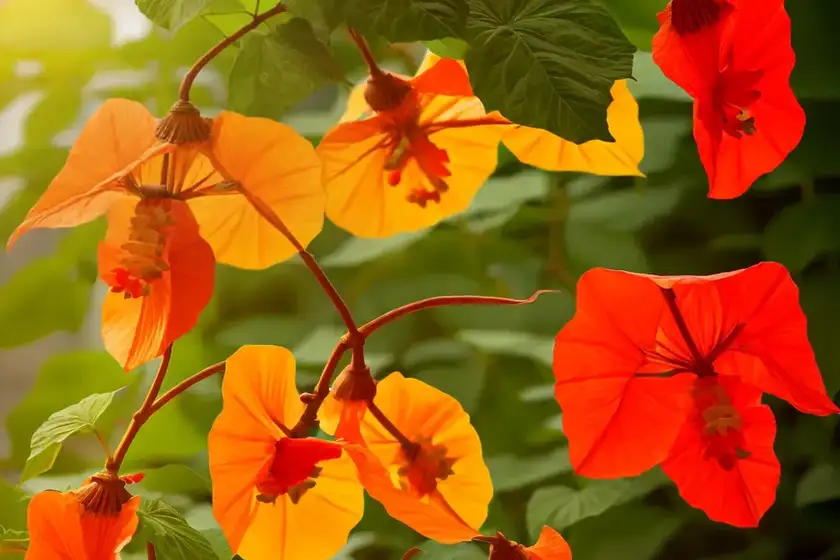
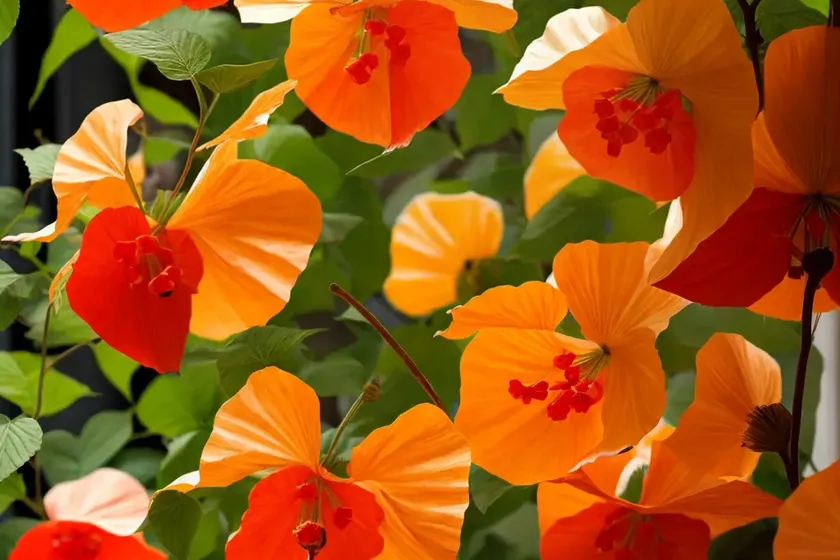
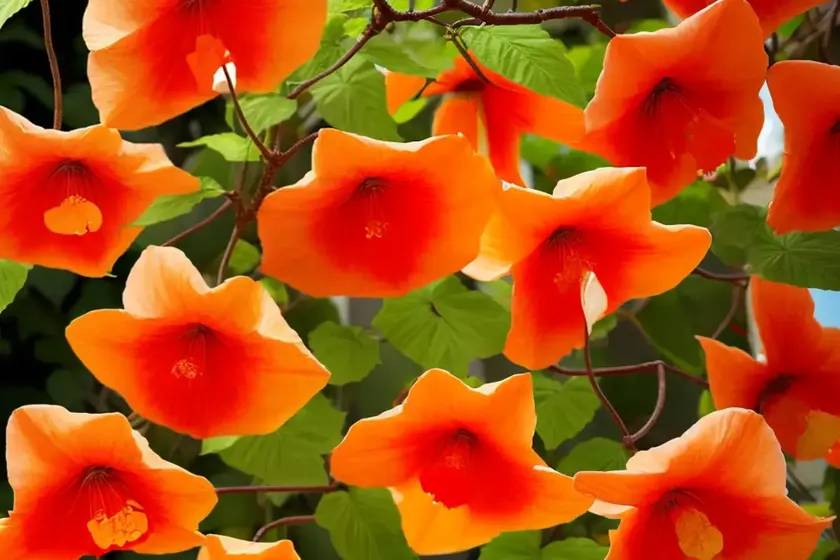
Plants offer a myriad of colors, shapes, and sizes, enhancing the visual appeal and natural biodiversity of our surroundings. Among these, Abutilon ‘Lucky Lantern Red’, also known as Flowering Maple, is a fascinating addition to any garden or indoor space. This vibrant and versatile plant showcases striking red flowers that capture the attention of all admirers. In this comprehensive guide, I will delve into the world of Abutilon ‘Lucky Lantern Red’, exploring its cultivation, unique characteristics, propagation techniques, care requirements, and much more.
What is Abutilon ‘Lucky Lantern Red’ (Flowering Maple)?
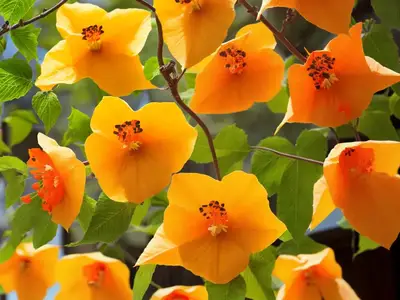
Abutilon ‘Lucky Lantern Red’, a member of the Malvaceae family, is a bushy, evergreen shrub that produces bell-shaped red flowers, resembling those of the maple tree. Originating from the regions of Brazil, the plant is well-loved for its ornamental value and the ability to thrive in both outdoor gardens and indoor settings.
Key Takeaways – Abutilon ‘Lucky Lantern Red’ (Flowering Maple)
As we venture deeper into the world of Abutilon ‘Lucky Lantern Red’, it’s essential to highlight some key takeaways that will be explored extensively in this guide:
-
Plant Name: Abutilon ‘Lucky Lantern Red’ (Flowering Maple)
-
Botanical Name: Abutilon ‘Lucky Lantern Red’
Now, let’s explore the various aspects of this captivating plant in detail.
Culture
Uses
Abutilon ‘Lucky Lantern Red’ serves numerous purposes beyond its stunning visual appeal. Common uses of this plant include:
-
Ornamental Purposes: The striking red flowers and attractive foliage make ‘Lucky Lantern Red’ an ideal choice for ornamental plantings in gardens, courtyards, and other outdoor spaces. The plant is known to add an eye-catching pop of color to its surroundings.
-
Indoor Decoration: ‘Lucky Lantern Red’ also thrives indoors, where its bright blooms can liven up living spaces, offices, and indoor gardens.
-
Pollinator Attraction: The flowers of Abutilon ‘Lucky Lantern Red’ act as a magnet for pollinators, such as bees and butterflies, contributing to ecosystem biodiversity.
-
Medicinal Uses: In some traditional practices, certain parts of the Abutilon plant are utilized for their potential medicinal properties. However, it’s crucial to consult a healthcare professional before using the plant for medicinal purposes.
Water
An essential aspect of caring for Abutilon ‘Lucky Lantern Red’ is providing the appropriate water regimen. The plant generally thrives in moderately moist soil but can tolerate short periods of drought once established. Here are some key points to consider regarding watering:
-
Regular Watering: During the growing season, ensure that the plant receives consistent watering, keeping the soil evenly moist.
-
Avoid Waterlogged Soil: Although the plant prefers moist conditions, it’s crucial to prevent waterlogging, which can lead to root rot. Ensure that the soil has adequate drainage to prevent water accumulation.
-
Adjusting Watering in Winter: In colder months, reduce the frequency of watering to prevent waterlogged soil, as the plant’s water requirements decrease during this period.
Sunlight
Proper exposure to sunlight is vital for the healthy growth and blooming of Abutilon ‘Lucky Lantern Red’. Consider the following points related to sunlight requirements:
-
Partial Sun to Partial Shade: ‘Lucky Lantern Red’ thrives in locations that receive partial sun to partial shade, where it can benefit from a few hours of direct sunlight balanced with partial shade during the day.
-
Indoor Placement: When grown indoors, place the plant in a location that receives bright, indirect light, such as near a south- or west-facing window.
-
Outdoor Considerations: In outdoor settings, choose a spot with dappled sunlight or partial shade to provide the plant with an optimal environment for growth and flowering.
Fertilizer
To support the healthy development and blooming of Abutilon ‘Lucky Lantern Red’, a well-balanced fertilizer regimen is essential. Consider the following fertilization guidelines:
-
Fertilizer Type: Utilize a balanced, all-purpose fertilizer for Abutilon ‘Lucky Lantern Red’. Look for a fertilizer with a balanced N-P-K (nitrogen, phosphorus, and potassium) ratio.
-
Frequency: During the active growing season, apply a diluted fertilizer every 4-6 weeks to provide the plant with essential nutrients.
-
Reduced Fertilization in Winter: In the plant’s dormant period, reduce or cease fertilization, as the plant’s metabolic processes slow down during this time.
-
Application Method: Carefully follow the instructions on the fertilizer packaging regarding dilution ratios and application methods to avoid over-fertilizing the plant.
Soil
The choice of soil and its quality significantly influences the growth and overall health of Abutilon ‘Lucky Lantern Red’. Consider the following soil-related recommendations:
-
Well-Draining Soil: The plant thrives in well-draining soil that retains moisture without becoming waterlogged. A well-balanced mix of organic matter, such as compost or peat, can enhance the soil’s drainage capabilities.
-
pH Levels: Aim for a slightly acidic to neutral soil pH level, ideally ranging between 6.0 and 7.0, to provide an optimal growing environment for the plant.
-
Container Considerations: When growing Abutilon ‘Lucky Lantern Red’ in containers, ensure that the potting mix is well-draining to prevent water accumulation around the roots.
Pruning
Pruning plays a vital role in maintaining the shape, vigor, and flowering potential of Abutilon ‘Lucky Lantern Red’. Consider the following pruning guidelines:
-
Regular Deadheading: To promote continuous flowering, regularly remove spent or fading flowers from the plant. Deadheading redirects the plant’s energy towards producing new blooms.
-
Selective Pruning: Periodically prune the plant to eliminate dead, damaged, or overgrown branches. This helps maintain a compact and attractive growth habit.
-
Pruning Timing: The ideal time for major pruning of ‘Lucky Lantern Red’ is during early spring, before the plant enters its active growing phase.
-
Pruning Tools: Use clean and sharp pruning tools to make precise cuts, minimizing the risk of damage to the plant.
Propagation
For those looking to expand their collection of Abutilon ‘Lucky Lantern Red’ or share this fascinating plant with others, propagation methods offer the means to do so. Consider the following propagation techniques:
-
Seed Propagation: Although feasible, seed propagation of Abutilon ‘Lucky Lantern Red’ can be challenging due to variations in germination rates and potential hybridization issues.
-
Stem Cuttings: Propagation through stem cuttings is a reliable and commonly employed method for ‘Lucky Lantern Red’. Select healthy, non-flowering stems for best results.
-
Root Division: Mature Abutilon plants can also be propagated via division, which involves carefully separating the root mass to create new plantings.
-
Propagation Environment: Provide adequate warmth and humidity, along with well-draining, sterile growing medium, to enhance the success rate of propagated cuttings.
Container Popularity
Abutilon ‘Lucky Lantern Red’ exhibits a high level of adaptability to container cultivation, making it a popular choice for indoor and outdoor container gardening. The plant’s striking flowers and compact growth habit add visual interest to container displays. Here are some key considerations for growing Abutilon ‘Lucky Lantern Red’ in containers:
-
Container Size: Choose a container that accommodates the plant’s root system while allowing room for growth. A pot with drainage holes is essential for proper moisture management.
-
Well-Draining Potting Mix: Utilize a high-quality, well-draining potting mix to provide the plant with a healthy growing medium within the container.
-
Indoor Placement: When growing ‘Lucky Lantern Red’ indoors, place the container in a location that receives bright, indirect light to support the plant’s growth and flowering.
-
Outdoor Considerations: When situated outdoors, ensure that the container receives sufficient sunlight balanced with partial shade to promote healthy growth and blooming.
Common Diseases
While Abutilon ‘Lucky Lantern Red’ is relatively resilient, it can be susceptible to certain diseases. Recognizing the symptoms and taking appropriate measures is crucial for maintaining the plant’s health. Common diseases that may affect Abutilon ‘Lucky Lantern Red’ include:
-
Powdery Mildew: Characterized by a powdery, white growth on the plant’s leaves and stems, powdery mildew can impact the overall vigor of ‘Lucky Lantern Red’. Adequate air circulation and fungicidal treatments can help manage this issue.
-
Root Rot: Overly wet and poorly-draining soil can lead to root rot, causing the plant to exhibit wilting, yellowing leaves, and overall decline. Adjust watering practices and improve soil drainage to prevent this condition.
-
Leaf Spot: Leaf spot diseases can manifest as dark, water-soaked lesions on the plant’s foliage. Maintain good sanitation practices and consider fungicidal treatments to manage leaf spot issues.
Disease Diagnosis
Diagnosing potential diseases affecting Abutilon ‘Lucky Lantern Red’ involves careful observation and, if necessary, seeking assistance from plant health professionals. When inspecting the plant for disease symptoms, consider the following steps:
-
Symptom Observation: Pay close attention to any unusual changes in the plant’s foliage, flowers, or overall growth habit. Look for signs of discoloration, abnormal growth, or spots on the leaves.
-
Environmental Assessment: Evaluate environmental factors such as watering practices, sunlight exposure, and humidity levels that may contribute to the development of potential diseases.
-
Professional Consultation: If unsure about a particular symptom or disease, consider consulting a plant health specialist or local extension service for accurate diagnosis and guidance on appropriate treatments.
Common Pests
While generally resilient, Abutilon ‘Lucky Lantern Red’ may occasionally encounter pest infestations that can impact its health and appearance. Common pests known to affect this plant include:
-
Aphids: These small, soft-bodied insects feed on the plant’s sap, potentially causing leaf curling and overall decline. Insecticidal soaps or horticultural oils can help manage aphid populations.
-
Spider Mites: Spider mites are tiny pests that can create webbing on the plant and cause stippling on the leaves. Regular misting and the application of miticides can aid in combating spider mite infestations.
-
Whiteflies: Whiteflies are small, flying insects that congregate on the undersides of leaves, where they feed and lay eggs. Effective pest management strategies include introducing beneficial insects and using insecticidal treatments.
Botanist’s Tips
As a plant scientist, here are some key tips and recommendations to ensure the optimal care and cultivation of Abutilon ‘Lucky Lantern Red’:
-
Assess Environmental Factors: Regularly assess the plant’s growing environment, including temperature, humidity, and sunlight exposure, to ensure that it aligns with the plant’s requirements.
-
Pruning and Maintenance: Implement a regular pruning and maintenance schedule to promote the plant’s health and aesthetic appeal. This includes deadheading spent blooms, removing dead or damaged foliage, and maintaining a tidy growth habit.
-
Integrated Pest Management: Embrace an integrated approach to pest management, encompassing cultural, mechanical, and biological control methods before resorting to chemical treatments.
-
Monitoring and Observation: Regularly monitor the plant for any signs of stress, disease, or pest activity, allowing for timely intervention and care adjustments where needed.
-
Soil and Water Management: Maintain a balanced approach to soil moisture and fertility, avoiding extremes in watering and fertilization to support the plant’s overall well-being.
Fun Facts
-
Abutilon ‘Lucky Lantern Red’ is known for attracting pollinators such as bees and butterflies, contributing to the ecological diversity of gardens and outdoor spaces.
-
The plant’s bell-shaped red flowers somewhat resemble those of maple trees, hence the common reference to Flowering Maple as one of its common names.
-
In certain cultures, Abutilon plants have been associated with various symbolic meanings, including good fortune, resilience, and natural beauty.
Now that we’ve explored the diverse aspects of Abutilon ‘Lucky Lantern Red’, including its care requirements, unique characteristics, and cultivation techniques, I hope this comprehensive guide serves as a valuable resource for enthusiasts and cultivators alike. By incorporating the recommended practices and insights provided here, you can embark on a fulfilling journey of nurturing and enjoying the captivating beauty of Abutilon ‘Lucky Lantern Red’ in your own botanical haven.
Links to External Resources
For further exploration and in-depth information on Abutilon ‘Lucky Lantern Red’, I recommend perusing the following resources:
- Royal Horticultural Society – Abutilon Information
- University of Florida IFAS Extension – Abutilon Production Guide
These external resources offer valuable insights, research-based guidelines, and expert perspectives that can enrich your understanding of Abutilon ‘Lucky Lantern Red’ and its cultivation.
Whether you’re a seasoned plant enthusiast or a budding gardener seeking to broaden your horticultural horizons, the world of Abutilon ‘Lucky Lantern Red’ awaits, offering a tapestry of beauty, grace, and natural wonder that continues to inspire and captivate us through each vibrant blossom and flourishing leaf.