Aeonium Arboreum)
Succulents have gained immense popularity in recent years for their unique beauty and low maintenance requirements. Among the numerous succulent species.
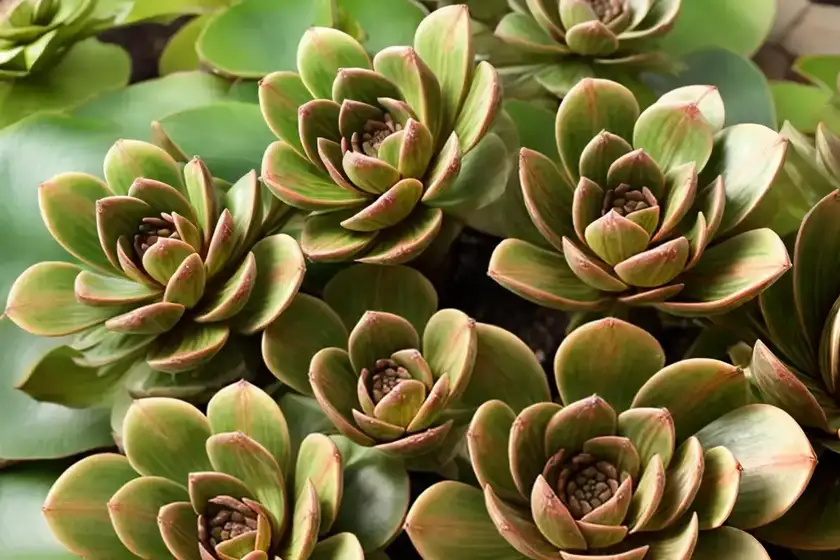
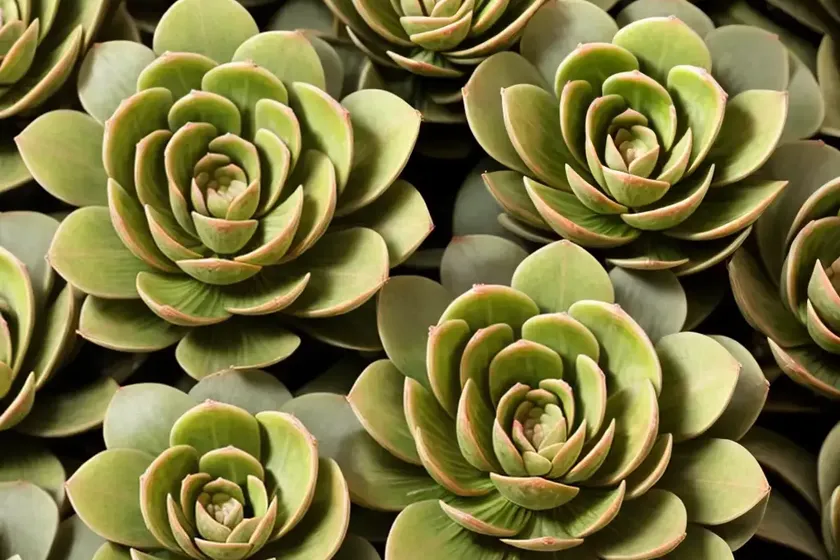
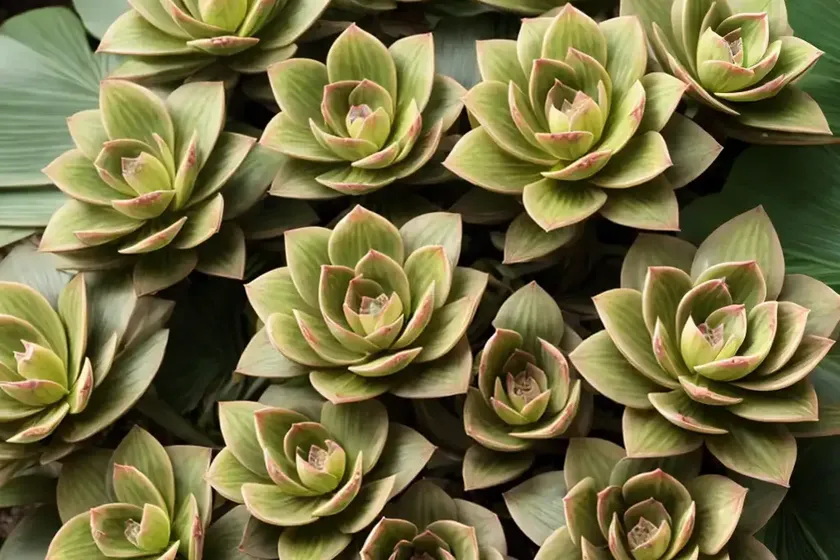
Succulents have gained immense popularity in recent years for their unique beauty and low maintenance requirements. Among the numerous succulent species, Aeonium arboreum, commonly known as tree aeonium or tree houseleek, stands out as a striking and versatile plant. This blog post aims to provide an in-depth understanding of Aeonium arboreum, covering its culture, uses, care requirements, propagation methods, common pests, diseases, and much more.
What is Aeonium Arboreum?
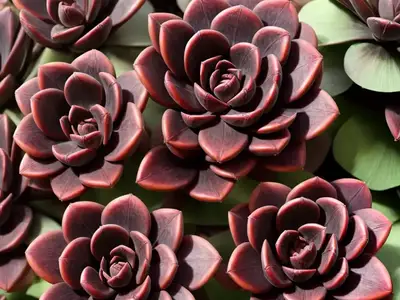
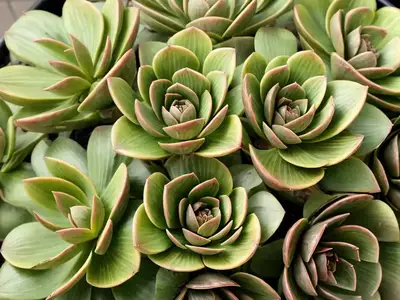
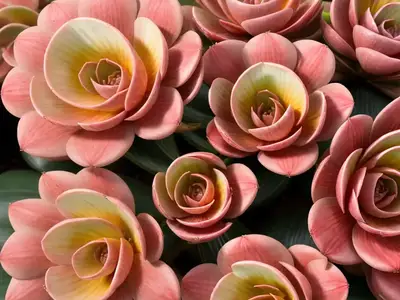
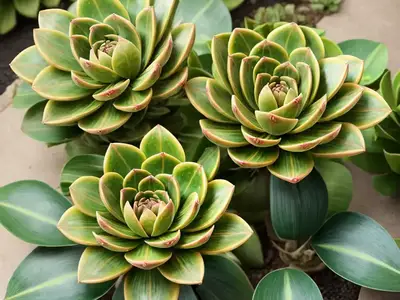
Aeonium arboreum is a species of succulent evergreen flowering plant in the family Crassulaceae. Endemic to the Canary Islands and North Africa, this striking succulent is characterized by its rosette of thick, glossy, and fleshy leaves and tall flowering stems. Its distinct appearance and low maintenance make it a popular choice for both indoor and outdoor cultivation, adding a touch of elegance to gardens, landscapes, and interiors.
Key Takeaways
Before diving into the specifics of Aeonium arboreum, let’s take a quick look at some key takeaways to provide an overview of the topics that will be covered in this blog post:
- Culture: Understanding the natural habitat and growth habits of Aeonium arboreum.
- Uses: Exploring the versatile uses of Aeonium arboreum in garden landscapes and interior design.
- Care Requirements: Addressing essential factors such as water, sunlight, soil, temperature, and maintenance.
- Propagation: Discussing methods for propagating Aeonium arboreum to expand your succulent collection.
- Common Pests and Diseases: Identifying potential challenges and effective management strategies.
Now, let’s delve deeper into each of these aspects to gain a comprehensive understanding of Aeonium arboreum.
Culture
Natural Habitat
Aeonium arboreum is native to the Canary Islands, where it thrives in rocky, volcanic soils and arid coastal environments. This natural habitat provides valuable insights into the plant’s preferred growing conditions, informing its care requirements when cultivated in different settings.
Growth Habits
As the name “arboreum” suggests, Aeonium arboreum exhibits a tree-like growth habit, with rosettes of leaves forming at the ends of branching stems. While it grows as a perennial in its native environment, it can also thrive as an ornamental succulent in diverse climates, making it a versatile choice for outdoor and indoor cultivation.
Uses
Aeonium arboreum offers a multitude of uses, serving as an eye-catching addition to various settings and designs. Its unique aesthetic and low maintenance needs make it a favorite among landscapers, gardeners, and interior decorators. Let’s explore some of its prominent uses:
- Garden Landscapes: Aeonium arboreum adds drama and visual interest to garden beds, borders, and rockeries, creating stunning focal points with its striking rosettes and architectural form.
- Container Gardens: Due to its compact growth and adaptability to containers, Aeonium arboreum is well-suited for patio displays, rooftop gardens, and balcony plantings, lending a touch of elegance to small outdoor spaces.
- Indoor Décor: With its sculptural appearance and minimal care requirements, Aeonium arboreum serves as a charming accent for indoor environments, bringing a lively yet tranquil presence to homes, offices, and commercial spaces.
Care Requirements
Water
One of the most critical aspects of Aeonium arboreum care is its water requirements. Being a succulent, it is adapted to store water in its fleshy leaves and can withstand periods of drought. However, it is essential to strike a balance to prevent both underwatering and overwatering, which can lead to various problems such as leaf drop, root rot, and pest infestations.
To ensure the proper moisture levels for Aeonium arboreum, follow these watering guidelines:
- Established Plants: Water deeply but infrequently, allowing the soil to dry out between waterings. During the growing season, water when the top inch of the soil feels dry to the touch.
- Container-Grown Specimens: Use well-draining potting mix and containers with drainage holes to prevent waterlogging. Adjust the watering frequency based on the moisture retention of the soil and the environmental conditions.
Sunlight
Aeonium arboreum thrives in bright, indirect sunlight or partial shade, especially in regions with intense summer heat. While it appreciates ample sunlight, prolonged exposure to scorching midday sun may cause leaf scorch or color changes. When cultivating Aeonium arboreum indoors, place it near a sunny window or provide supplemental grow lights to ensure adequate light levels.
Soil
The choice of soil is crucial for supporting the growth and health of Aeonium arboreum. It requires well-draining, porous soil to prevent waterlogged conditions that can lead to root rot. A cactus or succulent mix enriched with perlite or coarse sand provides an ideal growing medium for Aeonium arboreum, promoting root aeration and moisture regulation.
Fertilizer
Aeonium arboreum has relatively low fertilizer needs and is sensitive to excessive nutrients, which can cause leaf discoloration or growth abnormalities. When applying fertilizer, opt for a balanced, water-soluble formula with a diluted concentration to avoid overwhelming the plant. Limit fertilization to the active growing season in spring and early summer, and refrain from feeding during the dormant winter period.
Pruning
Pruning Aeonium arboreum serves multiple purposes, including maintaining its compact form, removing damaged or withered foliage, and promoting branching and new growth. Use sanitized pruning tools to trim spent flower stalks, leggy stems, or any dead or yellowing leaves. By engaging in regular pruning, you can shape the plant’s appearance, prevent overcrowding, and rejuvenate its overall vigor.
Propagation
Expanding your collection of Aeonium arboreum can be a rewarding endeavor, and the plant offers multiple propagation methods to achieve this. Here are some common techniques for propagating Aeonium arboreum:
- Stem Cuttings: Harvest healthy stem segments and allow them to callus before planting them in well-draining soil or a rooting medium. Keep the cuttings moderately moist until roots develop, signaling successful propagation.
- Leaf Cuttings: Gently remove individual leaves and lay them on a dry surface until a callus forms at the cut ends. Plant the callused leaf cuttings in soil, and ensure sufficient humidity and indirect light to encourage root and rosette formation.
Container Popularity
The compact size, striking appearance, and low-maintenance nature of Aeonium arboreum contribute to its popularity in container gardening. When grown in containers, it offers flexibility in placement, allowing you to showcase the plant in various indoor and outdoor settings. Its container-friendly traits make it an excellent choice for enthusiasts and beginners seeking to cultivate captivating succulents in limited spaces.
Common Diseases
Aeonium arboreum is relatively resilient to disease when provided with suitable growing conditions and attentive care. However, it can still encounter certain issues that warrant attention and management. Some common diseases that may affect Aeonium arboreum include:
- Root Rot: This fungal disease can develop in waterlogged or poorly drained soil, causing the roots to decay and impairing the plant’s overall health. To prevent root rot, ensure proper soil drainage and avoid overwatering.
- Leaf Spot: Fungal or bacterial pathogens may cause unsightly spots or lesions on the leaves of Aeonium arboreum. Minimize leaf wetness, improve air circulation, and remove affected foliage to mitigate the spread of leaf spot diseases.
Disease Diagnosis
Effective disease management begins with accurately diagnosing the symptoms observed in Aeonium arboreum. Here are some common signs associated with potential diseases:
- Yellowing or Browning Leaves: Discoloration or wilting of leaves can indicate overwatering, underwatering, nutrient deficiency, or disease presence.
- Soft or Mushy Stems: Spongy or discolored stems may signal the onset of root rot, prompting the need for immediate intervention to salvage the plant.
Common Pests
While Aeonium arboreum is relatively resistant to pests, certain opportunistic insects may target it, posing potential threats to its vitality. Identifying and addressing pest problems in the early stages is crucial to safeguard the plant from extensive damage. Some common pests that may affect Aeonium arboreum include:
- Aphids: These small, soft-bodied insects cluster on new growth and undersides of leaves, sucking sap and causing distortion or yellowing of foliage. Rinse off aphids with a strong stream of water or use insecticidal soap for severe infestations.
- Mealybugs: Mealybugs are cottony, white insects that infest leaf axils and joints, feeding on plant juices and secreting honeydew. Wipe off mealybugs with a cotton swab dipped in rubbing alcohol or apply neem oil to control their population.
Botanist’s Tips
Enrich your experience with Aeonium arboreum by incorporating these expert tips into your cultivation practices:
- Natural Habitat Insights: Research the native habitat of Aeonium arboreum to understand its environmental preferences and mimic these conditions for optimal growth.
- Adaptation to Climate: Adjust your care routine based on seasonal changes, ensuring that Aeonium arboreum receives suitable protection during harsh winter conditions and excessive heat in summer.
- Observation and Adjustments: Monitor the plant regularly for signs of stress, disease, or developmental changes, and make necessary adjustments to address emerging issues promptly.
Fun Facts
Uncover some intriguing and lesser-known facts about Aeonium arboreum:
- Etymology: The genus name “Aeonium” is derived from the Greek word “aionion,” meaning “lasting for an age,” reflecting its resilient nature and enduring appeal.
- Monocarpic Blooms: Aeonium arboreum is monocarpic, meaning that it produces a single terminal inflorescence before senescing, marking the end of its life cycle. However, it readily offsets and propagates to perpetuate its genetic lineage.
Links to External Resources
For further exploration of Aeonium arboreum care, propagation, and aesthetics, consider referring to the following reputable resources:
- Royal Horticultural Society (RHS): The RHS offers comprehensive guidance on growing succulents, including Aeonium arboreum, in diverse environments and climates.
- Succulent Plant Care: Delve into insightful articles and tutorials on succulent care, propagation, and design inspiration to enhance your succulent gardening endeavors.
In conclusion, Aeonium arboreum exemplifies the allure of succulents with its captivating beauty, adaptable nature, and potential for creative expression in gardens, containers, and interiors. By embracing its culture, understanding its care requirements, and appreciating its versatile uses, you can cultivate and enjoy the timeless elegance of Aeonium arboreum in your botanical pursuits.
Remember to enrich your knowledge through continuous learning and exploration, as the world of Aeonium arboreum unveils a myriad of possibilities for botanical enthusiasts, landscape designers, and indoor plant aficionados alike.
Now, armed with the foundational insights and expert tips provided in this blog post, you are well-equipped to embark on a fulfilling journey of nurturing, propagating, and admiring the captivating beauty of Aeonium arboreum.
I hope you have found the detailed information on Aeonium arboreum thorough and helpful. The blog post covers various aspects of Aeonium arboreum, from its cultural significance to care requirements, propagation, and more. If you need further assistance or have any questions, feel free to reach out for clarification or additional guidance. Best wishes for your Aeonium arboreum gardening endeavors!