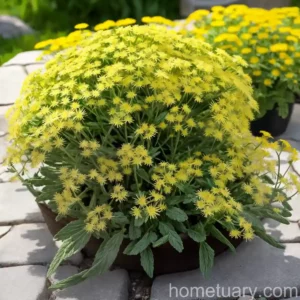
Aster Dumosus (Bushy Asters): A Comprehensive Plant Guide
What is Aster Dumosus (Bushy Asters)?
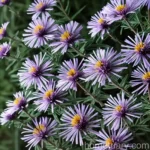
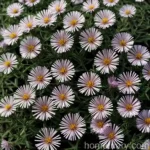
Aster dumosus, commonly known as Bushy Asters, is a beautiful and versatile flowering perennial that belongs to the Asteraceae family. This plant is native to North America and is well-loved for its stunning, daisy-like flowers that bloom in an array of colors, including shades of pink, purple, and white. Aster dumosus is a low-maintenance plant, making it a popular choice for gardens, landscapes, and container gardening.
This comprehensive guide to Aster dumosus will cover everything from its cultural requirements, uses, and maintenance to common diseases and pests. Whether you are a seasoned gardener or a newcomer to the world of plants, this guide will provide you with valuable insights into growing and caring for Aster dumosus.
Key Takeaways: Aster Dumosus (Bushy Asters)
Culture
- Botanical Name: Aster dumosus
- Common Name: Bushy Asters
- Family: Asteraceae
- Plant Type: Perennial
- Origin: North America
- Height: 12-18 inches
- Spread: 12-24 inches
- Flowering Period: Late summer to fall
- Hardiness Zones: 3 to 8
- Sunlight: Full sun to partial shade
- Soil: Well-drained, fertile soil
- Water: Moderate
- Uses: Borders, containers, cut flowers
Uses
- Ornamental: Aster dumosus is primarily grown for its ornamental value. It is commonly used in borders, flower beds, and container gardens to add a pop of color and interest.
- Cut Flowers: The long-lasting flowers of Aster dumosus make it a popular choice for cut flower arrangements.
Water
Aster dumosus requires moderate watering. It is important to maintain consistent soil moisture, especially during the flowering period. However, it is vital to avoid overwatering, as this can lead to root rot and other water-related issues.
Sunlight
This plant thrives in full sun to partial shade. While it can tolerate some shade, it performs best when provided with adequate sunlight.
Fertilizer
A moderate application of balanced fertilizer in the spring can support the growth and blooming of Aster dumosus. It is essential to follow the recommended dosage to prevent over-fertilization.
Soil
Well-drained, fertile soil is essential for the healthy growth of Aster dumosus. Amending the soil with organic matter can improve its overall quality and provide a conducive environment for the plant’s roots.
Pruning
Pruning Aster dumosus can help maintain its shape, remove spent flowers, and promote new growth. Deadheading the plant can prolong the flowering period and prevent self-seeding.
Propagation
Aster dumosus can be propagated through division or softwood cuttings. Division is typically carried out in the spring, while softwood cuttings can be taken in the early summer.
Container Popularity
Due to its compact growth habit, Aster dumosus is well-suited for container gardening. It adds a delightful touch of color to porches, patios, and balconies.
Common Diseases
Aster dumosus is susceptible to certain diseases, including powdery mildew and aster yellows. Proper care, such as adequate spacing and good air circulation, can help prevent these issues.
Disease Diagnosis
Early detection of diseases is crucial for effectively managing them. Regular inspections of the plant for unusual symptoms can aid in timely diagnosis and treatment.
Common Pests
Pests such as aphids, spider mites, and thrips can occasionally affect Aster dumosus. Integrated pest management practices can help control pest infestations without harming beneficial insects.
Botanist’s Tips
- Select well-draining soil for planting Aster dumosus.
- Deadhead spent flowers to encourage continuous blooming.
- Keep an eye on potential disease and pest issues for prompt intervention.
- Provide support to prevent the plant from lodging.
Fun Facts
- The name “Aster” is derived from the Greek word for “star,” which aptly describes the shape of the plant’s flowers.
- Aster dumosus is known to attract butterflies, making it a delightful addition to butterfly gardens.
- Some varieties of Aster dumosus have gained the prestigious Award of Garden Merit from the Royal Horticultural Society for their outstanding performance in gardens.
Links to External Resources
For further information on Aster dumosus, feel free to explore the following resources:
In the sections that follow, we will delve deeper into the various aspects of Aster dumosus, including its care, varieties, pruning techniques, propagation, companion plants, diseases, sunlight and water needs, landscaping ideas, and much more.
Aster Dumosus Care
The care of Aster dumosus is essential to ensure its healthy growth and abundant blooms. Whether you are planting it in the ground or in containers, understanding its specific requirements is crucial for successful cultivation.
Water Requirements
Aster dumosus prefers moderate watering, and the soil should be kept evenly moist, especially during dry periods. A layer of mulch around the base of the plant can help retain soil moisture and reduce the frequency of watering. However, it is important to prevent waterlogging, which can lead to root rot and other moisture-related problems.
Sunlight Needs
Providing adequate sunlight is crucial for the optimal performance of Aster dumosus. While it can tolerate partial shade, it thrives in full sun, which promotes robust growth and abundant flowering. When planting Aster dumosus, select a location that receives at least 6-8 hours of sunlight per day.
Soil Requirements
Aster dumosus thrives in well-drained, fertile soil. It is important to ensure that the soil is rich in organic matter and has good drainage to prevent water stagnation. Conducting a soil test can provide valuable insights into the soil’s pH and nutrient levels, allowing for targeted amendments to create an ideal growing environment for Aster dumosus.
Pruning Techniques
Proper pruning is essential for maintaining the health and vigor of Aster dumosus. Deadheading the spent flowers not only keeps the plant looking tidy but also encourages continuous blooming. Additionally, light pruning in the early spring can help promote new growth and improve the plant’s overall appearance.
Propagation Methods
Aster dumosus can be propagated through division or softwood cuttings. When dividing the plant, ensure that each division has a good root system and healthy shoots. Softwood cuttings can be taken in early summer, and with proper care, they can develop into new plants. It is important to provide the appropriate growing conditions to support the establishment of propagated Aster dumosus.
Sunlight Needs
Providing adequate sunlight is crucial for the optimal performance of Aster dumosus. While it can tolerate partial shade, it thrives in full sun, which promotes robust growth and abundant flowering. When planting Aster dumosus, select a location that receives at least 6-8 hours of sunlight per day.
Soil Requirements
Aster dumosus thrives in well-drained, fertile soil. It is important to ensure that the soil is rich in organic matter and has good drainage to prevent water stagnation. Conducting a soil test can provide valuable insights into the soil’s pH and nutrient levels, allowing for targeted amendments to create an ideal growing environment for Aster dumosus.
Pruning Techniques
Proper pruning is essential for maintaining the health and vigor of Aster dumosus. Deadheading the spent flowers not only keeps the plant looking tidy but also encourages continuous blooming. Additionally, light pruning in the early spring can help promote new growth and improve the plant’s overall appearance.
Propagation Methods
Aster dumosus can be propagated through division or softwood cuttings. When dividing the plant, ensure that each division has a good root system and healthy shoots. Softwood cuttings can be taken in early summer, and with proper care, they can develop into new plants. It is important to provide the appropriate growing conditions to support the establishment of propagated Aster dumosus.
Bushy Asters Varieties
Aster dumosus is available in several delightful varieties, each with its own unique charm and characteristics. These varieties offer a diverse range of flower colors, heights, and growth habits, allowing gardeners to select the perfect fit for their landscapes and gardens. Some popular varieties of Bushy Asters include:
-
‘Wood’s Blue’ (Symphyotrichum dumosum ‘Wood’s Blue’): This variety features lovely lavender-blue flowers and a compact growth habit, making it suitable for small gardens and containers.
-
‘Kristina’ (Symphyotrichum dumosum ‘Kristina’): ‘Kristina’ displays an abundance of white daisy-like flowers with bright yellow centers. It is an excellent choice for adding a touch of elegance to garden borders.
-
‘Dancing Ladies’ (Symphyotrichum dumosum ‘Dancing Ladies’): With its cheerful pink flowers and upright growth, ‘Dancing Ladies’ adds a playful and vibrant appeal to any garden setting.
-
‘Herbstgruss von Bresserhof’ (Symphyotrichum dumosum ‘Herbstgruss von Bresserhof’): This variety boasts delicate violet-blue flowers and a compact, bushy habit, making it an ideal option for edging and mass planting.
-
‘Juniperus’ (Symphyotrichum dumosum ‘Juniperus’): ‘Juniperus’ features striking deep violet flowers and a dense, mounding growth form, creating a captivating display in garden beds and borders.
Each of these varieties offers distinctive qualities, from flower colors to growth habits, providing gardeners with an array of options to suit their preferences and design visions.
Companion Plants
When selecting companion plants for Aster dumosus, it is important to consider species that complement its features and growing requirements. Pairing it with suitable companions can enhance the visual appeal of the planting area and create a harmonious garden landscape. Some excellent companion plants for Bushy Asters include:
-
Russian Sage (Perovskia atriplicifolia): The airy, silver-gray foliage and lavender-blue blooms of Russian Sage create a beautiful contrast with the vibrant flowers of Aster dumosus.
-
Black-Eyed Susan (Rudbeckia hirta): The golden-yellow flowers of Black-Eyed Susan provide a striking color combination when planted alongside the daisy-like blooms of Aster dumosus.
-
Coneflower (Echinacea purpurea): The bold, purple-pink flowers of Coneflower create an eye-catching display when interplanted with the diverse hues of Bushy Asters.
-
Tickseed (Coreopsis verticillata): With its sunny, yellow blooms, Tickseed adds a cheerful touch to the garden and complements the color palette of Aster dumosus.
-
Salvia (Salvia nemorosa): The spiky blooms of Salvia create an interesting textural contrast when combined with the rounded flowers and foliage of Bushy Asters.
When selecting companion plants, consider factors such as compatible growing conditions, height and spread, and overall visual appeal to create a cohesive and visually pleasing garden display.
Bushy Asters Diseases
Aster dumosus, like many plants, is susceptible to certain diseases that can affect its health and vigor. Understanding the common diseases and their associated symptoms is essential for early detection and effective management. Additionally, implementing preventive measures can help minimize the risk of diseases and maintain the plant’s overall well-being. Some of the common diseases that can affect Bushy Asters include:
Powdery Mildew
Symptoms:
– White, powdery spots on the leaves and stems.
– Distorted or stunted growth of affected plant parts.
– Premature leaf drop in severe cases.
Management:
– Provide adequate air circulation around the plants.
– Avoid overhead watering to reduce humidity levels.
– Remove and destroy affected plant parts to prevent the spread of the disease.
Aster Yellows
Symptoms:
– Yellowing or discoloration of the leaves.
– Abnormal growth and proliferation of shoot tips.
– Reduced flowering and overall decline in plant health.
Management:
– Promptly remove and dispose of infected plants to prevent the spread of the disease.
– Control leafhoppers, which are known vectors of aster yellows.
– Plant resistant varieties when available.
Aster Wilt
Symptoms:
– Wilting and collapse of the entire plant or individual stems.
– Dark discoloration of the vascular tissues.
– Sudden and rapid decline of the plant’s health.
Management:
– Practice crop rotation and avoid planting Aster dumosus in the same location for consecutive years.
– Ensure proper soil drainage to prevent waterlogged conditions.
– Consider resistant cultivars to minimize the risk of wilt.
Botrytis Blight
Symptoms:
– Brown lesions on the leaves, stems, and flowers.
– Grayish fungal growth on affected plant parts.
– Rapid browning and decay of the infected areas.
Management:
– Remove and destroy diseased plant material.
– Maintain proper spacing between plants to allow for air circulation.
– Apply fungicidal treatments as a preventive measure, especially during periods of high humidity.
Leaf Spot
Symptoms:
– Circular or irregular spots on the leaves, often with a dark margin.
– Yellowing and premature drop of the affected leaves.
– Reduced vitality and vigor of the plant.
Management:
– Avoid overhead watering to minimize moisture on the foliage.
– Remove and dispose of infected leaves to prevent the spread of the disease.
– Apply fungicidal treatments if needed, following the manufacturer’s recommendations.
Bushy Asters Pest Control
An array of pests can potentially affect Aster dumosus, leading to damage and a decline in overall plant health. Implementing effective pest control measures is essential for preventing infestations and minimizing the impact of pests on the plant. Integrated pest management (IPM) practices can help address pest issues while minimizing the use of chemical interventions. Some common pests that may affect Bushy Asters include:
Aphids
Identification:
Aphids are small, soft-bodied insects that can be green, black, brown, or other colors. They often cluster on the undersides of leaves and feed on plant sap.
Control Measures:
– Introduce natural predators of aphids, such as ladybugs and lacewings, to the garden.
– Use a strong stream of water to dislodge aphids from the plant.
– Consider insecticidal soaps or neem oil as a targeted intervention for heavy infestations.
Spider Mites
Identification:
Spider mites are tiny arachnids that may appear as specks on the undersides of leaves. They can cause stippling, webbing, and overall decline in plant health.
Control Measures:
– Increase humidity levels to discourage spider mite activity.
– Utilize predatory mites as biological control agents against spider mites.
– Use miticides as a last resort if other control methods are not effective.
Thrips
Identification:
Thrips are slender, elongated insects that feed on plant tissues, causing stippling and silvering of the leaves. They may also transmit viral diseases to plants.
Control Measures:
– Utilize reflective mulches to deter thrips from landing on plants.
– Introduce beneficial insects, such as minute pirate bugs, to control thrips populations.
– Consider the use of insecticidal treatments targeted specifically at thrips, following label instructions carefully.
Leafhoppers
Identification:
Leafhoppers are small, wedge-shaped insects that can cause stippling and yellowing of leaves. They are also known vectors of certain plant diseases, including aster yellows.
Control Measures:
– Remove weeds and grassy vegetation near the garden to reduce leafhopper populations.
– Use row covers to protect susceptible plants from leafhoppers.
– Monitor plants regularly for signs of leafhopper activity and intervene promptly if detected.
Caterpillars
Identification:
Caterpillars are the larval stage of moths and butterflies and can feed on the leaves and stems of Aster dumosus, causing visible damage.
Control Measures:
– Handpick caterpillars from the plants and dispose of them.
– Utilize biological controls, such as Bacillus thuringiensis (Bt), to target specific caterpillar species.
– Consider physical barriers, such as netting, to prevent adult butterflies from laying eggs on the plants.
Implementing a combination of preventive measures, such as regular inspections, cultural practices, and biological interventions, can be effective in managing pest issues while minimizing the use of chemical treatments.
Aster Dumosus Garden Tips
Incorporating Aster dumosus into your garden can be a rewarding experience, adding vibrant colors and a touch of natural beauty to the landscape. To ensure the successful cultivation of these lovely plants, consider the following garden tips that can help optimize their growth and performance:
Soil Amendment Techniques
Amending the soil with organic matter, such as compost or well-rotted manure, can enhance its fertility and structure, providing an ideal growing environment for Aster dumosus. Organic amendments contribute to soil health, promote beneficial microbial activity, and improve nutrient availability for the plants.
Winter Care Tips
In regions where winter temperatures drop significantly, providing proper winter care for Aster dumosus is essential for protecting the plants from cold damage. Consider the following tips for winter care:
- Apply a layer of mulch around the base of the plants to protect the roots from freezing temperatures.
- Cut back the foliage after the first frost to tidy up the plants and prevent disease carryover into the next growing season.
- Consider providing additional insulation, such as burlap wraps or frost protection fabrics, for added safeguarding during extreme cold spells.
Container Gardening
Aster dumosus is well-suited for container gardening, offering a versatile and portable option for adding floral displays to outdoor spaces. When growing Aster dumosus in containers, consider the following factors for successful cultivation:
- Select well-draining potting mix and containers with adequate drainage holes to prevent waterlogging.
- Provide regular watering to container-grown Aster dumosus, as soil in containers can dry out more quickly than garden soil.
- Fertilize container plants according to the recommended dosage and frequency to support their growth and blooming.
Naturalizing Techniques
Aster dumosus can be effectively naturalized in the landscape, creating a striking and naturalistic display of colorful blooms. Utilize the following techniques for successful naturalizing of Aster dumosus:
- Plant in drifts or groups to create a naturalized effect, mimicking the plant’s native habitat and growth pattern.
- Allow the plants to self-seed and establish new colonies over time, enhancing their presence in the landscape.
- Maintain a balance between naturalistic planting and garden maintenance to ensure the health and vigor of the naturalized Aster dumosus.
By incorporating these garden tips into your cultivation practices, you can maximize the beauty and potential of Aster dumosus in your garden or landscape, creating a captivating and vibrant outdoor space.
Conclusion
Aster dumosus, or Bushy Asters, is a delightful perennial plant that offers a