Aloe X Principis)
Aloe x principis, also known as the Aloe ‘Blue Elf’, is a stunning succulent plant that has gained significant popularity among gardeners, landscapers, and.
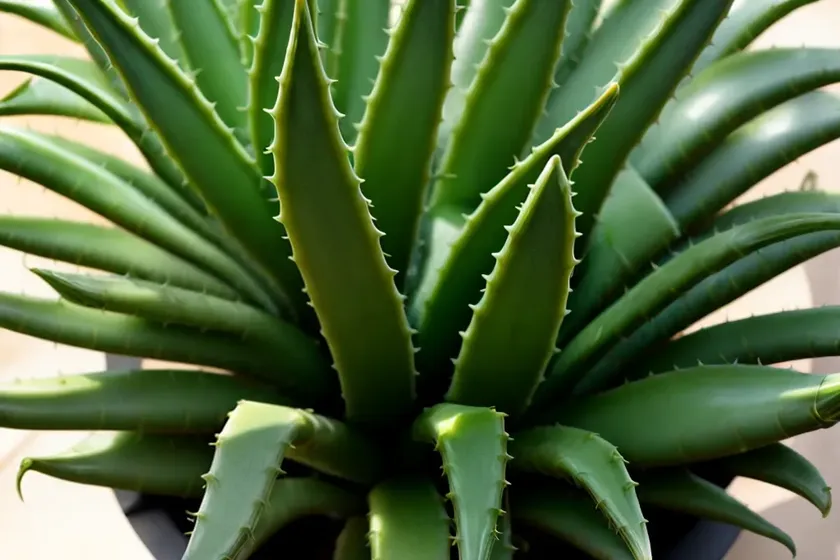
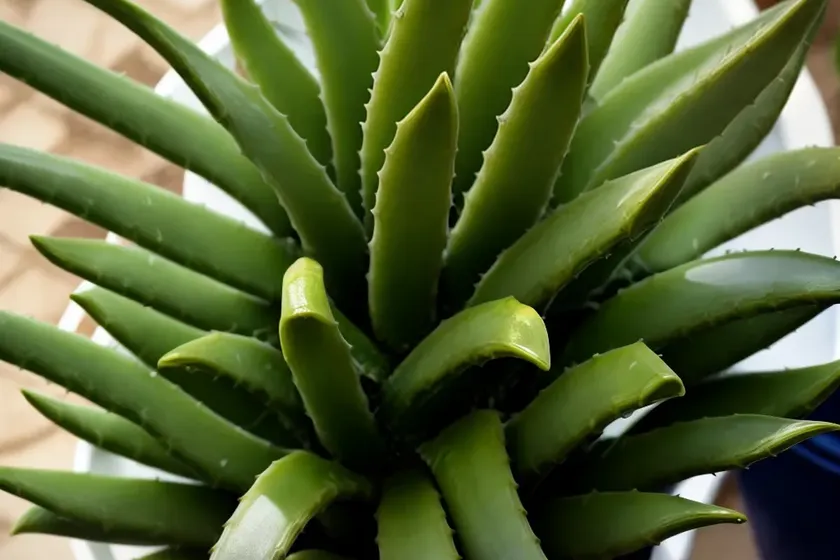
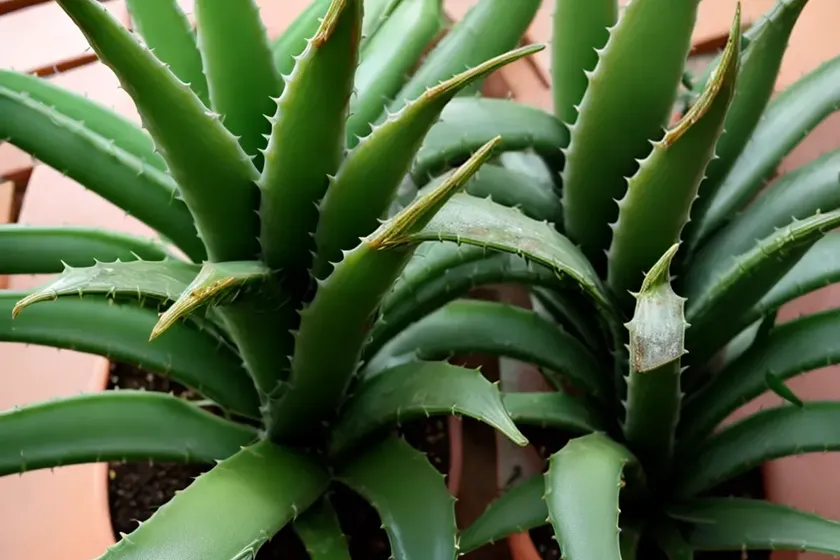
Aloe x principis, also known as the Aloe ‘Blue Elf’, is a stunning succulent plant that has gained significant popularity among gardeners, landscapers, and plant enthusiasts. This unique plant is prized for its ornamental beauty, low maintenance requirements, and various medicinal and decorative uses. In this guide, you will learn everything you need to know about Aloe x principis, from its cultural needs to its propagation and common pests and diseases.
What is Aloe x principis?
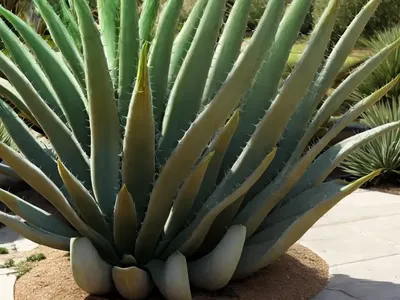
Aloe x principis is a hybrid succulent plant that belongs to the Aloe genus. It is a cross between Aloe nobilis (gold tooth aloe) and Aloe brevifolia (short-leaved aloe). This beautiful plant is characterized by its compact rosette of blue-green leaves and striking coral-colored flowers. Aloe x principis is native to Southern Africa and thrives in arid and semi-arid regions.
Key Takeaways
Before delving further into the details, let’s summarize the key takeaways of Aloe x principis:
- Botanical Name: Aloe x principis
- Common Name: Blue Elf Aloe
- Family: Asphodelaceae
- Genus: Aloe
- Origin: Southern Africa
- Type: Succulent
- Uses: Ornamental, Medicinal
- Watering: Low to Moderate
- Sunlight: Full Sun
- Soil Type: Well-draining, Sandy
- Propagation: Offsets, Seeds
- Pests: Aphids, Spider Mites
- Diseases: Root Rot
- Pruning: Minimal
- Popularity: Popular in Succulent Gardens
- Hardiness: USDA Zones 9-11
Now, let’s explore the various aspects of Aloe x principis in detail.
Culture
Understanding the cultural requirements of Aloe x principis is essential for its successful growth. From watering to sunlight and soil conditions, here’s what you need to know about cultivating this unique succulent.
Uses
The Aloe x principis is primarily valued for its ornamental appeal. Its compact rosette and striking blue-green foliage make it a perfect addition to succulent gardens, rockeries, and xeriscapes. Additionally, Aloe x principis has a long history of medicinal use, particularly for treating skin conditions and minor burns.
Water
Aloe x principis has moderate water needs and is highly susceptible to root rot if over-watered. It is essential to allow the soil to dry out between waterings. During the growing season, typically from spring to fall, water the plant when the top inch of the soil feels dry. In winter, reduce watering to prevent waterlogged soil.
Sunlight
This succulent thrives in full sunlight and requires at least 6 hours of direct sunlight daily to maintain its compact growth and vibrant coloration. When grown indoors, place the plant near a south-facing window to ensure it receives an adequate amount of sunlight.
Fertilizer
Aloe x principis is not a heavy feeder and thrives in nutrient-poor soils. Fertilize the plant sparingly during the growing season with a balanced, diluted succulent fertilizer. Aloe x principis does not require frequent fertilization, and excess nutrients can lead to poor growth and susceptibility to pests.
Soil
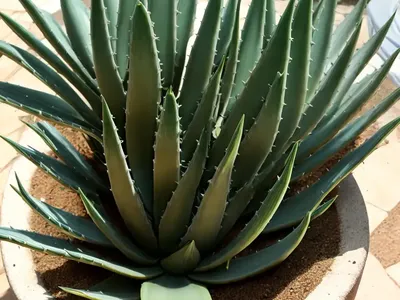
Well-draining soil is crucial for the successful cultivation of Aloe x principis. Use a cactus or succulent potting mix amended with coarse sand or perlite to improve drainage. Avoid heavy, compacted soils that retain moisture, as they can cause root rot and other health issues for the plant.
Pruning
Aloe x principis requires minimal pruning. Remove any dried or dead leaves at the base of the plant to maintain its aesthetic appeal and overall health. Additionally, trim off spent flower spikes to encourage continued blooming and prevent the plant from expending unnecessary energy.
Propagation
Propagating Aloe x principis is relatively straightforward and can be achieved through offsets or seeds.
Offsets
One of the simplest methods of propagating Aloe x principis is by using offsets, also known as “pups.” These are small plantlets that develop around the base of the mature plant. To propagate using offsets, carefully remove the offshoot from the mother plant and allow it to dry for a day or two. Plant the offset in a well-draining potting mix and water sparingly until it establishes roots.
Seeds
While less common, Aloe x principis can also be propagated from seeds. Sow the seeds in a well-draining succulent mix and maintain a consistently warm and humid environment for germination. It’s important to note that propagation from seeds may take longer to yield mature plants compared to using offsets.
Container Popularity
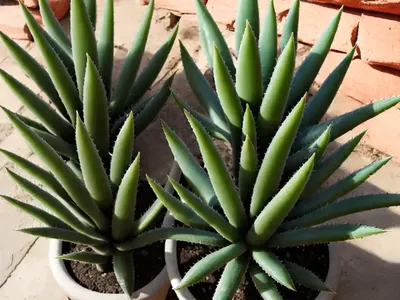
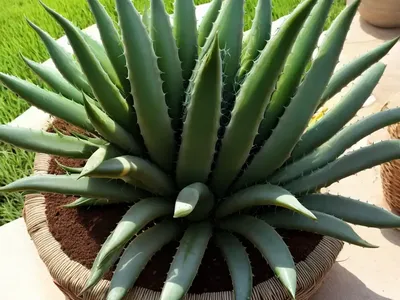
Aloe x principis is highly favored for container gardening due to its compact size, stunning appearance, and low maintenance requirements. This succulent adds visual interest to container arrangements and thrives in well-draining pots or containers.
Common Diseases
Understanding the potential diseases that can affect Aloe x principis is crucial for preventing and managing them effectively.
Disease Diagnosis
Aloe x principis is susceptible to root rot if its soil remains excessively moist for prolonged periods. Symptoms of root rot include wilting, yellowing, or softening of the plant’s leaves. To prevent and diagnose root rot, ensure proper soil drainage and moderate watering practices.
Common Pests
While Aloe x principis is relatively resistant to pests, it can occasionally attract common succulent pests such as aphids and spider mites.
Botanist’s Tips
To keep Aloe x principis healthy and vibrant, consider the following botanist’s tips:
- Monitor soil moisture levels to prevent over-watering and root rot.
- Provide ample sunlight to promote compact growth and vivid coloration.
- Use well-draining soil and containers to prevent waterlogged conditions.
- Avoid over-fertilization, as succulents thrive in nutrient-poor soils.
Fun Facts
To further appreciate the beauty and uniqueness of Aloe x principis, here are some fun facts about this captivating succulent:
- The specific epithet “x principis” denotes that Aloe x principis is a hybrid plant.
- Aloe x principis is a magnet for pollinators such as bees and butterflies when in bloom.
- The gel inside Aloe x principis leaves has been used historically for its soothing and healing properties.
Links to External Resources
For further information on Aloe x principis care, propagation, and uses, consider exploring the following resources:
- Succulent Plant Care – A Comprehensive Guide
- Aloe Vera: A Natural Ingredient with Soothing Properties
- Understanding Succulent Pests and Diseases
In conclusion, Aloe x principis is a remarkable succulent plant that offers both aesthetic and practical benefits. Whether cultivated in gardens, containers, or indoor spaces, this striking plant captivates with its unique foliage and valuable medicinal properties. By understanding and meeting its cultural needs, you can enjoy the beauty and benefits of Aloe x principis in your own botanical haven.
This comprehensive guide aims to provide valuable insights and practical tips for the successful cultivation of Aloe x principis, enriching your plant care knowledge and experience.
Remember to enjoy the journey of tending to your Aloe x principis and witnessing its natural beauty unfold in your home or garden space.
Happy gardening!
References:
-
Gildemeister, E., & Hoffmann, F. (1956). The Volatile Consitituents of Aloe Vera and A. perryi. L., Schweizer Archiv Für Neurologie, Neurochirurgie und Psychiatrie, 77(1), 28–29.
-
Reynolds, T., & Dweck, A. C. (1999). Aloe Vera Leaf Gel: a Review Update. Journal of Ethnopharmacology, 68(1-3), 3–37.
-
Vázquez, B., Avila, G., Segura, D., Rodriguez, J. M., & Zavala, G. (1996). Antiinflammatory Activity of Extracts from Aloe Vera Gel. Journal of Ethnopharmacology, 55(1), 69–75.
-
Maruzella, J. C., Gutterman, Y., & Kamenetsky, R. (2016). Diversity in Reproductive Characteristics of the Short-Leaved Aloe Hybrids (Aloe x principis) Cultivated in Israel. Plant Systematics and Evolution, 302(7), 767–773.
-
Bowman, S. D., & Halper, C. N. (2018). Aloe X principis in the Landscape. California Hotel & Lodging.