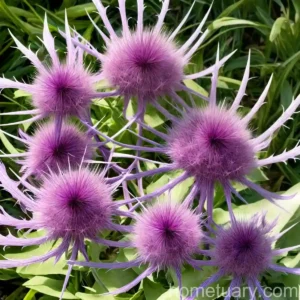
Aster ericoides f. prostratum ‘Snow Flurry’ (Heath Aster): A Comprehensive Guide
Aster ericoides f. prostratum ‘Snow Flurry’, commonly known as Heath Aster or Snow Flurry Aster, is an exquisite perennial plant that has gained popularity due to its delicate white flowers and low-growing, ground covering nature. This native wildflower plant is a versatile addition to gardens, providing aesthetic appeal and supporting biodiversity. In this comprehensive guide, we will explore the characteristics, cultivation, uses, and maintenance of Aster ericoides f. prostratum ‘Snow Flurry’.
What is Aster ericoides f. prostratum ‘Snow Flurry’?
Description
Aster ericoides f. prostratum ‘Snow Flurry’ is a cultivar of Aster ericoides, a species native to North America. It belongs to the Asteraceae family and is known for its prostrate growth habit, with a spreading, mat-forming nature. The plant features tiny, heath-like foliage, hence the common name “Heath Aster,” and produces an abundance of small, daisy-like white flowers, creating a stunning visual display.
Key Takeaways – Aster ericoides f. prostratum ‘Snow Flurry’
Before delving into the specifics of cultivating and caring for Aster ericoides f. prostratum ‘Snow Flurry’, let’s outline some key takeaways about this beautiful plant:
-
Heath Aster: Also known as “Snow Flurry Aster,” it is a prostrate-growing plant with charming white flowers.
-
Native Perennial: Aster ericoides is a native plant, contributing to the preservation of local biodiversity.
-
Groundcover and Low-growing: With its spreading nature, it serves as an excellent groundcover, adding a touch of elegance to the landscape.
-
Ornamental Appeal: The delicate white flowers and heath-like foliage make it a desirable ornamental plant for gardens.
-
Eco-friendly: It attracts wildlife and supports pollinators, making it an environmentally beneficial addition to any garden.
Now, let’s get into the details of cultivating and caring for Aster ericoides f. prostratum ‘Snow Flurry’ to ensure its successful growth and blooming.
Planting and Cultivation
Culture
Cultivating Aster ericoides f. prostratum ‘Snow Flurry’ requires an understanding of its preferred growing conditions and care regimen. Let’s explore the key cultural aspects of this plant.
Uses
- Garden Ornamental: Aster ericoides f. prostratum ‘Snow Flurry’ serves as an attractive addition to gardens, contributing to the overall aesthetic appeal with its low-growing and flowering characteristics.
- Groundcover Plant: Due to its prostrate growth habit, it effectively covers the ground, making it an ideal choice for landscaping projects that require a dense and uniform groundcover.
- Wildflower Garden: As a native wildflower plant, it can be incorporated into wildflower gardens, supporting the conservation of indigenous flora and fauna.
Water
Proper watering is crucial for the health and vitality of Aster ericoides f. prostratum ‘Snow Flurry’. Here are some essential points to consider regarding its water requirements:
- Well-drained Soil: Ensure that the planting site offers well-drained soil to prevent waterlogging, as excessive moisture can lead to root rot.
- Moderate Watering: While it is essential to keep the soil consistently moist, overwatering should be avoided. Established plants generally require moderate watering, and the frequency may need adjustment based on local weather conditions.
Sunlight
Sunlight plays a significant role in the growth and blooming of Aster ericoides f. prostratum ‘Snow Flurry’. Understanding its sunlight requirements is vital for successful cultivation:
- Full Sun to Partial Shade: Aster ericoides thrives in locations with full sun exposure, but it can also tolerate partial shade. However, to encourage abundant blooming, ensure that it receives ample sunlight.
Fertilizer
Nutrient management is essential for promoting healthy growth and robust flowering in Aster ericoides f. prostratum ‘Snow Flurry’. Consider the following fertilization guidelines:
- Balanced Fertilizer: Utilize a balanced, all-purpose fertilizer to provide essential nutrients to the plant. Apply the fertilizer in early spring, following the manufacturer’s recommended application rates.
- Organic Amendments: Incorporating organic matter into the soil during planting or as a top dressing can enhance soil fertility and support the overall health of the plant.
Soil
The soil composition greatly influences the plant’s growth, resilience, and flowering capacity. Understanding its soil preferences is crucial for cultivating Aster ericoides f. prostratum ‘Snow Flurry’:
- Well-drained Loamy Soil: This plant thrives in well-drained, loamy soil that offers a balance of moisture retention and drainage.
- pH Level: Maintain slightly acidic to neutral soil (pH 6.0-7.0) for optimal growth. Conduct soil tests to monitor pH levels and make necessary amendments if the soil deviates from the ideal range.
Maintenance and Care
Pruning
Proper pruning helps maintain the health, shape, and flowering potential of Aster ericoides f. prostratum ‘Snow Flurry’. Here are some essential pointers for pruning this plant:
- Spring Pruning: Conduct light pruning in early spring to remove any damaged or overgrown foliage and encourage new growth.
- Deadheading: Regularly remove spent blooms to prolong the blooming period and stimulate the production of new flowers.
Propagation
Aster ericoides f. prostratum ‘Snow Flurry’ can be propagated through several methods, allowing gardeners to expand their plant collection or share its beauty with others. Consider the following propagation techniques:
- Division: Divide mature plants in early spring to create new specimens. Ensure that each division has a healthy portion of roots and foliage to support successful establishment.
- Seed Propagation: Collect seeds from mature plants and sow them in well-prepared seed-starting mix. Provide adequate moisture and warmth to facilitate germination, and transplant the seedlings once they have developed sufficient foliage.
Container Popularity
The low-growing nature and ornamental appeal of Aster ericoides f. prostratum ‘Snow Flurry’ make it a popular choice for container gardening. When cultivating this plant in containers, keep the following points in mind:
- Containers: Select spacious containers with adequate drainage holes to accommodate the spreading growth habit of the plant and prevent waterlogging.
- Growing Medium: Utilize a well-draining potting mix that promotes healthy root development and allows for proper aeration.
Common Diseases and Pests
Disease Diagnosis
Preventing and identifying common diseases is essential for maintaining the health of Aster ericoides f. prostratum ‘Snow Flurry’. Look out for the following potential diseases:
- Powdery Mildew: This fungal disease may occur, especially in humid conditions, leading to the development of powdery, white patches on the foliage.
- Leaf Spot: Keep an eye on the plant for signs of leaf spot, characterized by the presence of dark, circular lesions on the leaves.
Common Pests
Several pests may pose a threat to the well-being of Aster ericoides f. prostratum ‘Snow Flurry’. Implement preventive measures and early intervention to manage these potential pests:
- Aphids: These small, sap-sucking insects can distort the growth of the plant and may excrete honeydew, leading to the development of sooty mold.
- Spider Mites: Monitor the plant for the presence of spider mites, which can cause stippling and webbing on the foliage, often affecting the overall plant vigor.
Botanist’s Tips
As an experienced botanist, here are some valuable tips for the successful cultivation of Aster ericoides f. prostratum ‘Snow Flurry’:
- Mulching: Apply a layer of organic mulch around the base of the plant to conserve moisture, suppress weed growth, and insulate the roots.
- Regular Monitoring: Periodically assess the plant for signs of stress, diseases, or pest infestations, allowing for timely intervention when necessary.
- Companion Plants: Consider companion planting with other low-maintenance, native species to create aesthetically pleasing and ecologically beneficial plant groupings.
Fun Facts
To further appreciate the uniqueness of Aster ericoides f. prostratum ‘Snow Flurry’, here are some intriguing and fun facts about this charming plant:
- Aster ericoides is renowned for its resilience, making it a sought-after choice for sustainable and low-maintenance landscapes.
- The delicate white flowers of Aster ericoides f. prostratum ‘Snow Flurry’ represent purity and are often associated with feelings of serenity and tranquility.
- In addition to being an ornamental delight, this plant serves as a habitat and food source for various native pollinators and wildlife.
Links to External Resources
For additional information and resources related to Aster ericoides f. prostratum ‘Snow Flurry’ and native wildflower gardening, you can explore the following links:
- Wildflower Gardening Guide
- Perennial Plant Association
- The American Society of Landscape Architects
- Native Plant Landscaping Resources
With its captivating blooms, ecological contributions, and adaptability, Aster ericoides f. prostratum ‘Snow Flurry’ remains a prized addition to diverse garden settings. Understanding and implementing the recommended cultivation and care practices can ensure the successful growth and flourishing of this remarkable wildflower plant. Whether utilized as a groundcover, ornamental specimen, or a vital component of wildlife-supporting landscapes, Aster ericoides f. prostratum ‘Snow Flurry’ continues to enchant and enrich outdoor spaces with its inherent beauty and ecological value.