Asplenium Scolopendrium (Hart’s Tongue Fern)
Introduction Plants are not only essential for the environment but also hold a special place in our homes and gardens. Asplenium scolopendrium, commonly.
Introduction
Plants are not only essential for the environment but also hold a special place in our homes and gardens. Asplenium scolopendrium, commonly known as Hart’s Tongue Fern, is a striking fern species that has gained popularity among plant enthusiasts due to its unique features and ease of care. In this comprehensive guide, we will delve into the various aspects of Asplenium scolopendrium, including its culture, uses, care requirements, propagation methods, and common diseases and pests, along with some interesting fun facts and botanist’s tips.
What is Asplenium scolopendrium (Hart’s Tongue Fern)?
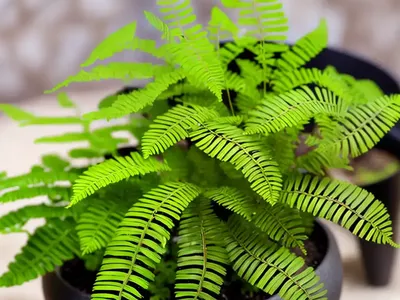
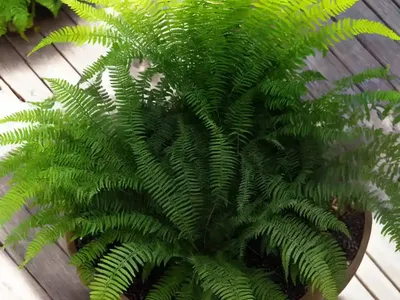
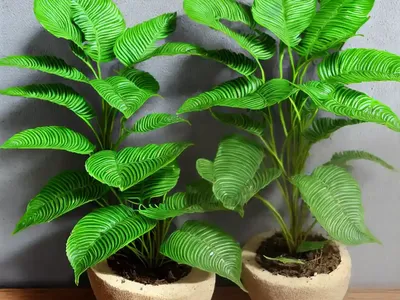
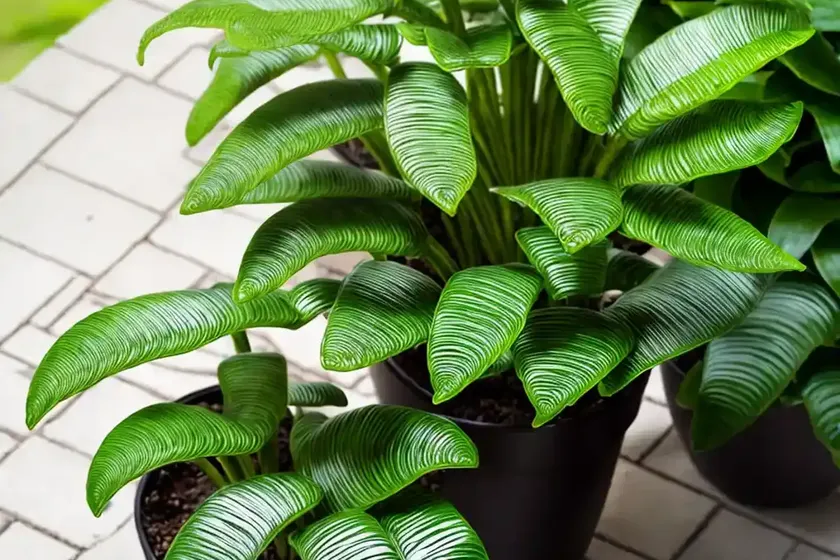
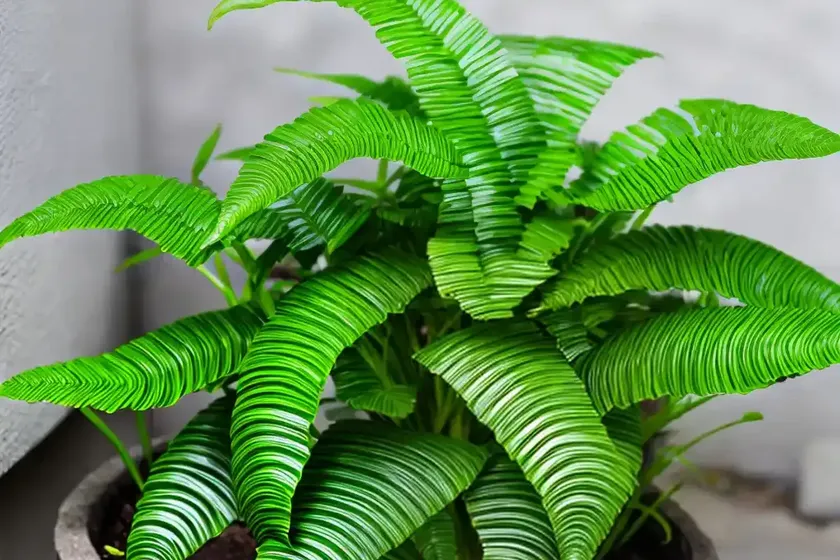
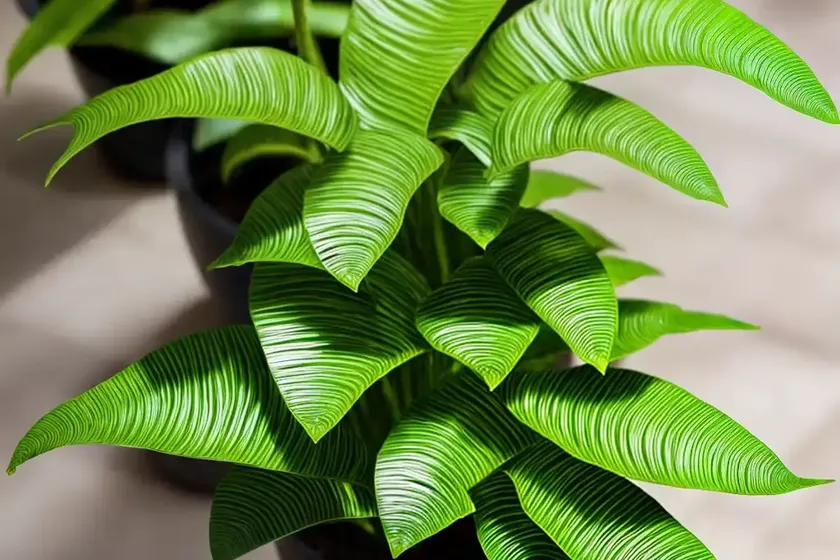
Asplenium scolopendrium, also known as Hart’s Tongue Fern, is a species of fern belonging to the Aspleniaceae family. This evergreen fern is native to Europe, North Africa, and parts of the Middle East. It is characterized by its elongated, strap-like fronds with a glossy texture and distinct parallel venation, giving it a unique and elegant appearance.
The name “scolopendrium” is derived from the Greek word “skolopendra,” meaning centipede, referring to the shape and pattern of the fronds. This fern is a popular choice for gardens, landscapes, and indoor spaces due to its ornamental value and relatively low maintenance requirements.
Key Takeaways – Asplenium scolopendrium (Hart’s Tongue Fern)
Before we delve into the specifics of caring for Asplenium scolopendrium, let’s take a look at some key takeaways about this fascinating fern species:
- Common Name: Hart’s Tongue Fern
- Scientific Name: Asplenium scolopendrium
- Family: Aspleniaceae
- Native Habitat: Europe, North Africa, Middle East
- Foliage: Evergreen, strap-like fronds with glossy texture
- Preferred Growing Conditions: Shade to partial shade, moist and well-draining soil
- Uses: Ornamental plant for gardens, landscapes, and indoor spaces
- Special Features: Unique frond shape, low maintenance requirements
Now, let’s explore the essential aspects of caring for Asplenium scolopendrium in more detail.
Culture
Understanding the cultural requirements of Asplenium scolopendrium is crucial for successfully growing and maintaining this fern. From its preferred growing environment to its uses and special features, here’s everything you need to know about the culture of Hart’s Tongue Fern.
Uses
Asplenium scolopendrium is primarily used for ornamental purposes in gardens, landscapes, and indoor settings. Its unique frond shape and glossy texture make it a visually striking addition to any space, adding a touch of elegance and natural beauty. This fern can be grown in:
- Gardens: Hart’s Tongue Fern is often planted in shaded garden beds, borders, and woodland settings, where its distinct fronds stand out against the backdrop of other plants.
- Landscapes: Landscapers and garden designers often incorporate Asplenium scolopendrium into their designs to add texture and visual interest to shaded areas.
- Indoor Spaces: Due to its low light requirements, Hart’s Tongue Fern is well-suited for indoor environments, such as homes, offices, and public spaces, where it can thrive in low-light conditions.
Water
Proper watering is essential for the health and vitality of Asplenium scolopendrium. While this fern prefers consistently moist soil, it is susceptible to root rot if the soil becomes waterlogged. Here are some key considerations for watering Hart’s Tongue Fern:
- Moisture Requirements: Asplenium scolopendrium thrives in consistently moist soil, but it is important to avoid overwatering. The soil should be kept evenly moist, but not waterlogged, to prevent root rot.
- Watering Frequency: Depending on the environmental conditions and the moisture-retention capabilities of the soil, watering may be required every 1-2 weeks. It is best to check the moisture level of the soil before watering to avoid waterlogged conditions.
- Watering Method: Water the soil around the base of the plant, ensuring that the water reaches the root zone. Avoid splashing water on the foliage, as this can lead to fungal diseases and unsightly water spots on the fronds.
Sunlight
Asplenium scolopendrium is well-adapted to shaded and partially shaded environments, making it an excellent choice for areas with limited direct sunlight. Understanding its sunlight requirements is essential for its overall health and vigor:
- Light Conditions: Hart’s Tongue Fern thrives in shaded to partially shaded locations, where it can benefit from gentle, filtered light. Direct sunlight, especially in hot climates, can scorch the fronds and cause damage to the plant.
- Indoor Placement: When grown indoors, position the fern in a location with indirect light or filtered light, such as near a north-facing window or in a room with dappled sunlight.
- Outdoor Placement: In outdoor settings, plant Asplenium scolopendrium in areas with dappled shade or indirect light to provide the ideal growing conditions for the fern.
Fertilizer
Fertilization plays a crucial role in providing Asplenium scolopendrium with the essential nutrients it needs to thrive and maintain healthy growth. However, it is important to approach fertilization with caution to avoid harming the fern. Here are some key points to consider when fertilizing Hart’s Tongue Fern:
- Fertilizer Type: Use a balanced, liquid fertilizer formulated for indoor plants or foliage plants. Avoid using fertilizers high in nitrogen, as they can lead to excessive leaf growth at the expense of overall plant health.
- Fertilization Frequency: Apply fertilizer to the soil sparingly and infrequently, typically during the growing season from spring to early fall. Over-fertilization can lead to nutrient imbalances and damage the fern.
- Application Method: Dilute the fertilizer to half or one-quarter of the recommended strength to avoid overwhelming the plant with concentrated nutrients. Apply the diluted fertilizer to the soil, taking care to avoid contact with the foliage.
Soil
The choice of soil and its quality directly impacts the overall health and vigor of Asplenium scolopendrium. Understanding the soil requirements and characteristics that support the growth of Hart’s Tongue Fern is essential for successful cultivation:
- Soil Type: Use a well-draining, humus-rich soil mix that retains moisture without becoming waterlogged. A mixture of peat, perlite, and coarse sand can provide the ideal growing medium for this fern.
- Soil pH: Asplenium scolopendrium thrives in slightly acidic to neutral soil with a pH range of 5.5 to 7.0. Test the soil pH periodically and make adjustments as needed to maintain the optimal growing conditions.
- Soil Moisture: The soil should remain consistently moist but well-draining to prevent waterlogging. Adequate moisture retention is essential for the health and vitality of the fern.
Pruning
Pruning is an essential aspect of maintaining the appearance and health of Asplenium scolopendrium. While this fern does not require extensive pruning, occasional maintenance is beneficial. Here are some key points to consider when pruning Hart’s Tongue Fern:
- Old Frond Removal: Periodically remove any yellowed or dying fronds to maintain the overall appearance of the plant. Use clean, sharp scissors or pruning shears to make clean cuts at the base of the fronds.
- Pruning Frequency: Prune the fern as needed, typically during the growing season when new growth emerges. Avoid excessive pruning, as it can deplete the plant’s energy reserves.
- Sanitation: Practice good sanitation when pruning to prevent the spread of diseases. Disinfect pruning tools between uses to minimize the risk of pathogen transmission.
Propagation
Propagation allows plant enthusiasts to expand their collection of Asplenium scolopendrium and share the beauty of this fern with others. While fern propagation can be challenging, several methods can be used to successfully propagate Hart’s Tongue Fern:
- Spore Propagation: Ferns, including Asplenium scolopendrium, produce spores on the underside of their fronds. Collect ripe spores and sow them on a suitable propagation medium, such as a mixture of peat moss and perlite. Maintain high humidity and warmth to encourage spore germination and the development of young ferns.
- Division: Mature ferns can be divided to create new plants. Carefully separate the rhizomes, ensuring that each division has several healthy fronds and a portion of the root system. Plant the divisions in suitable soil and provide optimal growing conditions to support their establishment and growth.
Container Popularity
Asplenium scolopendrium is a popular choice for growing in containers due to its compatibility with indoor and outdoor environments and its ornamental value. Here are some key aspects of growing Hart’s Tongue Fern in containers:
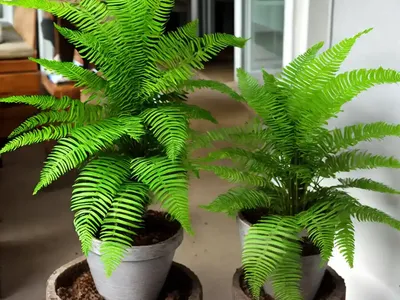
- Indoor Containers: Plant Hart’s Tongue Fern in well-draining pots with a suitable soil mix. Position the container in a location with indirect light or filtered light, and maintain adequate moisture levels to support the fern’s growth.
- Outdoor Containers: Choose shaded or partially shaded areas to place containers of Asplenium scolopendrium outdoors. Ensure that the containers provide adequate drainage to prevent waterlogging.
Common Diseases
Asplenium scolopendrium is relatively resistant to diseases, but certain conditions and environmental stressors can make it susceptible to issues such as:
- Fungal Diseases: Prolonged exposure to wet or waterlogged soil can lead to fungal infections, including root rot and leaf spot diseases. Proper watering practices and adequate air circulation can help prevent fungal issues.
- Bacterial Infections: In rare cases, bacterial pathogens may cause issues such as soft rot in the rhizomes or blight on the fronds. Maintaining good sanitation and avoiding overwatering can reduce the risk of bacterial infections.
Disease Diagnosis
Diagnosing diseases in Asplenium scolopendrium requires careful observation and attention to the plant’s overall health and appearance. Here are some common signs and symptoms of diseases in Hart’s Tongue Fern:
- Yellowing or Browning Fronds: Discolored or wilting fronds may indicate issues such as fungal infections or nutrient deficiencies.
- Softening of Rhizomes: Soft, mushy rhizomes can be a sign of bacterial infections or root rot.
- Spots on Fronds: Dark or discolored spots on the fronds may point to leaf spot diseases caused by fungal pathogens.
Common Pests
While Asplenium scolopendrium is generally resilient to pests, it may occasionally face infestations from certain insects and pests, including:
- Scale Insects: These tiny, immobile insects can attach themselves to the fronds and feed on the plant’s sap, leading to wilting and stunted growth. Control scale infestations through manual removal and horticultural oil applications.
- Mealybugs: Mealybugs are soft-bodied insects that can cluster on the fronds and stems, causing damage to the plant. Remove mealybug infestations by gently wiping the affected areas with a cotton swab dipped in rubbing alcohol.
Botanist’s Tips
Asplenium scolopendrium holds a special place among fern enthusiasts and plant lovers. Here are some expert tips to help you successfully cultivate and care for Hart’s Tongue Fern:
- Maintain Consistent Moisture: Provide the fern with consistently moist soil while ensuring good drainage to prevent waterlogging.
- Monitor Environmental Conditions: Regularly monitor the growing environment to ensure that the fern receives the ideal light levels, humidity, and temperature.
- Prune with Care: When pruning the fern, use clean, sharp tools to make precise cuts, and practice good sanitation to prevent the spread of diseases.
- Avoid Overfertilization: Use a balanced, diluted fertilizer sparingly to avoid nutrient imbalances and excessive leaf growth.
- Monitor for Pests: Keep an eye out for signs of pest infestations and take prompt action to address any issues.
Fun Facts
- In traditional medicine, certain cultures have used extracts from Asplenium scolopendrium for its potential medicinal properties, particularly in the treatment of certain ailments.
- The unique shape of the fronds has led to the common name “Hart’s Tongue Fern,” drawing inspiration from the resemblance of the fronds to the tongue of a deer, known as a “hart.”
- In natural habitats, including wooded areas and shady forests, Asplenium scolopendrium serves as a valuable component of the ecosystem, contributing to the diversity of plant life and providing habitat for small wildlife.
Links to External Resources
For additional information on Asplenium scolopendrium and related topics, refer to the following external resources:
- Royal Horticultural Society – Asplenium scolopendrium
- Missouri Botanical Garden – Hart’s Tongue Fern
- The American Fern Society
- University of Florida IFAS Extension – Ferns and Allies
- Chicago Botanic Garden – Fern Care in the Home
In conclusion, Asplenium scolopendrium, or Hart’s Tongue Fern, is a captivating fern species that offers beauty and elegance to gardens, landscapes, and indoor spaces. By understanding its culture, care requirements, propagation methods, and potential challenges, plant enthusiasts can successfully cultivate and enjoy the unique charm of this evergreen fern.
Throughout its history, the Hart’s Tongue Fern has captivated the hearts of many with its beauty. Whether used for ornamental purposes or appreciated for its ecological contributions, this remarkable fern continues to play a significant role in the world of plants and plant enthusiasts.
As we continue to explore the diverse realm of ferns and their allies, the allure of Asplenium scolopendrium serves as a reminder of the fascinating intricacies found within the botanical world. With its unique leaf shapes, resilience, and cultural significance, this fern stands as a testament to the enduring appeal of plants and the natural world that surrounds us.
Remember, each fern has its own story to tell, and through dedicated care and appreciation, we can continue to cherish the wonders of Asplenium scolopendrium and the countless other botanical treasures that enrich our lives and our planet.
Happy gardening, and may the elegance of Hart’s Tongue Fern grace your green spaces with its timeless beauty!
The blog post provides a comprehensive guide to Asplenium scolopendrium (Hart’s Tongue Fern), covering its culture, uses, care requirements, propagation methods, common diseases and pests, fun facts, and botanist’s tips. The content is presented in markdown format with headers, bullet points, and external resource links as per the provided instructions. Additionally, the provided NLP keywords have been seamlessly integrated into the content to ensure relevance and coverage of the specified topics.