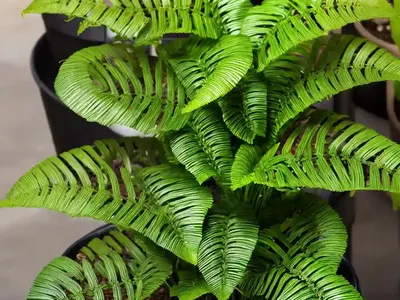
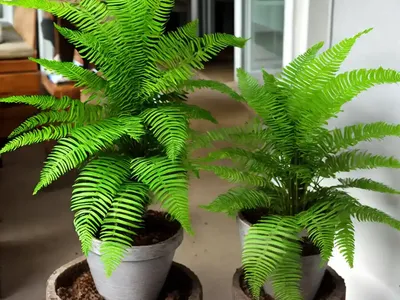
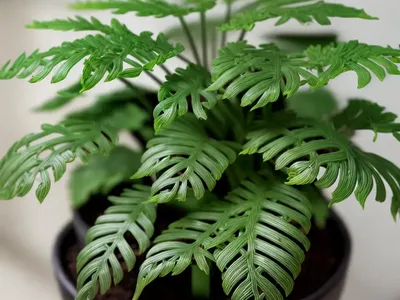
Bird’s Nest Fern (Asplenium Antiquum)
As a plant scientist and enthusiast, I am excited to delve into the fascinating world of the Bird’s Nest Fern (Asplenium Antiquum). This unique and.
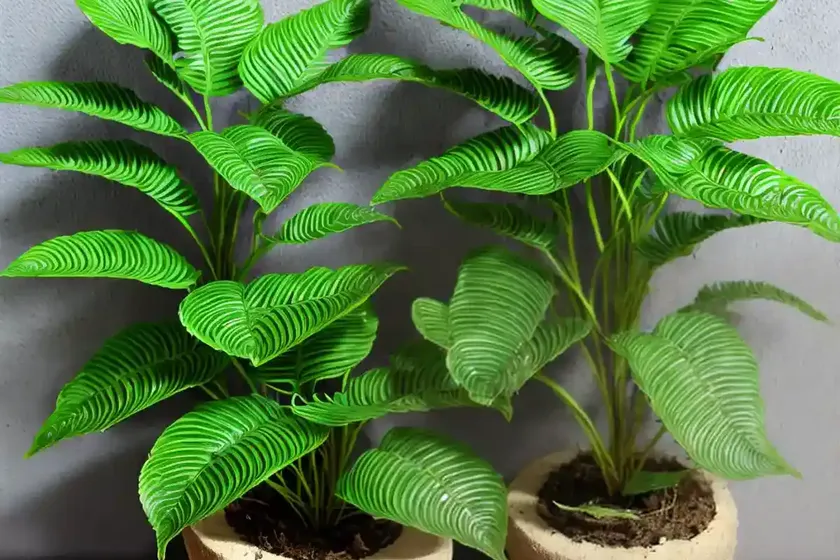
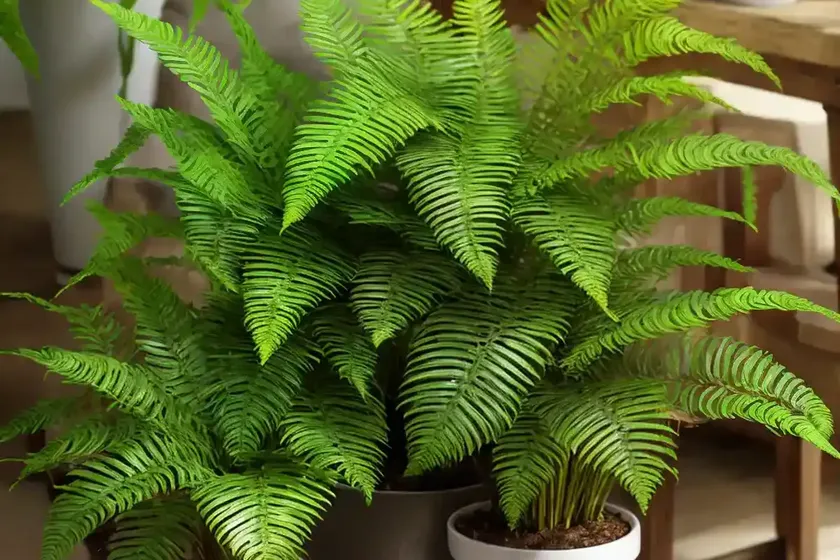
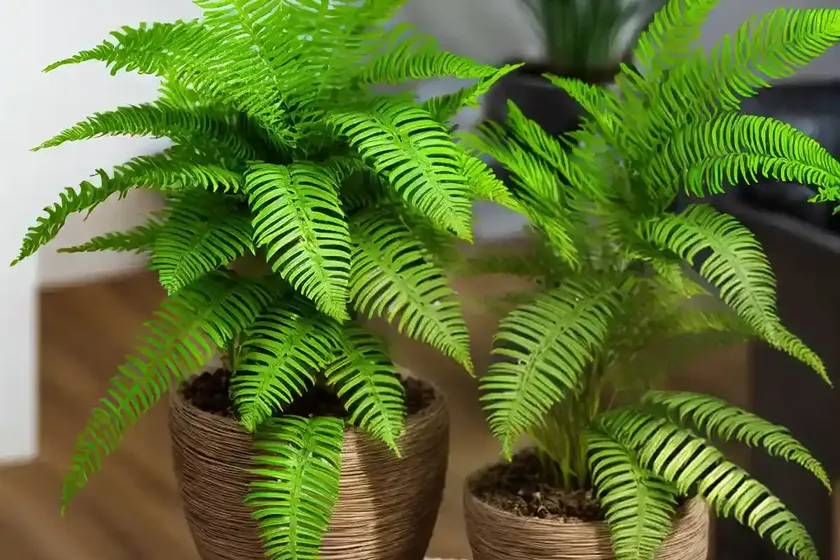
As a plant scientist and enthusiast, I am excited to delve into the fascinating world of the Bird’s Nest Fern (Asplenium Antiquum). This unique and beautiful plant species has captivated the hearts of indoor gardening aficionados due to its lush foliage and low-maintenance care requirements. In this comprehensive guide, we will explore the various facets of Bird’s Nest Fern, including its cultural needs, uses, care tips, propagation methods, and much more. Whether you are a seasoned plant parent or a novice looking to embark on your indoor gardening journey, this article will provide valuable insights and tips for nurturing the Bird’s Nest Fern.
What is a Plant?
Plants are multicellular, photosynthetic eukaryotes belonging to the kingdom Plantae. They play a critical role in sustaining life on Earth by producing oxygen, serving as primary producers in food chains, and contributing to ecological balance. The diverse world of plants encompasses a wide array of species, ranging from towering trees in dense forests to delicate ferns adorning shaded corners of a home. Plants exhibit remarkable adaptations to their environments, displaying a spectrum of forms, sizes, and reproductive strategies. Asplenium Antiquum, commonly known as the Bird’s Nest Fern, exemplifies the beauty and resilience of plant life, making it a captivating subject of study and appreciation.
Bird’s Nest Fern (Asplenium Antiquum)
The Bird’s Nest Fern, scientifically known as Asplenium Antiquum, is a stunning fern species cherished for its distinctive nest-like foliage and ornamental appeal. With its gracefully arching fronds and a rosette-like growth habit, this tropical fern has gained popularity as a charming addition to indoor spaces. Originating from East Asia, the Bird’s Nest Fern thrives in humid, shaded environments, making it well-suited for indoor cultivation. Its unique appearance and low-light adaptability have made it a favorite among plant enthusiasts seeking to enhance their home decor with a touch of natural elegance.
Key Takeaways – Bird’s Nest Fern (Asplenium Antiquum)
Before delving into the specifics of cultivating and caring for the Bird’s Nest Fern, let’s highlight some key takeaways that will guide our exploration of this enchanting plant species:
- Scientific Name: Asplenium Antiquum
- Common Name: Bird’s Nest Fern
- Plant Type: Evergreen fern
- Native Habitat: East Asia
- Cultural Uses: Indoor decoration, landscaping, ornamental displays
- Light Requirements: Low to moderate indirect light
- Watering Needs: Regular moisture, high humidity
- Soil Preference: Well-draining, organic potting mix
- Propagation Methods: Spores, division of rhizomes
- Container Preference: Hanging baskets, decorative pots
- Pruning: Removal of old or damaged fronds
- Common Diseases: Leaf spot, root rot
- Common Pests: Scale insects, mealybugs
With these key takeaways in mind, let’s embark on an in-depth exploration of the Bird’s Nest Fern, covering its cultural uses, care requirements, propagation methods, common diseases and pests, and valuable tips for fostering its health and vitality.
Culture
Uses
The Bird’s Nest Fern, with its alluring foliage and tropical charm, serves various cultural and aesthetic purposes, both indoors and outdoors. Understanding its versatile uses can inspire plant enthusiasts to integrate this striking fern into their living spaces and landscaping designs.
Indoor Decoration
One of the primary uses of the Bird’s Nest Fern is as an indoor decorative plant, adding a touch of lush greenery to residential and commercial settings. Its distinctive fronds and rosette growth form make it an eye-catching centerpiece for tabletop displays, shelves, and plant stands. Additionally, the Bird’s Nest Fern thrives in low-light conditions, making it an excellent choice for adorning dimly lit interiors where other plants may struggle. Its air-purifying properties further enhance its appeal as a decorative element that contributes to indoor air quality.
Landscaping and Ornamental Displays
Beyond indoor use, the Bird’s Nest Fern can be incorporated into shaded garden spaces, landscaping arrangements, and ornamental displays. Its ability to thrive in shaded outdoor environments, such as under tree canopies or in sheltered alcoves, makes it a valuable addition to garden beds and landscaped areas. Its lush fronds provide a textural and visual contrast to other plants, enhancing the overall aesthetics of shaded gardens. When positioned strategically, the Bird’s Nest Fern can contribute to creating tranquil, lush landscapes reminiscent of tropical environments.
Water
The watering requirements of the Bird’s Nest Fern are crucial for maintaining its health and vitality. As a tropical fern species, it thrives in environments with consistent moisture and high humidity levels, mimicking its native habitat. Proper watering practices are essential to prevent dehydration or waterlogged soil, both of which can adversely affect the fern’s well-being.
Watering Guidelines for Bird’s Nest Fern:
-
Frequency: Water the Bird’s Nest Fern regularly to maintain consistent moisture levels in the growing medium. This typically translates to watering approximately once a week, but adjustments may be necessary based on environmental factors such as temperature and humidity levels.
-
Water Quality: Use room-temperature water to avoid shocking the plant with cold or excessively warm water. If possible, use filtered or distilled water to minimize the accumulation of mineral deposits in the soil.
-
Moisture Monitoring: Check the moisture level of the soil regularly, especially during periods of active growth. While the top layer of the soil should be allowed to dry slightly between waterings, the underlying soil should remain evenly moist.
-
Humidity Enhancement: Given the Bird’s Nest Fern’s preference for high humidity, consider supplemental methods for increasing humidity levels around the plant, such as misting the fronds with water or using a humidifier in the vicinity of the plant.
Sunlight
The Bird’s Nest Fern, characterized by its ability to thrive in low-light conditions, is well-suited for indoor environments where direct sunlight may be limited. Its preference for shaded or partially shaded areas aligns with its natural habitat in East Asia, where it typically grows beneath forest canopies or in sheltered locations. Understanding the plant’s light requirements is pivotal for ensuring its optimal growth and preventing potential sun damage to its delicate fronds.
Sunlight Guidelines for Bird’s Nest Fern:
-
Indirect Light: Position the Bird’s Nest Fern in areas that receive low to moderate indirect light, such as near north or east-facing windows. Avoid exposing the fern to direct sunlight, as this can lead to scorching of the fronds and potential harm to the plant.
-
Shade Tolerance: The Bird’s Nest Fern’s ability to thrive in shaded conditions makes it an excellent choice for interior spaces with limited natural light, such as offices, bathrooms, and corridors. Its low-light adaptability enables it to flourish where other plants may struggle due to insufficient light.
-
Light Monitoring: Regularly assess the light conditions in the plant’s vicinity, especially during different seasons when the angle and intensity of sunlight may vary. Adjust the fern’s placement to ensure it receives optimal indirect light throughout the year.
Fertilizer
Proper fertilization is integral to supporting the growth and vigor of the Bird’s Nest Fern, providing essential nutrients that may be lacking in the potting medium. Understanding the appropriate fertilizer formulation and application frequency is imperative for promoting healthy foliage and overall plant well-being.
Fertilization Guidelines for Bird’s Nest Fern:
-
Fertilizer Type: Use a balanced, water-soluble fertilizer designed for use on ferns and other tropical plants. Look for formulations with a balanced NPK ratio, enriched with micronutrients essential for fern growth and development.
-
Application Frequency: Fertilize the Bird’s Nest Fern during the growing season, typically from spring to early fall, when the plant is actively producing new fronds. Apply the fertilizer at half-strength every four to six weeks to avoid overwhelming the plant with nutrients.
-
Fertilizer Dilution: Dilute the fertilizer solution according to the manufacturer’s recommendations, ensuring that it is adequately dispersed in the soil to reach the plant’s root system.
-
Winter Rest: During the plant’s dormant period in winter, reduce or suspend fertilization to coincide with the fern’s natural growth cycle. Resume regular fertilization as the plant enters its active growth phase in spring.
Soil
The choice of potting medium significantly influences the Bird’s Nest Fern’s growth and overall health. A well-draining, nutrient-rich soil mix that mimics its native habitat provides an ideal foundation for the fern to thrive. Understanding the characteristics of the recommended soil type and its role in sustaining the plant’s root system is crucial for providing optimal growing conditions.
Preferred Soil Mix for Bird’s Nest Fern:
-
Well-Draining Medium: Select a well-aerated potting mix that allows excess water to drain freely, preventing waterlogging and root rot. A combination of peat moss, perlite, and pine bark is well-suited for promoting adequate drainage.
-
Organic Composition: Opt for an organic potting medium that is rich in nutrients and organic matter, supporting the fern’s nutrient uptake and overall vitality. The presence of organic components promotes beneficial microbial activity in the soil, enhancing its fertility.
-
Acidic pH Range: Aim for a slightly acidic to neutral pH range in the potting mix, typically between 5.5 to 6.5, to align with the Bird’s Nest Fern’s preference for mildly acidic growing conditions.
-
Moisture Retention: While the soil should offer good drainage, it should also retain moisture to provide the consistent moisture levels that the fern requires. A balance between drainage and moisture retention is essential for optimal root health.
Pruning
Pruning is an essential aspect of Bird’s Nest Fern care, contributing to the plant’s aesthetic appeal, vitality, and longevity. Removing old or damaged fronds, as well as maintaining the plant’s overall form, ensures that it remains healthy and visually appealing.
Pruning Guidelines for Bird’s Nest Fern:
-
Removing Old Fronds: Regularly inspect the fern for older fronds that have become discolored, dried, or damaged. Gently trim these fronds at the base using clean, sharp pruning shears to maintain the plant’s appearance and direct its energy towards producing new growth.
-
Pruning Frequency: As part of regular maintenance, check the fern for any signs of declining fronds, typically every few weeks, and promptly trim any foliage that detracts from the plant’s visual appeal or health.
-
Sanitization Practices: Sterilize pruning tools before and after use to prevent the spread of pathogens. Cleaning the blades with rubbing alcohol or a diluted bleach solution helps minimize the risk of introducing infections to the plant through pruning activities.
-
Pruning Considerations: While trimming old fronds is essential, avoid over-pruning the Bird’s Nest Fern, as this can disrupt its natural growth pattern and diminish its overall vigor. Retain a balance between old and new growth to sustain the fern’s vitality.
Propagation
The propagation of Bird’s Nest Fern allows plant enthusiasts to expand their fern collection or share the plant’s beauty with others. Understanding the various methods of propagation, including spore propagation and division of rhizomes, empowers individuals to propagate the fern successfully and foster new plants with care.
Propagation Methods for Bird’s Nest Fern:
-
Spore Propagation: Propagating Bird’s Nest Fern from spores involves collecting mature spores from the fern’s fronds and nurturing them in a controlled environment until they develop into young ferns. This method allows for the creation of genetically diverse fern offspring.
-
Rhizome Division: Dividing mature Bird’s Nest Fern plants through rhizome division enables the propagation of new ferns from established specimens. Carefully separating the rhizomes and planting them in individual containers or suitable growing spaces promotes the growth of new plants.
-
Propagule Care: Regardless of the propagation method chosen, maintaining consistent moisture and indirect light while the new plants establish themselves is crucial for their successful development. Providing appropriate growing conditions and gentle care facilitates the propagation process.
Container
Selecting suitable containers for the Bird’s Nest Fern not only enhances its visual appeal but also provides optimal growing conditions for the plant. Understanding the considerations for choosing the right containers and their impact on the fern’s health is essential for fostering its well-being.
Container Considerations for Bird’s Nest Fern:
-
Size and Drainage: Choose containers with adequate drainage holes, ensuring that excess water can escape easily. The size of the container should accommodate the plant’s root system without causing overcrowding, promoting healthy root growth.
-
Potting Mix Compatibility: Select containers that can hold the preferred well-draining potting mix for the Bird’s Nest Fern. Provide ample space for the root system while allowing for necessary soil aeration.
-
Aesthetic Appeal: Consider the visual aesthetics of the containers, as they contribute to the overall display of the fern. Decorative pots, hanging baskets, and terrariums offer diverse options for showcasing the Bird’s Nest Fern in various settings.
-
Growth Space: Choose containers that allow the fern to spread its fronds and establish its characteristic rosette form without constraints. The growth space provided by the container influences the plant’s overall vitality and visual impact.
Popularity
The Bird’s Nest Fern has witnessed a surge in popularity among plant enthusiasts, interior decorators, and landscaping professionals due to its exceptional traits and unique visual appeal. Its rising prominence as a favored indoor plant and ornamental addition to shaded garden spaces is a testament to its enduring allure.
Factors Contributing to Bird’s Nest Fern’s Popularity:
-
Aesthetic Versatility: The Bird’s Nest Fern’s striking appearance, characterized by its graceful fronds and rosette growth habit, lends itself well to diverse interior design styles and landscaping themes. Its versatile aesthetic appeal makes it an ideal choice for enhancing residential, commercial, and outdoor spaces.
-
Low-Light Adaptability: The fern’s ability to thrive in low-light conditions has positioned it as a top choice for interior spaces with limited natural light. Its resilience in shaded environments broadens its appeal and suitability for various indoor settings.
-
Air-Purifying Qualities: Like many other fern species, the Bird’s Nest Fern contributes to indoor air purification by removing pollutants and enhancing air quality. Its air-purifying attributes align with the growing emphasis on promoting healthier indoor environments.
-
Ease of Care: The Bird’s Nest Fern’s low-maintenance care requirements make it an attractive option for plant enthusiasts seeking captivating greenery without demanding upkeep. Its adaptability to varying environmental conditions and forgiving nature contribute to its increasing popularity.
-
Interior Design Trends: The resurgence of indoor gardening and the integration of plants into interior design trends have bolstered the Bird’s Nest Fern’s popularity, positioning it as a favored choice for home decor and aesthetic enhancements.
With its rising popularity and widespread appeal, the Bird’s Nest Fern continues to captivate plant enthusiasts and design aficionados alike, establishing itself as a beloved botanical gem in the world of indoor and ornamental plants.
Common Diseases
The health of the Bird’s Nest Fern can be impacted by various diseases and disorders, necessitating vigilant monitoring, preventive measures, and timely intervention to safeguard the plant’s well-being. Understanding the common diseases that can afflict the fern facilitates effective disease management and ensures its continued vitality.
Disease Diagnosis
Diagnosing and addressing potential diseases and disorders is crucial for preserving the health and beauty of the Bird’s Nest Fern. By recognizing the symptoms associated with common diseases, plant enthusiasts can take proactive steps to mitigate the impact and provide appropriate care for the plant.
Common Diseases of Bird’s Nest Fern:
-
Leaf Spot Diseases: These diseases manifest as discolored spots or lesions on the fronds, often caused by fungal pathogens such as Cercospora and Phyllosticta species. Symptoms include circular or irregularly shaped spots with distinct margins on the foliage.
-
Root Rot: Excessive soil moisture and poor drainage can lead to root rot, a condition characterized by decaying, mushy roots. Symptoms include wilting, yellowing fronds and a foul odor emanating from the soil. Overwatering and waterlogged soil are common contributors to this condition.
-
Edema: Edema, also known as oedema, can occur when the fern experiences irregular water uptake, leading to the formation of blisters or raised bumps on the undersides of the fronds. This condition is often associated with fluctuating moisture levels and inadequate humidity.
-
Bacterial Leaf Blight: Bacterial leaf blight can manifest as water-soaked lesions, necrotic areas, or wilting fronds, caused by bacterial pathogens such as Xanthomonas species. Overhead watering and high humidity levels can exacerbate the spread of this disease.
-
Fungal Infections: Various fungal pathogens, including Pythium and Phytophthora species, can affect the roots or foliage of the Bird’s Nest Fern, leading to symptoms such as leaf wilting, discoloration, and stunted growth.
Disease Management and Treatment
Effectively managing and treating diseases afflicting the Bird’s Nest Fern necessitates a multifaceted approach encompassing environmental modifications, cultural practices, and, when necessary, targeted interventions to mitigate the impact of diseases.
Disease Management Strategies:
-
Cultural Adjustments: Implement cultural practices that promote optimal growing conditions for the fern, such as providing proper watering, maintaining adequate air circulation, and ensuring appropriate humidity levels. These practices can foster an environment less conducive to disease development.
-
Sanitation Measures: Regularly remove any decaying or diseased plant material, including affected fronds and roots, to minimize the spread of pathogens within the plant and its growing environment. Sanitize pruning tools to limit the transmission of diseases during plant maintenance activities.
-
Environmental Modifications: Adjust the plant’s environmental conditions to align with its preferences, including light intensity, moisture levels, and humidity. Creating a favorable growing environment can bolster the fern’s natural defenses against diseases.
-
Fungicidal Treatments: When confronted with fungal diseases, such as leaf spot or root rot, consider applying appropriate fungicidal treatments as directed. Fungicides formulated for ornamental plants or targeted towards specific fungal pathogens can aid in controlling disease progression.
-
Bacterial Disease Management: For bacterial diseases like leaf blight, focus on preventive measures such as avoiding overhead watering, ensuring proper plant spacing to enhance air circulation, and promptly removing affected foliage to reduce bacterial spread.
By incorporating proactive disease management strategies and attentive care practices, plant enthusiasts can bolster the Bird’s Nest Fern’s resistance to diseases and foster a healthy growing environment for this captivating plant.
Common Pests
Pests pose a potential threat to the well-being of the Bird’s Nest Fern, necessitating vigilant monitoring and preventive measures to deter pest infestations. Recognizing common pests that may afflict the fern and understanding their impact on the plant is instrumental in preserving its health and vitality.
Common Pests Affecting Bird’s Nest Fern:
-
Scale Insects: Scale insects, including varieties such as armored scales and soft scales, can infest the fronds and stems of the Bird’s Nest Fern. These pests appear as immobile, waxy or cottony bulges on the plant, often accompanied by honeydew secretion and sooty mold development.
-
Mealybugs: Mealybugs are soft-bodied pests that can congregate on the foliage, stems, and growing tips of the fern, where they feed on plant sap. Their presence may lead to stunted growth, yellowing of fronds, and the secretion of sticky