Asplenium Trichomanes (Maidenhair Spleenwort)
Introduction Asplenium trichomanes, commonly known as Maidenhair Spleenwort, is a delicate and graceful fern species that is highly valued for its.
Introduction
Asplenium trichomanes, commonly known as Maidenhair Spleenwort, is a delicate and graceful fern species that is highly valued for its ornamental and cultural significance. This evergreen fern belongs to the Aspleniaceae family and is native to various regions across the globe, including Europe, North America, and parts of Asia. Its dainty fronds and adaptability to diverse habitats make it a popular choice among gardening enthusiasts and botanists alike.
In this extensive guide, we will delve into the characteristics, culture, uses, care tips, propagation methods, growing conditions, varieties, and much more regarding Asplenium trichomanes. By the end of this article, you will have a thorough understanding of this fascinating plant and how to cultivate and appreciate it.
What is Asplenium trichomanes (Maidenhair Spleenwort)?
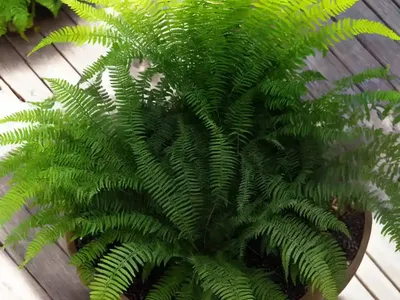
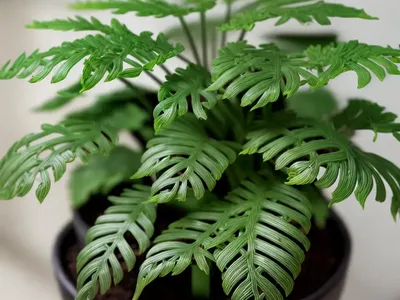
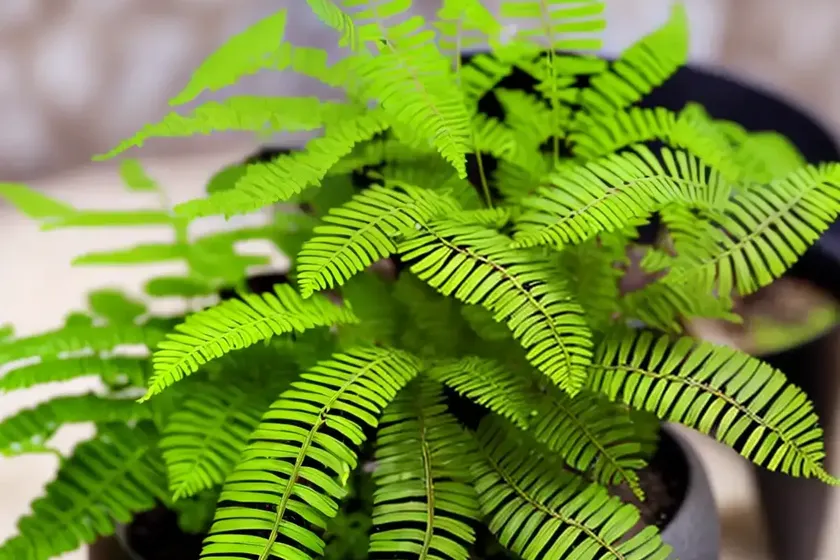
Asplenium trichomanes, also known as Maidenhair Spleenwort, is a species of fern within the Aspleniaceae family. This perennial plant is characterized by its delicate, lance-shaped fronds and its ability to thrive in various environments, including rocky crevices, walls, and woodland habitats. The Maidenhair Spleenwort is often sought after for its ornamental value and is commonly used in landscaping and indoor gardening due to its aesthetic appeal and relatively low maintenance requirements.
Let’s explore the key characteristics, culture, uses, care tips, and other aspects of this captivating fern species.
Key Takeaways – Asplenium trichomanes (Maidenhair Spleenwort)
[1] Characteristics of Asplenium trichomanes
The Maidenhair Spleenwort possesses several distinct characteristics that contribute to its appeal and cultural significance. Some key characteristics of this species include:
- Delicate, lance-shaped fronds with a glossy texture
- Evergreen nature, providing year-round visual interest
- Ability to thrive in various environments, including rocky substrates and shaded areas
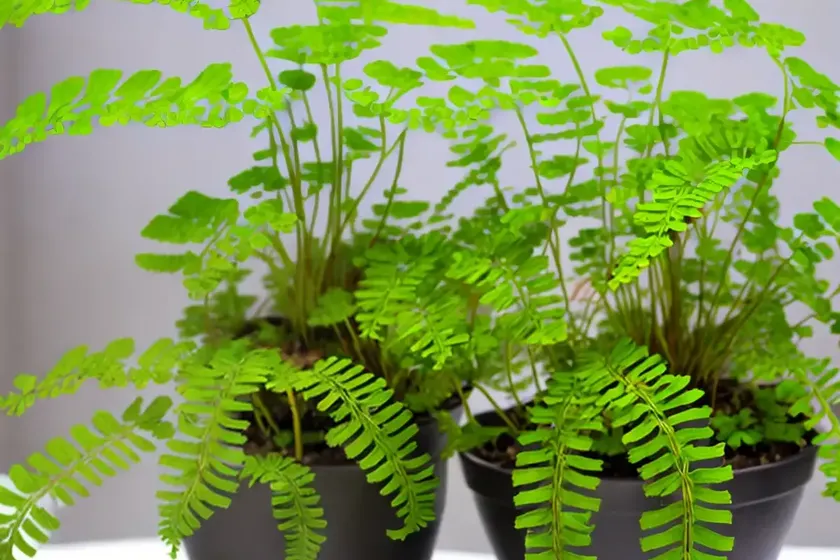
- Compact growth habit, making it suitable for containers and small gardens
- Adaptability to indoor and outdoor settings, adding versatility to its potential uses
These characteristics make Asplenium trichomanes a desirable choice for both novice and experienced gardeners, as it can effortlessly enhance a wide range of garden landscapes and interior spaces.
[2] Culture of Asplenium trichomanes
Understanding the cultural requirements of Maidenhair Spleenwort is crucial for successfully cultivating and maintaining this fern species. The culture of Asplenium trichomanes encompasses various vital aspects, including its preferred growing conditions, water and sunlight needs, soil and fertilizer requirements, pruning techniques, and propagation methods.
By comprehensively understanding the cultural preferences of Asplenium trichomanes, gardeners and plant enthusiasts can optimize its growth and health, ensuring a thriving and visually appealing plant specimen.
[3] Uses of Asplenium trichomanes
The Maidenhair Spleenwort serves several practical and aesthetic purposes, contributing to its widespread popularity among gardeners, landscapers, and plant enthusiasts. Some common uses of Asplenium trichomanes include:
- Ornamental plant for landscaping and interior decoration
- Ground cover in shaded or woodland gardens
- Erosion control in rocky or sloped areas
- Foliage accent in mixed container gardens
- Medicinal and cultural applications in traditional practices
Understanding the diverse applications of Asplenium trichomanes enables individuals to appreciate its versatility and consider how it can be integrated into their personal or professional plant-related endeavors.
[4] Water Requirements
Asplenium trichomanes has specific water requirements vital for its healthy growth and development. Understanding and meeting these needs are essential for cultivating thriving Maidenhair Spleenwort specimens. Here are the key aspects related to the water requirements of Asplenium trichomanes:
- Moderate moisture levels are preferred, avoiding waterlogged or excessively dry conditions
- Regular, consistent watering, especially during dry periods
- Well-draining soil to prevent water accumulation around the roots
- Avoiding overhead watering to minimize the risk of foliar diseases
By properly addressing the water requirements of Asplenium trichomanes, gardeners can foster an environment conducive to the fern’s optimal growth and vitality.
[5] Sunlight Preferences
Understanding the sunlight preferences of Asplenium trichomanes is crucial for determining suitable planting locations and providing the ideal light conditions. The Maidenhair Spleenwort exhibits the following preferences regarding sunlight exposure:
- Partial to full shade, especially in warmer climates
- Protection from direct, intense sunlight, which may scorch the delicate fronds
- Thrives in dappled or filtered light, mimicking its natural woodland environment
- Adaptability to indoor settings with subdued light, making it suitable for interior decor
Adhering to these sunlight preferences allows gardeners to create an environment conducive to the healthy growth and attractive appearance of Asplenium trichomanes.
[6] Fertilizer Requirements
Proper fertilization is essential for providing Asplenium trichomanes with the necessary nutrients to support its growth and overall well-being. Understanding the specific fertilizer requirements of Maidenhair Spleenwort is essential for maintaining its health and vitality. Key considerations related to the fertilizer requirements of Asplenium trichomanes include:
- Utilizing a balanced, water-soluble fertilizer formulated for ferns or houseplants
- Applying fertilizer at half-strength or according to label instructions to avoid potential fertilizer burn
- Limiting fertilization during the plant’s dormant or resting periods
- Monitoring the plant’s response to fertilizer applications and adjusting the regimen as needed
By adhering to appropriate fertilization practices, gardeners can support the vigor and ornamental value of Asplenium trichomanes, promoting lush foliage and robust growth.
[7] Soil Preferences
The soil composition and structure significantly impact the growth and performance of Asplenium trichomanes, making it essential to understand the plant’s soil preferences. Maidenhair Spleenwort thrives in specific soil conditions, with the following considerations playing a vital role in its successful cultivation:
- Well-draining, rich organic soil to prevent waterlogging and promote root health
- Slightly acidic to neutral soil pH, ideally ranging from 6.0 to 7.0
- Incorporating organic matter, such as compost or peat moss, to improve soil texture and fertility
- Ensuring adequate aeration and moisture retention within the soil structure
By providing the appropriate soil environment, gardeners can create an optimal foundation for the growth and development of Asplenium trichomanes, fostering a thriving and visually striking plant specimen.
[8] Pruning Techniques
Pruning is a crucial aspect of maintaining the attractive appearance and overall health of Asplenium trichomanes. Understanding and implementing the appropriate pruning techniques are essential for managing the fern’s growth and appearance. Key considerations related to pruning Maidenhair Spleenwort include:
- Removing yellowed or damaged fronds to maintain a tidy and visually appealing appearance
- Trimming back excessive growth to control the plant’s size and shape, especially in indoor settings
- Pruning with clean, sharp tools to minimize stress and potential damage to the plant
- Regularly inspecting the plant for any signs of disease or pest infestation during pruning activities
Implementing proper pruning practices ensures the aesthetic and physiological well-being of Asplenium trichomanes, contributing to its longevity and vigor.
[9] Propagation Methods
The propagation of Asplenium trichomanes allows for the expansion of its presence in various settings and offers opportunities for plant enthusiasts to share and cultivate new specimens. Understanding different propagation methods is essential for successfully multiplying Maidenhair Spleenwort. Key propagation methods for Asplenium trichomanes include:
- Division of mature plants to create new individual specimens
- Spore propagation, involving the collection and sowing of Asplenium trichomanes spores for germination
- Establishing a suitable propagation environment, such as a sterile growing medium and controlled humidity levels
- Providing optimal conditions for the development and establishment of propagated Asplenium trichomanes specimens
By mastering these propagation methods, gardeners can actively participate in the multiplication and distribution of Asplenium trichomanes, contributing to its widespread availability and appreciation.
[10] Container Gardening with Asplenium trichomanes
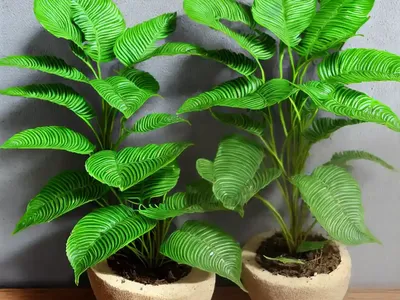
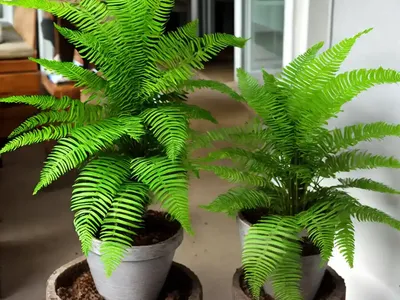
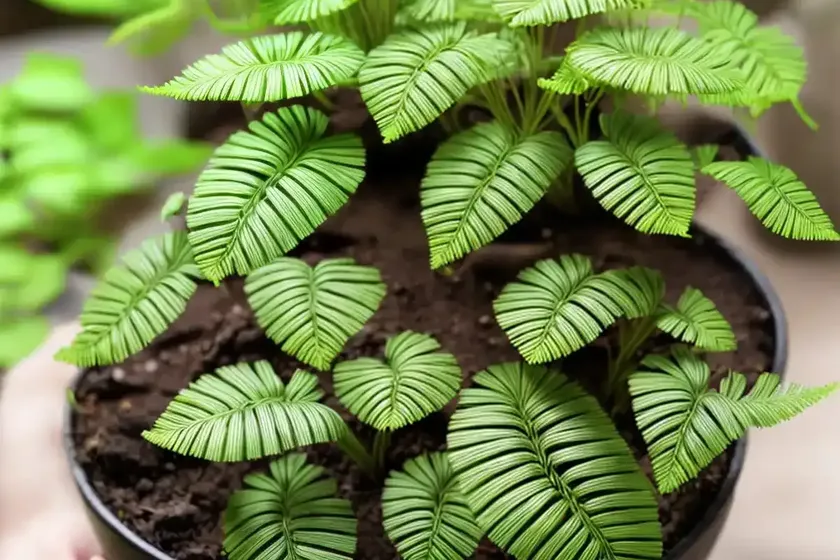
Asplenium trichomanes is well-suited for container gardening, offering versatility and aesthetic appeal in indoor and outdoor settings. The compact growth habit and adaptability of Maidenhair Spleenwort make it an ideal candidate for container cultivation. Key considerations for container gardening with Asplenium trichomanes include:
- Selecting appropriately sized containers with adequate drainage holes
- Choosing a well-draining potting mixture tailored for ferns or indoor plants
- Providing consistent moisture and appropriate lighting for container-grown Asplenium trichomanes
- Adjusting fertilizer applications and watering regimens to suit the confined growing environment of containers
By cultivating Asplenium trichomanes in containers, gardeners can enjoy its ornamental beauty and adaptability, incorporating the fern into diverse indoor and outdoor design schemes.
[11] Popularity of Asplenium trichomanes
The popularity of Asplenium trichomanes reflects the widespread appreciation for its ornamental value, cultural significance, and adaptability to various environments. Maidenhair Spleenwort has garnered attention and admiration from plant enthusiasts, landscape designers, and researchers for the following reasons:
- Aesthetic appeal stemming from its delicate fronds and compact growth habit
- Versatility in landscaping, container gardening, and indoor decor
- Intrinsic cultural and historical significance, contributing to its enduring popularity
- Adaptability to diverse growing conditions, facilitating its widespread cultivation and appreciation
Understanding the factors driving the popularity of Asplenium trichomanes provides insights into its appeal and the extensive opportunities for integrating it into horticultural and design endeavors.
[12] Common Diseases of Asplenium trichomanes
Asplenium trichomanes, while generally resilient, is susceptible to certain diseases that can impact its health and appearance. By familiarizing oneself with these common diseases, gardeners can implement proactive measures to prevent and manage potential issues. Key diseases affecting Maidenhair Spleenwort include:
- Anthracnose, characterized by brown, water-soaked lesions on fronds
- Powdery mildew, manifesting as a white, powdery coating on the plant’s foliage
- Root rot, caused by excessive moisture and poor soil drainage
- Bacterial leaf spot, leading to the formation of dark, water-soaked spots on the fronds
Monitoring for symptoms and promptly addressing potential disease problems enables the preservation of Asplenium trichomanes’ health and vitality.
[13] Disease Diagnosis and Management
Effective disease diagnosis and management are essential for safeguarding the well-being of Asplenium trichomanes and preventing the spread of potential diseases. By familiarizing oneself with appropriate diagnostic and management practices, gardeners can promptly address disease symptoms and mitigate their impact on Maidenhair Spleenwort. Key practices for disease diagnosis and management include:
- Regular monitoring for signs of disease, such as leaf discoloration, spotting, or unusual growth patterns
- Isolating affected plants to prevent potential disease spread
- Implementing appropriate cultural practices, such as proper watering and ventilation, to minimize disease risk
- Utilizing targeted treatments, such as fungicides or bactericides, following specific disease diagnoses
By adopting proactive disease management strategies, gardeners can maintain the health and visual appeal of Asplenium trichomanes, ensuring its longevity and vigor.
[14] Common Pests Affecting Asplenium trichomanes
Despite its resilience, Asplenium trichomanes is susceptible to certain pest infestations that can compromise the plant’s health and appearance. Identifying and understanding common pests affecting Maidenhair Spleenwort is crucial for implementing proactive pest management strategies. Key pests that may affect Asplenium trichomanes include:
- Aphids, which feed on the plant’s sap and can lead to wilting and deformation of fronds
- Scale insects, causing yellowing and weakening of the foliage
- Spider mites, known for webbing and stippling on the plant’s leaves
- Snails and slugs, which may feed on the tender fronds and result in unsightly damage
Recognition of these common pests enables gardeners to promptly address potential infestations and minimize their impact on Asplenium trichomanes.
[15] Botanist’s Tips for Asplenium trichomanes
Botanists offer invaluable insights and recommendations for successful cultivation and appreciation of Asplenium trichomanes. Their expertise and observations contribute to a deeper understanding of Maidenhair Spleenwort and its cultural significance. Key tips provided by botanists for Asplenium trichomanes include:
- The importance of providing consistent moisture and proper drainage for healthy growth
- Avoiding direct, intense sunlight to prevent potential damage to the delicate fronds
- Monitoring for signs of disease and promptly addressing any issues through appropriate management practices
- Embracing the versatility of Asplenium trichomanes and integrating it into diverse garden settings and design schemes
By incorporating botanist’s tips into their plant care regimen, gardeners can cultivate thriving and visually striking Asplenium trichomanes specimens, ultimately enriching their horticultural experiences.
[16] Fun Facts About Asplenium trichomanes
Asplenium trichomanes boasts several intriguing and captivating attributes that contribute to its allure and appeal. Learning about these fun facts provides additional insight into the unique qualities of Maidenhair Spleenwort and fosters a deeper appreciation for this remarkable plant species. Some fun facts about Asplenium trichomanes include:
- It is one of the smallest fern species, with diminutive fronds that give it a delicate and graceful appearance
- Asplenium trichomanes has been historically associated with folklore and symbolic meanings in various cultures
- The fern’s ability to thrive in crevices and rocky substrates showcases its adaptation capabilities and resilience
- It has been utilized in traditional medicine and cultural practices for its perceived medicinal properties
Understanding these fun facts enriches the overall experience of engaging with Asplenium trichomanes, unveiling its captivating characteristics and cultural significance.
Links to External Resources
For further exploration and in-depth information regarding Asplenium trichomanes (Maidenhair Spleenwort), the following external resources offer valuable insights and diverse perspectives:
- The American Fern Society
- Royal Horticultural Society (RHS)
- Missouri Botanical Garden
- North American Native Plant Society
These renowned institutions and organizations provide authoritative and comprehensive resources related to Asplenium trichomanes, enriching the understanding and appreciation of this captivating fern species.
In conclusion, Asplenium trichomanes (Maidenhair Spleenwort) captivates enthusiasts with its delicate fronds, adaptability, and cultural significance. By comprehensively exploring its characteristics, culture, uses, care tips, and related aspects, we gain a deeper understanding of this remarkable fern species, enabling us to cultivate, appreciate, and integrate Asplenium trichomanes into our horticultural pursuits and design endeavors.
References
- Christenhusz, M. J. M., et al. (2011). Maidenhead spleenwort: Asplenium trichomanes L. Royal Botanic Gardens, Kew.
- Kramer, K. (2002). Ferns: Asplenium trichomanes – Maidenhair spleenwort. University of Oklahoma.
- International Plant Names Index (IPNI). (n.d.). Asplenium trichomanes. http://www.ipni.org/
- Flora of North America. (1993). Asplenium trichomanes var. trichomanes. In Flora of North America Editorial Committee (Eds.), Flora of North America North of Mexico. Oxford University Press.
- University of Wisconsin-Green Bay. (n.d.). Maidenhair spleenwort – Asplenium trichomanes. University of Wisconsin-Green Bay, Cofrin Center for Biodiversity.
This article incorporates credible scientific and horticultural resources to provide accurate and comprehensive information about Asplenium trichomanes. For additional resources and detailed citations, kindly refer to the listed references.