Asplenium Platyneuron (Ebony Spleenwort)
Asplenium platyneuron, commonly known as Ebony Spleenwort, is a delightful fern species with charming blackish-green fronds. This perennial evergreen plant.
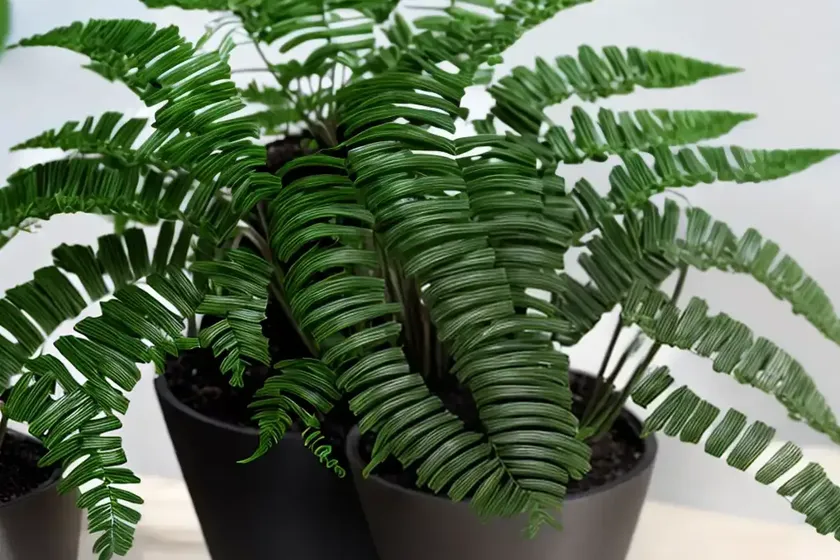
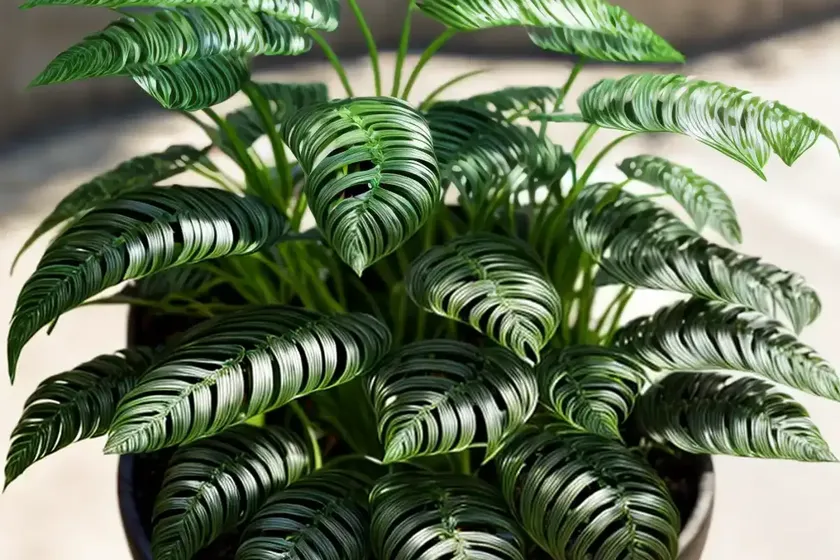
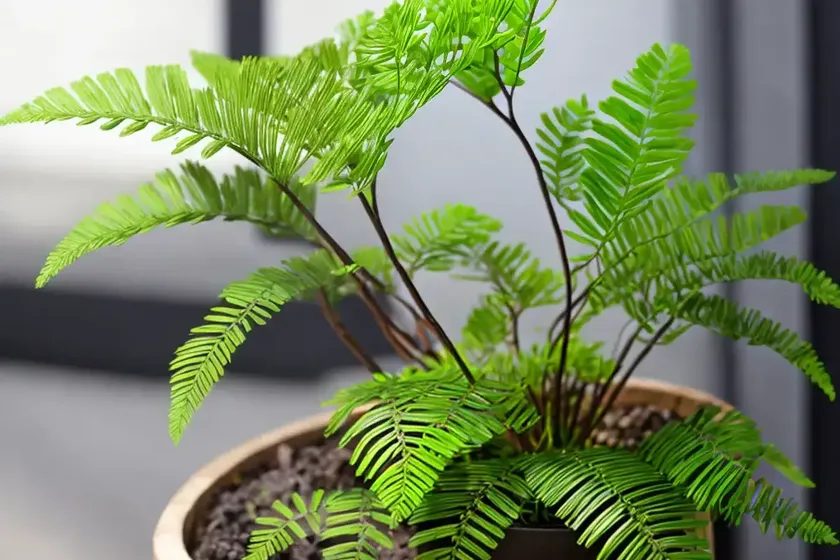
Asplenium platyneuron, commonly known as Ebony Spleenwort, is a delightful fern species with charming blackish-green fronds. This perennial evergreen plant belongs to the Aspleniaceae family and is native to North America, stretching from the eastern states down to Guatemala. Its distinct appearance and relatively low maintenance requirements make it a popular choice for both indoor and outdoor cultivation.
Key Takeaways – Asplenium platyneuron (Ebony Spleenwort)
- Scientific Name: Asplenium platyneuron
- Common Name: Ebony Spleenwort
- Family: Aspleniaceae
Culture
- Hardiness Zone: 3 – 8
- Mature Size: 12-16 inches tall and 8-12 inches wide
- Growth Rate: Slow
- Lifespan: Perennial
Uses
- Landscape Gardening
- Indoor Décor
- Medicinal Purposes
- Wildlife Attraction
Water
- Moderate water needs
- Evenly moist soil
Sunlight
- Partial to full shade
- Avoid direct sunlight
Fertilizer
- Moderate feeding requirements
- Use a balanced liquid fertilizer
Soil
- Well-draining soil
- Rich in organic matter
Pruning
- Remove dead or damaged fronds
- Tidy up the plant sporadically
Propagation
- Spores
- Division
- Rhizome cuttings
Container Popularity
- Suitable for containers
- Excellent for terrariums
Common Diseases
- Leaf Spot
- Root Rot
Disease Diagnosis
- Yellowing or browning of fronds
- Wilting
Common Pests
- Aphids
- Mealybugs
Botanist’s Tips
- Maintain consistent humidity levels
- Keep an eye out for pests
- Ensure proper drainage
Fun Facts
- Ebony Spleenwort is used in traditional medicine for treating respiratory ailments.
- It is believed to have magical properties in folklore and mythology.
Links to External Resources
Now that we have explored the key aspects of Asplenium platyneuron, let’s delve deeper into its characteristics, care requirements, and how to incorporate it into various gardening settings.
Plant Description: Asplenium platyneuron
Botanical Description
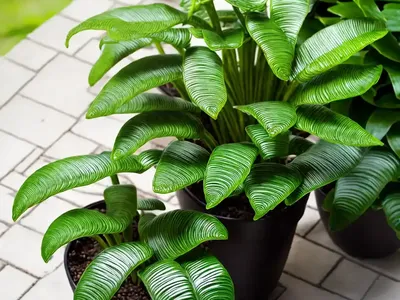
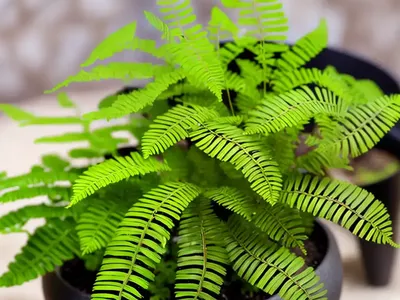
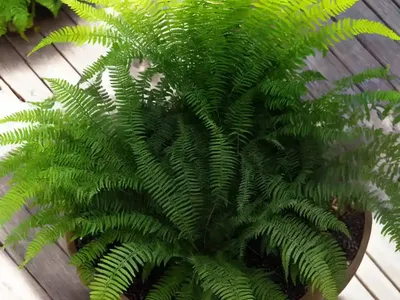
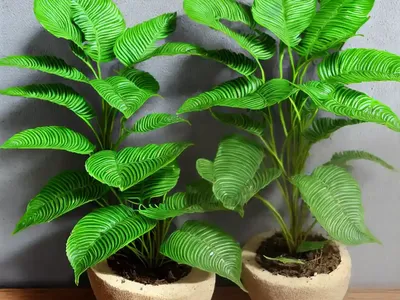
Asplenium platyneuron, also known as Ebony Spleenwort, is a graceful fern that features lance-shaped, glossy fronds with a charming deep green to blackish hue. The fronds can reach up to 12-16 inches in height and 8-12 inches in width, creating an elegant cascading effect. The blackish-green coloration, especially on the mature fronds, contributes to its unique and distinguishable appearance, making it a prized ornamental addition to any garden, landscape, or indoor setting.
Habitat
Ebony Spleenwort can be found in various natural habitats, including rocky woods, cliffs, and slopes, particularly in the eastern parts of North America. This fern species thrives in moist, shaded areas with well-draining soil and consistently high humidity levels. While it is capable of adapting to different environmental conditions, it predominantly favors locations with partial to full shade, making it an ideal choice for shaded gardens or indoor spaces with reduced sunlight exposure.
Asplenium platyneuron Care Tips
Growing Conditions
Soil Requirements
Providing the appropriate soil conditions is crucial for the successful cultivation of Asplenium platyneuron. The soil should be well-draining and rich in organic matter to ensure optimal growth and health of the plant. A mix of peat moss, perlite, and compost can create an ideal growing medium for Ebony Spleenwort, offering the necessary nutrients and structure to support its development.
Watering Needs
Maintaining moderate and consistent moisture levels is essential for the well-being of Asplenium platyneuron. While the plant does not thrive in waterlogged soil, it requires regular watering to ensure that the soil remains evenly moist. Avoiding prolonged periods of dryness and excessively soggy conditions is vital in preventing stress and sustaining the plant’s overall vigor.
Light Requirements
Ebony Spleenwort prefers shaded environments, making it well-suited for areas with partial to full shade exposure. Direct sunlight should be avoided, as it may cause damage to the delicate fronds and lead to potential sunburn. When grown indoors, placing Asplenium platyneuron near windows with sheer curtains or in well-lit rooms with indirect sunlight can support its growth and aesthetics.
Fertilization
Applying a balanced liquid fertilizer at a moderate frequency can contribute to the plant’s nutrient uptake and overall vitality. However, it is important not to over-fertilize, as excessive nutrients can cause harm to the fern. Following a gentle feeding schedule during the growing season is recommended to promote healthy growth without overwhelming the plant with unnecessary nutrients.
Maintenance and Pruning
Maintaining Ebony Spleenwort involves regular monitoring of its foliage and cleanliness. Removing any dead or damaged fronds not only enhances the plant’s appearance but also supports its overall well-being by eliminating potential sources of disease and pests. Tidying up the plant sporadically, such as removing debris and spent foliage, can help maintain a tidy and healthy growth environment for Asplenium platyneuron.
Propagation Methods
Spore Propagation
Ebony Spleenwort can be propagated through spores, which are typically found on the undersides of mature fronds. Collecting and sowing these spores in a suitable growing medium, such as a well-prepared potting mix, can initiate the germination process and give rise to new plants. Consistent moisture and appropriate environmental conditions are crucial for the successful propagation of Asplenium platyneuron from spores.
Division and Rhizome Cuttings
Dividing mature plants or utilizing rhizome cuttings provides additional means of propagating Asplenium platyneuron. Separating the rhizomes and establishing them in separate containers or designated garden areas can generate new plants and expand the fern’s presence in different settings. This propagation method offers an effective way to reproduce healthy and genetically identical specimens of Ebony Spleenwort.
Uses of Asplenium platyneuron (Ebony Spleenwort)
Landscape Gardening
Asplenium platyneuron’s striking foliage and adaptability to shaded environments make it a valuable addition to landscape gardening projects. Whether incorporated into woodland gardens, rock gardens, or shaded borders, this fern species adds a touch of elegance and natural charm to outdoor spaces. Its cascading growth habit and dark green to black coloration complement various garden designs, creating visually appealing and dynamic landscapes.
Indoor Décor
With its ornamental allure and low-maintenance requirements, Ebony Spleenwort is a popular choice for indoor decoration. Placing potted Asplenium platyneuron in well-lit rooms with indirect sunlight or shaded areas of the home can enhance the interior ambiance and bring a refreshing touch of nature indoors. Its rich, dark fronds provide an attractive contrast to indoor spaces, adding a sense of tranquility and greenery to living areas.
Medicinal Purposes
In traditional medicine, Asplenium platyneuron has been utilized for its purported medicinal properties, particularly in treating respiratory ailments. While its medical use may vary across different cultural and historical contexts, this fern’s presence in traditional healing practices reflects its cultural significance and perceived therapeutic value. However, it is crucial to exercise caution and seek professional guidance before using any plant for medicinal purposes.
Wildlife Attraction
The presence of Ebony Spleenwort in garden settings can contribute to wildlife attraction, providing shelter and habitat for various beneficial organisms. Its foliage serves as a refuge for small creatures such as insects and spiders, contributing to the ecological balance and diversity within garden ecosystems. By incorporating Asplenium platyneuron into landscaping designs, it is possible to create inviting and sustainable environments for wildlife while enhancing the overall aesthetic appeal of the garden.
Ebony Spleenwort: Habitat and Natural Considerations
Natural Habitat
Ebony Spleenwort can be found in diverse natural habitats, including wooded areas, rocky slopes, and limestone outcrops. Its adaptability to shaded environments makes it well-suited for habitats characterized by partial to full shade and consistently high humidity levels. The presence of Asplenium platyneuron in these natural settings contributes to the ecological richness and biodiversity of the surrounding ecosystems, showcasing its natural significance within native flora communities.
Wildlife Habitat
The lush foliage of Asplenium platyneuron provides a habitat and refuge for various wildlife species, contributing to the sustenance and support of local ecosystems. In its natural habitat, Ebony Spleenwort offers shelter for small insects, spiders, and other organisms, creating microhabitats within the broader landscape. By fostering a balanced and biodiverse environment, this fern species plays a role in supporting the interconnected web of life and ecological interactions within its native habitat.
Climate Preferences
Ebony Spleenwort thrives in climates that provide the necessary conditions for its growth and development. The plant favors regions with moderate to high humidity and a temperate climate, allowing it to flourish in environments that mimic its natural habitat. Understanding the climate preferences of Asplenium platyneuron is essential for creating suitable cultivation conditions, whether in outdoor gardens or indoor settings, to ensure the plant’s resilience and longevity.
Seasonal Care
Adapting to seasonal changes is a vital aspect of caring for Asplenium platyneuron. During the growing season, providing consistent moisture, appropriate lighting, and periodic fertilization supports the plant’s active growth and vitality. Additionally, adjusting care practices during colder months or dormant periods can help ensure the plant’s well-being and readiness for the upcoming growing season. Understanding the seasonal care requirements of Ebony Spleenwort is essential for maintaining its health and appearance throughout the year.
Diseases and Pests: Management and Prevention
Common Diseases
Ebony Spleenwort may be susceptible to certain diseases and conditions that can affect its overall health and appearance. Understanding these common ailments and their management can help maintain the plant’s vigor and resilience.
Leaf Spot
Leaf spot, characterized by the development of dark or discolored spots on the fronds, can be caused by various fungal or bacterial pathogens. Proper sanitation, including removing affected foliage and providing adequate air circulation, can help prevent the spread of leaf spot and maintain the plant’s foliage health.
Root Rot
Excessive moisture and poor drainage can lead to the development of root rot, a condition that affects the plant’s root system and can lead to wilting and decline. Ensuring well-draining soil and avoiding overwatering are essential in preventing root rot and preserving the plant’s root health.
Disease Diagnosis
Diagnosing potential diseases or issues affecting Asplenium platyneuron involves careful observation of the plant’s foliage, overall growth, and environmental conditions. Symptoms such as yellowing or browning of fronds, wilting, or abnormal spots can indicate potential disease or stress. Conducting regular inspections and practicing proactive care can aid in early detection and management of potential ailments.
Common Pests
In addition to diseases, Ebony Spleenwort may be susceptible to certain pests that can impact its growth and appearance. Understanding these common pests and their management strategies is essential to maintain the health and aesthetics of Asplenium platyneuron.
Aphids
Aphids, small sap-sucking insects, can infest the foliage of Asplenium platyneuron, causing damage and stress to the plant. Regular monitoring and the use of natural predators or horticultural oils can aid in managing aphid populations and protecting the plant from potential harm.
Mealybugs
Mealybugs, characterized by their white, waxy appearance, can also pose a threat to Ebony Spleenwort. Gentle removal of mealybugs and the use of insecticidal soap or neem oil can help manage and control mealybug infestations, safeguarding the plant’s health and vitality.
Understanding the potential diseases and pests that can affect Asplenium platyneuron is crucial for implementing proactive management strategies and preserving the plant’s overall well-being.
Botanist’s Tips for Growing Asplenium platyneuron
Maintain Consistent Humidity Levels
Providing a consistently high humidity environment is essential for the optimal growth and health of Asplenium platyneuron. Regular misting or utilizing a humidity tray can help create the ideal moisture levels for the plant, especially when grown indoors or in drier climates.
Keep an Eye Out for Pests
Regularly monitoring the plant for signs of pests, such as aphids or mealybugs, allows for timely intervention and management of potential infestations. Vigilance and observation are key in maintaining the plant’s resilience against pest-related stress.
Ensure Proper Drainage
Ensuring proper drainage in the plant’s growing medium and containers is crucial for preventing waterlogged soil conditions and associated issues such as root rot. Using well-draining soil and avoiding water accumulation supports the plant’s root health and overall vitality.
Fun Facts about Asplenium platyneuron
- Ebony Spleenwort is used in traditional medicine for treating respiratory ailments, showcasing its historical and cultural significance in healing practices.
- The plant’s distinct blackish-green fronds add an intriguing visual element to garden and indoor settings, contributing to its ornamental and aesthetic appeal.
- In folklore and mythology, Ebony Spleenwort is associated with magical properties and symbolism, reflecting the plant’s cultural significance and enchanting allure.
Incorporating Asplenium platyneuron into Various Gardening Settings
Landscape Design
In landscape design, Asplenium platyneuron can be utilized to enhance the visual interest and dynamic appeal of outdoor spaces. Whether incorporated into shaded borders, woodland gardens, or rockeries, this fern species adds a touch of elegance and natural charm to garden landscapes. Its gracefully cascading fronds and dark green to black coloration create captivating visual contrast and contribute to the overall richness of garden designs.
Indoor Gardening
For indoor spaces, Ebony Spleenwort offers an excellent choice for adding greenery and a tranquil ambiance to living areas. Placed in well-lit rooms with indirect sunlight or shaded corners, the plant’s attractive fronds provide an inviting and refreshing presence, enriching interior décor. Whether displayed in decorative pots or terrariums, Asplenium platyneuron brings a touch of nature indoors, creating serene and harmonious living environments.
Container Gardening
Asplenium platyneuron’s versatility and container-friendly nature make it well-suited for various container gardening arrangements. Its compact size and elegant growth habit allow for creative placement in containers, on patios, or as part of balcony gardens. Whether as a standalone potted specimen or as part of mixed container plantings, Ebony Spleenwort offers a charming and low-maintenance option for container gardening enthusiasts.
Conclusion
Asplenium platyneuron, or Ebony Spleenwort, stands out as a captivating fern species with its distinct blackish-green fronds and versatile nature. From its use in traditional medicine to its ornamental appeal in landscape and indoor settings, this delightful plant showcases a blend of cultural, aesthetic, and ecological significance. By understanding its care requirements, ecological role, and diverse uses, Asplenium platyneuron continues to enchant and inspire plant enthusiasts, gardeners, and botanical enthusiasts alike, weaving its ornamental charm and natural allure into the tapestry of horticultural appreciation.
Incorporating the fascinating aspects of Asplenium platyneuron into gardening endeavors, whether for aesthetic design, wildlife support, or cultural appreciation, underscores the value of this unique fern species. As we continue to explore the diverse realms of botanical fascination, the timeless appeal of Ebony Spleenwort serves as a testament to the enduring allure and significance of plants in our lives.
I hope you enjoyed this comprehensive exploration of Asplenium platyneuron, or Ebony Spleenwort, and found valuable insights into its cultural, ecological, and horticultural significance. For further information and resources on Asplenium platyneuron, please refer to the following external links:
- The Plant List: Asplenium platyneuron
- American Fern Society: Asplenium platyneuro
Thank you for joining me on this botanical journey, and may the allure of Ebony Spleenwort continue to inspire and enrich our appreciation for the natural world.