Aspen (Populus Tremula)
We am always excited to delve into the diverse world of plants and trees. In this blog post, we’re going to put the spotlight on the aspen tree.



We am always excited to delve into the diverse world of plants and trees. In this blog post, we’re going to put the spotlight on the aspen tree, scientifically known as Populus tremula. The aspen tree, with its iconic leaves that shimmer and rustle in the wind, holds a special place in many ecosystems and human cultures. We’ll explore its characteristics, uses, cultivation, and much more.
Let’s get started with a deep dive into the world of aspen trees.
What is Aspen (Populus tremula)?
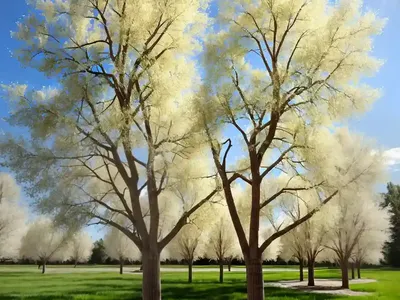
The aspen, scientifically known as Populus tremula, is a deciduous tree species belonging to the family Salicaceae. It is native to various regions across the Northern Hemisphere, including Europe and parts of Asia. Known for its striking features and ecological significance, the aspen tree has earned several other common names, including trembling aspen, quaking aspen, and white poplar.
Key Takeaways – Aspen (Populus tremula)
Before we delve into the specific aspects of aspen tree care and cultivation, let’s take a quick look at some key characteristics and uses associated with the aspen (Populus tremula):
- Trembling aspen (Populus tremula) is a deciduous tree known for its distinctive leaves that flutter and tremble in the breeze.
- It plays a crucial role in various ecosystems and wildlife habitats, supporting a wide range of species and contributing to biodiversity.
- Aspen wood is valued for its versatile applications, including woodworking, paper production, and other industrial uses.
- The aspen tree holds cultural and symbolic significance in folklore, mythology, and traditional medicine in different societies.
With these key takeaways in mind, let’s explore the various aspects of caring for and appreciating the aspen tree.
Culture
Understanding the cultural significance of the aspen tree adds depth and richness to our appreciation of this remarkable species. Across different cultures and societies, the aspen has been revered for its symbolic meanings, practical uses, and ecological contributions. Here are a few cultural facets associated with the aspen:
- Symbolism: In many cultures, the aspen tree is associated with symbolism related to resilience, regeneration, and adaptability. Its trembling leaves have been often linked to themes of change and transformation.
- Folklore and Mythology: The aspen tree appears in the folklore and mythology of various cultures, symbolizing different ideas such as protection, communication with the spirit world, and even guidance in times of uncertainty.
- Traditional Medicine: Some traditional healing practices involve the use of aspen bark and other parts of the tree for medicinal purposes, often for treating ailments related to pain and inflammation.
Understanding the cultural context of the aspen tree helps us appreciate its significance beyond its ecological and practical aspects.
Uses
The aspen tree offers a wide range of practical uses, making it valuable for both ecological restoration and human activities. From its wood to its bark, the aspen tree provides various resources and benefits:
- Woodworking: Aspen wood is renowned for its light color, smooth texture, and workability, making it popular for crafting furniture, musical instruments, and other wooden items.
- Paper Production: The pulp of aspen wood is used in the paper industry, contributing to the production of high-quality papers and cellulose-based products.
- Traditional Crafts: In some cultures, aspen bark has been used for crafting baskets, ropes, and other traditional items, showcasing the tree’s versatility as a natural resource.
- Wildlife Habitat: As a keystone species, the aspen tree supports a diverse array of wildlife, providing food, shelter, and nesting sites for birds, mammals, and other organisms.
Recognizing the multiple uses and benefits of the aspen tree highlights its ecological and economic importance in various contexts.
Water
Watering is a crucial aspect of caring for aspen trees, especially during their establishment and early growth stages. Proper irrigation helps maintain the tree’s health and resilience in different environments. Here are some essential points to consider when watering aspen trees:
- Establishment Phase: Newly planted aspen trees require regular watering to aid in their root establishment. Adequate moisture is critical for the trees to develop a strong, healthy root system.
- Soil Moisture: It’s important to monitor soil moisture levels around aspen trees, ensuring that the soil is consistently moist but well-drained. Overly soggy or waterlogged soil can lead to root issues and other problems.
- Drought Stress: During periods of drought or dry weather, supplemental watering may be necessary to support the aspen trees, especially in urban or landscaped settings where water availability may be limited.
By understanding the water needs of aspen trees, we can provide them with the necessary moisture for optimal growth and vitality.
Sunlight
Like many tree species, the aspen tree has specific sunlight requirements for healthy growth and development. Understanding its sunlight preferences is essential for choosing suitable planting locations and ensuring that the trees thrive in their environment. Here’s what you need to know about sunlight and aspen trees:
- Full Sun: Aspen trees typically prefer full sun exposure, thriving in locations where they receive direct sunlight for a significant portion of the day. Adequate sunlight promotes robust foliage and overall tree vigor.
- Shade Tolerance: While aspen trees favor sunny conditions, they can also tolerate some degree of shade, especially when young. However, excessive shade can affect their growth and may lead to sparse foliage.
- Site Selection: When planning the location for planting aspen trees, consider the amount of sunlight available in the area and choose spots that receive ample sunlight for optimal growth.
By ensuring that aspen trees receive appropriate sunlight, we can support their photosynthetic activity and overall well-being.
Fertilizer
Providing appropriate nutrients through fertilization can enhance the growth and health of aspen trees, particularly in settings where soil fertility may be limited. Understanding the principles of fertilizing aspen trees helps ensure that they receive the necessary nutrients for vigorous growth. Here are some fertilization considerations for aspen trees:
- Soil Testing: Before applying fertilizers, it’s helpful to conduct soil tests to assess the existing nutrient levels and identify any deficiencies that may require supplementation.
- Nitrogen Needs: Aspen trees often benefit from nitrogen-rich fertilizers that support their leafy growth and overall vigor. However, it’s important to avoid excessive nitrogen application, which can lead to imbalanced growth.
- Application Timing: Fertilizers are generally applied during the tree’s active growing season, typically in spring or early summer, to facilitate nutrient uptake and utilization.
- Organic Options: In organic gardening or natural landscaping, organic fertilizers and soil amendments can be used to provide nutrients to aspen trees while promoting soil health and microbial activity.
By implementing appropriate fertilization practices, we can support the nutritional requirements of aspen trees, contributing to their vitality and resilience.
Soil
The soil environment significantly influences the growth and overall health of aspen trees. Understanding the soil preferences and requirements of aspen trees is essential for successful cultivation and maintenance. Here’s what you should know about soil and aspen trees:
- Well-Drained Soil: Aspen trees thrive in well-drained soil conditions, as excessive moisture can lead to root rot and other issues. Ensure that the planting site has good drainage to prevent waterlogging.
- Soil pH: Aspen trees generally prefer neutral to slightly acidic soil pH levels. Conducting a soil pH test can help determine if any adjustments are needed to create an optimal growing environment for the trees.
- Soil Amendments: In certain cases, soil amendments such as organic matter or compost may be beneficial for improving soil structure and nutrient availability, especially when dealing with compacted or nutrient-poor soils.
By paying attention to soil quality and making necessary adjustments, we can create a supportive growing environment for aspen trees, promoting their long-term success.
Pruning
Pruning plays a vital role in shaping the growth and structure of aspen trees, as well as managing their overall health and appearance. Proper pruning practices help maintain the trees’ form and vitality while minimizing potential issues. Here are some essential points to consider when pruning aspen trees:
- Pruning Objectives: Pruning goals for aspen trees may include removing dead or diseased branches, shaping the tree’s canopy, and addressing structural issues to promote tree strength and safety.
- Timing: Pruning is typically conducted during the dormant season, in late winter to early spring, when the trees are not actively growing. This timing helps minimize stress and potential damage to the trees.
- Tools and Techniques: Using sharp, clean pruning tools, such as hand pruners or pruning saws, ensures precision and helps prevent unnecessary injury to the trees.
- Branch Collar Preservation: When removing branches, it’s important to avoid damaging the branch collar, a swollen area at the base of the branch, as it plays a role in the tree’s healing process.
Adhering to proper pruning principles helps promote the health, aesthetics, and longevity of aspen trees, contributing to their overall well-being.
Propagation
Propagating aspen trees allows for the expansion of their presence in landscapes, conservation efforts, and various other applications. Understanding the methods of propagation for aspen trees can support their reproduction and genetic diversity. Here are some common approaches to propagating aspen (Populus tremula):
- Seed Propagation: Aspen trees can be propagated from seeds, with careful consideration of seed collection, storage, and germination requirements. Seed propagation contributes to genetic diversity and species conservation.
- Vegetative Propagation: Certain aspen tree varieties can be propagated through vegetative methods such as cuttings, particularly for preserving characteristics of specific cultivars or genetic traits.
- Root Suckers: Aspen trees are known for their ability to produce root suckers, which can be used for propagation purposes, allowing for the development of new trees from existing root systems.
Exploring different propagation methods can help expand the presence of aspen trees while preserving their genetic heritage and diversity.
Container Popularity
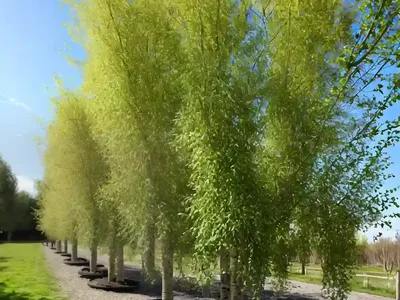
Aspen trees, particularly smaller cultivars or varieties, are well-suited for container cultivation, offering opportunities for landscaping, urban greening, and portable greenery arrangements. Cultivating aspen trees in containers presents several benefits and considerations:
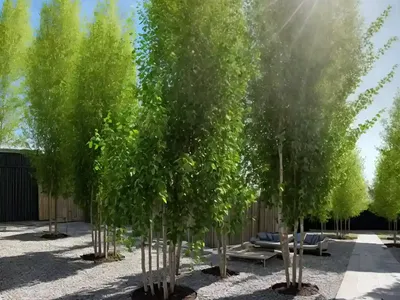
- Urban Landscaping: Container-grown aspen trees can be used to enhance urban environments, providing greenery, shade, and ecological benefits in areas with limited ground space.
- Portability: Container-grown aspen trees offer flexibility in their placement, allowing for seasonal arrangement changes and mobility in outdoor or indoor settings.
- Soil and Drainage: Selecting appropriate containers and ensuring proper soil quality and drainage are crucial for the successful cultivation of aspen trees in containers, promoting healthy growth and minimizing stress on the trees.
- Size and Variety: Compact or dwarf aspen tree varieties are often preferred for container cultivation, offering manageable sizes and attractive foliage for ornamental purposes.
By embracing container cultivation, we can incorporate the beauty and ecological value of aspen trees into diverse settings and design concepts.
Common Diseases
Aspen trees, like other plant species, are susceptible to certain diseases that can affect their growth and vitality. Recognizing common diseases and understanding their characteristics is essential for implementing preventive measures and appropriate management strategies. Here are some common diseases that can impact aspen trees:
- Marssonina Leaf Spot: This fungal disease causes dark spots to develop on aspen leaves, potentially leading to defoliation and reduced tree vitality.
- Cytospora Canker: Cytospora cankers can affect the branches of aspen trees, causing sunken areas and dieback and increasing susceptibility to secondary issues.
- Powdery Mildew: Powdery mildew infections can result in a powdery white coating on the leaves, affecting photosynthetic activity and overall tree health.
- Rust Diseases: Various rust fungi can infect aspen trees, causing symptoms such as yellow or orange powdery growth on the leaves and stems, potentially leading to defoliation.
By being aware of common diseases and their potential impact, we can take proactive measures to protect aspen trees and minimize the risk of disease development.
Disease Diagnosis
Diagnosing diseases in aspen trees involves careful observation of symptoms, understanding environmental factors, and, in some cases, seeking professional assistance to confirm disease presence and identify appropriate management strategies. Here are essential steps for disease diagnosis in aspen trees:
- Symptom Recognition: Recognizing the specific symptoms of diseases, such as leaf spots, cankers, or abnormal growth, is crucial for narrowing down potential disease issues.
- Environmental Factors: Consider environmental conditions, such as moisture levels, soil quality, and air circulation, which can contribute to disease development and progression in aspen trees.
- Professional Consultation: If disease diagnosis is challenging or requires specialized expertise, consulting with arborists, horticulturists, or plant pathologists can provide accurate identification and tailored recommendations for disease management.
By honing our skills in disease diagnosis and seeking appropriate guidance when needed, we can effectively address disease issues in aspen trees and safeguard their health.
Common Pests
Pests can pose threats to aspen trees, impacting their foliage, overall growth, and resilience. Recognizing common pests and their potential effects is critical for implementing integrated pest management strategies and preserving the health of aspen trees. Here are some common pests that may affect aspen trees:
- Aphids: Aphids can infest aspen trees, feeding on the sap and causing leaf distortion, honeydew secretion, and potential sooty mold development.
- Poplar Twig Gall Fly: The larvae of this fly species can induce the formation of conspicuous galls on aspen twigs, affecting tree aesthetics and potentially leading to branch weakening.
- Leaf Beetles: Certain leaf beetle species can feed on aspen leaves, causing defoliation and aesthetic damage, particularly in areas with high pest populations.
- Scales: Scale insects can infest aspen trees, appearing as small, immobile bumps on the branches and stems, extracting plant fluids and contributing to stress and decline.
Understanding the characteristics and potential impact of common pests helps develop effective pest management strategies for protecting aspen trees.
Botanist’s Tips
As a plant scientist passionate about trees and their ecological importance, I’d like to share a few practical tips and insights for cultivating, appreciating, and conserving aspen trees:
- Ecosystem Contributions: Recognize the vital role of aspen trees in supporting diverse ecosystems and wildlife habitats, emphasizing the importance of conserving and restoring their presence in natural landscapes.
- Genetic Diversity: Encourage the preservation of genetic diversity in aspen tree populations, considering their ecological resilience and potential adaptability to changing environmental conditions.
- Education and Awareness: Promote public awareness of the ecological, cultural, and practical significance of aspen trees, fostering an appreciation for their contributions to human and natural environments.
By embracing these botanical insights, we can contribute to the conservation and sustainable management of aspen trees, ensuring their continued presence and value for future generations.
Fun Facts
To wrap up our exploration of aspen trees, here are a few fun and intriguing facts about this remarkable tree species:
- Clonal Reproduction: Aspen trees are known for their ability to propagate through root suckers, leading to the development of expansive groves and colonies of genetically identical trees.
- Fall Coloration: The leaves of aspen trees often exhibit vibrant autumn colors, ranging from golden yellows to rich oranges, adding a stunning visual display to landscapes.
- Wildlife Support: Aspen trees provide essential resources and habitat for a diverse array of wildlife, including birds, mammals, insects, and fungi, supporting intricate ecological relationships.
These fun facts offer glimpses into the fascinating characteristics and ecological roles of aspen trees, enriching our appreciation for their natural wonders.
Links to External Resources
If you’re interested in delving deeper into the world of aspen trees and related topics, here are some valuable external resources for further exploration: