Asclepias Cordifolia (Heartleaf Milkweed)
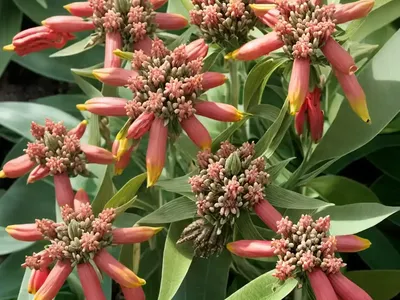
Asclepias cordifolia, commonly known as Heartleaf Milkweed, is a captivating and ecologically significant plant native to North America. This herbaceous.
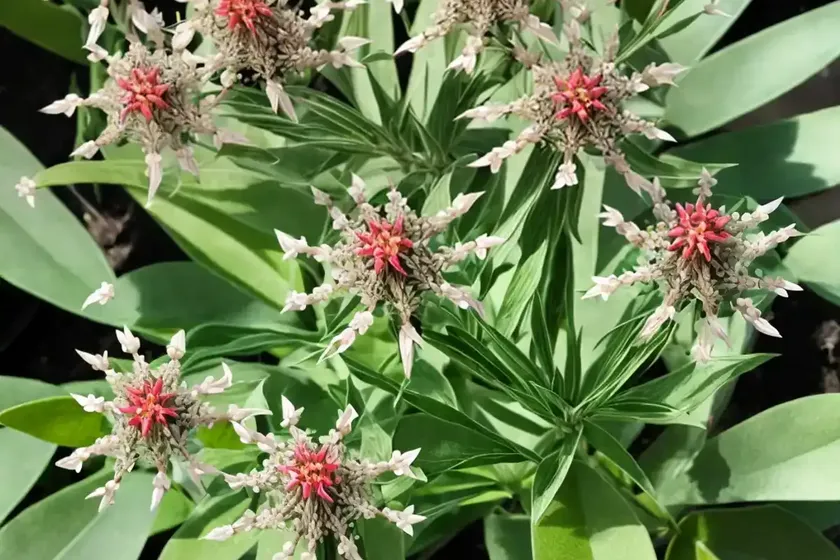
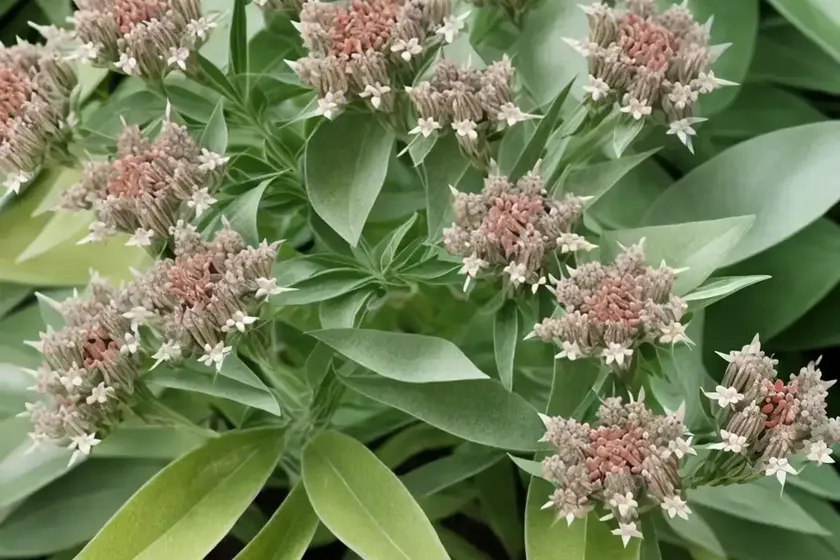
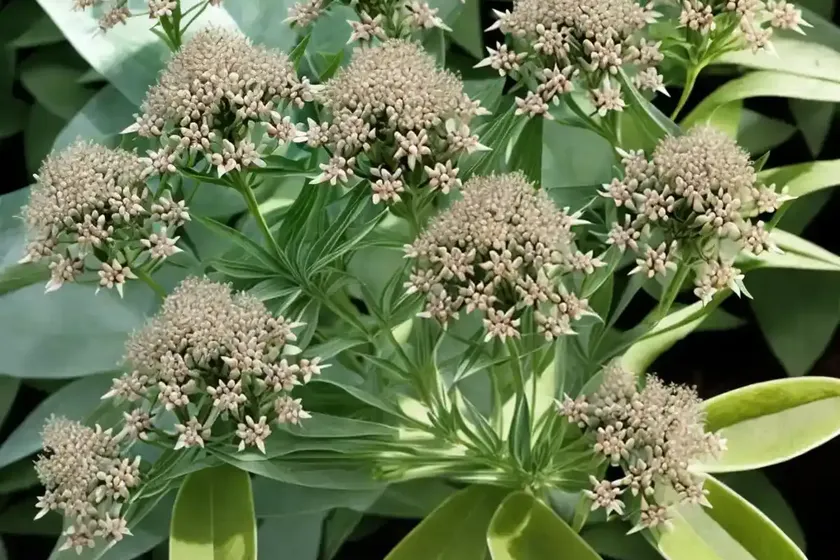
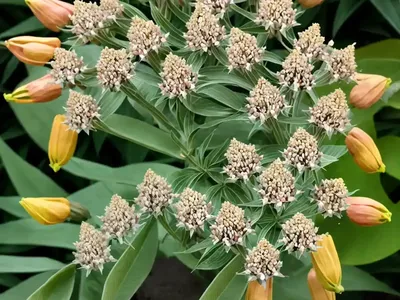
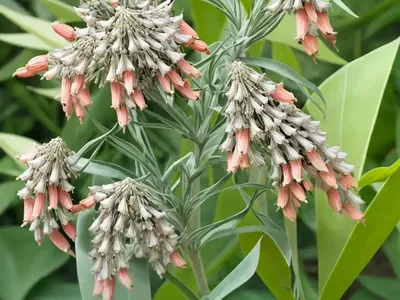
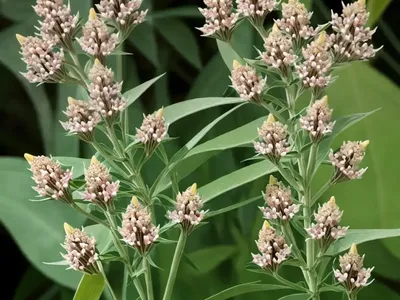
Asclepias cordifolia, commonly known as Heartleaf Milkweed, is a captivating and ecologically significant plant native to North America. This herbaceous perennial not only adds natural beauty to the landscape but also serves as an essential component of local ecosystems. In this comprehensive guide, we will explore the characteristics, habitat, care tips, and ecological significance of Asclepias cordifolia, as well as its uses, conservation efforts, and much more.
What is Asclepias Cordifolia?
Asclepias cordifolia is a member of the milkweed family, Asclepiadaceae, and is native to western North America. This species is named for its heart-shaped leaves and is a key host plant for the endangered monarch butterfly. Asclepias cordifolia plays a vital role in supporting pollinators and is an essential component of wildlife habitats.
Asclepias Cordifolia Characteristics
- Scientific Name: Asclepias cordifolia
- Common Name: Heartleaf Milkweed
- Family: Asclepiadaceae
- Plant Type: Herbaceous Perennial
- Native Range: Western North America
- USDA Zones: 6-10
- Growth Habit: Upright, Clump-forming
Key Takeaways – Asclepias Cordifolia (Heartleaf Milkweed)
Before delving into the specifics of Heartleaf Milkweed, let’s take a glance at the key takeaways that will be covered in this comprehensive guide.
- Culture
- Uses
- Water
- Sunlight
- Fertilizer
- Soil
- Pruning
- Propagation
- Container Popularity
- Common Diseases
- Disease Diagnosis
- Common Pests
- Botanist’s Tips
- Fun Facts
- Links to External Resources
Now, let’s dive deeper into each of these key areas.
Culture of Asclepias Cordifolia
Understanding the cultural requirements of Heartleaf Milkweed is crucial for successfully cultivating and maintaining this species in gardens and natural landscapes.
Water
Asclepias cordifolia is well-adapted to xeric conditions, making it a drought-tolerant plant once established. However, consistent watering is essential during the establishment phase, especially in dry or arid regions.
- Establishment Phase: Water regularly to ensure proper root development.
- Established Plants: Once established, Asclepias cordifolia generally requires minimal supplemental watering except during prolonged periods of drought.
Sunlight
Heartleaf Milkweed thrives in full sun to partial shade conditions. When selecting a planting site, ensure that the chosen location receives ample sunlight, which is essential for robust growth and blooming.
- Full Sun: 6-8 hours of direct sunlight daily.
- Partial Shade: The plant can tolerate light shade, particularly in hot climates.
Fertilizer
Asclepias cordifolia typically grows well without the need for regular fertilization. In fact, excessive fertilization can be detrimental to its overall health and may lead to excessive vegetative growth at the expense of flower production.
- Minimal Fertilization: Avoid excessive fertilization, especially with high-nitrogen fertilizers.
- Organic Matter: Incorporating organic matter into the soil during planting can provide the necessary nutrients for healthy growth.
Soil
Heartleaf Milkweed thrives in well-draining soil and is well-adapted to a range of soil types, including sandy and rocky soils.
- Well-Draining Soil: Ensure that the planting site has well-draining soil to prevent waterlogging.
- Soil pH: Heartleaf Milkweed tolerates a wide range of soil pH levels but prefers slightly acidic to neutral soil (pH 6.5-7.5).
Pruning
Minimal pruning is required for Asclepias cordifolia. However, removing spent flowers can encourage additional blooming and prevent self-seeding in garden settings.
- Pruning Method: Deadhead spent flowers by removing the flower heads after blooming.
Propagation of Asclepias Cordifolia
Propagating Asclepias cordifolia can be achieved through several methods, including seed propagation and division.
Seed Propagation
Heartleaf Milkweed produces pods containing numerous seeds, which can be collected for propagation.
- Seed Collection: Harvest seeds from mature pods after they have turned brown and started to split open.
- Seed Treatment: Cold-moist stratification for approximately 30-60 days can help break seed dormancy and improve germination rates.
Division
Dividing mature plants is another method of propagation and can be particularly useful for gardeners looking to expand their Heartleaf Milkweed populations.
- Division Timing: Divide mature plants in early spring before new growth appears.
- Root Division: Carefully separate the root mass into sections, ensuring that each section has viable roots and growing points.
Container Popularity
Asclepias cordifolia can be successfully grown in containers, making it accessible to gardeners with limited space or those looking to create pollinator-friendly container gardens.
- Container Size: Select a container that is at least 12 inches deep to accommodate the plant’s root system.
- Potting Mix: Use a well-draining potting mix to ensure proper moisture management.
Common Diseases and Pests
While Asclepias cordifolia is relatively resistant to pests and diseases, it is essential to remain vigilant and address any issues promptly to maintain plant health.
Common Diseases
- Powdery Mildew: Fungal disease that can affect the foliage, characterized by a white powdery growth.
- Root Rot: Caused by soggy or poorly-drained soil, leading to root damage and decline.
Disease Diagnosis
Promptly diagnosing and addressing potential diseases is crucial for preventing the spread and ensuring plant health.
- Monitoring: Regularly inspect plants for signs of disease, including changes in foliage color, texture, and overall vitality.
- Treatment: Address potential diseases with appropriate fungicidal treatments and cultural measures.
Common Pests
- Aphids: Small, sap-sucking insects that can colonize the foliage and stems.
- Milkweed Bugs: Seed-feeding insects that can impact seed production in mature plants.
Pest Management
Integrated pest management practices can help minimize pest populations and damage.
- Natural Predators: Encourage natural predators such as ladybugs and lacewings to control aphid populations.
- Physical Removal: Handpick milkweed bugs and dispose of them to prevent seed damage.
Botanist’s Tips for Growing Asclepias Cordifolia
Asclepias cordifolia is an essential plant for supporting pollinators and wildlife, and incorporating it into garden designs can have significant ecological benefits.
Ecological Significance
- Monarch Butterfly Support: As a key host plant for monarch butterflies, Heartleaf Milkweed plays a vital role in supporting these iconic pollinators throughout their life cycle.
- Nectar Source: The flowers of Asclepias cordifolia provide a rich nectar source for a variety of pollinators, including butterflies, bees, and other beneficial insects.
Garden Design
Incorporating Asclepias cordifolia into garden designs can enhance the ecological value and aesthetic appeal of outdoor spaces.
- Pollinator Gardens: Plant Heartleaf Milkweed alongside other nectar-rich flowers to create a pollinator-friendly garden.
- Wildlife Habitats: Create wildlife-friendly habitats by including Asclepias cordifolia in native plant landscapes.
Fun Facts about Asclepias Cordifolia
To truly appreciate and understand the unique qualities of Heartleaf Milkweed, consider these fascinating facts.
- Endangered Status: Asclepias cordifolia is considered an endangered plant species in certain regions and is the focus of conservation efforts.
- Native Range: This species is native to western North America, where it thrives in diverse habitats ranging from arid scrublands to mountainous regions.
Links to External Resources
For further exploration and in-depth information on Asclepias cordifolia, refer to the following external resources:
In conclusion, Asclepias cordifolia (Heartleaf Milkweed) is a captivating and ecologically significant species that deserves attention and appreciation for its unique qualities, ecological significance, and essential role in supporting pollinators and wildlife. By understanding its habitat, cultural requirements, and ecological value, gardeners and conservationists can contribute to the preservation and enhancement of this remarkable plant species.
Armed with the knowledge shared in this comprehensive guide, gardeners, botanists, and nature enthusiasts can confidently cultivate, appreciate, and advocate for the conservation of Asclepias cordifolia, thereby promoting biodiversity and ecological balance in their local landscapes and beyond.