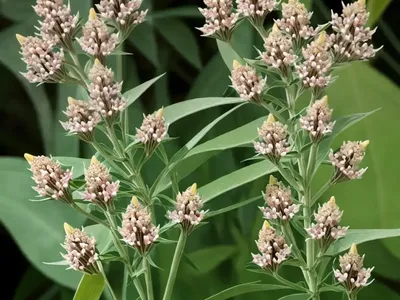
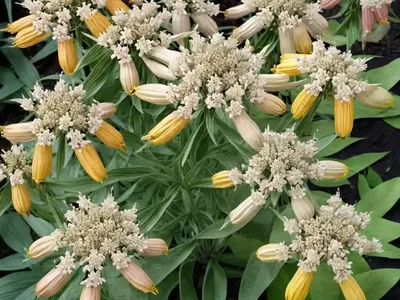
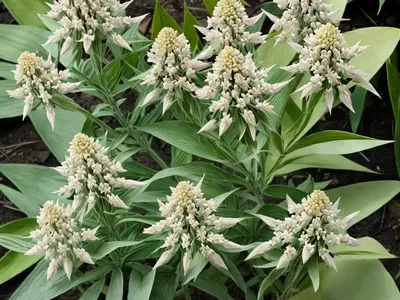
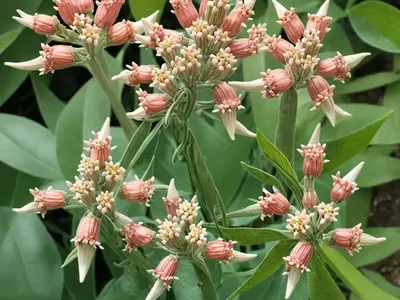
Asclepias Eriocarpa (Woollypod Milkweed)
We am thrilled to delve into the intriguing world of Asclepias eriocarpa, commonly known as Woollypod Milkweed. This iconic plant has earned its reputation.
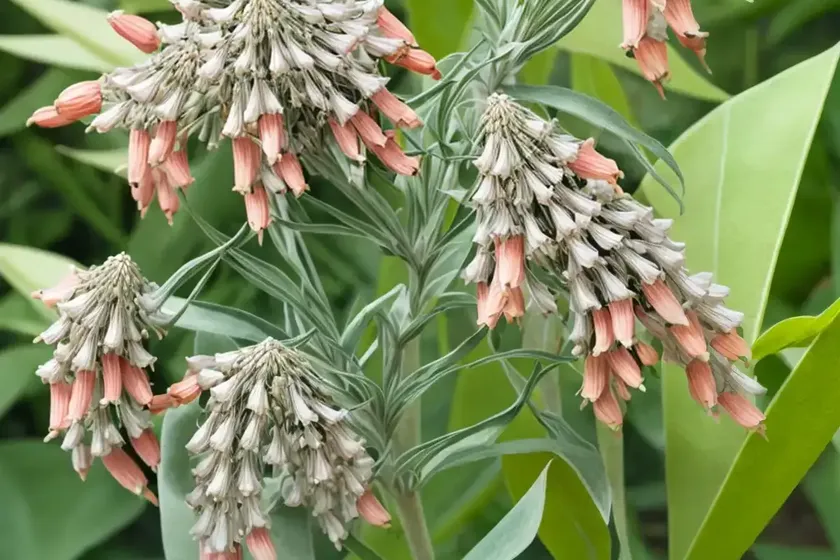
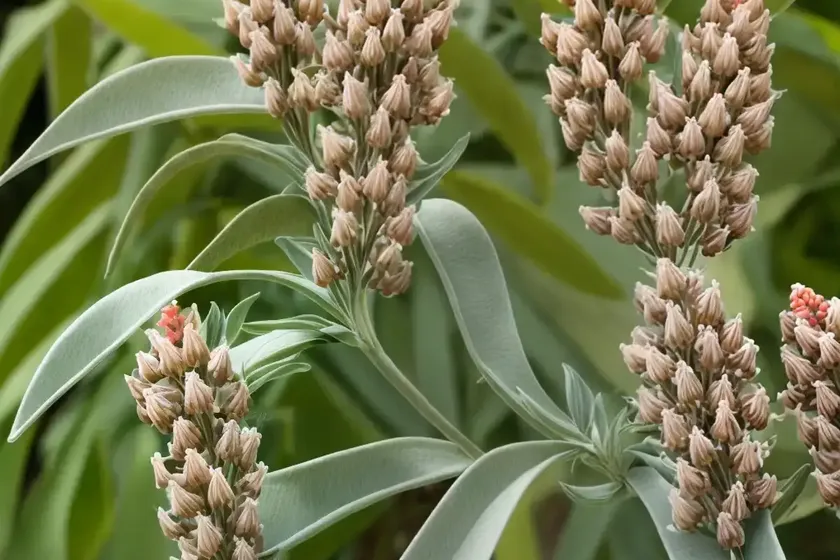
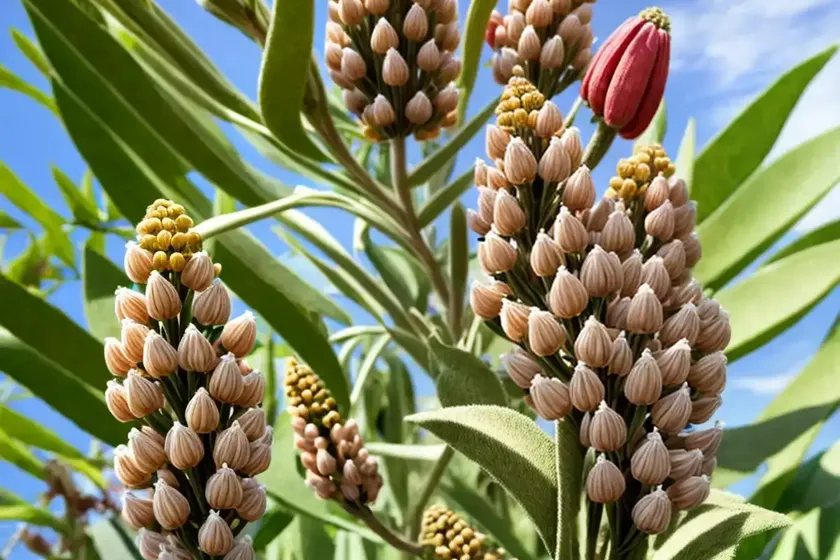
We am thrilled to delve into the intriguing world of Asclepias eriocarpa, commonly known as Woollypod Milkweed. This iconic plant has earned its reputation as a captivating addition to gardens, natural habitats, and conservation efforts. Our journey will explore the intricate details of Asclepias eriocarpa, from its characteristics and cultivation to its ecological significance and conservation implications.
What is Asclepias eriocarpa (Woollypod Milkweed)?
Asclepias eriocarpa, a member of the milkweed family (Asclepiadaceae), is a perennial herbaceous plant that is native to California, Arizona, and Nevada in the United States. This species is widely recognized for its intricate flowers and its vital role as a host plant for monarch butterflies and a range of other pollinators.
The plant’s common name, Woollypod Milkweed, reflects the distinctive woolly characteristics of its seed pods. These pods, containing numerous small seeds, are an essential component of the plant’s reproductive cycle and contribute to its propagation in natural environments.
Key Takeaways – Asclepias eriocarpa (Woollypod Milkweed)
Before we delve deeper into the specific aspects of Asclepias eriocarpa, here are some key takeaways that will guide our exploration:
- Scientific Name: Asclepias eriocarpa
- Common Name: Woollypod Milkweed
- Family: Asclepiadaceae
- Native Range: California, Arizona, and Nevada
- Habitat: Dry slopes, desert washes, and rocky areas
- Cultural Significance: Host plant for monarch butterflies and other pollinators
- Conservation Status: Important for ecological balance and biodiversity conservation
- Growth Habit: Perennial herbaceous plant with woolly seed pods
- Notable Feature: Ecologically significant as a nectar and pollen source for various pollinators
With these key points in mind, let’s explore the fascinating world of Asclepias eriocarpa, from its cultural uses to its ecological importance and cultivation techniques.
Culture
Understanding the cultural requirements of Asclepias eriocarpa is essential for successful growth and maintenance. By meeting its specific needs, whether in a garden or natural habitat, we can support the plant’s health and vitality while promoting its benefits for local ecosystems.
Uses
- Ecological Importance: Asclepias eriocarpa plays a crucial role in supporting biodiversity and ecological balance. It serves as a host plant for the larvae of monarch butterflies and provides nectar and pollen for a diverse array of pollinators, including bees, butterflies, and hummingbirds.
- Garden and Landscape: In horticultural settings, Asclepias eriocarpa is valued for its ornamental appeal and its role in attracting pollinators to gardens and landscapes. It adds a touch of natural beauty while contributing to the health of local ecosystems.
- Conservation Efforts: The cultivation and preservation of Asclepias eriocarpa are integral to conservation initiatives aimed at supporting pollinators and preserving native plant species. By including this species in restoration projects and garden designs, we can contribute to broader conservation goals.
Water
Understanding the water needs of Asclepias eriocarpa is critical for ensuring its survival and growth, especially in cultivated settings where irrigation may be necessary.
- In Native Habitats: Asclepias eriocarpa is adapted to dry slopes, desert washes, and rocky areas, indicating its tolerance for drought conditions. It is well-suited to xeric environments and requires minimal supplemental watering once established.
- In Cultivated Gardens: When grown in gardens or landscapes, Asclepias eriocarpa benefits from occasional watering, particularly during the establishment phase. It is important to avoid overwatering, as excessive moisture can lead to root rot and other issues.
Sunlight
Sunlight plays a vital role in the growth and development of Asclepias eriocarpa, influencing its flowering, overall vigor, and ecological function.
- Optimal Conditions: Asclepias eriocarpa thrives in full sunlight and is well-adapted to the bright, arid environments of its native range. In cultivated settings, it should be planted in locations with ample sunlight exposure to ensure robust growth and prolific flowering.
Fertilizer
While Asclepias eriocarpa is adapted to nutrient-poor soils in its natural habitat, providing adequate nutrients can support its growth and enhance its ornamental and ecological value in cultivated settings.
- Minimal Fertilization: In garden settings, Asclepias eriocarpa generally requires minimal fertilization. Excessive nitrogen can stimulate excessive vegetative growth at the expense of reproductive output and may not align with the plant’s natural adaptation to nutrient-poor soils.
- Organic Amendments: When necessary, organic amendments such as well-aged compost or a balanced, slow-release fertilizer can be applied sparingly to support the plant’s growth without disrupting the natural balance of nutrients in the soil.
Soil
Understanding the soil preferences of Asclepias eriocarpa is essential for successful cultivation, especially when introducing the plant to garden environments with differing soil characteristics.
- Well-Drained Soils: Asclepias eriocarpa thrives in well-drained, sandy or gravelly soils, mirroring the conditions of its native habitats. Poorly drained or heavy clay soils should be avoided to prevent waterlogged conditions that may lead to root rot.
- Soil pH: It prefers neutral to slightly alkaline soils, with a pH range of 6.5 to 7.5 being ideal for its growth and development.
Pruning
Pruning can play a role in managing the growth and appearance of Asclepias eriocarpa, particularly in garden settings where control over plant size and shape may be desired.
- Minimal Pruning Needs: As a perennial herbaceous plant, Asclepias eriocarpa generally requires minimal pruning beyond the removal of spent flower heads and the occasional trimming to manage its size and shape.
- Post-Flowering Maintenance: Pruning after the flowering season can help manage the plant’s size and stimulate new growth. Deadheading spent flowers can also encourage additional blooming and prevent the formation of seeds.
Propagation
Whether for conserving native populations or expanding plantings in gardens, understanding the propagation methods for Asclepias eriocarpa is essential for its continued presence and function in various settings.
- Seed Propagation: Asclepias eriocarpa is primarily propagated from seeds, which can be collected from mature seed pods and sown directly into prepared garden beds with well-drained soil. Stratification, or cold treatment, may be beneficial for enhancing germination rates.
- Division: While less commonly practiced, the division of mature Asclepias eriocarpa plants can also be used to propagate the species, particularly in garden settings where existing plants may need to be divided to rejuvenate growth or expand plantings.
Container Popularity
Though Asclepias eriocarpa is primarily associated with natural habitats and garden landscapes, its ornamental appeal and ecological value have also led to its use in container gardening.
- Container Considerations: When growing Asclepias eriocarpa in containers, it is essential to use well-draining potting mix and provide ample sunlight to support healthy growth and flowering. Container gardening can bring the beauty of this species to patios, balconies, and other outdoor spaces, while still supporting pollinators.
Common Diseases
While Asclepias eriocarpa is generally resilient to pests and diseases, there are a few issues that may impact its health and appearance, particularly in garden settings.
- Fungal Diseases: Occasional fungal issues, such as powdery mildew or leaf spot, may occur, especially in humid environments or during periods of prolonged moisture. Good air circulation and minimal overhead watering can help prevent these issues.
- Root Rot: Overly wet conditions, particularly in poorly drained soils, can lead to root rot and decline in Asclepias eriocarpa. It is important to ensure well-drained soil and avoid overwatering to prevent this issue.
Disease Diagnosis
Diagnosing potential diseases affecting Asclepias eriocarpa involves careful observation of the plant’s symptoms and, if necessary, seeking guidance from plant health professionals.
- Symptom Identification: Look for signs of wilting, yellowing, or spotted leaves, as well as any unusual growths or discolorations on the stems and foliage. These symptoms may indicate fungal or bacterial issues that require attention.
- Professional Consultation: If disease symptoms are observed and persist despite appropriate cultural care, consider seeking guidance from plant pathologists or agricultural professionals for accurate diagnosis and treatment recommendations.
Common Pests
Thanks to its natural defenses and relationships with beneficial insects, Asclepias eriocarpa is relatively resistant to pest infestations. However, a few potential pests may occasionally pose challenges in garden settings.
- Aphids: These small, sap-sucking insects may occasionally colonize Asclepias eriocarpa, particularly during periods of rapid growth or when new shoots and flowers are emerging. Natural predators and minimal intervention can help manage aphid populations.
- Milkweed Bugs: While these insects primarily feed on the plants’ seeds and pose minimal risk to their overall health, large populations of milkweed bugs may warrant monitoring and management in garden settings.
Botanist’s Tips
1. Native Range Protection
When cultivating Asclepias eriocarpa, consider its native range and the importance of preserving the genetic diversity and ecological functions of wild populations. Selecting seeds or plants from reputable sources and avoiding the collection of wild specimens can contribute to the conservation of native populations.
2. Pollinator Support
Emphasize the role of Asclepias eriocarpa as a vital resource for pollinators, including monarch butterflies, by incorporating it into pollinator gardens and natural habitats. Its abundant nectar and pollen can help sustain pollinator populations and contribute to the health of local ecosystems.
3. Conservation Outreach
Engage in conservation outreach and education efforts to raise awareness about the significance of native plant species like Asclepias eriocarpa. By sharing its ecological importance and conservation value, we can inspire others to join in efforts to protect and promote these species.
Fun Facts
Here are some intriguing and lesser-known facts about Asclepias eriocarpa:
- The woolly, papery seed pods of Asclepias eriocarpa are often used in dried floral arrangements and crafts, adding a touch of natural elegance to artistic creations.
- The plant’s milky sap contains toxic compounds known as cardiac glycosides, serving as a natural defense against herbivores and contributing to its classification as a toxic plant.
- Asclepias eriocarpa’s fragrant flowers, often tinted with shades of pink and white, attract a wide range of pollinators, creating a bustling hub of ecological activity in gardens and natural habitats.
Links to External Resources
Conclusion
As we conclude our comprehensive exploration of Asclepias eriocarpa, it is evident that this native plant holds remarkable significance in natural ecosystems, horticulture, and conservation efforts. By understanding its unique characteristics, cultural requirements, and ecological value, we can appreciate the diverse roles it plays in supporting pollinators, conserving biodiversity, and enhancing the beauty of natural landscapes. Whether in the context of garden design, conservation initiatives, or ecological education, Asclepias eriocarpa stands as a testament to the power and beauty of native plants in our natural world.