Asclepias Fascicularis (Narrowleaf Milkweed)
In the enchanting realm of plants, there exists a species known for its unique charm, ecological significance, and varied uses – the Asclepias.
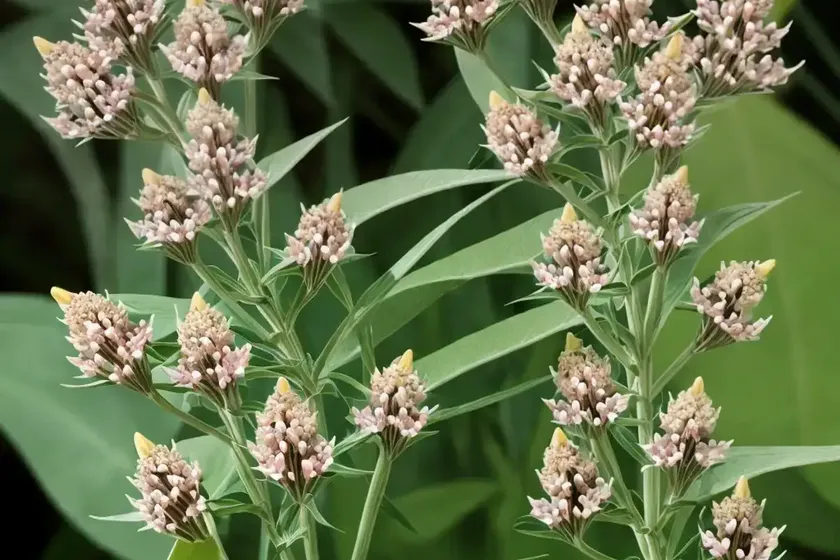
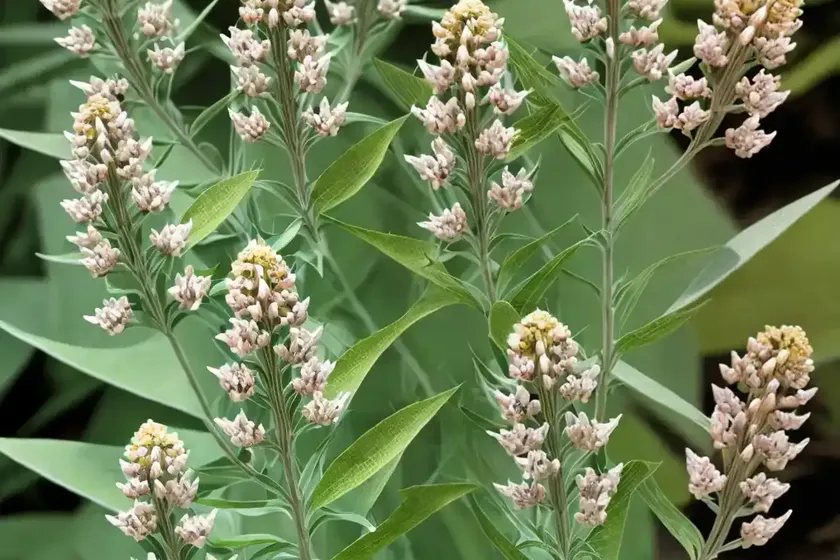
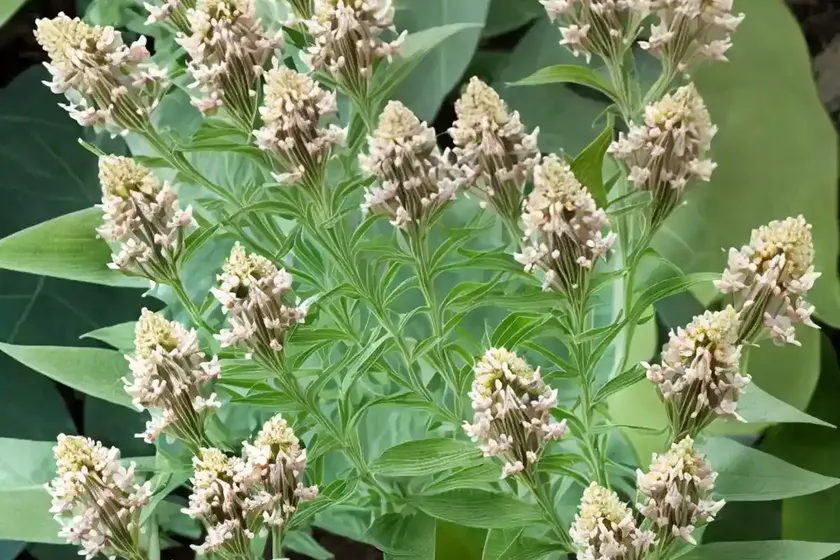
In the enchanting realm of plants, there exists a species known for its unique charm, ecological significance, and varied uses – the Asclepias fascicularis, commonly referred to as Narrowleaf Milkweed. This perennial herbaceous plant belongs to the Asclepiadaceae family, which is primarily distributed across the western regions of North America and is a crucial part of various ecosystems. Its distinct characteristics, interesting ecological relationships, and the diverse roles it plays in horticulture and conservation make it a plant worth exploring. In this comprehensive guide, we will delve into all aspects of Asclepias fascicularis, from its native habitat and cultivation to its ecological and horticultural significance.
What is Asclepias fascicularis (Narrowleaf Milkweed)?
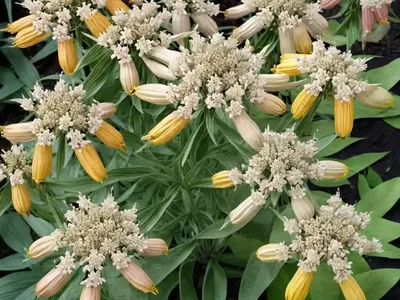
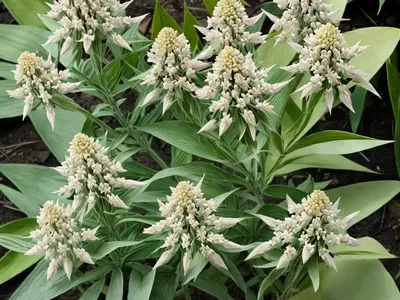
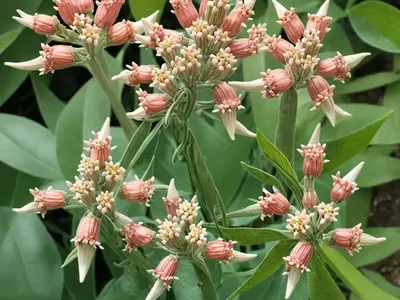
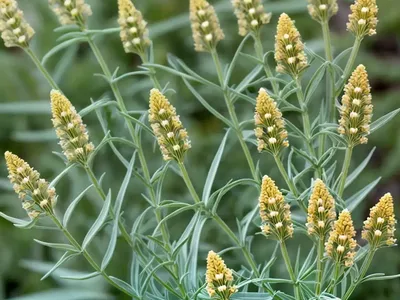
Asclepias fascicularis is a herbaceous perennial plant characterized by its slender, erect stems and narrow leaves. It is a member of the milkweed family, Asclepiadaceae, which is renowned for its association with monarch butterflies and other pollinators. The plant typically reaches a height of 0.3-1 meter and features clusters of delicate, fragrant flowers that range from pale pink to white. These flowers, along with their nectar, play a vital role in supporting various species of butterflies, bees, and other pollinators, making Asclepias fascicularis a cornerstone in the ecological web.
Key Takeaways – Asclepias fascicularis (Narrowleaf Milkweed)
Before we delve deeper into the myriad facets of Asclepias fascicularis, let’s take a quick look at the key takeaways that will guide our exploration:
- Plant Name: Asclepias fascicularis (Narrowleaf Milkweed)
- Family: Asclepiadaceae
- Native Range: Western regions of North America
- Habitat: Varied habitats, often found in open areas, woodlands, and along streams or rivers
- Characteristics: Slender, erect stems, narrow leaves, fragrant clusters of pale pink to white flowers
- Ecological Importance: Vital for supporting pollinators, especially monarch butterflies
- Cultivation Uses: Ornamental gardening, habitat restoration, ecological conservation
Cultivation of Asclepias fascicularis
Understanding the ideal conditions for cultivating Asclepias fascicularis is essential for its successful growth. Let’s explore the key factors that contribute to the plant’s thriving in both natural and cultivated settings.
Water
Asclepias fascicularis, like many native plants, is adapted to the specific precipitation patterns of its natural habitat. It typically prefers well-drained soils and can tolerate periods of drought once established. However, during the establishment phase, regular watering is crucial to aid in root development and ensure the plant’s survival. In regions with hot and dry summers, supplemental watering may be necessary to support healthy growth and flowering.
Sunlight
As a native of the western regions of North America, Asclepias fascicularis thrives in full sun to partial shade. Adequate sunlight is essential for robust growth and prolific flowering. When grown in shaded areas, the plant may become leggy and produce fewer flowers, compromising its ornamental and ecological value.
Fertilizer
In general, Asclepias fascicularis does not require heavy fertilization, especially when grown in natural habitats or native plant gardens. Excessive nutrients can actually be detrimental, leading to overly lush growth and reduced flower production. However, in poorer soils or when growing the plant in more manicured settings, a light application of balanced, slow-release fertilizer in early spring may support healthy growth without causing excessive vegetative development.
Soil
The ideal soil for Asclepias fascicularis cultivation is well-drained and somewhat sandy or loamy. As with many native plants, the species has evolved to thrive in the specific soil conditions of its natural habitat. When grown in gardens or landscapes, it is important to replicate these conditions to ensure the plant’s success.
The pH level of the soil should ideally be neutral to slightly acidic, within the range of 6.5 to 7.5. It is important to avoid waterlogged or clay-heavy soils, as these can lead to root rot and other issues. Organic matter can be added to improve soil structure and moisture retention, but it is important to avoid over-amending the soil, as Asclepias species generally prefer leaner soil conditions.
Pruning
Asclepias fascicularis typically does not require extensive pruning, especially when grown in wildflower meadows, habitat restoration projects, or naturalistic landscapes. However, removing spent flower clusters can help promote additional blooms and prevent the plant from self-seeding excessively in more controlled garden settings. Additionally, cutting back the plant in late fall or early winter can help tidy the garden and prepare the plant for its next growing season.
Propagation of Asclepias fascicularis
The propagation of Asclepias fascicularis can be achieved through several methods, each offering its unique advantages and considerations. Whether you’re a home gardener looking to expand your milkweed collection or a conservationist striving to enhance native plant populations, understanding the various propagation techniques is crucial.
Seed Propagation
Propagating Asclepias fascicularis from seeds can be a rewarding and cost-effective method, especially for those seeking to establish large swaths of milkweed in restoration or conservation projects. The following steps outline the general process for successfully germinating Narrowleaf Milkweed seeds:
-
Seed Collection: Harvest mature seeds from dried seed pods in late summer to early fall. Collect the seeds when the pods begin to split open, exposing the fluffy, light brown seeds.
-
Seed Preparation: After collecting the seeds, remove them from the pods and separate the fluffy “parachutes” from the seeds, as these can impede the germination process.
-
Cold Stratification: Asclepias fascicularis seeds typically benefit from a cold stratification period to break dormancy. Place the seeds in a moistened medium, such as peat moss or vermiculite, and then refrigerate them for 30-60 days. This mimics the natural conditions experienced by the seeds during winter, signaling the arrival of spring and the ideal time for germination.
-
Sowing the Seeds: After the cold stratification period, sow the seeds in trays, pots, or directly in the garden bed. Lightly cover the seeds with a thin layer of soil and water gently to settle the soil around the seeds.
-
Germination and Transplanting: It is important to keep the soil consistently moist but not waterlogged during the germination process. Once the seedlings have developed several true leaves and are large enough to handle, they can be transplanted into their permanent growing locations.
Division
Division is another propagation method that can be used to increase the number of Asclepias fascicularis plants in a garden or natural setting. This method is particularly useful for mature plants that have developed large clumps or crowns, which can be carefully divided into smaller sections. Division is typically best performed in early spring before active growth begins or in early fall after the flowering period.
Cuttings
Propagating Asclepias fascicularis from stem cuttings is a more advanced technique that requires careful attention to timing and environmental conditions. While it may not be as commonly used as seed propagation or division, it can be an effective method for producing genetically identical clones of selected plants. Stem cuttings are best taken from non-flowering shoots in early to mid-summer and should be rooted in a well-draining medium under controlled humidity and temperature.
Asclepias fascicularis in Containers
Cultivating Asclepias fascicularis in containers can be an excellent option for gardeners with limited space, rocky or poor soil conditions, or those seeking to create portable habitats for pollinators. Additionally, container gardening allows for greater control over the plant’s growing conditions, making it possible to provide the ideal environment for successful cultivation.
When growing Asclepias fascicularis in containers, it is important to consider the following key factors:
-
Container Size: Choose a container that allows for ample root development and stability for the plant. A deep container is particularly important, as the plant develops a substantial taproot.
-
Soil: Use a well-draining potting mix that mimics the plant’s natural soil preferences. Incorporating perlite or coarse sand can enhance drainage and prevent waterlogging.
-
Watering: Containers can dry out more quickly than garden soil, so regular monitoring of soil moisture is essential. Water the plant thoroughly when the top inch of soil feels dry to the touch, and be mindful of watering during hot, dry periods.
-
Sunlight: Position the container in a location that receives at least 6-8 hours of direct sunlight per day, as Asclepias fascicularis thrives in full sun.
-
Overwintering: In regions with cold winters, containers of Asclepias fascicularis can be overwintered in a sheltered location, such as an unheated garage or cold frame. Mulching around the base of the container can provide additional insulation for the plant’s roots.
Popularity of Asclepias fascicularis in Horticulture
Asclepias fascicularis has garnered significant attention in horticulture and ecological restoration due to its intrinsic beauty, importance in supporting pollinators, and efficacy in habitat reclamation efforts. Its popularity can be attributed to several key factors:
-
Ecological Significance: Asclepias fascicularis, like other milkweed species, serves as a vital food source for monarch butterfly caterpillars and provides nectar for a diverse array of pollinators, making it a cornerstone in supporting local ecosystems.
-
Ornamental Value: The slender form, delicate flowers, and attractive foliage of Asclepias fascicularis make it a sought-after plant for ornamental gardens, wildflower meadows, and naturalistic landscapes. Its ability to thrive in challenging conditions, such as dry or rocky soils, further enhances its appeal to gardeners.
-
Conservation Efforts: As awareness of the declining monarch butterfly populations and the importance of native plants in conservation grows, Asclepias fascicularis has become a focal point in habitat restoration and wildlife gardening initiatives. Its inclusion in seed mixes and restoration projects has contributed to its increasing popularity.
Common Diseases of Asclepias fascicularis
While Asclepias fascicularis is generally resilient and disease-resistant, there are a few issues that may affect its health and appearance. Understanding these common diseases and their management is crucial for maintaining the plant’s vigor and ensuring its long-term success.
Disease Diagnosis
1. Milkweed Fungal Diseases: Various fungal pathogens, such as Ascochyta sp., Cercospora sp., and Colletotrichum sp., can lead to leaf spot and blight in Asclepias species. Symptoms include dark spots on the leaves, wilting, and general decline. Proper cultural practices, such as watering the soil and not the foliage, promoting good air circulation, and removing infected plant material, can help prevent and manage fungal diseases.
2. Phytophthora Root Rot: This soil-borne pathogen can cause root rot and ultimately lead to the decline of the entire plant. Symptoms include yellowing leaves, wilting, and stunted growth. Planting in well-draining soil and avoiding overwatering can help prevent this disease.
3. Powdery Mildew: While not as common as in some other plant species, Asclepias fascicularis can occasionally develop powdery mildew, characterized by a white, powdery growth on the leaves. Adequate sunlight, good air circulation, and avoiding overhead watering can help mitigate this issue.
Common Pests
In addition to diseases, Asclepias fascicularis can also attract a variety of insect pests, including aphids, caterpillars, and milkweed bugs. While some of these insects, such as monarch butterfly caterpillars, are not generally considered pests in the traditional sense, they can sometimes cause damage to the plant. Managing pest populations through cultural methods, such as hand-picking or spraying with a strong jet of water, can help maintain the plant’s health without resorting to chemical controls.
Botanist’s Tips for Growing Asclepias fascicularis
Asclepias fascicularis is a captivating species that offers myriad rewards, both aesthetic and ecological, to those who cultivate it. Here are some valuable tips for successfully growing and nurturing this remarkable plant:
-
Respect its Natural Habitat: When cultivating Asclepias fascicularis, it is essential to understand and respect its natural habitat requirements. Mimicking the plant’s native growing conditions, such as well-drained soils and ample sunlight, can lead to successful cultivation.
-
Provide for Pollinators: Incorporating Asclepias fascicularis into the garden not only adds beauty but also provides crucial resources for pollinators. It is essential to allow the plant to flower and set seed to support local insect populations.
-
Partner with Native Plants: Integrate Asclepias fascicularis into diverse plantings with other native species to create resilient and ecologically valuable landscapes. This approach can support a wide range of native wildlife and contribute to the overall health of the ecosystem.
-
Embrace Imperfection: Asclepias fascicularis, like many native plants, has a wild and naturalistic character. Embracing its growth habits and slight imperfections can lead to a more authentic and sustainable garden environment.
Fun Facts about Asclepias fascicularis
- The namesake of the Asclepias genus pays homage to Asclepius, the Greek god of healing. This is a nod to the historical medicinal uses of various milkweed species.
- Asclepias fascicularis is a crucial host plant for the monarch butterfly, providing essential food for the developing caterpillars before they transform into adult butterflies.
- The milky sap of milkweed contains toxic cardiac glycosides, which serves as a chemical defense against herbivores. This unique adaptation has contributed to the plant’s resilience and ecological importance.
- The fibers from mature milkweed seedpods were historically used by Native American tribes for crafting textiles, ropes, and other practical items.
Links to External Resources
For those interested in diving deeper into the world of Asclepias fascicularis and related topics, the following external resources provide valuable information, research, and practical guidance:
- Monarch Watch: A non-profit organization focused on monarch butterfly conservation, education, and research.
- Xerces Society for Invertebrate Conservation: An organization dedicated to the conservation of invertebrates and their habitats, including monarch butterflies and their host plants.
- Lady Bird Johnson Wildflower Center: A renowned botanical garden and research center with a focus on native plants, including milkweed species.
- Plant Native: A comprehensive resource for information on native plants, ecological landscaping, and conservation gardening.
Conclusion
Asclepias fascicularis, with its slender form, delicate blooms, and vital ecological role, is a plant of immense value and significance. From its cultivation and propagation to its conservation relevance and role in supporting pollinators, Narrowleaf Milkweed offers a wealth of opportunities for both gardeners and conservationists. By incorporating this species into our landscapes, we not only enhance the beauty of our surroundings but also contribute to the preservation of vital habitats and the delicate balance of our natural world. Understanding and appreciating the remarkable attributes of Asclepias fascicularis can inspire us to create gardens and environments that are not only visually captivating but also ecologically meaningful and sustainable.
Asclepias fascicularis is more than a plant; it is a symbol of our interconnectedness with nature, an emblem of resilience, and a source of inspiration for those who seek to cultivate a deeper understanding of the natural world. Whether you are drawn to its ecological importance, its ornamental charm, or its role in habitat restoration, the Narrowleaf Milkweed holds a place of reverence in the intricate tapestry of plant life, beckoning us to immerse ourselves in its captivating story.