Aruncus ‘Misty Lace’ (Goat’s Beard)
Aruncus ‘Misty Lace’, commonly known as Goat’s Beard, is a beautiful and versatile perennial plant that is prized for its delicate plume-like flowers and.
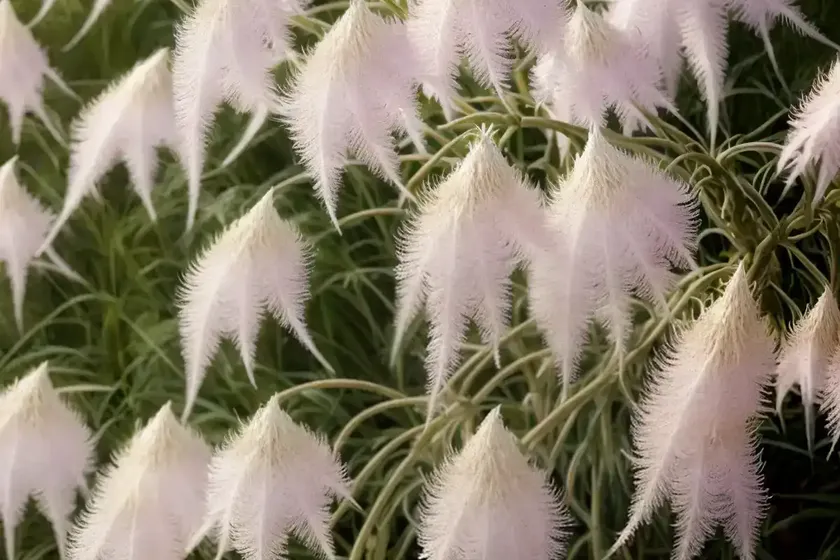
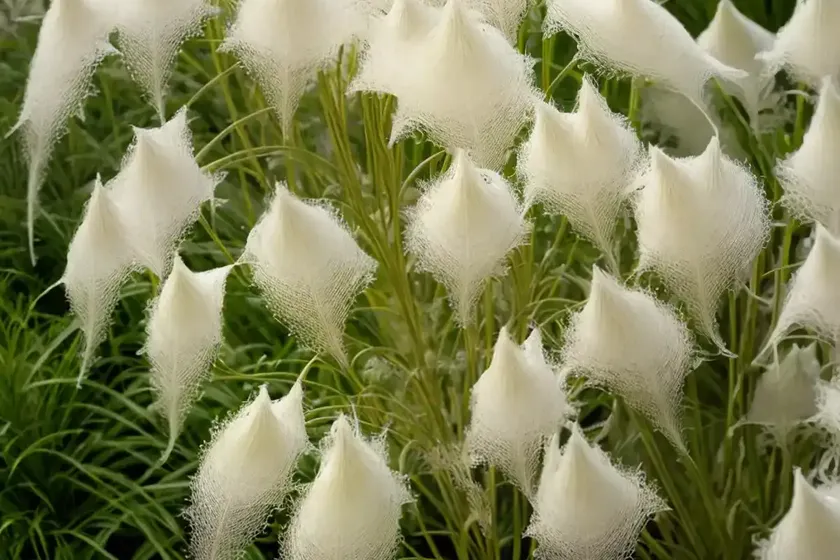
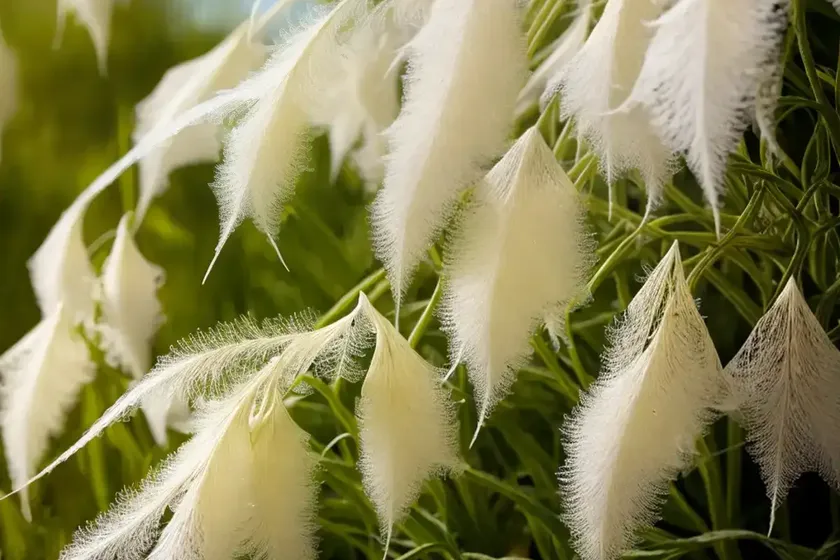
Aruncus ‘Misty Lace’, commonly known as Goat’s Beard, is a beautiful and versatile perennial plant that is prized for its delicate plume-like flowers and attractive foliage. This plant is a favorite among gardeners and landscaping enthusiasts due to its unique characteristics, low-maintenance nature, and various landscape uses.
In this comprehensive plant guide, we will delve into the key aspects of Aruncus ‘Misty Lace’, providing detailed information on its characteristics, care tips, growing guide, seasonal changes, landscape uses, maintenance, propagation methods, pests and diseases, and much more. Whether you are a seasoned gardener or just beginning to explore the world of plants, this guide will equip you with the knowledge and insights needed to cultivate and appreciate this remarkable species.
What is Aruncus ‘Misty Lace’ (Goat’s Beard)?
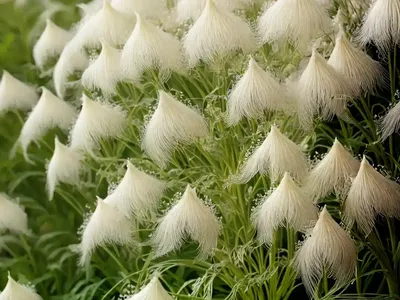
Aruncus ‘Misty Lace’ is a herbaceous perennial plant that belongs to the Rosaceae family. Native to North America, Europe, and Asia, this plant is known for its feathery, creamy white flowers and finely-cut foliage, making it a standout addition to any garden or landscape. Its graceful appearance and adaptability to various growing conditions make it a popular choice for both home gardens and public spaces.
Key Takeaways – Aruncus ‘Misty Lace’ (Goat’s Beard)
Before delving into the specific aspects of Aruncus ‘Misty Lace’, let’s outline the key takeaways associated with this plant.
- Scientific Name: Aruncus ‘Misty Lace’
- Common Name: Goat’s Beard
- Family: Rosaceae
- Plant Type: Herbaceous Perennial
- Mature Size: 3-4 feet in height and 2-3 feet in spread
- Flowers: Creamy white plume-like flowers
- Foliage: Finely-cut, dark green leaves
- Growth Rate: Moderate
- Hardiness Zones: 4-8
- Sunlight: Partial shade to full sun
- Soil: Moist, well-draining soil
- Watering: Regular watering, especially during dry periods
- Maintenance: Low maintenance
Armed with these key takeaways, let’s explore the various aspects of Aruncus ‘Misty Lace’ in detail, from its cultural requirements to its uses in landscaping and beyond.
Culture
Understanding the cultural requirements of Aruncus ‘Misty Lace’ is essential for successful cultivation. This section will cover the plant’s water, sunlight, fertilizer, soil, and pruning needs, offering insights into how to best nurture and maintain this exquisite species.
Uses
Aruncus ‘Misty Lace’ offers a wide array of landscape uses, from border plantings and woodland gardens to mixed perennial beds and pollinator-friendly habitats. This section explores the diverse applications of Goat’s Beard in various landscaping scenarios, highlighting its adaptability and aesthetic contributions to outdoor spaces.
Water
Proper watering is crucial for the health and vigor of Aruncus ‘Misty Lace’. This section will outline the plant’s water needs, including guidance on watering frequency, moisture requirements, and strategies for maintaining optimal soil moisture levels.
Sunlight
Sunlight plays a significant role in the growth and development of Aruncus ‘Misty Lace’. By understanding its sunlight preferences and shade tolerance, gardeners can strategically position this plant to ensure its well-being and floral abundance. This section covers the optimal sunlight conditions for cultivating Goat’s Beard.
Fertilizer
Supplemental fertilization can enhance the performance and blooming of Aruncus ‘Misty Lace’. Here, we will delve into the fertilizer requirements of this plant, providing recommendations for appropriate fertilization practices to support robust growth and abundant flowering.
Soil
The soil composition and quality directly impact the health and vitality of Aruncus ‘Misty Lace’. Gardeners will benefit from understanding the soil requirements of this plant, including insights into soil type, pH preferences, and strategies for improving soil conditions to promote optimal growth.
Pruning
Pruning is an essential aspect of maintaining the appearance and vigor of Aruncus ‘Misty Lace’. Proper pruning practices can prolong the flowering period and prevent overcrowding, ensuring that the plant remains healthy and visually appealing. This section will detail the pruning requirements and techniques for Goat’s Beard.
Propagation
For those interested in expanding their collection of Aruncus ‘Misty Lace’ or sharing this plant with others, understanding the propagation methods is key. This section will explore various propagation techniques, including division, seed sowing, and other methods for multiplying this charming perennial.
Container Popularity
The versatility of Aruncus ‘Misty Lace’ extends to container gardening, where it can thrive and contribute to stunning container arrangements. This section will discuss the plant’s popularity in container gardening, offering insights into successful cultivation practices for Goat’s Beard in containers.
Container Common Diseases
While container gardening offers numerous benefits, it is essential to be aware of the potential diseases that can affect Aruncus ‘Misty Lace’ when grown in containers. Understanding common diseases and their management is vital for maintaining the plant’s health and vitality. This section will highlight common diseases associated with container-grown Goat’s Beard.
Disease Diagnosis
Recognizing and diagnosing diseases that may affect Aruncus ‘Misty Lace’ is fundamental in implementing timely and effective control measures. This section will provide guidance on identifying common plant diseases and addressing them to ensure the plant’s long-term well-being.
Common Pests
Just like any other plant, Aruncus ‘Misty Lace’ is susceptible to certain pests that can negatively impact its growth and appearance. This section will outline common pests that may affect Goat’s Beard and offer insights into pest management strategies to mitigate their impact.
Botanist’s Tips
Drawing from the expertise of botanists and horticultural professionals, this section will feature valuable tips and recommendations for successfully growing, maintaining, and enjoying Aruncus ‘Misty Lace’. From specific care practices to creative uses in garden design, these botanist-approved tips will enrich the cultivation experience for enthusiasts of all levels.
Fun Facts
Discovering the intriguing and lesser-known facts about Aruncus ‘Misty Lace’ can deepen one’s appreciation for this remarkable plant. From its ecological significance to its historical uses, this section will reveal captivating fun facts that showcase the unique attributes of Goat’s Beard.
Links to External Resources
Curious minds seeking additional information, resources, or educational materials on Aruncus ‘Misty Lace’ can benefit from exploring external sources dedicated to this plant. This section will provide links to reputable websites, publications, and organizations focused on botanical knowledge and gardening, empowering readers to further expand their understanding of Goat’s Beard.
By delving into each of these sections, readers will gain a comprehensive understanding of Aruncus ‘Misty Lace’ (Goat’s Beard), from its care requirements and landscape uses to its propagation methods and interactions with pests and diseases.
In the pages that follow, we will embark on a detailed exploration of every aspect of this captivating perennial, providing practical insights and inspiring ideas for incorporating Aruncus ‘Misty Lace’ into diverse gardening and landscaping endeavors. Whether your interest lies in cultivating a thriving garden, creating wildlife-friendly habitats, or simply appreciating the natural beauty of plants, this guide will serve as a valuable companion in your journey with Aruncus ‘Misty Lace’.