Aruncus ‘Chantilly Lace’ (Goat’s Beard)
Aruncus ‘Chantilly Lace’, commonly known as Goat’s Beard, is a striking perennial plant that adds elegance and charm to any garden or landscape. With its.
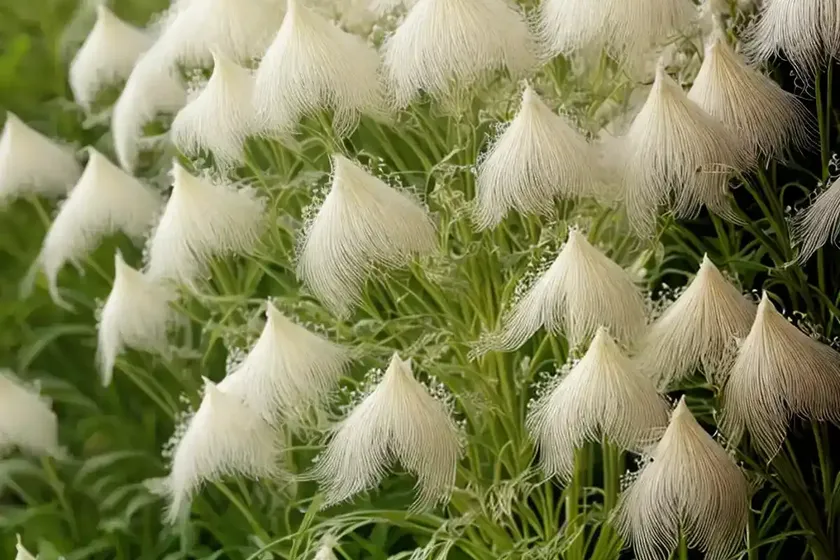
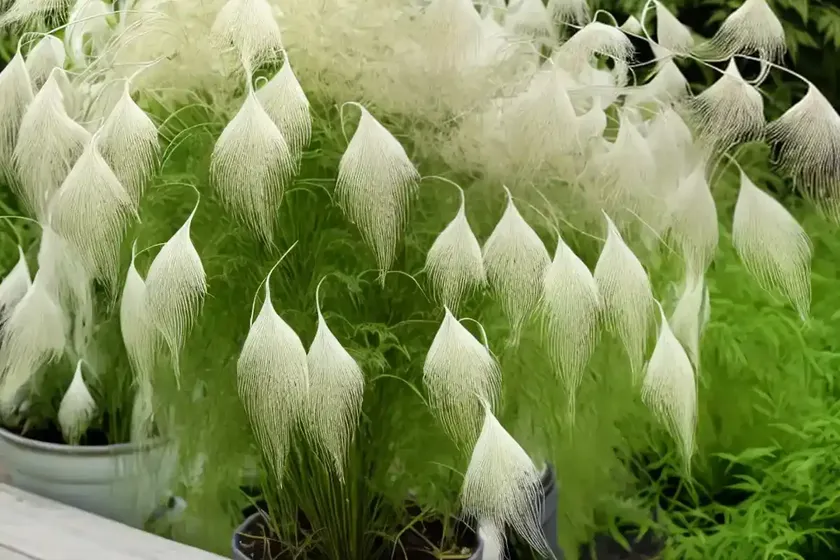
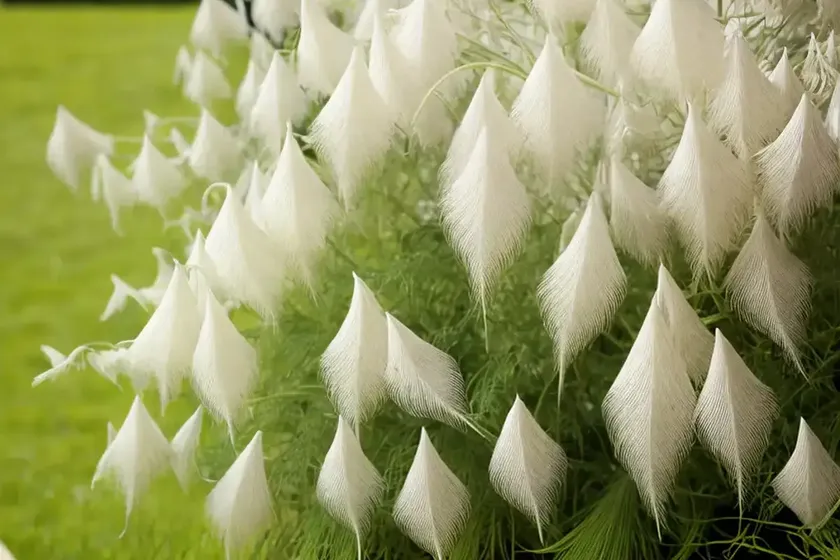
Aruncus ‘Chantilly Lace’, commonly known as Goat’s Beard, is a striking perennial plant that adds elegance and charm to any garden or landscape. With its feathery plumes of flowers and lush foliage, this plant stands out as a versatile and low-maintenance addition to gardens of all sizes. In this comprehensive guide, we will explore the key aspects of cultivating and caring for Aruncus ‘Chantilly Lace’, covering everything from its cultural requirements to its landscape uses, propagation, and common pests and diseases.
What is Aruncus ‘Chantilly Lace’ (Goat’s Beard)?
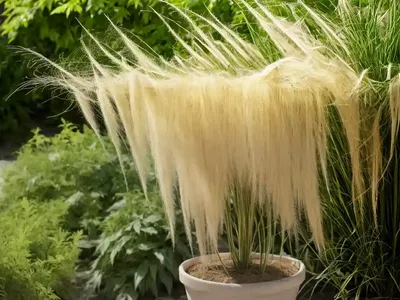
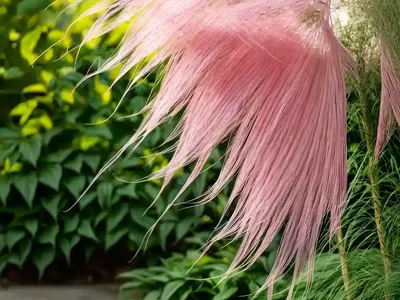
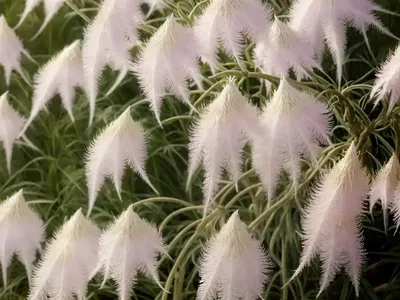
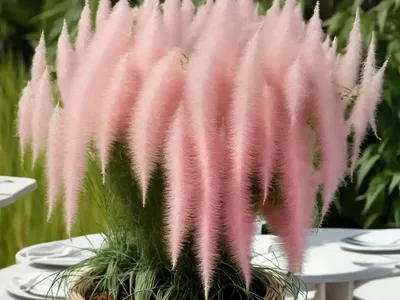
Aruncus ‘Chantilly Lace’ is a herbaceous perennial prized for its attractive foliage and beautiful, creamy-white plumes of flowers that emerge in late spring to early summer. Belonging to the Rosaceae family, this plant is native to North America, Europe, and Asia, where it thrives in moist woodland areas and alongside streams and rivers. The feathery appearance of its blooms gives it the common name “Goat’s Beard”.
The delicate appearance of Aruncus ‘Chantilly Lace’ belies its robust nature, as it is a hardy and adaptable plant that can thrive in a variety of conditions. It is an excellent choice for gardeners looking to add a touch of grace and sophistication to their outdoor spaces, whether in a formal garden, woodland setting, or mixed perennial border.
Key Takeaways – Aruncus ‘Chantilly Lace’ (Goat’s Beard)
Before delving into the specifics of nurturing Aruncus ‘Chantilly Lace’, here are the key takeaways that will be covered in this guide:
- Culture – Understanding the preferred growing conditions and cultural requirements of Aruncus ‘Chantilly Lace’.
- Uses – Exploring the versatile uses of Goat’s Beard in landscaping and garden design.
- Water – Discussing the watering needs and moisture requirements of Aruncus ‘Chantilly Lace’.
- Sunlight – Understanding the ideal sunlight conditions for this plant.
- Fertilizer – Exploring the fertilization needs and best practices for feeding Aruncus ‘Chantilly Lace’.
- Soil – Discussing the soil preferences and optimal growing medium for this plant.
- Pruning – Learning about the proper techniques for pruning and maintaining the health and appearance of Goat’s Beard.
- Propagation – Exploring the methods for propagating Aruncus ‘Chantilly Lace’ to expand your plant collection.
- Container Popularity – Understanding the suitability of growing Goat’s Beard in containers.
- Common Diseases – Identifying and addressing common diseases that may affect Aruncus ‘Chantilly Lace’.
- Disease Diagnosis – Recognizing the symptoms of diseases and ailments in Goat’s Beard, and implementing appropriate treatments.
- Common Pests – Identifying the pests that may pose a threat to the health of this plant.
- Botanist’s Tips – Expert tips and recommendations for successfully growing and caring for Aruncus ‘Chantilly Lace’.
- Fun Facts – Discovering interesting and lesser-known facts about Goat’s Beard.
- Links to External Resources – Providing additional references and resources for further exploration of this plant.
Now, let’s embark on an in-depth journey into the world of Aruncus ‘Chantilly Lace’, where every aspect of its care and cultivation will be unveiled.
Culture: Growing Conditions and Requirements
Understanding the preferred growing conditions and cultural requirements of Aruncus ‘Chantilly Lace’ is essential for fostering healthy and vibrant growth. Whether you are a seasoned gardener or a novice enthusiast, providing the right environment for this plant is crucial to its overall well-being. Let’s explore the key cultural aspects to consider when cultivating Goat’s Beard:
Water
Watering Needs: Aruncus ‘Chantilly Lace’ thrives in consistently moist soil, making it well-suited for locations with ample access to water. While it appreciates moisture, it is essential to ensure that the soil has good drainage to prevent waterlogging, which can lead to root rot.
-
Ideal Watering Frequency: During the growing season, regular watering is crucial, especially during dry spells, to maintain the soil’s moisture level. A depth of 1-2 inches of water per week, either through rainfall or supplemental watering, typically meets the plant’s needs.
-
Moisture Monitoring: To gauge the soil’s moisture level, a simple technique involves inserting a finger into the soil to a depth of 1-2 inches. If the soil feels dry at this depth, it is time to water. However, if the soil feels adequately moist, it is best to wait before watering again.
-
Mulching Benefits: Applying a layer of organic mulch, such as shredded bark or leaf compost, around the base of the plant helps retain soil moisture and reduces the frequency of watering. Mulching also inhibits weed growth and insulates the soil, providing a more stable environment for the roots.
Sunlight
Sun Exposure: While Aruncus ‘Chantilly Lace’ prefers moist conditions, it also thrives in partial shade to full shade, making it an excellent choice for shaded or woodland gardens. It can tolerate some dappled sunlight, especially in the morning hours, but it generally fares best in locations with reduced direct sun exposure.
-
Shade Tolerance: The adaptability of Goat’s Beard to shade makes it an ideal candidate for areas of the garden that receive limited sunlight, including beneath large trees or along the north-facing sides of buildings. Its tolerance for shade opens up opportunities for incorporating this plant into a range of garden settings, providing a graceful and lush presence in areas that may be challenging for other plants.
-
Leaf Scorch Prevention: In regions with hot summers or intense sunlight, providing partial shade or filtered light helps prevent leaf scorch, ensuring that the foliage remains healthy and vibrant. By choosing suitable planting locations, you can help Aruncus ‘Chantilly Lace’ thrive and maintain its ornamental value.
Fertilizer
Fertilization Requirements: While Aruncus ‘Chantilly Lace’ is relatively low-maintenance, providing occasional fertilization can enhance its growth and overall vigor. Selecting the appropriate fertilizer and applying it in moderation supports the plant’s nutritional needs and contributes to robust flowering and foliage development.
-
Balanced Fertilizer: Using a balanced, slow-release fertilizer in early spring before new growth emerges is beneficial for promoting healthy foliage and flowering. A general-purpose, granular fertilizer with an NPK formulation such as 10-10-10 or 14-14-14 provides essential nutrients without overstimulating excessive vegetative growth.
-
Application Guidelines: Following the manufacturer’s instructions for the specific fertilizer product is recommended to avoid over-fertilization, which can lead to nutrient imbalances or possible damage to the plant. Applying the fertilizer evenly around the base of the plant and watering it in afterward allows for the gradual release of nutrients over time.
-
Organic Alternatives: For gardeners preferring organic methods, using a compost-based fertilizer or well-decomposed organic matter as a top dressing can provide a natural source of nutrients and contribute to the soil’s organic content. Organic fertilizers release nutrients slowly, promoting long-term soil health and microbial activity.
Soil
Soil Preferences: Aruncus ‘Chantilly Lace’ thrives in rich, well-draining soil with a slightly acidic to neutral pH range. Amending the soil with organic matter, such as compost or well-rotted manure, enhances its texture and fertility, creating an optimal growing medium for this plant.
-
Soil Amendment Benefits: Incorporating organic matter into the soil not only improves its structure and water retention but also fosters beneficial microbial activity, supporting the long-term health of the plant. Amending the soil before planting or as a top dressing during the growing season provides ongoing benefits to the root system.
-
Drainage Considerations: Ensuring good soil drainage is essential, as waterlogging can lead to root suffocation and potential disease issues. Raised beds or mounded planting areas can also improve drainage in locations with compacted or poorly draining soil.
Pruning
Pruning Techniques: The process of pruning Aruncus ‘Chantilly Lace’ is minimal but can be beneficial for managing its size and enhancing its appearance. With proper pruning, you can maintain the plant’s shape, remove spent flowers, and rejuvenate its growth for the following season.
-
Deadheading: Removing spent flowers promptly not only improves the plant’s aesthetics but also encourages the development of new blooms. Snipping off the faded flower clusters at their base prevents seed formation and redirects the plant’s energy toward additional flowering.
-
Stem Maintenance: During the late winter or early spring, pruning out any damaged, dead, or overcrowded stems contributes to the plant’s overall health. Using sanitized pruning shears, carefully trim back these stems to ground level, promoting the emergence of new growth in the growing season.
-
Division: In situations where Aruncus ‘Chantilly Lace’ becomes overcrowded or displays reduced vigor, dividing the plant every few years rejuvenates its growth and allows you to propagate new plants. Dividing the clumps in the early spring, before new growth begins, revitalizes the plant’s health and encourages robust flowering.
Propagation
Propagation Techniques: Expanding your collection of Aruncus ‘Chantilly Lace’ through propagation offers a rewarding way to nurture new plants and share them with fellow gardening enthusiasts. Several propagation methods, including division and seed sowing, can be employed to increase the number of Goat’s Beard plants in your garden.
-
Division: The division of mature clumps in the early spring, before new growth emerges, serves as an effective method for propagating Aruncus ‘Chantilly Lace’. Using a sharp spade or garden knife, carefully separate the clump into multiple sections, ensuring that each division has healthy roots and viable shoots.
-
Rooting Cuttings: While less commonly used than division or seed propagation, rooting cuttings from healthy stems of Aruncus ‘Chantilly Lace’ can yield new plants. Taking stem cuttings with several nodes and treating them with a rooting hormone before planting them in a well-draining rooting medium can initiate root growth and subsequent establishment of new plants.
-
Seed Propagation: Collecting and sowing seeds from mature seed heads of Goat’s Beard provides an opportunity to grow new plants. Sowing the seeds in a prepared seed-starting mix and providing consistent moisture and warmth enables germination. While this method requires patience due to the time needed for seedling establishment, it offers a rewarding way to propagate the plant.
Container Popularity
Container Gardening: The adaptability of Aruncus ‘Chantilly Lace’ to container gardening expands its potential for inclusion in a variety of outdoor spaces, including patios, balconies, and urban gardens. When considering container cultivation for this plant, several factors should be taken into account to ensure its success and longevity.
-
Container Selection: Choosing a container with adequate size and depth is essential, providing ample room for the plant’s root system to develop. A container with drainage holes facilitates proper water management, preventing waterlogged soil and potential root rot.
-
Growing Medium: Using a well-draining potting mix, enriched with organic matter and perlite or coarse sand, supports the healthy growth of Aruncus ‘Chantilly Lace’ in containers. The growing medium should retain moisture without becoming waterlogged, promoting robust root development.
-
Watering Considerations: Container-grown Goat’s Beard may require more frequent watering than plants in the ground, as containers can dry out more rapidly. Monitoring the soil moisture and providing regular watering, especially during hot and dry periods, ensures the plant’s hydration needs are met.
-
Sunlight Conditions: Positioning the container in a location with diffused light or partial shade helps prevent excessive drying of the soil and reduces the potential for heat stress on the plant. Balconies, patios, and shaded outdoor areas are suitable locations for accommodating Aruncus ‘Chantilly Lace’ in containers.
-
Overwintering: In regions with harsh winter conditions, protecting container-grown plants from freezing temperatures by providing insulation or relocating them to a sheltered area ensures their survival. Mulching the soil surface and wrapping the containers with insulating material offers additional protection during cold spells.
Popularity
Popularity in Landscaping: Aruncus ‘Chantilly Lace’ is renowned for its versatility and aesthetic appeal, making it a popular choice for incorporating into diverse landscaping schemes. From formal gardens to naturalistic woodland settings, this plant’s graceful stature and striking blooms have captured the admiration of gardeners and landscapers alike.
-
Mixed Borders: Integrating Goat’s Beard into mixed perennial borders and island beds creates a stunning visual impact, especially when paired with contrasting foliage and flowering plants. Its lofty plumes provide vertical interest and a soft, billowy texture that complements the surrounding flora.
-
Woodland Gardens: The shade tolerance of Aruncus ‘Chantilly Lace’ makes it an excellent candidate for shaded gardens and woodland areas. Its refined appearance and ability to thrive in dappled light contribute to the tranquil and serene ambiance of woodland gardens.
-
Damp Soil Gardens: In gardens with consistently moist or damp soil, such as near water features or in low-lying areas, Aruncus ‘Chantilly Lace’ excels. Its affinity for moist conditions and its ability to endure periodic waterlogging make it a valuable addition to gardens with such environmental characteristics.
-
Formal Plantings: The elegant form and texture of Goat’s Beard make it suitable for formal plantings, including foundation plantings and entryway gardens, where its refined appearance and low-maintenance nature add a touch of sophistication to the landscape.
Common Diseases
While Aruncus ‘Chantilly Lace’ is generally resistant to most diseases, certain environmental stressors or cultural issues can predispose the plant to specific ailments. Understanding common diseases that may affect Goat’s Beard equips gardeners with the knowledge to identify, prevent, and address potential health concerns.
Powdery Mildew
Symptoms: The development of a powdery white coating on the leaves and stems of the plant is indicative of powdery mildew. This fungal disease thrives in humid and warm conditions, often occurring during periods of high humidity or inadequate air circulation.
Prevention: Ensuring optimal air circulation around the plant, avoiding overhead watering, and maintaining good garden hygiene by removing fallen foliage can minimize the risk of powdery mildew.
Treatment: Fungicidal sprays or horticultural oils, applied according to the manufacturer’s instructions, can help manage powdery mildew outbreaks. Pruning affected foliage and promoting better air movement also aids in disease control.
Rust
Symptoms: Rust diseases manifest as orange, reddish, or brown spots on the leaves, often accompanied by visible spore-producing structures. The underside of the leaves may also show signs of rust pustules.
Prevention: Minimizing leaf wetness through selective watering, avoiding overhead irrigation, and applying mulch to prevent soil splashing onto the leaves can reduce the incidence of rust.
Treatment: Fungicidal treatments with active ingredients recommended for rust control can help manage the disease. Removing and disposing of affected leaves further prevents its spread.
Leaf Spot
Symptoms: Circular or irregularly shaped lesions on the leaves characterize leaf spot diseases. These spots may vary in color and size, and severe infections can lead to premature leaf drop.
Prevention: Ensuring proper spacing between plants to encourage air circulation, regular removal of fallen foliage, and avoiding overhead watering can help prevent leaf spot diseases.
Treatment: Fungicidal treatments, along with ensuring good garden sanitation, contribute to controlling leaf spot diseases. Pruning affected plant parts may also be necessary to mitigate its impact.
Disease Diagnosis
Promptly identifying and diagnosing diseases affecting Aruncus ‘Chantilly Lace’ enables timely intervention and minimizes the potential spread of infections. Being attentive to the plant’s appearance and observing any deviations from its normal growth and vitality aids in determining the presence of diseases.
Visual Symptoms
Foliage Changes: Discoloration, spots, or abnormal patterns on the leaves, such as powdery coatings or rust-colored lesions, are indicative of potential diseases.
Stunted Growth: Reduced vigor, slow growth, or abnormal development of new shoots may signify underlying health issues or disease pressure.
Leaf Drop: Premature leaf drop, accompanied by signs of disease on the foliage, can point to specific ailments affecting the plant.
Physical Examination
Leaf Inspection: Carefully examining the upper and lower surfaces of the leaves for discoloration, spots, or abnormal growth structures assists in identifying potential diseases.
Stem Assessment: Observing the stems for signs of cankers, lesions, or abnormal discoloration provides additional insights into the plant’s health.
Root Examination: When feasible, inspecting the roots for signs of rot, decay, or damage aids in diagnosing potential root-related diseases.
Environmental Assessment
Moisture Levels: Evaluating the soil moisture and drainage conditions around the plant helps assess the risk of diseases associated with excess moisture or poor drainage.
Air Circulation: Checking for adequate air movement and ventilation around the plant assists in preventing diseases favored by humid and stagnant conditions.
Previous Management Practices: Reviewing past cultural practices, such as irrigation methods and fertilization, can provide clues to potential disease triggers.
Common Pests
While Aruncus ‘Chantilly Lace’ is relatively resistant to pest infestations, occasional encounters with certain pests may occur. Identifying common pests that may affect Goat’s Beard and implementing appropriate pest management strategies helps safeguard the plant’s health and vitality.
Aphids
Identification: Small, soft-bodied insects typically found clustered on the new growth or undersides of the leaves. Aphids may be green, black, brown, or pink in color and can be winged or wingless.
Control: Insecticidal soaps, neem oil, or horticultural oils provide effective control of aphids, disrupting their feeding and reproductive activity. Additionally, beneficial predators, such as ladybugs and lacewings, help naturally manage aphid populations.
Sawfly Larvae
Identification: Sawfly larvae are caterpillar-like pests that feed on the foliage, creating notches or holes in the leaves. They may be green, yellow, or brown in color and move in a distinctive looping manner.
Control: Handpicking and disposing of sawfly larvae, particularly in the early stages of infestation, helps prevent widespread damage. Biological controls, such as parasitic wasps, contribute to managing sawfly populations.
Snails and Slugs
Identification: These mollusks leave slime trails and often feed on the tender growth of Aruncus ‘Chantilly Lace’, causing visible damage to the foliage.
Control: Employing physical barriers, such as copper tape or diatomaceous earth, around the base of the plant and handpicking snails and slugs during evening hours minimise their impact. Applying environmentally safe slug and snail baits offers additional control options.
Botanist’s Tips
Gleaned from the expertise of botanists and seasoned gardeners, the following tips and recommendations provide valuable insights into successfully growing and caring for Aruncus ‘Chantilly Lace’:
- Ample Moisture: Consistently maintaining moist conditions, particularly during periods of active growth and flowering, supports the health and vitality of