Aruncus Aethusifolius (Dwarf Goat’s Beard)
As a plant scientist, it’s always fascinating to delve into the intricate details of various plant species. In this comprehensive guide, we will explore.
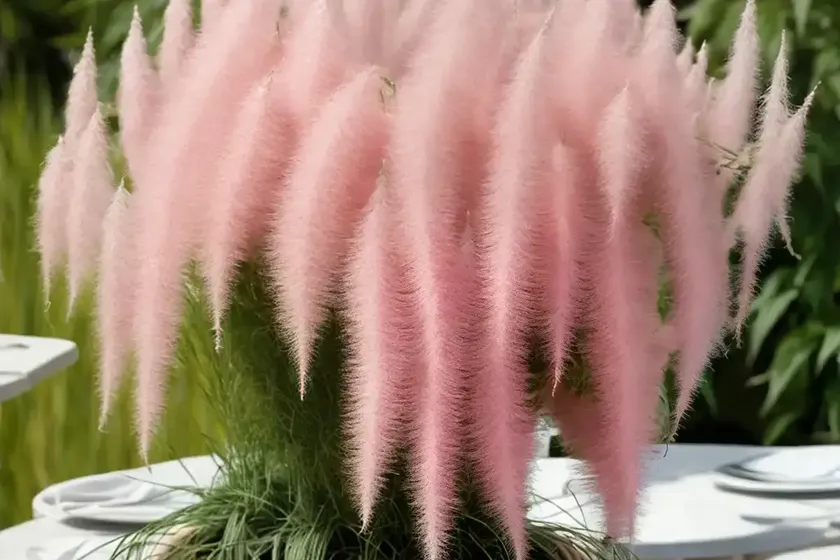
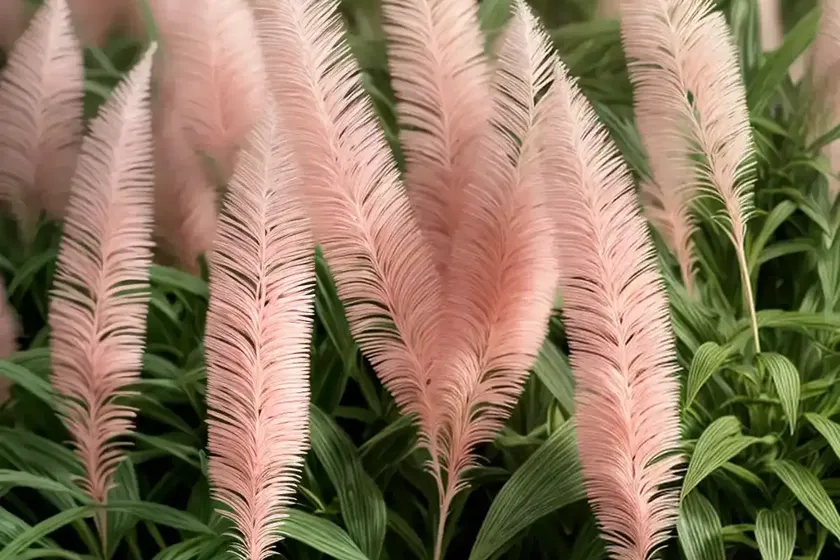
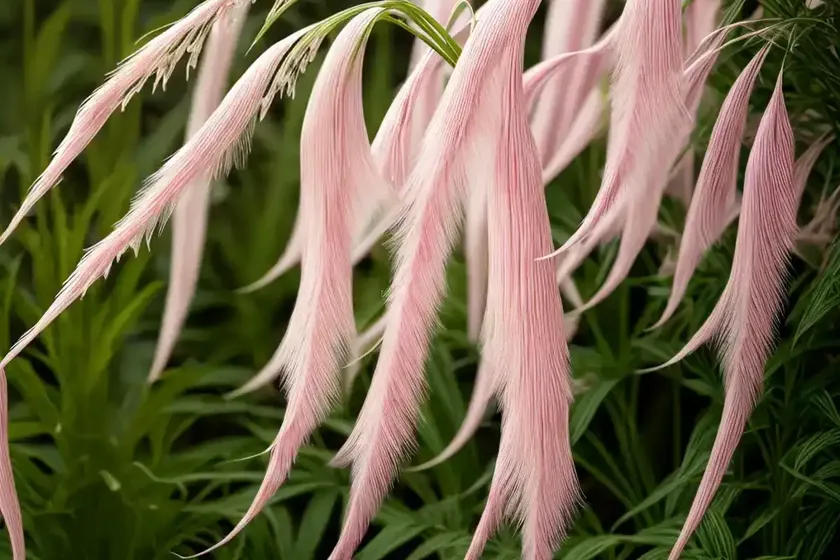
As a plant scientist, it’s always fascinating to delve into the intricate details of various plant species. In this comprehensive guide, we will explore the captivating world of Aruncus aethusifolius, commonly known as Dwarf Goat’s Beard. We’ll uncover its cultural requirements, uses, maintenance tips, and much more. So, let’s embark on this botanical journey and unearth the secrets of this enchanting plant.
What is Aruncus aethusifolius (Dwarf Goat’s Beard)?
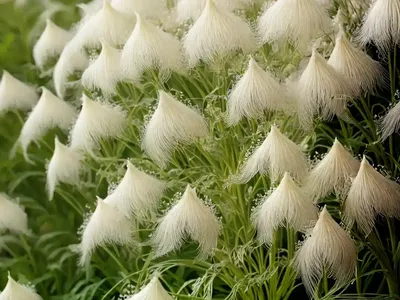
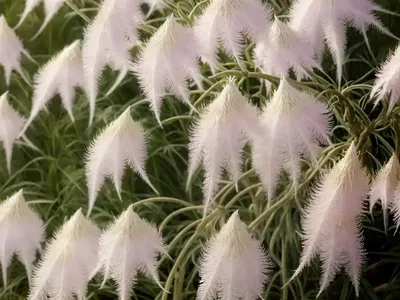
Aruncus aethusifolius, a member of the Rosaceae family, is a deciduous perennial plant that is native to Korea and Japan. This charming plant is admired for its delicate, fern-like foliage and fluffy, creamy white plumes that bloom in late spring to early summer. The compact size and graceful appearance of A. aethusifolius make it a delightful addition to woodland gardens, borders, and rock gardens.
Key Takeaways – Aruncus aethusifolius (Dwarf Goat’s Beard)
Before we delve into the detailed care and cultivation practices, let’s summarize the key takeaways for Aruncus aethusifolius:
- Plant Name: Aruncus aethusifolius (Dwarf Goat’s Beard)
- Common Names: Dwarf Goat’s Beard, Korean Goatsbeard
- Family: Rosaceae
- Native Habitat: Korea, Japan
- Foliage: Delicate, fern-like
- Flowers: Creamy white, plume-like
- Season of Interest: Late spring to early summer
- Landscape Uses: Woodland gardens, borders, rock gardens
Now that we have an overview of Aruncus aethusifolius, let’s dive deeper into its cultural requirements and maintenance tips.
Culture
Water
Aruncus aethusifolius thrives in moist, well-draining soil. During the growing season, it’s essential to keep the soil consistently moist, especially in warmer climates or periods of drought. Adequate watering is crucial for promoting healthy foliage and robust flowering in this plant.
Sunlight
This elegant perennial plant prefers partial to full shade. It flourishes in dappled sunlight or filtered light under the canopy of trees. In warmer regions, providing afternoon shade can prevent the delicate foliage from scorching. However, in cooler climates, it can tolerate more sunlight, especially morning sun.
Fertilizer
When it comes to fertilizing Aruncus aethusifolius, a balanced, slow-release fertilizer applied in early spring can provide the necessary nutrients for healthy growth and prolific flowering. It’s important to follow the recommended application rates and avoid over-fertilization, which can lead to excessive foliage at the expense of flowers.
Soil
The ideal soil for Aruncus aethusifolius is rich, humusy, and well-draining. It thrives in slightly acidic to neutral soil pH. Incorporating organic matter into the soil before planting can enhance its moisture retention and nutrient content, creating an optimal growing environment for this delightful plant.
Pruning
Pruning Aruncus aethusifolius is relatively minimal. After the flowering period, removing spent flower stalks can encourage a tidy appearance and potentially stimulate a second flush of growth. Additionally, occasional removal of damaged or unsightly foliage can promote the plant’s overall health and appearance.
Propagation
Division
One of the most common methods of propagating Aruncus aethusifolius is through division. This can be done in early spring as new growth emerges or in the fall before the plant goes dormant. Carefully dig up the plant, ensuring that the root ball remains intact. Then, using a sharp, clean tool, divide the root ball into sections, ensuring that each division has several healthy shoots and roots. The divisions can then be replanted in suitable locations, ensuring ample moisture during the establishment phase.
Seed Propagation
Propagation from seeds is also a viable option for expanding your A. aethusifolius population. Gather seeds from mature flower heads and sow them in a prepared seedbed or containers in a sheltered location. Lightly cover the seeds with soil and keep them consistently moist until germination occurs. The resulting seedlings can be transplanted to their permanent locations once they have developed sufficient root systems.
Container Popularity
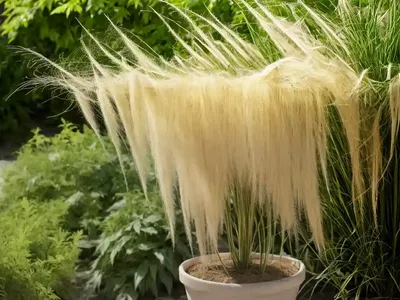
Aruncus aethusifolius is well-suited for container gardening, particularly for those who may not have extensive garden space. Its compact size and graceful foliage make it a charming addition to patio containers, shaded courtyards, and balcony gardens. When growing A. aethusifolius in containers, it’s essential to choose a pot with adequate drainage holes to prevent waterlogging, and to use a high-quality potting mix that provides good aeration and moisture retention.
Common Diseases
Disease Diagnosis
Aruncus aethusifolius is generally resistant to most diseases, but it can occasionally be affected by fungal infections such as powdery mildew in conditions of high humidity and poor air circulation. Symptoms of powdery mildew include the appearance of a white, powdery substance on the foliage. Proper cultural practices such as providing good air circulation, avoiding overhead watering, and maintaining overall plant health can help prevent and manage fungal diseases.
Common Pests
Aruncus aethusifolius is relatively resistant to pest infestations. However, it may occasionally attract aphids or spider mites, particularly in dry conditions. Regularly inspecting the foliage for signs of infestation and promptly addressing any pest issues can help maintain the plant’s vitality and appearance. In some cases, a strong blast of water from a garden hose can help dislodge and control small populations of aphids or spider mites.
Botanist’s Tips
Growing Conditions
- Aruncus aethusifolius prefers moist, well-draining soil and partial to full shade. It’s important to mimic its native woodland habitats by providing similar growing conditions in a garden setting.
Planting Tips
- When planting Aruncus aethusifolius, ensure that the crown is planted at the appropriate soil level. Planting too deeply can promote rot, while planting too shallowly can expose the roots to excessive drying.
Maintenance
- Regularly monitor the plant for signs of stress, pest infestations, or diseases. Early detection and timely intervention can prevent issues from escalating and ensure a healthy, thriving plant.
Fun Facts
- Aruncus aethusifolius is celebrated for its graceful, fern-like foliage, earning it the nickname “Dwarf Goat’s Beard.”
- The creamy white plumes of A. aethusifolius create a striking contrast against the lush greenery, adding a touch of elegance to shaded gardens.
Now that we have explored the basics of Aruncus aethusifolius culture and maintenance, let’s delve deeper into some additional aspects of this captivating plant.
Links to External Resources
For further information on Aruncus aethusifolius and related topics, I recommend exploring the following authoritative resources:
- Royal Horticultural Society (RHS)
- Missouri Botanical Garden
- The American Society of Landscape Architects (ASLA)
- The Botanical Society of America (BSA)
In the next sections, we will continue to explore the varieties, landscape uses, companion plants, and other intriguing aspects of Aruncus aethusifolius.
Varieties
Aruncus aethusifolius is known for its charming and graceful appearance. While it may not have as wide a range of cultivated varieties as some other ornamental plants, there are distinct selections that showcase unique features such as different foliage colors, growth habits, or flower characteristics. Some popular varieties of A. aethusifolius include:
- Aruncus aethusifolius ‘Noble Spirits’: This variety is prized for its larger and fuller flower plumes, creating a more substantial visual impact in the garden.
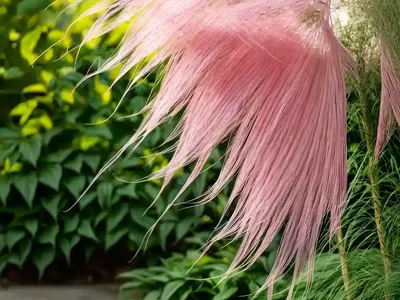
- Aruncus aethusifolius ‘Cherry Blossom’: This selection features a hint of pink blush on the creamy white plumes, adding a touch of subtle color to the display.
- Aruncus aethusifolius ‘Peppermint Stick’: This unique variety showcases variegated foliage with creamy white and green striped leaves, creating an eye-catching effect even when not in bloom.
Landscape Uses
Aruncus aethusifolius offers versatile and enchanting landscape uses, particularly in shaded or woodland settings. Its delicate foliage and airy plumes infuse a touch of elegance and texture into garden compositions. Some popular landscape uses for A. aethusifolius include:
- Woodland Gardens: A. aethusifolius harmonizes beautifully with other shade-loving plants such as ferns, hostas, and astilbes, creating a serene and naturalistic woodland garden.
- Borders and Edges: The graceful form and white plumes of Aruncus aethusifolius add contrast and visual interest when planted along the borders of shaded beds or pathways.
- Rock Gardens: The compact size and delicate foliage of A. aethusifolius make it an exquisite addition to rock gardens, where it can thrive in the shelter of larger rocks or near moisture-retentive crevices.
Companion Plants
Choosing the right companions for Aruncus aethusifolius can enhance its beauty and create harmonious garden vignettes. When selecting companion plants, it’s important to consider their cultural requirements and ensure that they thrive in similar growing conditions. Some delightful companion plants for A. aethusifolius include:
- Ferns: The airy, delicate foliage of A. aethusifolius complements various fern species, creating a tapestry of textures and forms in shaded gardens.
- Hostas: The lush foliage and diverse leaf colors of hostas provide a striking contrast to the fern-like leaves of Aruncus aethusifolius.
- Astilbes: The feathery plumes of astilbes resonate with the airy appearance of A. aethusifolius, forming a captivating display of dainty flowers and elegant foliage.
Medicinal Uses and Folklore
Throughout history, various plant species have been utilized for their medicinal properties and have been woven into the rich tapestry of folklore and myths. While Aruncus aethusifolius is not typically recognized for extensive medicinal uses, some traditional herbal practices have attributed certain properties to related species within the Aruncus genus. The folklore and myths surrounding Aruncus aethusifolius and its relatives are a testament to the enduring cultural significance of plants in human societies.
Conclusion
In conclusion, Aruncus aethusifolius (Dwarf Goat’s Beard) is a captivating plant with a wealth of ornamental and horticultural attributes. Its graceful foliage, elegant plumes, and adaptability to shaded environments make it a valuable addition to diverse garden settings. Understanding the cultural requirements, varieties, landscape uses, and potential companion plants for A. aethusifolius can empower gardeners to create enchanting woodland gardens and shaded landscapes that showcase the beauty of this delightful plant. By appreciating the botanical intricacies and practical aspects of caring for Aruncus aethusifolius, we can foster a deeper connection with nature and enrich our outdoor spaces with its alluring presence.
As we continue to explore the diverse array of plants that grace our gardens and landscapes, the enduring wonder of botanical marvels like Aruncus aethusifolius serves as a reminder of the boundless beauty and inspiration that nature bestows upon us.
Note: The content provided in this blog post is for informational purposes only and is not intended to serve as professional gardening or medical advice. For specific guidance relating to plant care, cultivation, and medicinal uses, it is recommended to consult recognized horticultural and healthcare professionals.