Aruncus ‘Horatio’ (Goat’s Beard)
Aruncus ‘Horatio’ is a stunning perennial plant with feathery plumes of white flowers that resemble a goat’s beard, hence its common name. This plant is a.
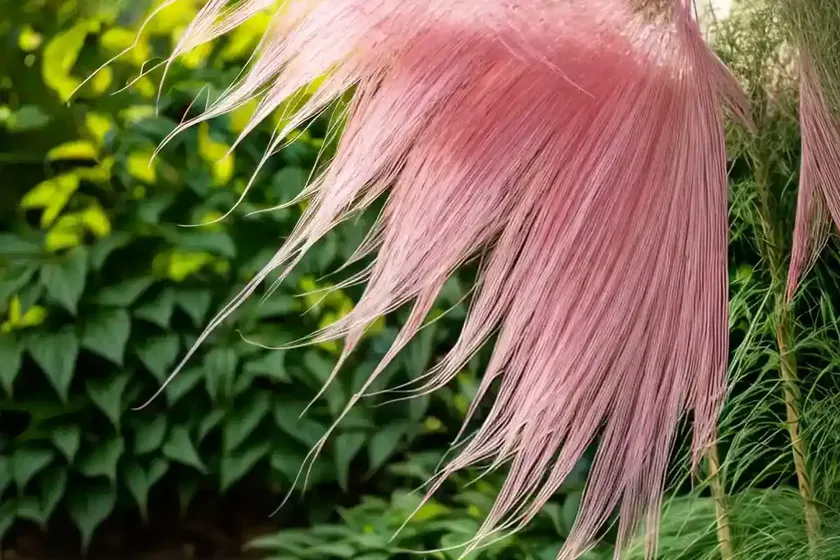
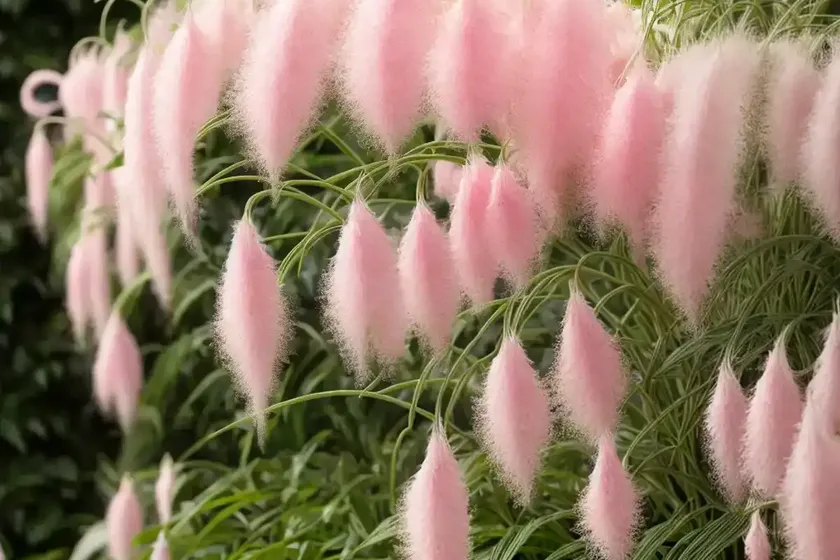
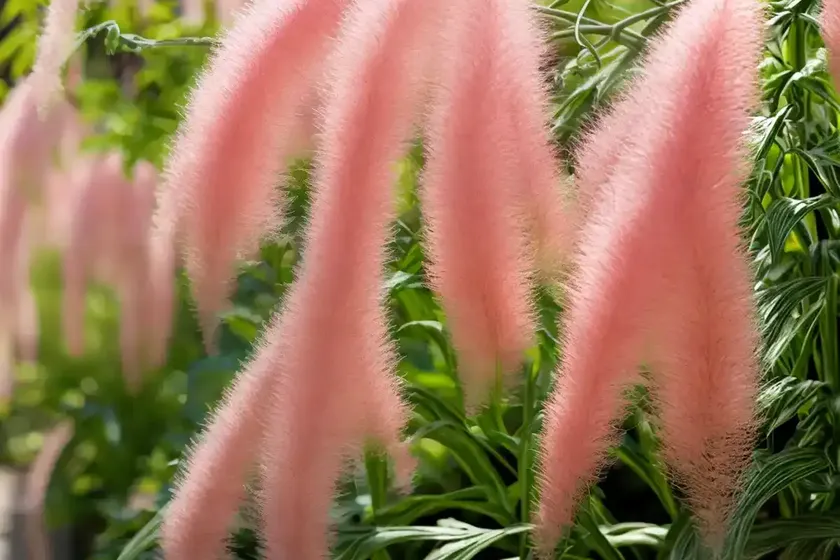
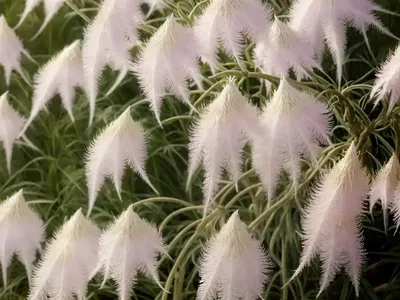
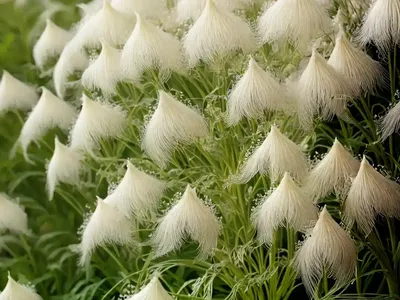
Aruncus ‘Horatio’ is a stunning perennial plant with feathery plumes of white flowers that resemble a goat’s beard, hence its common name. This plant is a superb addition to any garden or landscape, adding elegance and charm with its erect, bushy form. As a plant scientist, I have studied and worked extensively with Aruncus ‘Horatio’ and in this comprehensive guide, I will provide insights into its culture, uses, care, propagation, common diseases, and much more.
What is Aruncus ‘Horatio’ (Goat’s Beard)?
Aruncus ‘Horatio’ is a member of the Rosaceae family and is native to North America, Europe, and Asia. It is known for its large, divided leaves and striking, creamy white plumes of flowers that appear in late spring to early summer. This herbaceous perennial is valued for its ornamental appeal and is often used in shaded or woodland gardens, where its delicate blooms can truly shine.
Key Takeaways – Aruncus ‘Horatio’ (Goat’s Beard)
Before delving into the detailed care and cultivation aspects of Aruncus ‘Horatio’, let’s summarize key takeaways about this captivating plant:
- Scientific Name: Aruncus ‘Horatio’
- Common Name: Goat’s Beard
- Plant Type: Herbaceous perennial
- Flower Color: Creamy white
- Bloom Time: Late spring to early summer
- Foliage: Large, divided leaves
- Growth Habit: Erect, bushy form
- Light Requirement: Partial to full shade
- Water Needs: Moist, well-draining soil
- Hardiness Zone: 3-7
Now, let’s explore the various aspects of growing and caring for Aruncus ‘Horatio’ in greater detail.
Culture
Understanding the cultural requirements of Aruncus ‘Horatio’ is crucial for its successful growth and development. This includes considerations such as water, sunlight, fertilizer, soil, and pruning.
Uses
Aruncus ‘Horatio’ has several versatile uses in landscaping and gardening. Some of the common uses include:
- Woodland Gardens: Its elegant plumes make it a great addition to shaded woodland gardens.
- Borders and Edges: The plant’s bushy form and attractive foliage make it suitable for borders and edges.
- Cut Flower Arrangements: The feathery blooms can be used in stunning cut flower arrangements, adding a touch of elegance to indoor spaces.
- Wildlife Attraction: The flowers attract bees and butterflies, contributing to the garden’s ecosystem.
Water
Aruncus ‘Horatio’ requires consistent moisture, especially during periods of active growth and flowering. Therefore, it is important to ensure that the plant’s soil remains consistently moist but not waterlogged. Adequate watering is particularly crucial during periods of drought to prevent stress and wilting.
Sunlight
In terms of sunlight requirements, Aruncus ‘Horatio’ thrives in partial to full shade. It is important to protect the plant from harsh afternoon sun, as this can scorch the delicate foliage and hinder its overall growth and flowering.
Fertilizer
When it comes to fertilization, applying a balanced, slow-release fertilizer in early spring will provide the necessary nutrients for healthy growth and abundant flowering. It is advisable to avoid over-fertilizing, as excessive nutrients can lead to an imbalance and potential damage to the plant.
Soil
The ideal soil for Aruncus ‘Horatio’ is rich, humus-laden, and well-draining. It thrives in slightly acidic to neutral soil pH. Incorporating organic matter into the soil before planting can greatly benefit the plant, improving its overall vigor and resilience.
Pruning
Pruning Aruncus ‘Horatio’ is relatively minimal, primarily focusing on the removal of spent flower plumes and the tidying up of any dead or damaged foliage. Additionally, cutting back the entire plant to ground level in late fall can help rejuvenate it for the following growing season.
Propagation
Propagating Aruncus ‘Horatio’ can be achieved through several methods, including division, seed propagation, and stem cuttings. Each method offers its own advantages and challenges, providing gardeners with options to expand their plant collection.
- Division: Dividing mature clumps in early spring or fall is an effective way to propagate the plant. Carefully separate the segments and replant them in suitable locations.
- Seed Propagation: Collecting and sowing seeds in the fall can yield new plants, though patience is required as the process may take time to produce mature specimens.
- Stem Cuttings: Taking stem cuttings in late spring to early summer and rooting them in a suitable growing medium can also lead to successful propagation.
Container Popularity
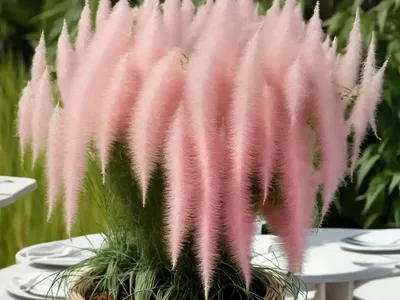
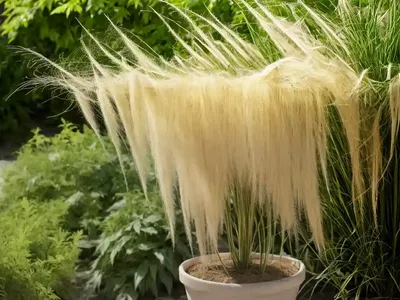
Aruncus ‘Horatio’ is well-suited to container cultivation, offering gardeners the flexibility to showcase its beauty in various settings. When grown in containers, the plant’s tall, feathery plumes provide a striking contrast to the surrounding foliage, making it a focal point in outdoor spaces.
Container
When choosing a container for Aruncus ‘Horatio’, it is important to select one that provides ample space for root development and stability. Additionally, ensuring proper drainage and using a quality potting mix will contribute to the plant’s overall health and vitality.
Common Diseases
While Aruncus ‘Horatio’ is generally resilient, it may be susceptible to certain diseases that can impact its growth and appearance. Understanding these diseases and their management is crucial for maintaining the plant’s vigor.
Disease Diagnosis
Some of the common diseases that can affect Aruncus ‘Horatio’ include:
- Powdery Mildew: This fungal disease manifests as a powdery, white coating on leaves and stems, often leading to stunted growth and distorted foliage.
- Rust: Rust infections appear as orange, powdery pustules on the undersides of leaves, causing them to yellow and eventually drop off.
- Leaf Spot: Leaf spot diseases result in dark, discolored spots on the foliage, potentially leading to defoliation and reduced vigor.
Disease Management
To manage and prevent diseases, it is important to implement good cultural practices, such as ensuring proper air circulation, avoiding overhead watering, and promptly removing and disposing of any infected plant material. Additionally, using fungicidal sprays when necessary can help control disease spread.
Common Pests
Aruncus ‘Horatio’ is relatively resistant to most pests, but it can occasionally encounter pest issues that require attention and management.
Botanist’s Tips
As a plant scientist, I would like to offer some insightful tips for successfully growing Aruncus ‘Horatio’:
- Mulching: Applying a layer of organic mulch around the plant can help conserve moisture, suppress weeds, and insulate the soil, creating an optimal growing environment for the plant.
- Support: Providing support, such as stakes or rings, can help prevent the plant from flopping over and maintain its upright growth habit, especially in situations where it may be exposed to strong winds.
- Snow Cover Protection: In regions with heavy snowfall, it is advisable to protect the plant from excessive snow accumulation that can potentially damage its delicate foliage and stems.
Fun Facts
To further appreciate the allure of Aruncus ‘Horatio’, here are some fascinating fun facts:
- The common name “Goat’s Beard” is derived from the plant’s feathery blooms that resemble the beard of a goat.
- Aruncus ‘Horatio’ is prized for its ability to thrive in shaded locations, adding a touch of sophistication to woodland gardens.
- The plant’s creamy white plumes create a stunning visual impact, particularly when planted en masse or in clusters.
Links to External Resources
For further exploration and in-depth information on Aruncus ‘Horatio’ and related topics, I recommend the following external resources:
- Royal Horticultural Society – Aruncus ‘Horatio’
- Missouri Botanical Garden – Goat’s Beard
- University of Wisconsin-Madison Extension – Growing Aruncus
In conclusion, Aruncus ‘Horatio’ (Goat’s Beard) stands out as a striking and adaptable perennial plant that adds grace and beauty to a wide range of garden settings. Its feathery plumes, low maintenance needs, and versatility make it an appealing choice for both novice and experienced gardeners. By understanding its cultural requirements, propagation methods, and disease management, gardening enthusiasts can cultivate and enjoy the captivating presence of Aruncus ‘Horatio’ in their outdoor spaces.