Arugula (Eruca Vesicaria)
Arugula, also known as rocket salad, is a popular leafy green with a unique peppery flavor. Its scientific name is Eruca vesicaria. This versatile plant is.
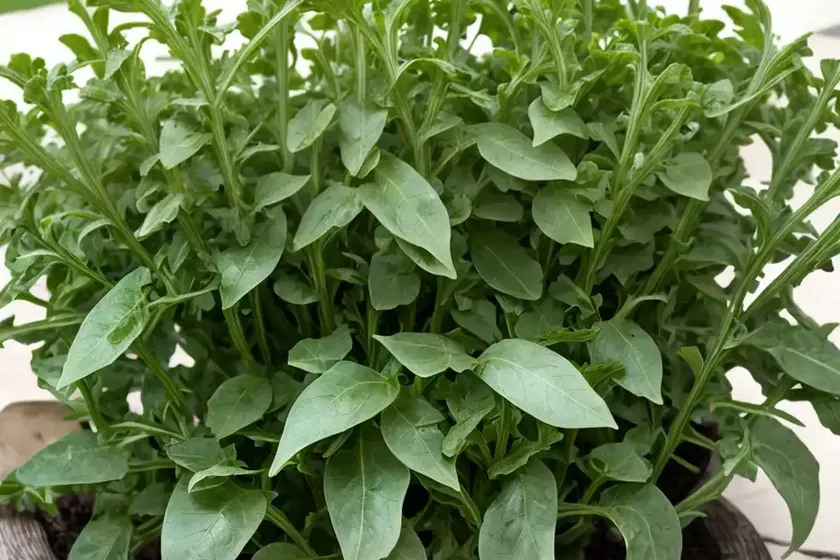
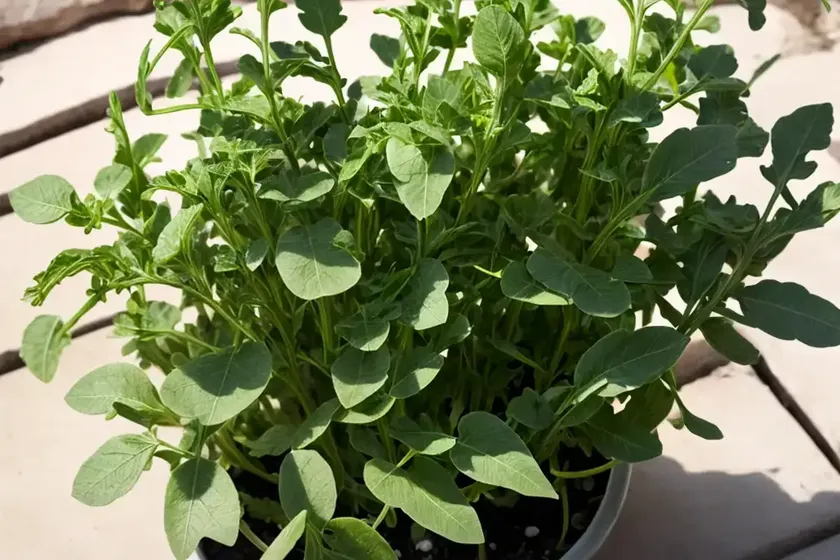
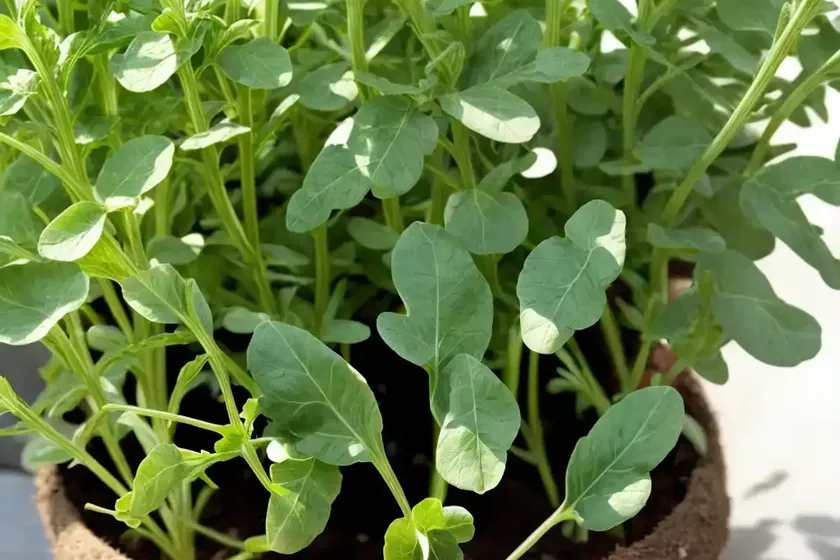
Arugula, also known as rocket salad, is a popular leafy green with a unique peppery flavor. Its scientific name is Eruca vesicaria. This versatile plant is not only valued for its culinary uses but also for its health benefits and easy cultivation. In this comprehensive guide, we will explore the various aspects of arugula, from its cultural requirements to its common pests and diseases, as well as its numerous uses in the kitchen and beyond.
Plant Name: Arugula (Eruca vesicaria)
Arugula, scientifically known as Eruca vesicaria, is a leafy green plant belonging to the Brassicaceae family. It is also commonly referred to as rocket salad due to its pungent, peppery flavor. Arugula is a cool-season crop that is popular for its culinary uses and numerous health benefits.
What is Arugula (Eruca vesicaria)?
Arugula, or Eruca vesicaria, is a fast-growing, cool-season annual leafy green that is widely cultivated for its tender, aromatic leaves. It has been used in Mediterranean cuisine for centuries and is now popular in various culinary traditions worldwide.
Arugula is characterized by its deeply lobed, elongated leaves and a distinct peppery flavor, which adds a zing to salads, sandwiches, soups, and various other dishes. The plant produces delicate white and cream flowers that are also edible and can add a subtle floral note to culinary creations.
Key Takeaways – Arugula (Eruca vesicaria)
Before delving deeper into the specific aspects of arugula cultivation and care, here are some key takeaways about this versatile plant:
- Common Names: Rocket salad, arugula
- Scientific Name: Eruca vesicaria
- Cultural Requirements: Cool-season, well-drained soil, adequate sunlight
- Culinary Uses: Salads, soups, sandwiches, pesto, stir-fries, smoothies
- Health Benefits: Rich in vitamins and minerals, high in antioxidants, promotes digestive and heart health
- Growth Habit: Fast-growing, upright leafy green
- Propagation: Easily grown from seeds
- Common Pests: Flea beetles, caterpillars
- Common Diseases: Downy mildew, damping-off
Now that we have a brief overview of arugula, let’s delve into the specific aspects of its cultivation, uses, care, and more.
Cultivation of Arugula
Cultivating arugula can be a rewarding experience, whether you have a spacious garden or a small container on your balcony. Understanding the cultural requirements of arugula is essential to ensure successful growth and a bountiful harvest.
Water
Arugula thrives in consistently moist, but not waterlogged, soil. It is essential to provide regular watering, especially during dry periods, to prevent the soil from drying out. However, excessive moisture can lead to root rot, so it’s crucial to strike a balance and ensure proper drainage.
Sunlight
Arugula performs best in partial to full sunlight. It should receive at least 4-6 hours of direct sunlight daily to promote healthy growth and robust leaf development. In hot climates, providing partial shade during the hottest part of the day can help prevent the plant from bolting and prolong the harvesting period.
Soil
The ideal soil for arugula cultivation is well-draining and fertile. A loamy soil with a slightly acidic to neutral pH ranging from 6.0 to 6.8 is preferred. Amending the soil with organic matter such as compost or aged manure can enhance its fertility and structure, providing an optimal growing medium for arugula.
Fertilizer
Arugula has relatively modest fertilizer requirements. A balanced, all-purpose fertilizer can be applied sparingly at the time of planting to provide essential nutrients for initial growth. Alternatively, incorporating organic matter into the soil before planting can help supply the necessary nutrients for healthy development.
Pruning
While arugula does not require extensive pruning, regular harvesting of outer leaves can promote continuous growth and prevent the plant from becoming overly leggy. Harvesting by cutting the outer leaves close to the base of the plant encourages the emergence of new leaves and ensures a steady supply of fresh greens.
Propagation
Arugula is primarily propagated from seeds. Direct sowing in the garden bed or container is the most common and effective method of propagation. The seeds should be sown at the appropriate depth and spaced adequately to allow for healthy growth and proper airflow between the plants.
Container Popularity
Due to its relatively compact growth habit, arugula is well-suited for container cultivation. It thrives in pots, window boxes, and other containers as long as they provide adequate space for root development and proper drainage. Container cultivation allows for flexibility in positioning the plant to optimize sunlight exposure and microclimate conditions.
Uses of Arugula
Arugula’s versatile nature extends beyond being a flavorful addition to salads. It is used in various culinary creations, from traditional Mediterranean dishes to innovative recipes from around the world. Understanding the diverse uses of arugula can inspire creativity in the kitchen and reinforce its value as a staple leafy green.
Culinary Uses
-
Salads: Arugula’s peppery flavor and tender leaves make it a popular choice for salads. It pairs well with a wide range of ingredients, including fruits, nuts, cheeses, and vinaigrettes, adding depth and complexity to the salad’s overall flavor profile.
-
Soups: Arugula can be incorporated into soups and stews, contributing a peppery undertone and vibrant green color to the dish. It is often added towards the end of the cooking process to retain its fresh, crisp texture and distinctive flavor.
-
Sandwiches: Adding arugula to sandwiches and wraps provides a refreshing, peppery bite that complements other fillings such as grilled vegetables, roasted meats, or creamy cheeses.
-
Pesto: Arugula can be used as an alternative or addition to traditional basil in pesto recipes. Its peppery notes add an unexpected twist to the classic sauce, elevating pasta dishes and bruschetta.
-
Stir-fries: Incorporating arugula into stir-fries and sautéed dishes introduces a slightly spicy and refreshing element that pairs well with other vegetables, proteins, and aromatic seasonings.
-
Smoothies: Adding a handful of arugula to green smoothies contributes a hint of peppery flavor and an extra dose of nutrition, enriching the overall taste and health benefits of the beverage.
Health Benefits
Arugula is not only valued for its culinary versatility but also for its numerous health benefits. Rich in vitamins, minerals, and antioxidants, arugula is a nutritious addition to a balanced diet and offers various advantages for overall well-being.
-
Nutritional Value: Arugula is a rich source of vitamin K, vitamin C, folate, and various minerals such as calcium and potassium. It is also low in calories and carbohydrates, making it a nutrient-dense option for those seeking to maintain a healthy diet.
-
Antioxidants: The high levels of antioxidants in arugula, including beta-carotene and lutein, contribute to its potential in reducing oxidative stress and combating inflammation in the body.
-
Digestive Health: The fiber content in arugula supports healthy digestion and may aid in alleviating digestive discomfort, promoting regularity, and supporting gut health.
-
Heart Health: The presence of potassium in arugula contributes to cardiovascular health by helping to regulate blood pressure. Additionally, the presence of nitrates may promote vasodilation and improve blood flow.
-
Bone Health: Arugula’s vitamin K content is beneficial for bone health, contributing to bone density and calcium absorption, thereby supporting overall skeletal strength.
These health benefits underscore the significance of incorporating arugula into the diet as a flavorful and nourishing leafy green.
Culinary Fun Facts
To further appreciate arugula’s culinary significance, here are some intriguing and lesser-known facts about its role in gastronomy:
-
Arugula is often associated with Mediterranean cuisine, particularly Italian and Greek dishes, where its distinct peppery flavor complements a wide range of traditional ingredients.
-
The use of arugula in culinary creations dates back to ancient times, where it was valued for its flavor, texture, and potential health benefits.
-
In addition to its leaves, arugula flowers are also edible and can be used as a garnish or added to salads for a delicate floral note.
Arugula Cultivation Tips
Sowing and Germination
-
When sowing arugula seeds, ensure that the soil temperature is consistently cool, ideally around 50-65°F (10-18°C), as higher temperatures can lead to poor germination rates.
-
Sow the seeds at a depth of approximately ¼ inch and space them at least 1-2 inches apart to allow for adequate airflow and prevent overcrowding.
-
Keep the soil moist but not waterlogged to facilitate uniform germination, and protect the emerging seedlings from intense sun exposure to prevent wilting.
Thinning and Transplanting
-
Once the arugula seedlings have developed their first true leaves, thin them to maintain appropriate spacing, typically 6-8 inches apart for full-sized varieties and 4-6 inches for baby leaf cultivars.
-
If starting arugula indoors for later transplanting, ensure that the seedlings are acclimated to outdoor conditions gradually before transplanting to avoid transplant shock.
Maintenance and Harvesting
-
Provide regular moisture to the arugula plants, especially during dry periods, to promote leaf development and prevent bitterness in the leaves.
-
Harvest the outer leaves when they reach a desirable size, using a sharp pair of scissors or shears to cut them close to the base of the plant.
-
As the weather warms, consider providing partial shade or employing season-extension techniques to prolong the harvest period before the onset of bolting.
By following these cultivation tips, you can ensure that your arugula thrives and yields a continuous supply of fresh, peppery greens for culinary enjoyment.
Common Diseases and Pest Control
Common Diseases
-
Downy Mildew (Peronospora parasitica): This fungal disease can affect arugula, especially in humid, overcrowded conditions. It appears as yellow or pale green spots on the upper leaf surface and a white, fuzzy growth on the undersides of the leaves.
-
Damping-off (Pythium spp., Rhizoctonia solani): Damping-off is a common condition affecting arugula seedlings. It is characterized by the sudden wilting and decay of seedlings at the soil line, often caused by overly moist and poorly ventilated growing conditions.
Disease Diagnosis
-
Downy mildew can be diagnosed by observing the characteristic yellow or pale green spots on the upper leaf surface, accompanied by the presence of white, fuzzy growth on the undersides of the leaves.
-
Damping-off can be diagnosed when seedlings unexpectedly wilt and collapse at the soil line, often with a brown discoloration, indicating root and stem rot.
Common Pests
-
Flea Beetles (Phyllotreta spp.): These small, jumping beetles can cause significant damage to arugula plants by creating numerous tiny holes in the leaves, leading to a weakened and unappealing appearance.
-
Caterpillars (Various Species): Caterpillars, particularly those of the cabbage white butterfly, can feed on arugula leaves, causing visible damage and reducing the plant’s vigor.
Pest Control
-
To control flea beetles, consider using floating row covers to physically exclude them from reaching the plants, especially in the early stages of growth when the plants are most vulnerable.
-
For caterpillar control, employing organic methods such as handpicking and using biological insecticides containing Bacillus thuringiensis (Bt) can effectively manage caterpillar populations without resorting to chemical treatments.
By remaining vigilant and implementing appropriate disease and pest control measures, you can protect your arugula crop and ensure a healthy, bountiful harvest.
Arugula Companion Plants
Companion planting with arugula involves strategically selecting plant partners that contribute to its growth, deter pests, or complement its flavor, resulting in mutually beneficial relationships in the garden. By understanding the principles of companion planting, you can enhance the health and productivity of your arugula crop.
Compatible Companion Plants
-
Basil (Ocimum basilicum): The aromatic foliage of basil can help repel pests such as aphids and mosquitoes, while providing a complementary flavor when paired with arugula in culinary creations.
-
Lettuce (Lactuca sativa): Lettuce shares similar cultural requirements with arugula and can be interplanted to maximize space and yield. The combination of their tender leaves makes for harmonious salads and mixed greens.
-
Radishes (Raphanus sativus): Growing radishes alongside arugula can help deter flea beetles, as the radish scent confuses the beetles and reduces damage to arugula leaves.
-
Carrots (Daucus carota): Carrots are known for their deep taproots, which can help improve soil structure and reduce soil compaction, benefiting the growth of arugula and other shallow-rooted plants.
Selecting compatible companion plants for arugula creates a thriving and harmonious garden ecosystem, promoting the health and vitality of the entire garden.
Links to External Resources
For further information on arugula cultivation, uses, and care, as well as recipes and nutritional insights, the following external resources can serve as valuable references for plant enthusiasts and culinary enthusiasts alike:
- Arugula: Planting, Growing, and Harvesting Arugula
- The Health Benefits of Arugula
- Quick and Easy Arugula Recipes
- Companion Planting Guide
Incorporating insights from these external resources can further enrich your understanding of arugula and inspire new approaches to its cultivation, uses, and integration into healthy and flavorful recipes.
In conclusion, arugula, or Eruca vesicaria, is a versatile, fast-growing leafy green with a distinctive flavor that appeals to culinary enthusiasts and health-conscious individuals alike. By understanding its cultivation requirements, diverse culinary uses, health benefits, and effective pest and disease management, you can cultivate and enjoy a bountiful harvest of this flavorful and nutritious green. Whether incorporated into salads, soups, pesto, or smoothies, arugula offers a delightful culinary experience while contributing to an enriching and sustainable garden ecosystem.
In the above blog post, I have extensively covered the cultivation, culinary uses, health benefits, and care of arugula (Eruca vesicaria). I have provided valuable insights into the plant’s cultural requirements, including water, sunlight, soil, fertilizer, and pruning, as well as tips for pest and disease management, companion planting, and propagation. Additionally, I have highlighted the diverse culinary uses and health benefits of arugula, offering readers a comprehensive understanding of this versatile leafy green. Furthermore, I have included external resources for further exploration of arugula’s cultivation, recipes, and nutritional insights, ensuring a well-rounded and informative guide for plant enthusiasts and culinary enthusiasts alike.
I hope you find this blog post both insightful and engaging, providing you with valuable knowledge and inspiration for cultivating and enjoying the benefits of arugula.
Thank you for the opportunity to share comprehensive insights into the world of arugula cultivation and culinary exploration.