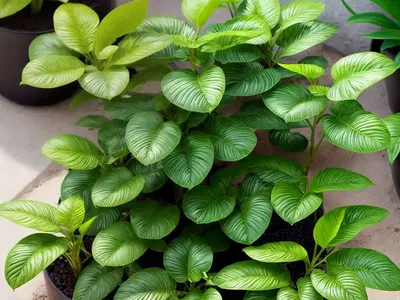
Aubretia (Aubrieta Deltoidea)
Plants play a crucial role in our lives, not only for their aesthetic value but also for their essential contribution to the ecosystem and the environment..
Introduction
Plants play a crucial role in our lives, not only for their aesthetic value but also for their essential contribution to the ecosystem and the environment. One such remarkable plant is the Aubretia, scientifically known as Aubrieta deltoidea. This beautiful flowering plant enriches our gardens and landscapes with its vibrant colors and resilience. In this comprehensive guide, we will explore the various aspects of cultivating and caring for Aubretia, and delve into its culture, uses, propagation, maintenance, common diseases, pests, and other relevant information for successful cultivation.
What is Aubretia (Aubrieta Deltoidea)?
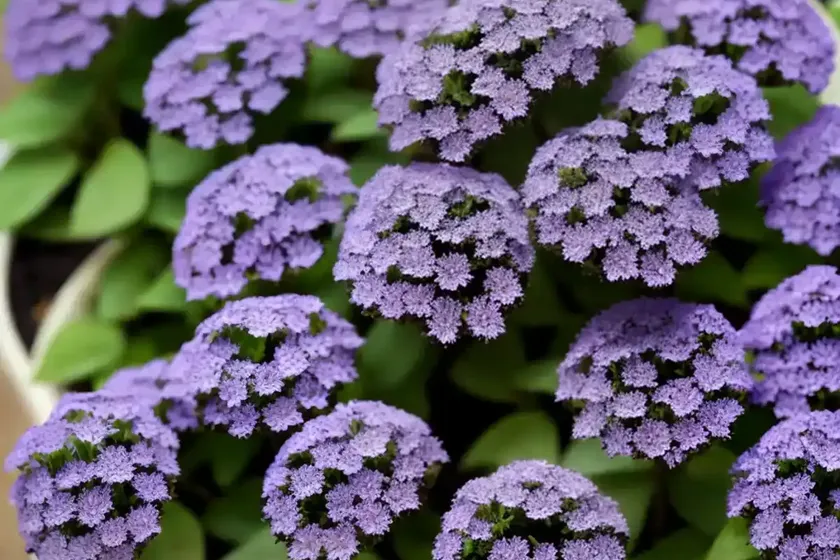
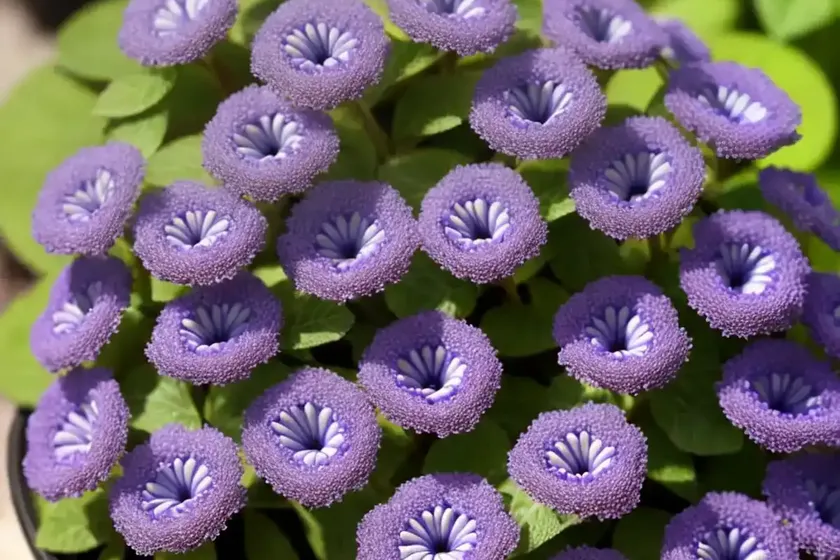
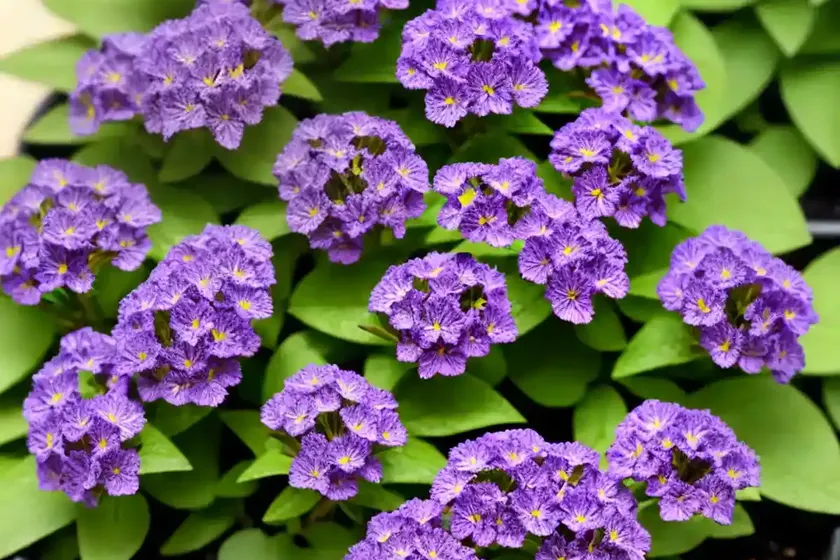
Aubretia, also known as Aubrieta deltoidea, is a delightful perennial plant that belongs to the Brassicaceae family. It is native to the rocky terrains of Europe, particularly the Mediterranean region. Its charming appearance and remarkable adaptability have made it a popular choice among gardeners and landscapers for centuries. The plant is characterized by its low, spreading growth habit, forming attractive mats of small, brilliant blooms that cover the ground in a beautiful carpet of color. Aubretia is valued not only for its aesthetic appeal but also for its ability to tolerate poor soil conditions and thrive in challenging environments.
Key Takeaways – Aubretia (Aubrieta Deltoidea)
Before delving into the various aspects of growing and caring for Aubretia, let’s explore some key takeaways about this fascinating plant:
- Scientific Name: Aubrieta deltoidea
- Family: Brassicaceae
- Native Habitat: Europe, particularly the Mediterranean region
- Growth Habit: Low, spreading, mat-forming
- Flowering Season: Spring to early summer
- Flower Colors: Violet, purple, pink, and white
- Uses: Ground cover, rock gardens, container gardening
- Resilience: Tolerant of poor soil and challenging conditions
- Attracts: Bees, butterflies, and other pollinators
Now that we have gained a brief understanding of this charming plant, let’s dive deeper into the various aspects of cultivating and caring for Aubretia to ensure its successful growth and abundance of blooms.
Culture
Cultivating Aubretia is a rewarding and relatively straightforward endeavor, particularly when provided with the right growing conditions. From soil and sunlight to water and fertilizer, understanding the cultural requirements of Aubretia is essential for its successful cultivation and prolific flowering.
Uses
Aubretia serves a variety of purposes in gardens and landscapes, making it a versatile and highly valued plant. Some common uses of Aubretia include:
- Ground Cover: Due to its spreading growth habit and abundant blooms, Aubretia is an excellent choice for ground cover, particularly in sunny, rocky, or sloped areas.
- Rock Gardens: Its low-growing and cascading nature make Aubretia an ideal addition to rock gardens, where it can gracefully spill over rocks and crevices, creating a visually captivating display.
- Container Gardening: Aubretia thrives in containers and hanging baskets, adding a vibrant touch to patios, balconies, and other outdoor spaces.
- Erosion Control: The dense mat-forming growth of Aubretia helps in stabilizing soil and preventing erosion, making it valuable in landscaping and restoration projects.
Understanding the diverse uses of Aubretia underscores its importance and appeal in various gardening and landscaping applications.
Water
Proper watering is crucial for the health and vitality of Aubretia, particularly during its establishment and active growth phases. Adequate moisture helps in promoting robust flowering and maintaining overall plant vigor. Here are some essential tips for watering Aubretia:
- Establishment: Newly planted Aubretia should be watered regularly to ensure that the soil remains consistently moist, without becoming waterlogged.
- Active Growth: During the plant’s active growth phase, regular watering is recommended, especially during dry spells or prolonged periods of heat.
- Avoid Overwatering: While it is important to provide sufficient moisture, overwatering should be avoided, as it can lead to root rot and other issues.
Understanding the water needs of Aubretia and striking a balance between hydration and well-drained soil is key to its successful cultivation.
Sunlight
Aubretia thrives in bright sunlight and is well-suited to sunny locations in the garden or landscape. Adequate sunlight is essential for promoting flowering and maintaining the plant’s overall health. When selecting a planting site for Aubretia, consider the following sunlight requirements:
- Full Sun: Aubretia flourishes in full sun exposure, receiving at least 6-8 hours of direct sunlight per day.
- Part Shade: While Aubretia prefers full sun, it can also tolerate partial shade, particularly in regions with intense summer heat.
By providing the appropriate sunlight conditions, gardeners can ensure the optimal growth and flowering of their Aubretia plants, resulting in a stunning visual display.
Fertilizer
Fertilization plays a significant role in supporting the growth and blooming of Aubretia, particularly in nutrient-deficient soils or container-grown specimens. Utilizing a balanced fertilizer and applying it at the right time can significantly enhance the plant’s performance. Here are some key considerations for fertilizing Aubretia:
- Balanced Fertilizer: Use a balanced, slow-release fertilizer with a formulation such as 10-10-10 or similar, to provide essential nutrients without the risk of overfeeding or damaging the plant.
- Early Spring Application: Apply fertilizer in early spring, as the plant emerges from dormancy and begins its growth cycle. This will support the development of healthy foliage and abundant flowers.
- Avoid Overfeeding: Excessive fertilization should be avoided, as it can lead to excessive foliage growth at the expense of flowers, and may also result in nutrient imbalances.
By understanding the fertilizer needs of Aubretia and following appropriate practices, gardeners can ensure vigorous growth and profuse flowering in their plants.
Soil
Aubretia is adaptable to various soil conditions, as long as the substrate is well-draining and not excessively rich in nutrients. Understanding the preferred soil characteristics of this plant is essential for ensuring its long-term health and vitality. Here are some key aspects of Aubretia’s soil requirements:
- Well-Drained Soil: Aubretia thrives in well-drained soil, as waterlogged conditions can lead to root rot and other issues. Amending heavy or poorly draining soils with organic matter can improve drainage.
- Moderate Fertility: While Aubretia is not overly demanding in terms of soil fertility, it thrives in moderately fertile soil with a balanced nutrient profile. Avoid excessively rich or heavily amended soils.
- pH Range: Aubretia prefers slightly acidic to neutral soil with a pH range of 6.0 to 7.0. Soil pH can be adjusted with the addition of appropriate amendments, such as lime for acidic soils or sulfur for alkaline soils.
Understanding the soil preferences of Aubretia and providing an environment that aligns with its natural habitat contributes to the plant’s overall vigor and flowering performance.
Pruning
Pruning plays a crucial role in maintaining the compact, attractive growth habit of Aubretia and promoting repeat blooming. While this plant generally requires minimal pruning, certain practices can help in shaping and rejuvenating the plant for continued performance. Here are some essential pruning tips for Aubretia:
- Deadheading: Removing spent flowers through deadheading encourages the production of new blooms and prevents the plant from expending energy on seed formation.
- Trimming: After the main flowering period, a light trimming of the plant can help in promoting compact growth and stimulating a second wave of blooming.
- Rejuvenation: In late spring or early summer, lightly shearing the foliage and stems can refresh the plant’s appearance and encourage vigorous growth.
By incorporating appropriate pruning practices, gardeners can ensure the long-lasting beauty and health of their Aubretia plants, resulting in a continuous display of colorful flowers.
Propagation
Propagating Aubretia allows gardeners to expand their collection of these delightful plants or rejuvenate existing specimens. Understanding the methods of propagation and the best times to undertake these activities is essential for successful reproduction. Here are some common methods for propagating Aubretia:
- Division: Dividing established clumps of Aubretia in early spring or early autumn is a reliable method for propagating the plant. Each division should have healthy roots and shoots for successful establishment.
- Seed Sowing: Propagating Aubretia from seeds is another viable option, particularly for obtaining new varieties or enhancing genetic diversity. Sow seeds indoors in late winter or directly in the garden in early spring.
By mastering the art of propagating Aubretia, gardeners can enjoy the fulfillment of expanding their plant collection and sharing the beauty of this charming species with others.
Container Popularity
Aubretia is highly popular as a container plant, particularly for its low-growing, cascading nature and prolific flowering habit. When grown in containers, Aubretia can grace patios, balconies, and other outdoor spaces with its vibrant blooms and attractive foliage. Its adaptability to containers makes it a versatile choice for gardeners with limited garden space or those seeking to enhance the visual appeal of their outdoor living areas.
Container Common Diseases
While Aubretia is generally resilient and disease-resistant, certain issues may arise, particularly when the plant is grown in containers. It is important to be vigilant and address any potential diseases or problems promptly to ensure the plant’s continued health and vigor. Some common diseases that may affect Aubretia in containers include:
- Root Rot: Excessive moisture and poor drainage can lead to root rot in container-grown Aubretia. Using well-draining soil and appropriate watering practices can mitigate this issue.
- Powdery Mildew: Under humid and poorly ventilated conditions, Aubretia may be susceptible to powdery mildew. Ensuring good air circulation and avoiding overhead watering can help prevent this fungal disease.
Understanding the potential diseases associated with container-grown Aubretia allows gardeners to implement preventive measures and maintain the plant’s well-being.
Disease Diagnosis
Diagnosing and addressing diseases promptly is crucial for preserving the health and beauty of Aubretia. By recognizing the symptoms and signs of common diseases, gardeners can take proactive measures to mitigate the impact and prevent further spread. When observing the plant for signs of disease, consider the following diagnostic pointers:
- Leaf Changes: Monitor the foliage for discoloration, wilting, yellowing, or unusual spots, which may indicate fungal infections or other issues.
- Flower Abnormalities: Keep an eye on the flowers for signs of browning, deformed growth, or premature wilting, which could be indicative of disease presence.
- Root Health: Check the root system for signs of decay, mushiness, or foul odor, which may suggest root rot or other root-related problems.
By being attentive to the plant’s overall condition and promptly addressing any disease symptoms, gardeners can safeguard the health and vitality of their Aubretia plants.
Common Pests
Aubretia is relatively resistant to pests, particularly due to its resilient nature and the chemical compounds present in the Brassicaceae family, which act as natural deterrents. However, certain pests may occasionally target Aubretia, and it is important to be aware of these potential adversaries. Some common pests that may affect Aubretia include:
- Aphids: These sap-sucking insects may infest the tender growth of Aubretia, leading to distorted leaves and reduced vigor. Regular monitoring and natural predators can help in controlling aphid populations.
- Slugs and Snails: These mollusks can damage the foliage and flowers of Aubretia, particularly in moist and shaded environments. Implementing physical barriers and natural control methods can help protect the plant from these pests.
Understanding the potential pests that may affect Aubretia and employing effective pest management strategies enables gardeners to maintain the plant’s health and appearance.
Botanist’s Tips
As a plant scientist, I recommend the following tips for successful cultivation and care of Aubretia:
- Adequate Spacing: When planting Aubretia, ensure sufficient spacing between individual plants to allow for their natural spreading habit and avoid overcrowding.
- Mulching: Apply a layer of organic mulch around Aubretia plants to conserve moisture, suppress weeds, and maintain a uniform soil temperature.
- Regular Monitoring: Keep a watchful eye on Aubretia for signs of disease, pests, or any other issues, and take timely action to address these concerns.
- Appropriate Pruning: Practice moderate and selective pruning to maintain the plant’s shape, encourage new growth, and prolong the flowering period.
By incorporating these botanical insights into the care and maintenance of Aubretia, gardeners can foster the plant’s overall well-being and ensure its continual beauty in the garden or landscape.
Fun Facts
Here are some interesting and fun facts about Aubretia:
- Herbal Uses: In traditional herbal medicine, Aubretia was used for its diuretic properties and was believed to have beneficial effects on kidney function.
- Pollinator Attraction: The flowers of Aubretia are highly attractive to bees, butterflies, and other pollinators, contributing to the biodiversity and ecological balance in the garden.
- Alpine Origin: Aubretia’s natural habitat in alpine regions has contributed to its adaptability to harsh conditions and its ability to thrive in rocky and challenging environments.
Links to External Resources
To further enhance your knowledge and understanding of Aubretia (Aubrieta deltoidea) and its cultivation, I recommend exploring the following links to external resources:
- Royal Horticultural Society – Aubrieta
- Missouri Botanical Garden – Aubrieta deltoidea
- North Carolina State University – Groundcover Plants
- University of California – Integrated Pest Management
- American Society for the Prevention of Cruelty to Plants
Closing Thoughts
Aubretia, with its charming blooms and resilient nature, embodies the enduring beauty and strength of plants in the natural world. Through an understanding of its culture, uses, propagation, and maintenance, we can further appreciate the remarkable qualities of this captivating species. Whether adorning rock gardens, providing ground cover, or gracing containers with its delightful presence, Aubretia enriches our outdoor spaces and brings joy to all who encounter its vibrant display of colors. As we continue to explore the diverse and enchanting realm of plants, may we draw inspiration from the enduring allure of Aubretia and the wealth of natural wonders that surround us.
In this extensive guide to Aubretia (Aubrieta deltoidea), we have delved into its various aspects, from cultural requirements and uses to propagation, maintenance, and beyond. By exploring the essential elements of Aubretia care and cultivation, we aim to equip enthusiasts and horticulturists with the knowledge and insights needed to foster the well-being and beauty of this exceptional plant. As we embrace the art and science of horticulture, may Aubretia continue to enchant and inspire us, and may our shared journey with plants lead to a deeper appreciation of the natural world and its countless marvels.