Basket Of Gold (Aurinia Saxatilis)
Aurinia saxatilis, commonly known as Basket of Gold, is a delightful low-growing, evergreen perennial plant belonging to the Brassicaceae family. This.
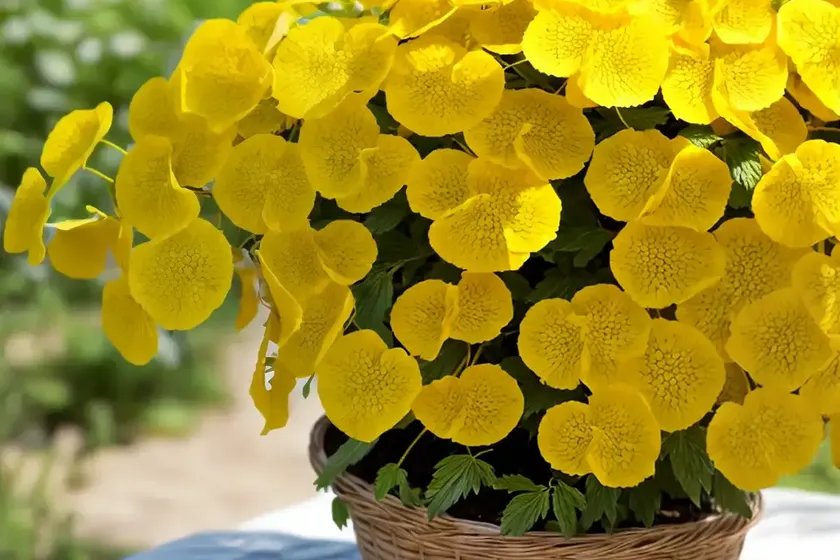
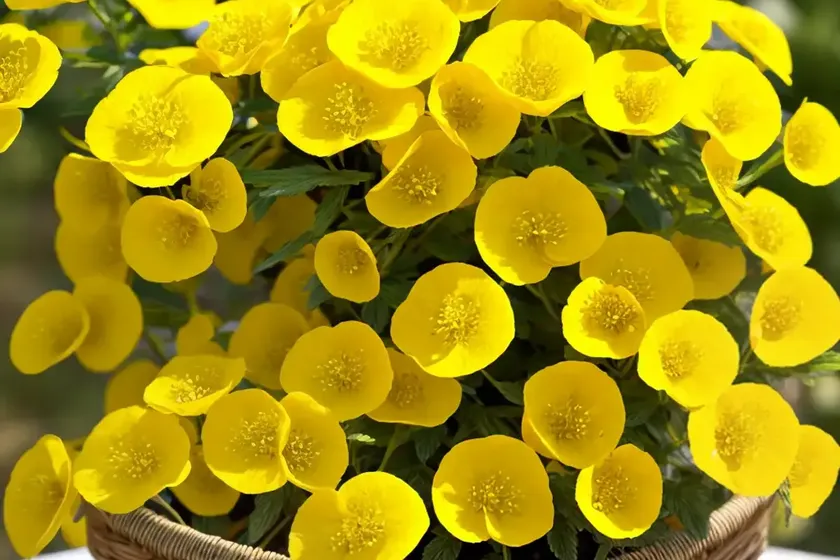
Aurinia saxatilis, commonly known as Basket of Gold, is a delightful low-growing, evergreen perennial plant belonging to the Brassicaceae family. This plant is highly valued by gardeners for its beautiful display of golden-yellow flowers and its ability to thrive in various growing conditions. In this comprehensive guide, we will explore the various aspects of Basket of Gold, including its culture, uses, care requirements, and maintenance practices.
What is Plant: Basket of Gold (Aurinia saxatilis)
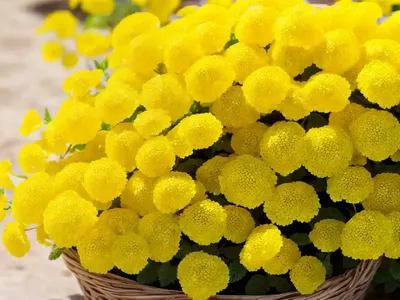
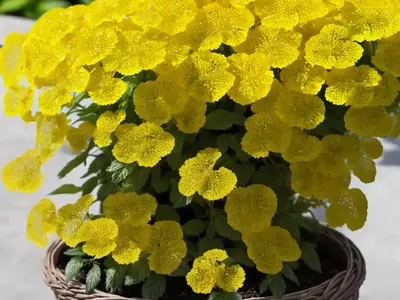
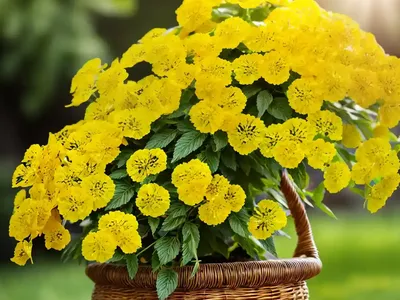
Basket of Gold (Aurinia saxatilis) is a herbaceous perennial plant native to southeastern Europe. It is characterized by its dense, compact growth habit and vibrant clusters of small, bright yellow flowers that blanket the plant in spring, creating a stunning visual display. The plant’s silvery-green foliage provides an attractive backdrop to the profusion of blooms, further enhancing its ornamental value in the garden. Basket of Gold is a popular choice for rock gardens, borders, and containers, adding a cheerful splash of color to the landscape.
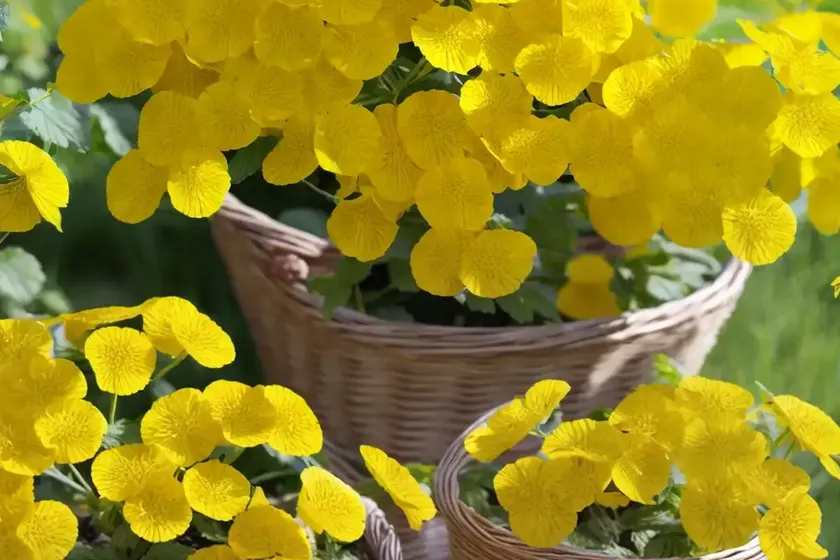
Figure 1: Basket of Gold (Aurinia saxatilis)
Key Takeaways – Basket of Gold (Aurinia saxatilis)
Before delving into the specifics of cultivating and caring for Basket of Gold, it is important to understand some of its key attributes and characteristics. Let’s take a look at the key takeaways associated with this delightful plant:
- Botanical Name: Aurinia saxatilis
- Common Name: Basket of Gold
- Family: Brassicaceae
- Plant Type: Herbaceous perennial
- Flower Color: Golden-yellow
- Foliage: Silvery-green, evergreen
- Growth Habit: Low-growing, dense, and mat-forming
- Uses: Rock gardens, borders, ground cover, containers
- Hardiness Zone: 3-7
- Sun Exposure: Full sun to partial shade
- Soil Requirements: Well-draining, moderately fertile soil
- Watering Needs: Low to moderate
- Maintenance: Low maintenance
- Special Features: Drought tolerant, deer resistant, attracts pollinators
Now that we have a general overview of Basket of Gold, let’s delve into the specific aspects of its culture, uses, and maintenance requirements.
Culture
Cultivating Basket of Gold requires an understanding of its cultural preferences and growing conditions. By providing the right environment and care, gardeners can ensure the plant’s optimal growth and flowering performance.
Uses
Basket of Gold is valued for its versatility and ornamental appeal, making it suitable for various landscaping and gardening applications. Some common uses of Basket of Gold include:
- Rock Gardens: The low-growing and spreading nature of Basket of Gold makes it an excellent choice for rock gardens, where it can create a vibrant carpet of golden blooms amidst rocks and boulders.
- Borders and Edging: It can be used as a border plant along garden beds or pathways, adding a pop of color and textural interest to the landscape.
- Ground Cover: Its mat-forming growth habit makes it an effective ground cover, especially on slopes or in areas where erosion control is necessary.
- Containers: Basket of Gold can be grown in containers or hanging baskets, allowing gardeners to enjoy its blooms on patios, balconies, or other small spaces.
Water
Basket of Gold exhibits good drought tolerance once established and generally prefers drier conditions compared to consistently moist soil. The plant is well-suited for xeriscaping and can thrive in various well-draining soil types, including sandy or rocky soils. While it can withstand periods of dryness, newly planted specimens should be watered regularly to aid in their establishment. Once established, occasional watering during prolonged dry spells is usually sufficient to support healthy growth and flowering.
Sunlight
One of the key requirements for the successful cultivation of Basket of Gold is ample sunlight. This plant thrives in full sun to partial shade, with at least 6-8 hours of direct sunlight being ideal for promoting robust growth and profuse flowering. When grown in partial shade, it is essential to ensure that the plant still receives an adequate amount of sunlight to maintain its compact growth habit and prolific blooming. In regions with hot summers, some afternoon shade may be beneficial to prevent excessive heat stress on the plant.
Fertilizer
Basket of Gold generally requires minimal fertilization and can thrive in moderately fertile soils without the need for frequent feeding. Prior to planting, amending the soil with organic matter or a balanced, slow-release fertilizer can help provide essential nutrients for initial growth. Once established, a light application of a balanced fertilizer in early spring can encourage healthy foliage growth and enhance flowering. Care should be taken not to over-fertilize, as this can result in excessive vegetative growth at the expense of blooming.
Soil
In terms of soil requirements, Basket of Gold prefers well-draining, moderately fertile soil with a slightly alkaline to neutral pH. It can adapt to various soil types, including sandy, loamy, or rocky soils, as long as they provide adequate drainage to prevent waterlogging. Improving soil drainage is particularly important, especially in regions with heavy clay soils, to prevent moisture-related issues and promote healthy root development. Additionally, incorporating organic matter into the soil during planting can help improve fertility and structure, creating an optimal growing environment for the plant.
Pruning
Pruning requirements for Basket of Gold are minimal, thanks to its naturally compact growth habit and low-maintenance nature. The plant may benefit from light pruning after the blooming period to remove any spent flowers and encourage a tidy appearance. This practice can also help prevent self-seeding and promote a more compact, dense growth habit in the following season. Additionally, any damaged or dead foliage can be trimmed throughout the season to maintain the plant’s overall health and appearance.
Propagation
Basket of Gold can be propagated through several methods, including division, stem cuttings, and seed propagation. Each of these approaches offers gardeners the opportunity to propagate new plants and expand their Basket of Gold displays within the garden or landscape.
Division
Dividing established clumps of Basket of Gold is a straightforward method of propagation that can be performed in early spring or fall. To divide the plant, carefully lift the clump from the ground and use a sharp knife or garden spade to separate it into smaller sections, ensuring that each division has a sufficient amount of roots and foliage. These divisions can then be replanted in prepared soil, watered thoroughly, and provided with appropriate care to support their establishment and subsequent growth.
Stem Cuttings
Stem cuttings can also be used to propagate Basket of Gold, particularly to produce new plants with specific characteristics or traits. Select healthy, non-flowering stems from the parent plant and trim them to create 4-6 inch cuttings. Remove the lower leaves to expose a portion of the stem and then insert the cuttings into a well-draining rooting medium. With adequate moisture and warmth, the cuttings should develop roots over time, at which point they can be transplanted into individual containers or the garden.
Seed Propagation
Growing Basket of Gold from seeds offers an accessible and cost-effective means of propagation, allowing gardeners to generate a large number of new plants. Collect mature seeds from existing plants and sow them in prepared seed trays or directly in the garden bed. Lightly cover the seeds with a thin layer of soil and keep them consistently moist until germination occurs. Once the seedlings have developed several sets of true leaves, they can be transplanted to their final growing locations and provided with appropriate care to promote healthy growth.
Container Popularity
Basket of Gold is well-suited for container cultivation, offering a compact, low-growing habit and a profusion of colorful blooms that can enhance the visual appeal of outdoor spaces. When grown in containers, this plant presents several advantages and opportunities for creative display and landscaping.
- Portability: Container-grown Basket of Gold can be easily moved and rearranged, allowing gardeners to create dynamic and ever-changing compositions on patios, decks, or other outdoor areas.
- Space Utilization: Containers provide a space-efficient way to incorporate Basket of Gold into small gardens or urban landscapes, where it can thrive without dominating the available space.
- Elevated Displays: Hanging baskets or elevated containers can showcase Basket of Gold at eye level, allowing for better appreciation of its flowers and foliage.
To successfully grow Basket of Gold in containers, it is essential to select a well-draining potting mix, choose an appropriately sized container, and provide adequate sunlight and care to support the plant’s growth and flowering. Additionally, regular monitoring of moisture levels and timely watering are crucial for container-grown specimens, as they may dry out more quickly compared to plants in the ground.
Common Diseases
Like many plants, Basket of Gold is susceptible to certain diseases, particularly those caused by fungal pathogens. Understanding these potential issues and implementing preventive measures can help maintain the plant’s health and vigor.
Disease Diagnosis
Some common diseases that may affect Basket of Gold include:
- Powdery Mildew: This fungal disease manifests as a white, powdery coating on the leaves, often impairing their photosynthetic capacity and overall vigor.
- Leaf Spot: Leaf spot diseases can cause dark, round or irregularly shaped lesions on the foliage, leading to aesthetic decline and potential weakening of the plant.
- Root Rot: Excessive moisture and poor soil drainage can contribute to root rot, resulting in wilting, yellowing, and eventual decline of the plant.
Early detection of these diseases is essential for prompt intervention and treatment. Regular inspection of the plant for any signs of unusual discoloration, spots, or growth abnormalities can aid in identifying potential issues before they escalate. Proper cultural practices, such as providing adequate spacing between plants, promoting good air circulation, and avoiding overwatering, can help reduce the risk of disease development and spread.
Common Pests
In addition to diseases, Basket of Gold may encounter certain pest-related challenges that can impact its growth and appearance. Understanding the potential pests and implementing appropriate control measures is essential for preserving the plant’s health and overall vitality.
Some common pests that may affect Basket of Gold include:
- Aphids: These small, sap-feeding insects can cluster on the tender shoots and foliage, causing distortion and discoloration of the plant.
- Slugs and Snails: These mollusks can feed on the foliage of Basket of Gold, leaving behind ragged holes and damage.
- Caterpillars: Certain caterpillar species may feed on the leaves, leading to visible chewed areas and potential defoliation.
Implementing integrated pest management (IPM) practices, such as physical removal of pests, introducing natural predators, and using horticultural oils or insecticidal soaps when necessary, can help manage pest populations without causing harm to the environment or beneficial organisms. Regular monitoring of the plant for signs of pest activity and prompt intervention can help reduce the impact of these potential threats.
Botanist’s Tips
For successful cultivation and care of Basket of Gold, consider the following botanist’s tips to support the plant’s growth and maintain its ornamental value:
- Well-Draining Soil: Ensure that the soil provides good drainage to prevent waterlogging, especially in regions with heavy or clay soils.
- Adequate Sunlight: Provide the plant with sufficient sunlight to promote robust growth and profuse flowering, particularly in cooler climates.
- Moderate Watering: While Basket of Gold demonstrates good drought tolerance, ensure that newly planted specimens receive regular watering to aid in their establishment.
- Minimal Fertilization: Avoid over-fertilizing Basket of Gold, as this can lead to excessive vegetative growth and reduced flowering.
- Pruning After Blooming: Lightly prune the plant after the flowering period to remove spent flowers and maintain a tidy appearance.
Fun Facts
Now that we’ve explored the various aspects of Basket of Gold, let’s uncover some interesting and fun facts about this charming plant:
- Deer-Resistant: Basket of Gold is known for its deer-resistant nature, making it an attractive option for gardens where wildlife browsing is a concern.
- Pollinator Friendly: The bright yellow flowers of Basket of Gold attract pollinators such as bees and butterflies, contributing to a vibrant and thriving garden ecosystem.
- Low-Maintenance: This plant is celebrated for its low-maintenance requirements, making it an ideal choice for busy gardeners or those looking for fuss-free landscaping options.
- Spring Blooms: The profusion of golden-yellow flowers in spring signals the arrival of the growing season, adding a cheerful and uplifting presence in the garden.
Links to External Resources
For additional information and resources on Basket of Gold (Aurinia saxatilis) and related topics, consider exploring the following external links:
- Royal Horticultural Society (RHS) – Aurinia saxatilis
- University of Florida IFAS Extension – Basket-of-Gold, Aurinia saxatilis
- Missouri Botanical Garden – Aurinia saxatilis
In conclusion, Basket of Gold (Aurinia saxatilis) stands out as a captivating and versatile perennial plant with its charming golden-yellow blooms and adaptability to various growing conditions. Whether used in rock gardens, borders, ground cover plantings, or containers, this plant adds a delightful touch of color and vibrancy to the garden, making it a valuable addition to any landscape. By understanding its cultural requirements, propagation methods, and potential challenges, gardeners can cultivate and enjoy the beauty of Basket of Gold while enhancing their outdoor spaces with its enduring charm.
Keywords: Aurinia saxatilis care, Basket of gold plant, How to grow Aurinia saxatilis, Yellow-flowered ground cover, Perennial plants with yellow flowers, Rock garden plants, Low-maintenance ground cover, Drought-tolerant plants, Ornamental plants for sunny areas, Rockery plants, Ground cover for slopes, Alpine plants with yellow flowers, Compact flowering plants, Native plants for gardens, Blooming plants for borders, Perennial plants for dry soil, Ground cover for sunny spots, Plants for xeriscaping, Low-lying spreading plants, Golden flowers in the garden, Sun-loving plants, Low-growing blooming plants, Deer-resistant ground cover, Rock garden ground cover, Creeping plants for pathways, Fragrant flowers for the garden, Plants for rocky soil, Easy-care flowering plants, Rockery ground cover, Spring-flowering plants, Edging plants for borders, Golden carpet plants, Plants for full sun, Ground cover for dry areas, Rock garden perennials, Small flowering plants, Cold-hardy ground cover, Plants for erosion control, Yellow-blooming perennials, Sun-tolerant ground cover, Low-growing plants for slopes, Alpines for rock gardens, Water-wise plants, Bright yellow flowers for gardens, Compact ground cover plants, Evergreen rock garden plants, Hardy plants for rockeries, Xeric ground cover, Clump-forming plants, Pollinator-friendly plants