Artemisia Tridentata (Big Sagebrush)
Introduction The Artemisia tridentata, commonly known as Big Sagebrush, holds a significant place in the American West’s ecology, history, and culture..
Introduction
The Artemisia tridentata, commonly known as Big Sagebrush, holds a significant place in the American West’s ecology, history, and culture. This perennial shrub is a dominant species in the sagebrush steppe ecosystems and is renowned for its resilience and plethora of traditional and modern uses. From its ecological significance to its importance in traditional medicine and wildlife habitat, Artemisia tridentata is a plant that continues to intrigue botanists, conservationists, and herbalists alike. In this comprehensive guide, we will delve into the various aspects of Artemisia tridentata, exploring its characteristics, uses, ecological importance, and conservation status.
What is Artemisia tridentata (Big Sagebrush)?
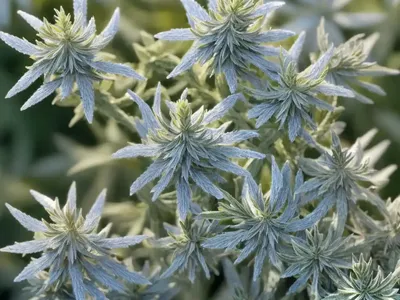
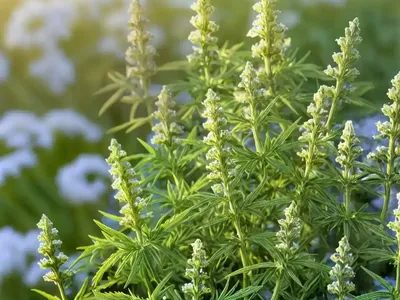
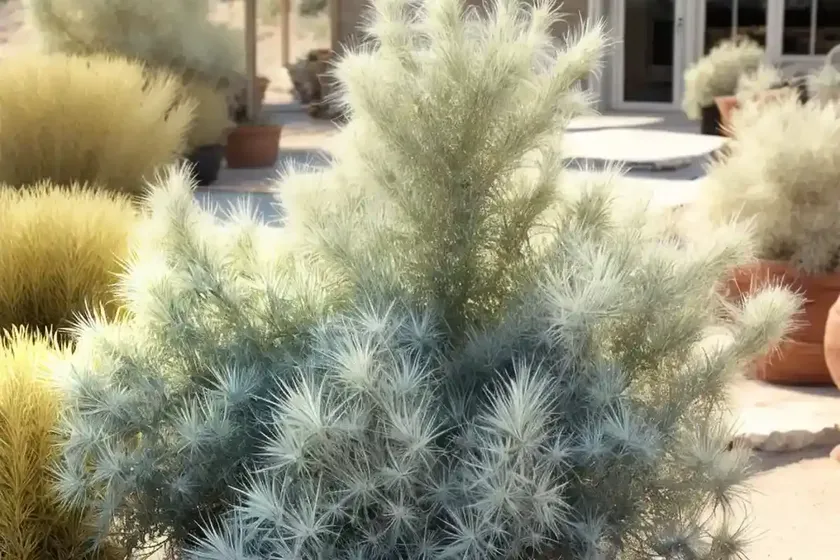
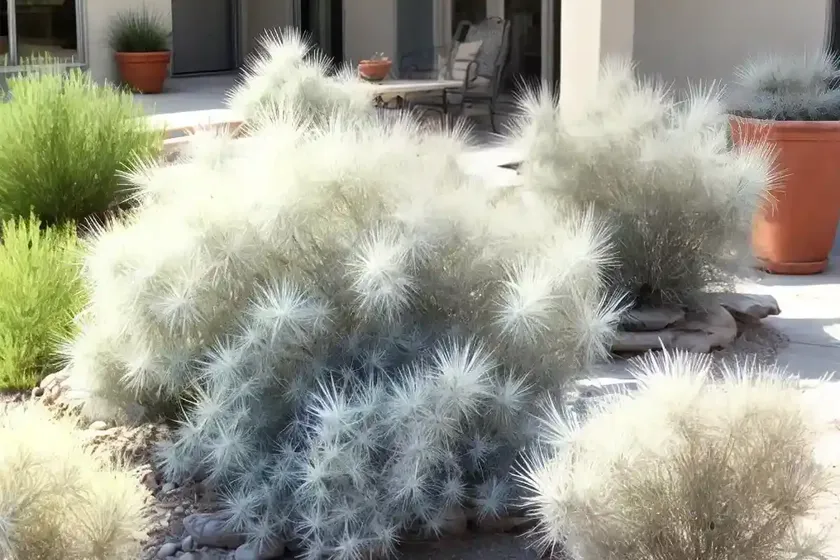
Artemisia tridentata, commonly known as Big Sagebrush, is a woody, aromatic shrub that belongs to the Asteraceae family. Native to the western half of North America, particularly the Intermountain West, this species is a cornerstone of the region’s semi-arid ecosystems. It is characterized by its silvery-green foliage, which lends a distinct fragrance to the landscapes in which it thrives. The name “tridentata” refers to the three-toothed leaves of the plant, a feature that is central to its botanical identification.
Key Takeaways
Artemisia tridentata (Big Sagebrush)
- Plant Name: Artemisia tridentata (Big Sagebrush)
- Common Names: Big Sagebrush, Great Basin Sagebrush
- Family: Asteraceae
- Habitat: Semi-arid environments, sagebrush steppes
- Uses: Traditional medicine, wildlife habitat, cultural symbolism
- Conservation Status: Varied (based on species and subspecies)
- Key Feature: Aromatic, silver-green foliage
Culture
Uses
The uses of Artemisia tridentata are diverse and deeply rooted in the culture and history of the American West. The plant has been traditionally utilized by indigenous communities for medicinal, ceremonial, and practical purposes. From its role in traditional medicine to its significance in wildlife habitat, Artemisia tridentata holds a revered position in the cultural tapestry of the region.
Water
Big Sagebrush is adapted to semi-arid environments and displays a remarkable tolerance to drought. While it can withstand periods of drought, particularly after its establishment, providing supplemental water during extended dry spells can promote healthier growth and enhance its overall vitality. In cultivation, it is essential to strike a balance in watering, as over-saturation can lead to root rot and other moisture-related issues.
Sunlight
Artemisia tridentata thrives in full sun, requiring at least six to eight hours of direct sunlight per day. In its natural habitat, it often dominates vast landscapes, benefiting from the ample sunlight characteristic of arid and semi-arid regions. When grown in containers or gardens, it is essential to ensure that the plant receives adequate sunlight to promote robust growth and essential oil production.
Fertilizer
As a plant adapted to nutrient-deficient soils, Artemisia tridentata has low fertilizer requirements. Excessive nitrogen can lead to excessive leaf growth at the expense of essential oil production, diminishing the plant’s aromatic qualities. An organic, slow-release fertilizer with minimal nitrogen can be applied sparingly in the spring to support healthy growth.
Soil
Big Sagebrush thrives in well-draining, sandy or loamy soils with minimal organic matter. It is adapted to nutrient-poor soils and can struggle in fertile or clay-heavy environments. Maintaining soil with good drainage is essential, as the plant is susceptible to root rot in waterlogged conditions. In cultivation, providing a soil mix that mimics its natural habitat can promote optimal growth.
Pruning
Pruning Big Sagebrush is generally minimal, focusing on the removal of dead or damaged branches and the promotion of a compact, bushy form. Light pruning in the early spring, before new growth emerges, can help maintain the plant’s shape and overall health.
Propagation
Artemisia tridentata can be propagated from seeds or cuttings. Seed propagation mimics its natural regeneration process, while rooting cuttings provides a quicker method of establishing new plants. When collecting seeds or cuttings, it is essential to ensure they are sourced ethically and in compliance with local conservation regulations to protect natural populations.
Container Popularity
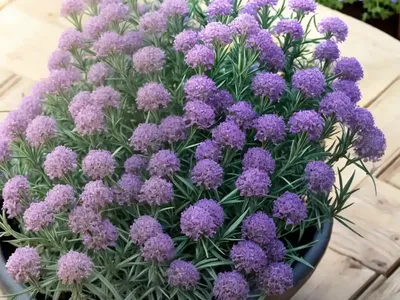
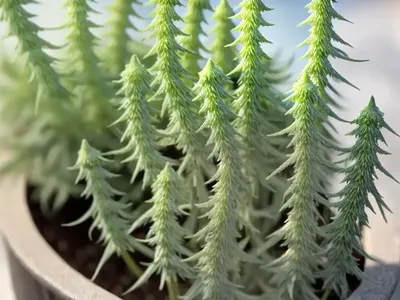
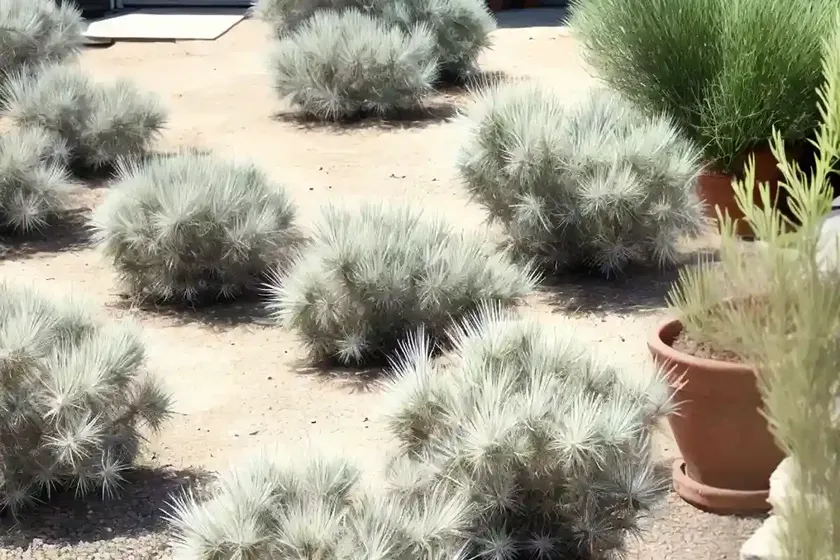
The adaptability of Artemisia tridentata to container cultivation has made it a popular choice for gardens, xeriscapes, and landscaping projects. Its silvery foliage, drought tolerance, and low maintenance requirements make it an attractive addition to container gardens and urban landscapes seeking a touch of the American West’s iconic flora.
Common Diseases
Disease Diagnosis
Big Sagebrush is generally resistant to many common plant diseases, owing to its natural adaptations to harsh environments. However, it can be susceptible to root rot in poorly draining soils or overly wet conditions. Additionally, fungal diseases such as powdery mildew can occur in humid environments. Prompt diagnosis and appropriate treatment are essential to mitigate the impacts of diseases on Artemisia tridentata.
Common Pests
While Big Sagebrush is relatively resistant to pests, it can occasionally face challenges from aphids, spider mites, and leafhoppers. Monitoring the plant for signs of pest infestations and employing targeted methods such as insecticidal soaps can help maintain its health and vigor.
Botanist’s Tips
- Natural Habitat Preservation: Conservation efforts for Artemisia tridentata should prioritize the preservation and restoration of its natural habitats, including the sagebrush steppe ecosystems. These efforts are crucial for the conservation of the plant, as well as the myriad species that rely on it for habitat and forage.
- Ethical Harvesting: When collecting Artemisia tridentata for traditional, medicinal, or aromatic purposes, it is essential to practice ethical and sustainable harvesting methods to ensure the continued health of wild populations.
- Promotion of Native Landscapes: Incorporating Big Sagebrush into landscaping projects and gardens can promote awareness of its ecological importance and support native plant landscapes, benefiting local wildlife and ecosystem health.
Fun Facts
- Artemisia tridentata is a crucial component of the ecosystem in the Great Basin and surrounding regions, providing habitat and forage for diverse wildlife, including sage-grouse, deer, elk, and numerous insect species.
- The plant’s aromatic foliage has been traditionally used for purposes ranging from insect repellent to ceremonial smudging, highlighting its cultural and practical significance.
- Artemisia tridentata plays an essential role in fire-prone landscapes, exhibiting adaptations that enable it to recover and spread following wildfires.
Links to External Resources
For further exploration of Artemisia tridentata and related topics, the following external resources offer valuable information:
1. USDA Plants Database: Detailed botanical information and distribution maps.
2. The Cultural, Economic, and Ecological Significance of Artemisia tridentata: In-depth analysis of the plant’s cultural and ecological importance.
3. Medicinal Uses and Phytochemistry of Artemisia tridentata: A scholarly review of the plant’s medicinal properties and chemical composition.
Conclusion
Artemisia tridentata, the iconic Big Sagebrush, encapsulates the spirit and resilience of the American West’s landscapes. From its unique adaptations to its cultural and ecological significance, this plant continues to inspire fascination and research among botanists, conservationists, and enthusiasts. As we continue to deepen our understanding of the intricate roles it plays in the environment and society, the conservation and responsible utilization of Artemisia tridentata remain pertinent goals in preserving the heritage and biodiversity of the regions it calls home.
As we reflect on the intricate relationships between plants and the environments they inhabit, Artemisia tridentata stands as a testament to the enduring connections between nature, culture, and history in the American West.
References
- “Sagebrush plant benefits”
- “Sagebrush plant adaptations”
- “Artemisia tridentata uses”
- “Big Sagebrush facts”
- “Artemisia tridentata characteristics”
- “Sagebrush plant habitat”
- “Medicinal properties of Artemisia tridentata”
- “Sagebrush plant symbolism”
- “Artemisia tridentata cultivation”
- “Sagebrush plant ecology”
- “Artemisia tridentata distribution”
- “Sagebrush plant conservation”
- “Importance of Big Sagebrush”
- “Artemisia tridentata species”
- “Sagebrush plant ecosystem”
- “Growing Artemisia tridentata”
- “Sagebrush plant life cycle”
- “Artemisia tridentata diseases”
- “Sagebrush plant research”
- “Artemisia tridentata ethnobotany”
- “Sagebrush plant for landscaping”
- “Artemisia tridentata drought tolerance”
- “Sagebrush plant invasive species”
- “Artemisia tridentata wildlife habitat”
- “Sagebrush plant restoration”
- “Artemisia tridentata cultural significance”
- “Sagebrush plant adaptations to fire”
- “Artemisia tridentata medicinal uses”
- “Sagebrush plant native range”
- “Artemisia tridentata culinary applications”
- “Sagebrush plant fragrance”
- “Artemisia tridentata soil preferences”
- “Sagebrush plant historical uses”
- “Artemisia tridentata toxicity”
- “Sagebrush plant taxonomy”
- “Artemisia tridentata endangered status”
- “Sagebrush plant propagation”
- “Artemisia tridentata chemical composition”
- “Sagebrush plant pollinators”
- “Artemisia tridentata allergy”
- “Sagebrush plant traditional medicine”
- “Artemisia tridentata climate preferences”
- “Sagebrush plant seed dispersal”
- “Artemisia tridentata anti-inflammatory properties”
- “Sagebrush plant conservation strategies”
- “Artemisia tridentata nitrogen fixation”
- “Sagebrush plant relation to native wildlife”
- “Artemisia tridentata plant family”
- “Sagebrush plant ethnobotanical uses”
- “Artemisia tridentata habitat restoration”