Louisiana Sagewort (Artemisia Ludoviciana)
Plants have been a significant part of human civilization for centuries. They provide us with food, medicine, and oxygen, and contribute to the beauty of.
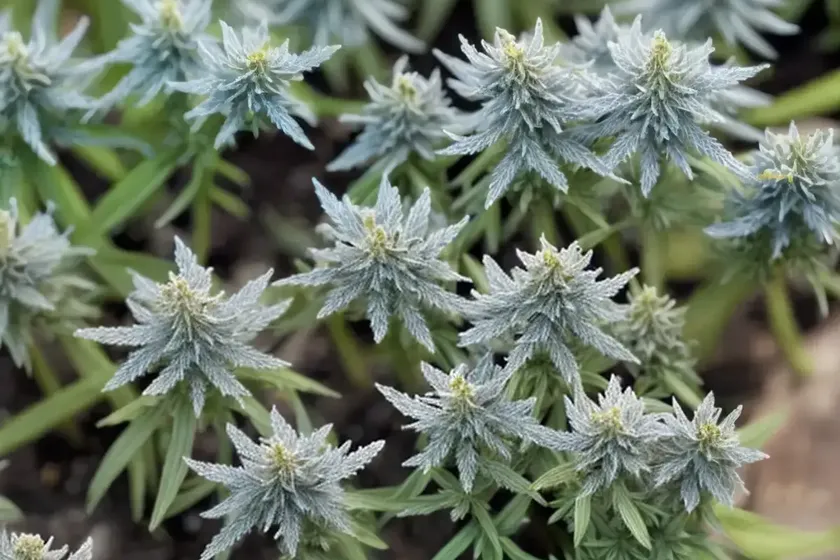
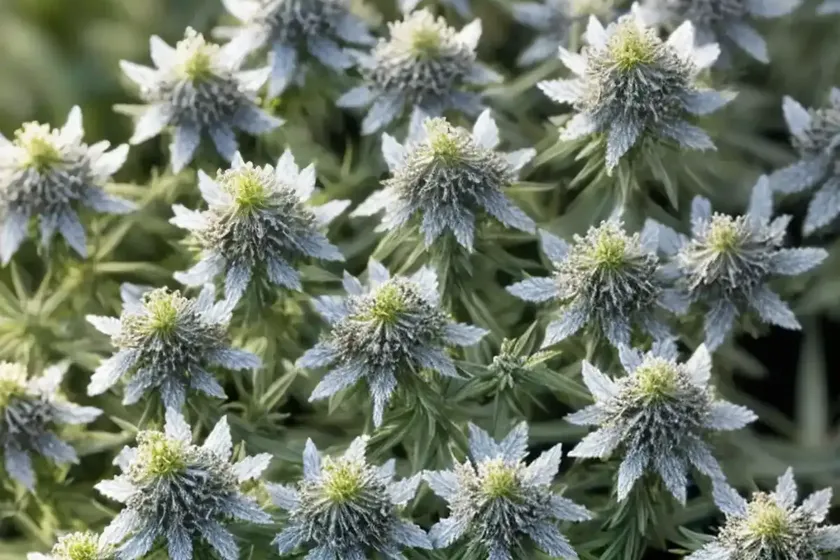
Plants have been a significant part of human civilization for centuries. They provide us with food, medicine, and oxygen, and contribute to the beauty of our surroundings. Among the vast array of plant species, Louisiana sagewort (Artemisia ludoviciana) stands out as a versatile and beneficial herb. In this comprehensive guide, we will delve into the essence of Louisiana sagewort, exploring its cultural significance, ecological roles, cultivation practices, and much more.
What is Louisiana Sagewort (Artemisia ludoviciana)?
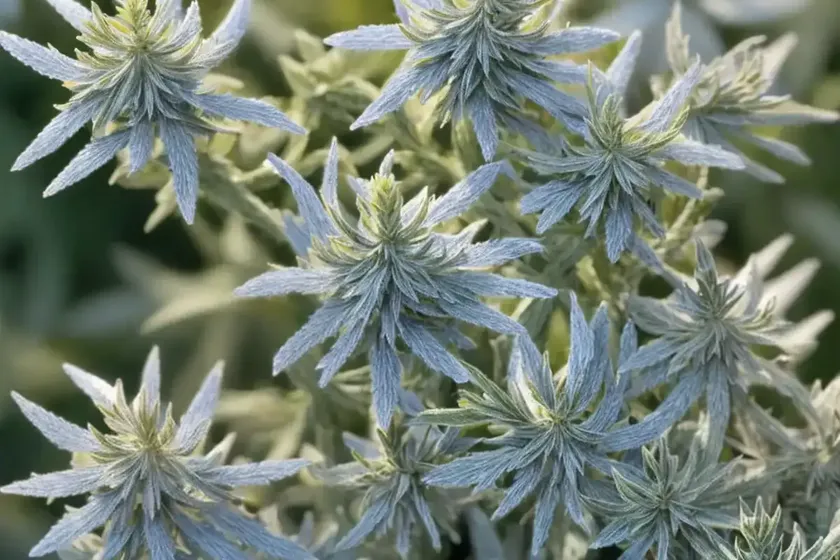
Louisiana sagewort, scientifically known as Artemisia ludoviciana, is a perennial herbaceous plant that belongs to the Asteraceae family. This species is native to North America, where it is commonly found in prairies, meadows, and open woodlands. Louisiana sagewort is known for its silver-gray foliage and aromatic fragrance, which have contributed to its traditional and contemporary uses in various cultures.
Key Takeaways – Louisiana Sagewort (Artemisia ludoviciana)
Before we delve deeper into the various aspects of Louisiana sagewort, let’s highlight some key takeaways that will be covered in this guide:
- Cultural Significance: Louisiana sagewort holds a significant place in folklore, traditional medicine, and religious rituals.
- Ecological Importance: Its role as a pollinator-friendly plant and wildlife habitat.
- Cultivation Practices: Information on water, sunlight, soil, fertilizer, and pruning requirements.
- Propagation and Container Gardening: Tips for propagating Louisiana sagewort and its suitability for container gardening.
- Common Diseases and Pests: Insights into the potential diseases and pests that can affect this plant.
- Botanist’s Tips: Professional advice and tips for successful cultivation.
- Fun Facts: Intriguing and lesser-known facts about Louisiana sagewort.
Now that we have an overview, let’s dive into the specifics of Louisiana sagewort, exploring its cultural significance, ecological roles, and optimal cultivation practices.
Cultural Significance of Louisiana Sagewort
Uses
Louisiana sagewort has been valued for its diverse uses across cultures. Some of the primary applications include:
-
Medicinal Properties: In traditional medicine, various parts of Louisiana sagewort, such as its leaves and flowers, have been used to prepare remedies for ailments such as colds, fevers, and digestive issues. The plant’s essential oils are credited with therapeutic benefits, including anti-inflammatory and antimicrobial properties. Artemisia ludoviciana has also been used in natural insect repellents and as an aromatic agent in herbal remedies.
-
Folklore and Symbolism: The plant holds folklore and symbolism in different cultures, often representing purification, protection, and healing. It has been used in various traditional rituals and ceremonies to ward off negative energies and promote well-being.
Water
When it comes to the water requirements of Louisiana sagewort, it is essential to find the balance to ensure optimal growth and health. Since this plant is native to regions with well-drained soils, it is crucial to avoid waterlogging. A moderate watering schedule, allowing the soil to dry out between watering sessions, is generally suitable for Louisiana sagewort.
Sunlight
Louisiana sagewort thrives in full to partial sunlight conditions. It prefers at least six hours of direct sunlight per day for robust growth and to maintain its characteristic silver-gray foliage.
Fertilizer
Louisiana sagewort is a relatively low-maintenance plant when it comes to fertilization. A balanced, all-purpose fertilizer can be applied sparingly in the spring to support healthy growth. However, it is important not to over-fertilize, as this can lead to excessive vegetative growth at the expense of essential oils and aromatic properties.
Soil
Louisiana sagewort thrives in well-drained, sandy or loamy soils with a slightly acidic to neutral pH. Good drainage is crucial to prevent waterlogging, which can be detrimental to the plant’s health.
Pruning
Pruning Louisiana sagewort can help to maintain its shape, encourage bushier growth, and prevent the plant from becoming overly woody. By trimming the plant in early spring, you can promote fresh growth and maintain its overall health and appearance.
Propagation
Louisiana sagewort can be propagated through seeds, division, or stem cuttings. When propagating from seeds, it is best to start them indoors in early spring and then transplant the seedlings outdoors after the last frost has passed. Divisions can be performed in early spring or fall, while stem cuttings can be taken in the spring and rooted in a well-draining soil mix.
Container Popularity
Being a relatively compact and low-maintenance plant, Louisiana sagewort is well-suited for container gardening. It can be grown in various pot sizes, making it a versatile choice for balconies, patios, and small urban gardens.
Common Diseases and Pest
Disease Diagnosis
Louisiana sagewort is susceptible to certain foliar diseases, including powdery mildew and leaf spot. Keep an eye out for signs such as white powdery growth on the leaves or lesions on the foliage. Proper air circulation, adequate spacing, and avoiding overhead watering can help prevent these diseases.
Common Pests
Some common pests that may affect Louisiana sagewort include aphids, spider mites, and whiteflies. Regular monitoring and maintaining a healthy garden ecosystem can help prevent these pests from causing significant damage.
Botanist’s Tips
For successful cultivation of Louisiana sagewort, consider the following botanist’s tips:
-
Native Habitat: Understanding the plant’s native habitat can provide valuable insights into its ideal growing conditions. Louisiana sagewort’s natural habitat in open woodlands and prairies can guide your approach to cultivation.
-
Gardening Practices: Practice sustainable gardening techniques to maintain the ecological balance and minimize environmental impact. This can include composting, water conservation, and using natural pest control methods.
Fun Facts
- Louisiana sagewort is also known by various other common names, including silver wormwood, white sage, and Louisiana wormwood.
- The aromatic foliage of Louisiana sagewort has been traditionally used for its fragrance in potpourri, sachets, and herbal smudge sticks.
Now that we have explored important aspects of Louisiana sagewort, from its cultural significance to its optimal growing conditions and potential challenges, it is evident that this plant offers a rich tapestry of uses and benefits. Whether you are drawn to its folklore and traditional uses or its ecological significance as a pollinator-friendly plant, Louisiana sagewort embodies the harmonious relationship between humans and the natural world.
Links to External Resources
For further reading and exploration of Louisiana sagewort, refer to the following external resources:
- Missouri Botanical Garden – Artemisia ludoviciana
- United States Department of Agriculture – PLANTS Profile for Artemisia ludoviciana
- Lady Bird Johnson Wildflower Center – Native Plant Database: Artemisia ludoviciana
- University of California Agriculture and Natural Resources – Artemisia ludoviciana: Aromatic sage, Silver sagebrush
Conclusion
Louisiana sagewort (Artemisia ludoviciana) encapsulates a wealth of cultural, ecological, and horticultural significance. From its medicinal properties and folklore to its ecological roles as a pollinator-friendly plant, this versatile herb embodies the deep connection between humans and the natural world. By understanding its growing requirements, potential challenges, and cultural context, we can appreciate the multifaceted nature of Louisiana sagewort and its contributions to our lives and the environment.
As we continue to explore the diverse world of plants, it is essential to recognize and celebrate the intrinsic value they bring to our existence. Whether in gardens, natural landscapes, or cultural traditions, plants like Louisiana sagewort enrich our lives and inspire us to cultivate a deeper understanding of the natural world.
By embracing the cultural, ecological, and horticultural significance of plants, we can foster a greater appreciation for their diversity and the interconnected web of life they sustain.
As a plant scientist, I am passionate about sharing knowledge and insights about the plant kingdom. Louisiana sagewort, with its intricate history and ecological significance, offers a fascinating subject for exploration. I hope this comprehensive guide has provided valuable information and inspiration for understanding and cultivating this remarkable herb.
Disclaimer: The information provided in this guide is for educational purposes and does not constitute professional medical or horticultural advice. Individuals should consult appropriate resources and experts for specific guidance related to medicinal uses and cultivation practices.
Author: Dr. Botanica Carlisle, PhD
Plant Scientist and Ecologist