Artemisia Absinthium (Artemisia Absinthium)
Artemisia absinthium, commonly known as absinthe or wormwood, is a perennial plant belonging to the Asteraceae family. This herbaceous plant is native to.
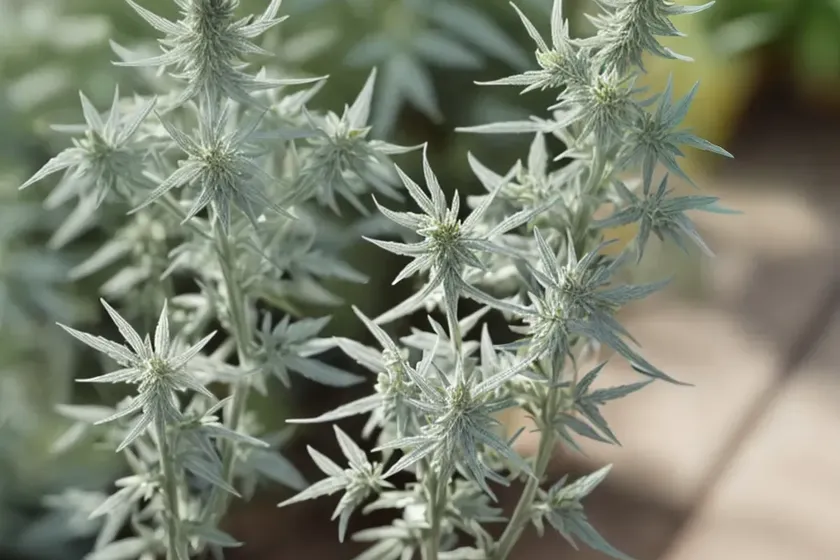
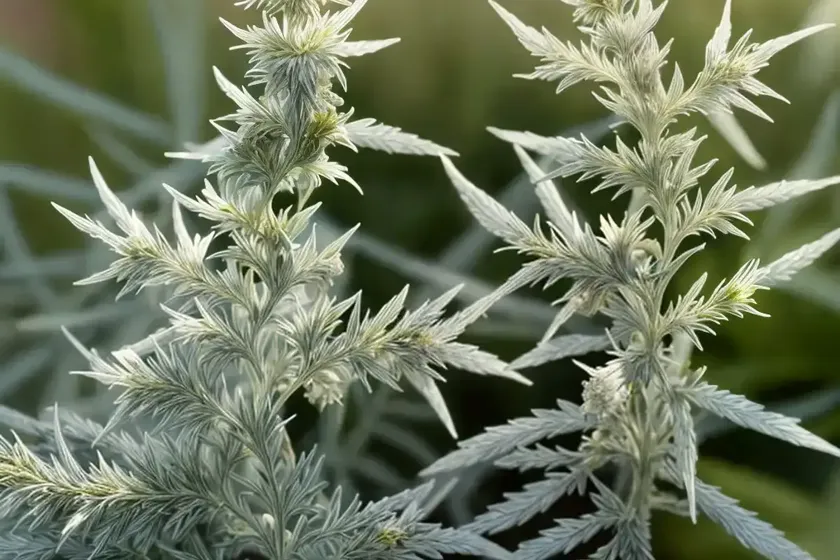
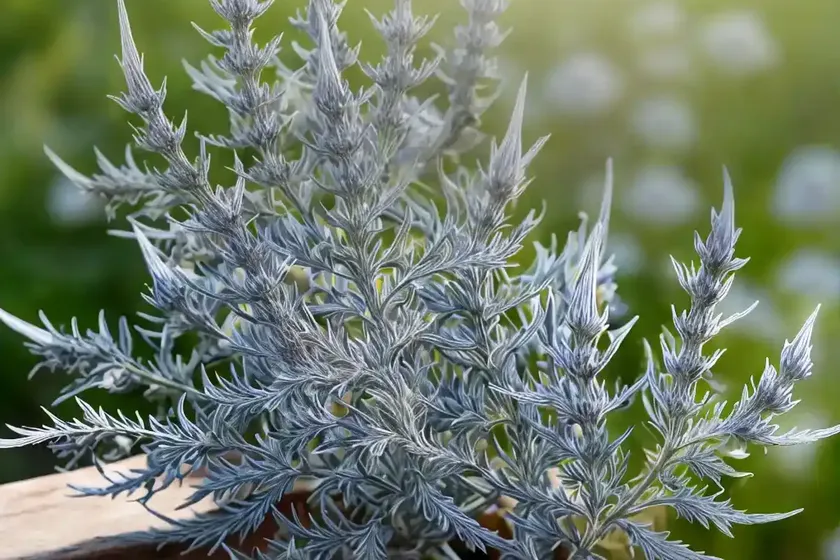
Artemisia absinthium, commonly known as absinthe or wormwood, is a perennial plant belonging to the Asteraceae family. This herbaceous plant is native to Europe, Asia, and North Africa and has been used for centuries for its medicinal properties, culinary uses, and cultural significance. In this comprehensive care guide, we will explore the cultural uses, growing conditions, propagation, and care tips for Artemisia absinthium, as well as its benefits, uses, and historical significance.
What is Artemisia absinthium?
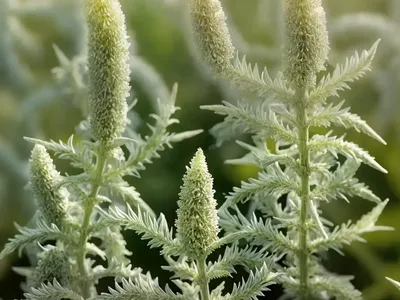
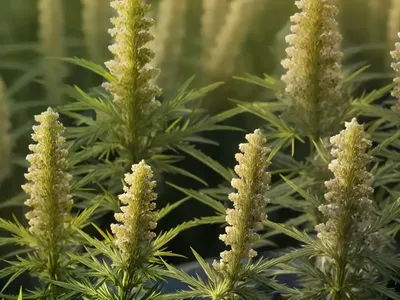
Artemisia absinthium is a silvery-green perennial plant with deeply lobed leaves and tiny yellow flowers. It is known for its strong, aromatic scent and bitter taste, which are attributed to the presence of compounds such as absinthin, anabsinthin, and thujone. The plant has a long history of traditional uses and has been valued for its medicinal and therapeutic properties.
Key Takeaways
- Scientific Name: Artemisia absinthium
- Common Names: Absinthe, wormwood
- Family: Asteraceae
- Native Habitat: Europe, Asia, North Africa
- Cultural Significance: Used in traditional medicine, culinary applications, and as a natural insect repellent
- Characteristics: Silvery-green foliage, tiny yellow flowers, strong aromatic scent
Culture
Cultivating Artemisia absinthium offers a fascinating journey into the world of traditional medicine and historical uses. The cultural significance of this plant spans centuries and continues to inspire various applications in modern times. Understanding its cultural context is crucial for appreciating its role in herbal remedies, folklore, and culinary traditions.
Uses
The uses of Artemisia absinthium are diverse and encompass medicinal, culinary, and spiritual applications. These include:
- Medicinal Uses: Traditionally used to support digestive, respiratory, and skin health
- Culinary Uses: Used sparingly in flavoring spirits, wines, and herbal concoctions
- Cultural Significance: Associated with folklore, superstitions, and historical rituals
Growing Conditions
Creating an optimal environment for the growth of Artemisia absinthium is essential for harnessing its therapeutic properties and vibrant foliage. From sunlight requirements to soil preferences, understanding the growing conditions is crucial for successful cultivation.
Water
Artemisia absinthium thrives in well-draining soil and prefers to be kept slightly dry. Overwatering can lead to root rot and other issues, so it’s important to allow the soil to dry out partially between waterings. During the hot summer months, regular watering is beneficial to keep the plant hydrated.
Sunlight
This plant flourishes in full sun, basking in at least six hours of direct sunlight each day. Insufficient sunlight can result in leggy growth and reduced essential oil production. Choosing a sunny spot in the garden or providing ample light when grown indoors is essential for the health of Artemisia absinthium.
Fertilizer
Artemisia absinthium is a low-maintenance plant that does not require heavy feeding. In fact, excessive fertilization can lead to an abundance of leafy growth at the expense of essential oil production. A balanced and diluted fertilizer application in the spring can support healthy growth without overwhelming the plant.
Soil
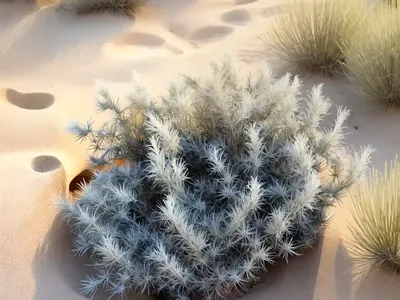
The ideal soil for Artemisia absinthium is well-draining, sandy, and slightly alkaline. It thrives in poor, rocky soils and is tolerant of drought once established. Amending the soil with sand or gravel can improve drainage and mimic its native habitat.
Pruning
Pruning Artemisia absinthium serves multiple purposes, including shaping the plant, promoting bushy growth, and encouraging essential oil production. Trimming back the spent flower stems and shaping the overall form of the plant in early spring can invigorate its growth and maintain its vitality.
Propagation
Propagating Artemisia absinthium can be achieved through various methods, including division, seeds, and softwood cuttings. Each technique offers a unique approach to expanding the population of this valuable plant and ensuring its presence in the garden.
Container Popularity
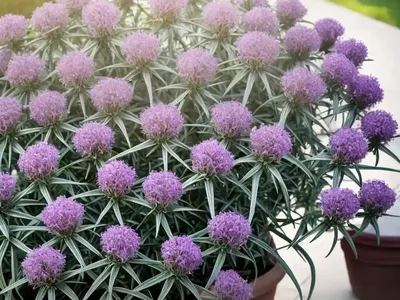
Due to its hardy nature and adaptability, Artemisia absinthium is well-suited for container cultivation. Its compact growth habit and low water requirements make it an excellent choice for container gardens, herb planters, and indoor settings.
Common Diseases
- Powdery Mildew: Appears as a white, powdery growth on the leaves, caused by fungal infection. Prune affected areas and improve air circulation.
- Root Rot: This can occur in poorly draining soil or from overwatering. Ensure the soil is well-draining, and adjust watering practices to prevent rot.
- Rust: Characterized by orange or rusty spots on the leaves, rust is a fungal disease that can be managed through proper watering and good air circulation.
Disease Diagnosis
Diagnosing diseases in Artemisia absinthium involves careful observation of symptoms such as leaf discoloration, wilting, or unusual growths. Additionally, monitoring environmental conditions and cultural practices can provide valuable insights into the potential causes of disease.
Common Pests
- Aphids: These small, pear-shaped insects feed on plant sap, causing stunted growth and distortion of leaves. Use insecticidal soap or neem oil to control infestations.
- Spider Mites: These tiny pests can cause stippling and webbing on the leaves. Regularly misting the plant and applying horticultural oil can help manage spider mite populations.
- Cabbage Worms: The larvae of these pests can feed on the leaves of Artemisia absinthium. Handpick the caterpillars or use Bacillus thuringiensis (Bt) to control their numbers.
Botanist’s Tips
Botanist’s tips
– Harvesting: The best time to harvest Artemisia absinthium is in the morning, when the essential oil content is at its highest.
– Companion Planting: Planting Artemisia absinthium near roses can help deter pests and promote the health of the surrounding plants.
– Essential Oils: The leaves and flowering tops of Artemisia absinthium can be distilled to extract its essential oils for various uses.
Fun Facts
Here are some intriguing fun facts about Artemisia absinthium:
– Historical Significance: Artemisia absinthium was a key ingredient in the preparation of absinthe, a highly potent and controversial alcoholic beverage.
– Symbolism: In folklore and cultural beliefs, Artemisia absinthium has been associated with protection, bitterness, and mystery.
– Herbal Remedies: Absinthe was used in traditional medicine as a remedy for ailments ranging from indigestion to parasitic infections.
Links to External Resources
Conclusion
Artemisia absinthium, with its rich historical legacy and multifaceted uses, continues to captivate plant enthusiasts, herbalists, and researchers alike. Its resilience, aromatic foliage, and potent medicinal properties make it a valuable addition to gardens, herbal remedy preparations, and cultural traditions. By embracing the care guide and cultural significance of Artemisia absinthium, we can honor its role in history and support its continued cultivation for generations to come.
As a plant scientist, I found the exploration of Artemisia absinthium to be a captivating journey into the realms of traditional medicine, culinary traditions, and plant care. The intricacies of its cultural uses and growing conditions shed light on its enduring significance and the need to preserve its heritage. Whether utilized for its therapeutic benefits or admired for its ornamental qualities, Artemisia absinthium remains a botanical treasure worthy of appreciation and conservation.