Artemisia Abrotanum (Southernwood)
Artemisia abrotanum, commonly known as Southernwood, is a versatile and aromatic plant with a rich history of traditional uses. This perennial herb belongs.
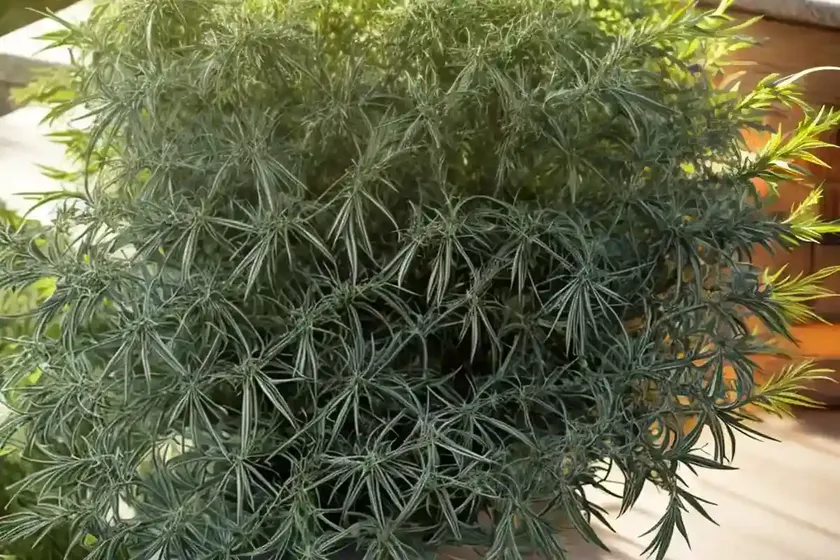
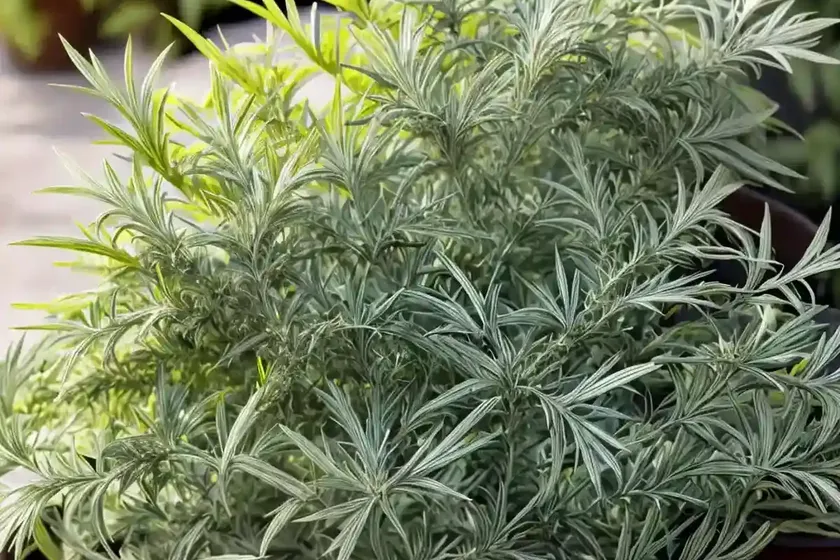
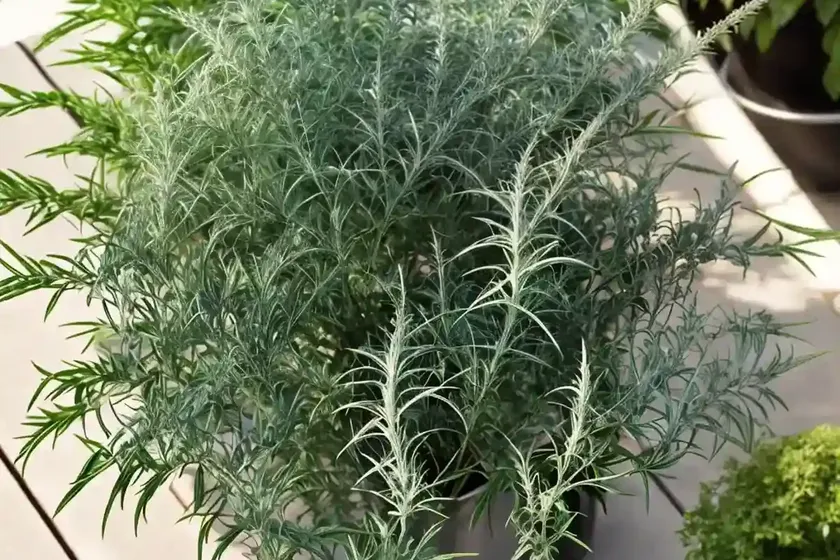
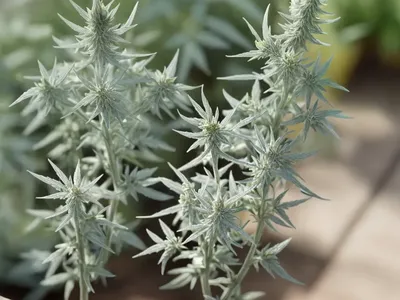
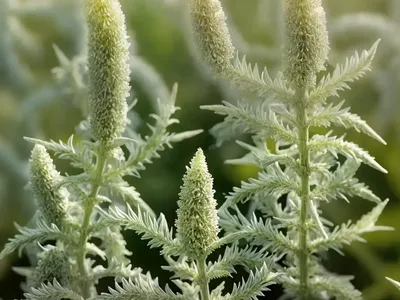
Artemisia abrotanum, commonly known as Southernwood, is a versatile and aromatic plant with a rich history of traditional uses. This perennial herb belongs to the Asteraceae family and is native to regions in Europe and Western Asia. Southernwood is prized for its ornamental appeal, medicinal properties, and culinary uses. The plant has a distinctive fragrance and is characterized by finely divided, silver-green foliage that adds a unique texture to gardens and landscapes.
In this comprehensive guide, we will explore the cultivation, uses, and benefits of Artemisia abrotanum, shedding light on its cultural significance, care requirements, and potential applications in various domains.
Key Takeaways – Artemisia abrotanum (Southernwood)
Before we delve into the specifics of growing and utilizing Southernwood, let’s take a glance at the key takeaways associated with this plant:
- Southernwood (Artemisia abrotanum) is a perennial herb with aromatic, silver-green foliage that belongs to the Asteraceae family.
- The plant has a rich history of medicinal, culinary, and ornamental uses, making it a valuable addition to home gardens and landscapes.
- Cultivating Southernwood requires attention to its water, sunlight, soil, and pruning needs, ensuring optimal growth and vitality.
- Southernwood exhibits antibacterial, therapeutic, and aromatic properties, contributing to its diverse range of uses in natural remedies, aromatherapy, and insect repellent preparations.
- The plant’s folklore, myths, and traditional significance add an intriguing dimension to its cultural heritage, making it a compelling subject of interest for botanists and enthusiasts alike.
With these key takeaways in mind, let’s embark on a journey to explore the intricate details of Southernwood, uncovering its cultural, horticultural, and practical dimensions.
What is Artemisia abrotanum (Southernwood)?
Scientific Name: Artemisia abrotanum
Common Name: Southernwood
Family: Asteraceae
Native Habitat: Europe, Western Asia
Hardiness Zones: 6-9
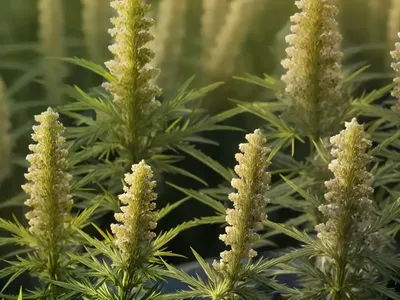
Artemisia abrotanum, commonly known as Southernwood, is a perennial herbaceous plant renowned for its aromatic foliage and diverse range of applications. The plant typically reaches a height of 1-3 feet and exhibits narrow, finely divided leaves that are gray-green in color. The foliage is not only visually appealing but also releases a pleasant, camphor-like fragrance when gently brushed or crushed, adding a sensory dimension to its ornamental charm.
Southernwood is a hardy plant that thrives in well-drained soils and is valued for its resilience in challenging environmental conditions. It is also recognized for its historical significance, having been cultivated and utilized for centuries as a culinary herb, medicinal remedy, and ornamental specimen.
In contemporary settings, Southernwood continues to captivate plant enthusiasts, herbalists, and landscape designers due to its diverse uses and unique characteristics. From its association with traditional medicines to its role in pest control and aromatherapy, Artemisia abrotanum embodies a fusion of historical heritage and practical utility, making it a multifaceted subject of botanic interest.
Cultivation of Artemisia abrotanum (Southernwood)
The successful cultivation of Southernwood hinges on an understanding of its specific cultural requirements, encompassing factors such as water, sunlight, soil, fertilizer, pruning, and propagation. By addressing these key aspects, individuals can foster the robust growth and vitality of Artemisia abrotanum, enabling it to thrive in diverse settings ranging from home gardens to commercial landscapes.
Water
Southernwood exhibits good drought tolerance once established, making it well-suited for water-efficient gardens and landscapes. When establishing young plants, it is essential to provide regular waterings to support their establishment and root development. However, excessive moisture should be avoided, as it can lead to root rot and other issues.
During hot and dry periods, supplemental irrigation may be necessary, especially for container-grown Southernwood or those situated in particularly arid environments. In general, Southernwood prefers moderately dry to medium moisture levels, making it an excellent choice for regions with periodic water restrictions or limited water availability.
Sunlight
Southernwood thrives in full sun to partial shade, displaying optimal growth and vitality when exposed to ample sunlight. In regions with intense summer heat, providing some afternoon shade can help protect the plant from excessive stress and sunburn. Conversely, insufficient sunlight can lead to leggy growth and reduced vigor, compromising the plant’s ornamental and aromatic qualities. As such, locating Southernwood in a sunny to partly shaded site is recommended to maximize its performance and aesthetic appeal.
Soil
The ideal soil for Artemisia abrotanum is well-drained and moderately fertile, with a preference for slightly alkaline to neutral pH levels. Poorly drained or waterlogged soils should be avoided, as they can lead to root rot and other moisture-related issues. Additionally, Southernwood is adaptable to various soil types, including sandy loams, rocky substrates, and clay soils, provided they offer good drainage and aeration.
Incorporating organic matter such as compost or aged manure into the soil prior to planting can enhance its overall structure and fertility, promoting healthy root development and nutrient uptake. Conducting a soil test to assess pH levels and nutrient content can guide the appropriate amendments necessary to create an optimal growing environment for Southernwood.
Fertilizer
Southernwood generally does not have high fertilizer requirements and can thrive in nutrient-poor soils. Excessive fertilization can lead to lush, weak growth and diminish the plant’s aromatic potency. However, for deficient soils or container-grown plants, a balanced, slow-release fertilizer can be applied in early spring to support initial growth and establishment. It is important to avoid over-fertilizing Southernwood, as this can disrupt its natural balance and lead to diminished health and vitality.
Pruning
Pruning is a valuable maintenance practice for Southernwood, contributing to its overall vigor, shape, and longevity. Regularly removing spent flower heads and pruning back leggy or overgrown stems can rejuvenate the plant and enhance its compact, bushy growth habit. Pruning is best carried out in early spring or after the plant has finished flowering, allowing for new growth to emerge and fill out the foliage. This practice not only promotes a tidy and attractive appearance but also encourages the release of the plant’s aromatic compounds, enriching the surrounding environment with its distinctive fragrance.
Propagation
Southernwood can be propagated through several methods, including division, cuttings, and seed propagation, each offering distinct advantages and considerations.
– Division: Dividing established clumps of Southernwood in early spring is an effective way to multiply the plant and rejuvenate older specimens. The divided sections can be replanted in suitable locations, giving rise to new individuals that inherit the desirable traits of the parent plant.
– Cuttings: Taking semi-hardwood or hardwood cuttings in summer or early autumn provides a reliable means of propagating Southernwood. The cuttings can be rooted in well-drained soil or propagation medium, creating new plants with genetic uniformity to the parent.
– Seed Propagation: Growing Southernwood from seeds is a viable option, though it requires patience and attention to seedling care. Sowing seeds in well-prepared seedbeds or containers, and providing adequate moisture and warmth, can yield new plants with unique traits and characteristics, contributing to genetic diversity within Southernwood populations.
The propagation method chosen can be tailored to suit individual preferences and resources, enabling the proliferation of Southernwood through both traditional and modern propagation techniques.
Uses of Southernwood
Artemisia abrotanum (Southernwood) offers a diverse array of uses that span traditional, culinary, medicinal, and aromatic domains, enriching various aspects of human life and well-being. Understanding the multifaceted applications of Southernwood provides insights into its cultural significance and practical value, paving the way for its continued utilization and appreciation in contemporary settings.
Traditional and Folklore Uses
Southernwood has a rich history of traditional uses, featuring prominently in folklore, herbal remedies, and cultural practices. The plant was revered for its protective properties and was often utilized in rituals and ceremonies to ward off negative energies and promote feelings of well-being. In some cultures, Southernwood was associated with luck, purification, and divination, adding a mystical dimension to its cultural symbolism.
Medicinal Properties
Southernwood possesses medicinal properties that have been recognized and utilized for centuries. These properties include
1. Artemisia abrotanum for pest control
2. Southernwood therapeutic uses
3. Artemisia abrotanum folklore and myths
4. Southernwood plant history
5. Medicinal uses of Artemisia abrotanum
The plant has a long history of use in traditional herbal medicine as a remedy for digestive disorders, respiratory ailments, and skin conditions. The aromatic leaves of Southernwood were employed in formulations for indigestion, bloating, and stomach discomfort, often administered as a tea or tincture to alleviate symptoms and promote digestive wellness. Additionally, the plant’s antiseptic and antimicrobial properties made it a valuable ingredient in topical preparations for cuts, bruises, and insect bites, offering natural relief and promoting skin health.
Culinary Uses
In culinary contexts, Southernwood leaves were historically used as a flavoring agent in various dishes, imparting a distinctive, aromatic quality to culinary creations. The plant added depth and nuance to soups, stews, and sauces, enhancing the overall sensory experience with its unique flavor profile. While its culinary use has diminished over time, Southernwood continues to be appreciated by culinary enthusiasts and experimental chefs seeking to infuse traditional and historical elements into their gastronomic endeavors.
Aromatic and Therapeutic Applications
The aromatic properties of Southernwood have contributed to its role in aromatherapy, natural skincare, and stress relief practices. The plant’s essential oil, derived from its foliage, exudes a soothing and calming fragrance that is believed to alleviate tension, promote mental clarity, and create a serene ambiance. Southernwood essential oil has been incorporated into massage blends, bath products, and diffuser recipes, offering an olfactory journey into relaxation and well-being.
Ornamental Significance
Beyond its functional uses, Southernwood holds ornamental significance as a landscape plant and garden feature. The plant’s finely textured, silver-green foliage and compact growth habit make it an excellent choice for border plantings, herb gardens, and aromatic landscapes. Its ability to thrive in challenging conditions adds to its allure, making it a resilient and visually captivating addition to diverse outdoor settings.
Insect Repellent and Companion Planting
The aromatic compounds found in Southernwood have natural insect-repellent properties, making it a valuable asset in organic pest control strategies. The plant’s presence can help deter pests such as moths, aphids, and other nuisance insects, offering a chemical-free means of protecting crops, ornamentals, and outdoor living spaces. Furthermore, Southernwood’s compatibility with certain companion plants, such as roses, cabbages, and beans, makes it a beneficial addition to companion planting schemes, fostering ecological balance and plant health.
With its versatile range of uses spanning cultural, culinary, medicinal, and aromatic arenas, Southernwood offers a rich tapestry of practical applications interconnected with its historical heritage and natural attributes. Embracing the plant’s diverse uses contributes to its conservation and appreciation, ensuring its continued relevance and vitality in contemporary landscapes and lifestyles.
Artemisia abrotanum (Southernwood): Benefits and Characteristics
The cultivation and utilization of Southernwood yield a host of benefits and characteristics that underscore its value and appeal. From its medicinal properties to its ornamental virtues, each aspect of Southernwood contributes to its distinctive identity and relevance in horticulture, herbalism, and cultural traditions.
Health Benefits and Medicinal Properties
Southernwood possesses
1. Southernwood plant for pest control
2. Southernwood therapeutic uses
3. Artemisia abrotanum for stress relief
4. Southernwood plant for digestive health
5. Southernwood plant for respiratory health
6. Southernwood plant for anxiety relief
The plant abounds with health benefits, offering relief and wellness support across various health domains. Its digestive health benefits are notable, with traditional uses encompassing the treatment of indigestion, gas, and bloating. The plant’s aromatic and soothing nature contributes to stress relief and anxiety reduction, fostering a sense of calm and equilibrium. Additionally, its potential for respiratory health support and pest-repelling properties underscores its multifaceted influence on human well-being and environmental harmony.
Ornamental and Aromatic Merits
Southernwood’s ornamental and aromatic characteristics are intrinsic to its allure and practical utility. The plant’s finely divided, silver-green foliage exhibits an elegant, ethereal quality that enhances garden spaces and outdoor environments. Its compact growth habit and drought tolerance make it a valuable asset for xeriscapes, herb gardens, and mixed borders, contributing texture, fragrance, and visual interest to the landscape. Furthermore, Southernwood’s aromatic compounds enrich the surrounding air with a refreshing, camphoraceous scent, uplifting the sensory landscape and infusing it with natural fragrance.
Culinary and Aromatherapy Applications
While Southernwood’s culinary use has waned over time, its historical association with flavoring food dishes reflects its potential as a culinary seasoning and aromatic ingredient. The plant’s leaves, with their unique fragrance and mild anise-like flavor, can enhance culinary creations and enrich the sensory experience with their nuanced profile. Moreover, Southernwood’s role in aromatherapy and natural skincare exemplifies its therapeutic and sensory appeal, offering an avenue for relaxation, wellness, and olfactory indulgence.
Cultural Significance and Traditional Uses
Southernwood’s cultural significance is rooted in its historical ties to folklore, herbal traditions, and medicinal practices. The plant’s rich tapestry of traditional uses encompasses
1. Artemisia abrotanum in traditional medicine
2. Artemisia abrotanum folklore and myths
3. Artemisia abrotanum in traditional crafts
4. Artemisia abrotanum in traditional rituals
5. Artemisia abrotanum in alternative medicine
In various cultures, Southernwood was revered for its protective, purifying, and spiritually uplifting qualities, making it a staple in rituals, herbal remedies, and traditional crafts. Its association with alternative medicine and esoteric practices adds depth and intrigue to its cultural heritage, positioning it as a botanical gem with a transcendent legacy.
Environmental Resilience and Pest Management
Southernwood’s adaptability and resilience underpin its reliability as a landscape plant and natural pest management tool. The plant’s ability to thrive in challenging conditions and deter pests through its volatile compounds aligns with sustainable gardening principles and eco-conscious practices. By engaging in natural pest control and companionship with beneficial insects, Southernwood contributes to the ecological harmony of gardens and landscapes, fostering a balanced and biodiverse setting.
Artemisia abrotanum (Southernwood) embodies a constellation of benefits and characteristics that intersect with its cultural, health, and horticultural dimensions, forging a botanical identity steeped in historical significance and contemporary relevance. The plant’s unique attributes and versatility position it as a prized botanical treasure, offering an array of tangible and intangible benefits for individuals, landscapes, and ecosystems.
Southernwood: Plant Care and Maintenance
The care and maintenance of Southernwood are essential aspects of ensuring its optimal growth, health, and ornamental value. By attending to its specific needs and integrative care practices, individuals can nurture Southernwood to thrive and manifest its full potential in diverse settings, from home gardens to public landscapes.
Watering
Southernwood prefers moderately dry to medium moisture levels, making it well-suited for water-wise cultivation practices. When established, Southernwood exhibits good drought tolerance, requiring occasional waterings during prolonged dry spells or hot weather. It is important to avoid overwatering, particularly in heavy or poorly drained soils, as this can lead to root rot and other moisture-related issues. Monitoring soil moisture and providing supplemental irrigation during dry periods promotes the plant’s resilience and vitality, enabling it to flourish in diverse environmental conditions.
Sunlight and Location
Positioning Southernwood in a sunny to partly shaded location is key to promoting its robust growth and aromatic potency. The plant thrives in full sun to partial shade, benefiting from ample sunlight to fuel its photosynthetic processes and aromatic compound production. In regions with intense summer heat, providing some afternoon shade can protect the plant from excessive stress and sunburn, safeguarding its foliage and overall health. Care should be taken to select a suitable planting site that offers the requisite sunlight and environmental conditions conducive to Southernwood’s well-being and ornamental appeal.
Soil Conditions
Southernwood thrives in well-drained soils with moderate fertility and slightly alkaline to neutral pH levels. It is adaptable to various soil types, including sandy loams, rocky substrates, and clay soils, provided they offer good drainage and aeration. Amending heavy or compacted soils with organic matter such as compost or aged manure enhances their structure and fertility, promoting optimal root development and nutrient uptake. Conducting a soil test to assess pH and nutrient levels can guide the appropriate soil amendments necessary to create an ideal growing environment for Southernwood, ensuring its long-term vigor and stability.
Fertilizing
Southernwood generally has low fertilizer requirements and can thrive in nutrient-poor soils. Over-fertilization can lead to excessively lush growth and diminished aromatic potency, compromising the plant’s natural balance and vigor. However, for deficient soils or container-grown specimens, a balanced, slow-release fertilizer applied in early spring can support initial growth and establishment. It is important to use fertilizers judiciously and avoid excessive applications that may disrupt the plant’s health and environmental adaptability.
Pruning and Maintenance
Regular pruning and maintenance are integral to preserving the health, aesthetics, and vitality of Southernwood. Pruning practices should focus on removing spent flower heads, thinning out overcrowded growth, and rejuvenating older specimens to encourage new, robust growth. Early spring or post-flowering pruning sessions are ideal, allowing the plant to regenerate and produce fresh foliage without compromising its overall shape and visual appeal. In addition to pruning, removing any dead or diseased growth, as well as maintaining a clean and tidy planting area, contributes to the plant’s longevity and ornamental value.
Winter Care
In regions with cold winters, Southernwood may benefit from some protective measures to ensure its survival and vigor. Mulching around the base of the plant with organic matter or straw can insulate its root system and provide a buffer against temperature fluctuations. Avoiding excessive moisture during winter months and sheltering the plant from harsh winds and frost can help safeguard its health and prepare it for a robust growth resurgence in the following spring. Understanding the specific winter care needs of Southernwood in different climatic regions is essential to maintaining its well-being and ensuring its long-term viability.
Caring for Southernwood entails mindful attention to its water, light, soil, pruning, and seasonal requirements, enabling individuals to establish and sustain thriving specimens that embody the plant’s unique qualities and benefits. By integrating these care guidelines into their horticultural practices, individuals can embrace the beauty and utility of Southernwood, fostering a deeper appreciation for its cultural, ornamental, and ecological contributions.
Common Diseases and Pest Management for Southernwood
Despite its resilience, Southernwood may encounter certain diseases and pest infestations that can compromise its health and ornamental value. Recognizing and addressing these challenges through proactive management strategies is crucial to preserving the vitality and longevity of Southernwood, ensuring that it continues to thrive in diverse environmental settings.
Common Diseases
Southernwood is generally resistant to major disease issues, owing to its aromatic foliage and robust growth habits. However, it may occasionally succumb to certain fungal diseases and environmental stressors that can affect its appearance and vigor. Some common diseases that may affect Southernwood include:
1