Amelanchier Laevis (Allegheny Serviceberry)
What is Amelanchier Laevis? Amelanchier laevis , commonly known as Allegheny Serviceberry, is a deciduous multi-stemmed shrub or small tree that belongs to.
What is Amelanchier Laevis?
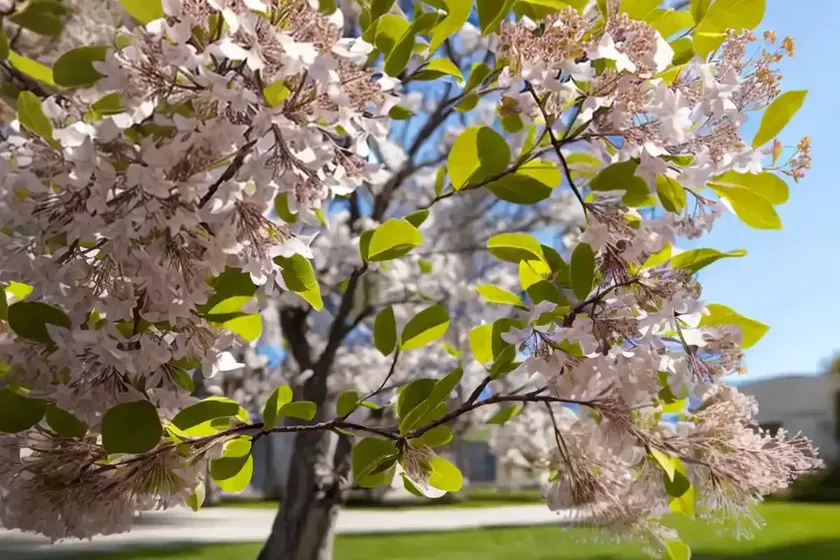
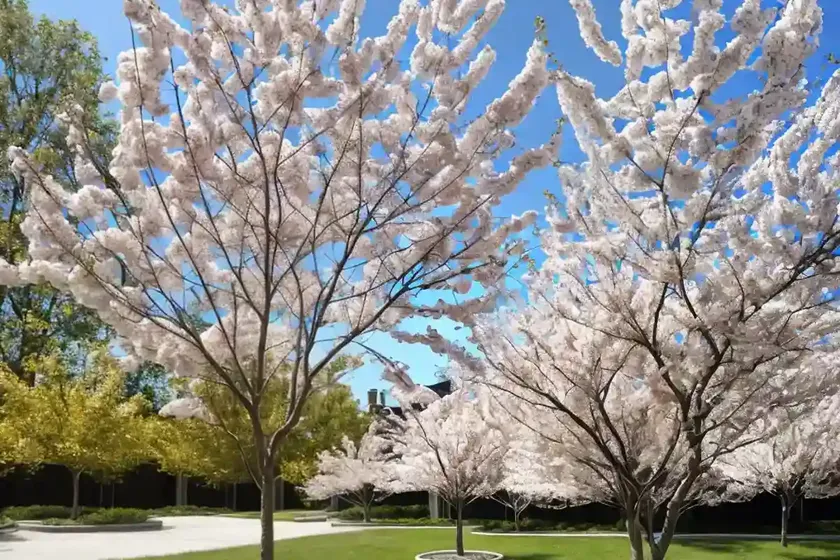
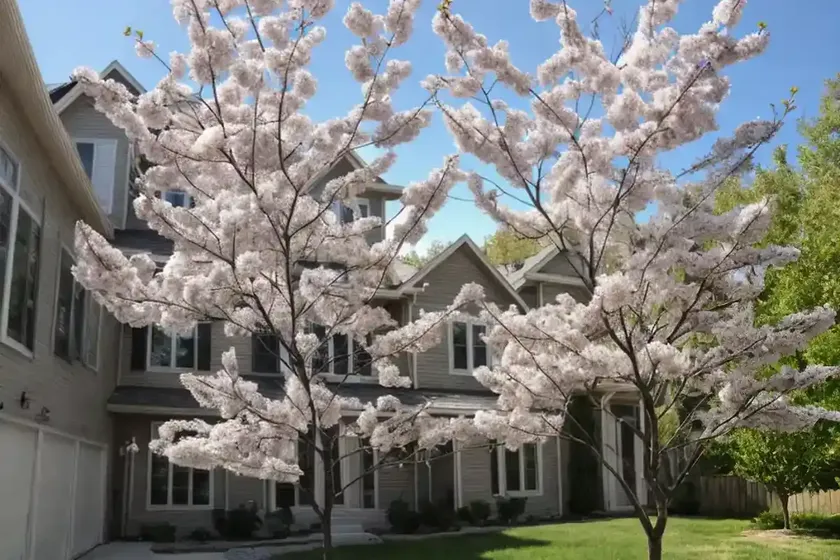
Amelanchier laevis, commonly known as Allegheny Serviceberry, is a deciduous multi-stemmed shrub or small tree that belongs to the Rosaceae family. It is native to Eastern North America and is revered for its ornamental features, edible fruit, and ecological significance. The plant is known for its early spring flowers, unique fall foliage, and its ability to attract wildlife, making it a popular choice among gardeners and landscapers.
Key Takeaways – Amelanchier Laevis (Allegheny Serviceberry)
Before delving into the details of Amelanchier laevis, let’s summarize the key takeaways to provide an overview of what this remarkable plant has to offer:
-
Identification: Amelanchier laevis is identified by its multi-stemmed growth habit, white spring flowers, and blueberry-like fruit.
-
Characteristics: The Allegheny Serviceberry is known for its delicate white blossoms, edible berries, and stunning fall foliage.
-
Growth Conditions: This plant thrives in well-drained soil and prefers full sun to partial shade.
-
Care Tips: Adequate watering, occasional pruning, and balanced fertilizer application are essential for the plant’s health.
-
Propagation Methods: Amelanchier laevis can be propagated through seeds, softwood cuttings, or division of suckers.
-
Planting Guide: Understanding the ideal planting zones and soil requirements is crucial for successful establishment.
-
Diseases and Pests: Being familiar with potential diseases and pests helps in preventive measures and timely treatments.
-
Pruning Techniques: Proper pruning enhances the plant’s health and aesthetics. Understanding the appropriate timing and methods is essential.
-
Benefits for Wildlife: The Amelanchier laevis serves as a valuable food and habitat source for various wildlife species.
-
Landscape Uses: From ornamental landscaping to ecological restoration, the plant has diverse landscape applications.
With these key takeaways in mind, let’s delve into the specifics of Amelanchier laevis, exploring its culture, uses, care requirements, and more.
Culture
Water
Amelanchier laevis is adaptable to different moisture conditions, although it performs best in well-drained soils. Adequate moisture is essential, especially during the establishment phase and in dry periods. It is important to avoid waterlogged soil, as excessive moisture can lead to root rot and other issues.
Sunlight
This plant prefers full sun to partial shade, with at least 6 hours of direct sunlight for optimum growth and flowering. In warmer regions, some afternoon shade can be beneficial to prevent stress from intense heat.
Fertilizer
A balanced and slow-release fertilizer application in early spring can support the plant’s growth and flowering. It is crucial to follow the recommended dosage and avoid excessive fertilization, which can lead to imbalanced growth or reduced flowering.
Soil
Well-drained, slightly acidic to neutral soil rich in organic matter is ideal for Amelanchier laevis. It can tolerate a range of soil types, including sandy loam, loam, and clay, as long as the soil is not compacted or waterlogged.
Uses
Ornamental
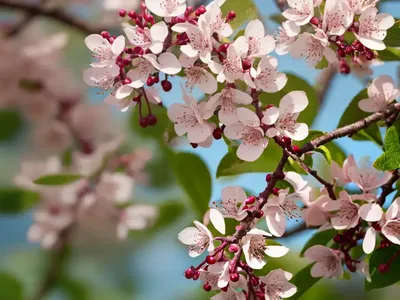
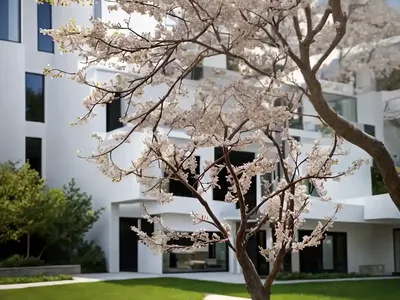
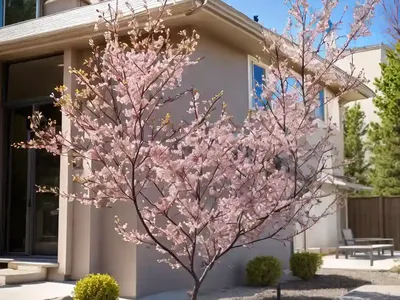
With its profusion of delicate white blossoms in early spring and vibrant red to orange fall foliage, Amelanchier laevis serves as an ornamental centerpiece in landscapes and gardens. Its multi-season interest and attractive growth habit make it a popular choice for residential and public spaces.
Edible Fruit
The sweet and flavorful berries of Amelanchier laevis are not only a treat for humans but also attract birds and wildlife. They can be used in jams, jellies, pies, and various culinary preparations, adding both aesthetic and gastronomic value to the plant.
Wildlife Habitat
The plant provides valuable habitat and food for various wildlife species, including birds, butterflies, and small mammals. Its ecological role in sustaining biodiversity underscores its significance in natural and cultivated landscapes.
Pruning
Techniques
Pruning is essential for maintaining the plant’s health, shape, and flowering performance. It is recommended to prune Amelanchier laevis during the dormant season to remove dead or diseased wood, shape the plant, and encourage new growth. Light and selective pruning can also be done after the flowering season to maintain its form and density.
Schedule
Dormant season pruning is typically conducted in late winter or early spring before new growth emerges. This timing minimizes stress on the plant and allows for optimal recovery and regrowth.
Propagation
Methods
Amelanchier laevis can be propagated through various methods, including:
-
Seeds: Collecting and sowing ripe seeds in a prepared seedbed.
-
Softwood Cuttings: Taking softwood cuttings in early summer and propagating them under controlled conditions.
-
Division of Suckers: Separating and replanting young suckers that emerge from the plant’s base.
Each propagation method has its requirements and challenges, and the choice of method depends on the desired scale and timing of propagation.
Container
Amelanchier laevis can be grown in containers, making it suitable for urban and small-space gardens. When grown in containers, careful attention to watering, soil quality, and root space is crucial for the plant’s health and long-term growth.
Popularity
Amelanchier laevis is popular among gardeners, landscapers, and ecologists for its aesthetic appeal, ecological value, and culinary potential. Its versatility and adaptability to different environments contribute to its widespread popularity across various regions.
Common Diseases
Disease Diagnosis
The following are some common diseases that may affect Amelanchier laevis:
-
Powdery Mildew: Identified by the powdery white coating on leaves, stems, and flower buds.
-
Fire Blight: Characterized by wilting, blackening, and dieback of blossoms, shoots, and branches.
Diagnosing these diseases and any other issues promptly is crucial for implementing effective management strategies and preventing the spread of infections.
Common Pests
Aphids: These small, sap-sucking insects can distort new growth and excrete honeydew, leading to black sooty mold.
Spider Mites: These tiny arachnids can cause stippling and webbing on the foliage, reducing the plant’s vigor and appearance.
Caterpillars: Certain caterpillar species may feed on the foliage, leading to defoliation and reduced plant health.
Regular monitoring and the use of environmentally friendly pest control measures are essential to manage pest infestations effectively without harming beneficial insects and wildlife.
Botanist’s Tips
-
Seasonal Observations: Monitoring the plant’s seasonal changes, growth patterns, and interactions with wildlife can provide valuable insights into its ecology and cultural significance.
-
Soil Health: Focusing on soil quality and composition can directly impact the plant’s growth and resilience. Conducting periodic soil tests and implementing soil amendments when necessary can optimize the plant’s performance.
-
Integrated Pest Management: Embracing a holistic approach to pest management that emphasizes natural predators, physical barriers, and selective interventions can maintain a healthy balance in the ecosystem.
Fun Facts
-
Cultural Significance: The edible berries and early spring flowers of Amelanchier laevis have been revered by Native American communities and integrated into traditional cuisines and medicinal practices.
-
Pollinator Magnet: The plant’s white blossoms attract various pollinators, including bees and butterflies, contributing to the ecological diversity of the surrounding landscape.
-
Fall Color Display: The vibrant fall foliage of Amelanchier laevis ranges from shades of red to orange, adding a stunning visual display to autumn landscapes.
Links to External Resources
To further explore and deepen your understanding of Amelanchier laevis and its ecological, ornamental, and culinary significance, the following resources provide valuable insights and practical guidance:
- Native Plant Trust – Amelanchier laevis
- USDA Forest Service – Allegheny Serviceberry
- Lady Bird Johnson Wildflower Center – Amelanchier laevis
- University of Florida IFAS Extension – Amelanchier laevis Fact Sheet
- Missouri Botanical Garden – Allegheny Serviceberry Profile
In conclusion, Amelanchier laevis stands out as a versatile and valuable plant with diverse ecological, ornamental, and culinary attributes. Its role as a wildlife attractant, its stunning seasonal changes, and its adaptability to various growing conditions make it a cherished addition to natural habitats, gardens, and urban landscapes. By understanding its growth requirements, care recommendations, and ecological significance, we can cultivate a deeper appreciation for the Allegheny Serviceberry and its multifaceted contributions to our environment.
References
-
“Native Plant Trust – Amelanchier laevis”. Native Plant Trust. https://www.nativeplanttrust.org/plants/43-amelanchier-laevis.
-
“USDA Forest Service – Allegheny Serviceberry”. USDA Forest Service. https://www.fs.fed.us/database/feis/plants/shrub/amelae/all.html.
-
“Lady Bird Johnson Wildflower Center – Amelanchier laevis”. Lady Bird Johnson Wildflower Center. https://www.wildflower.org/plants/result.php?id_plant=AMLAL.
-
“University of Florida IFAS Extension – Amelanchier laevis Fact Sheet”. University of Florida IFAS Extension. http://edis.ifas.ufl.edu/fp744.
-
“Missouri Botanical Garden – Allegheny Serviceberry Profile”. Missouri Botanical Garden. https://www.missouribotanicalgarden.org/PlantFinder/PlantFinderDetails.aspx?kempercode=r580.