Argentine Cedar (Cedrela Fissilis)
Introduction to Argentine Cedar Argentine Cedar, scientifically known as Cedrela Fissilis , is a species of tree native to South America, particularly.
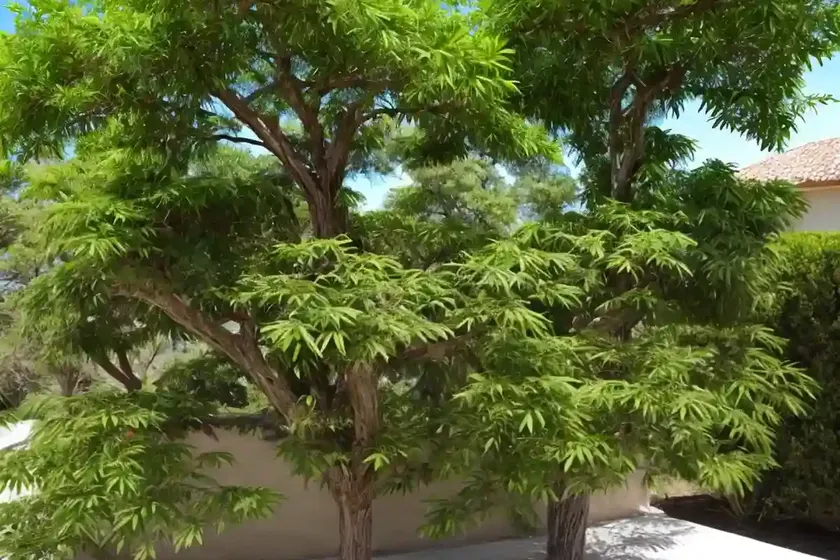
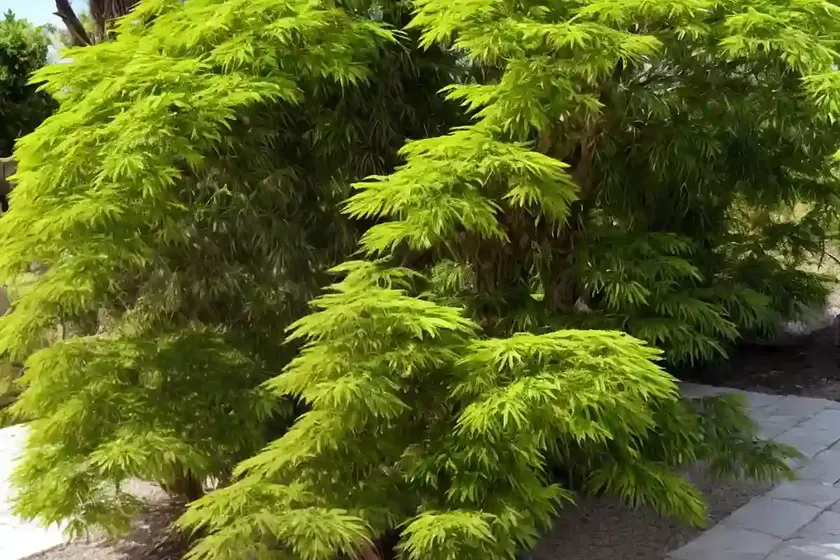

Introduction to Argentine Cedar
Argentine Cedar, scientifically known as Cedrela Fissilis, is a species of tree native to South America, particularly Argentina, Brazil, and Paraguay. It is known for its valuable timber and a wide range of uses, ranging from construction to traditional medicine. In this comprehensive guide, we will explore the various aspects of Argentine Cedar, including its characteristics, cultivation, uses, and ecological significance.
What is Argentine Cedar (Cedrela Fissilis)?
Argentine Cedar, or Cedrela Fissilis, is a tall, deciduous tree belonging to the family Meliaceae. It typically reaches heights of 20-30 meters and is characterized by its straight trunk and attractive wood. The tree has a broad canopy with compound leaves, and it produces small, fragrant white flowers. The timber of Argentine Cedar is highly valued for its durability, fine grain, and resistance to decay, making it a popular choice for various applications.
Key Takeaways – Argentine Cedar (Cedrela Fissilis)
Before delving into the specific aspects of Argentine Cedar, let’s outline the key takeaways:
- Argentine Cedar Benefits: The tree offers valuable timber, ecological contributions, and traditional medicinal uses.
- Cedrela Fissilis Uses: Argentine Cedar is widely utilized in construction, furniture making, and the production of essential oils.
- Argentine Cedar Characteristics: It is a tall, deciduous tree with fragrant flowers and valuable timber.
- Cedrela Fissilis Properties: The wood of Argentine Cedar is known for its durability, fine grain, and resistance to decay.
- Argentine Cedar Facts: The tree is native to South America and is an important component of the regional ecosystem.
- Cedrela Fissilis Growth Conditions: It thrives in well-drained, fertile soils and prefers a tropical to subtropical climate.
- Argentine Cedar Care Guide: Cultivating Argentine Cedar requires attention to soil, water, sunlight, and pruning practices.
- Cedrela Fissilis Planting Tips: Effective propagation and planting techniques are essential for successful establishment.
- Argentine Cedar Diseases: Understanding common diseases and effective diagnosis methods is crucial for maintaining tree health.
- Cedrela Fissilis Pests: Argentine Cedar is susceptible to certain pests that can impact its growth and vitality.
- Argentine Cedar Soil Requirements: The tree prefers well-drained, nutrient-rich soils for optimal growth.
- Cedrela Fissilis Watering Needs: Adequate water provision is essential, especially during the establishment phase and dry periods.
- Argentine Cedar Sunlight Preferences: It thrives in full to partial sunlight and requires appropriate exposure for healthy growth.
- Cedrela Fissilis Gardening: Incorporating Argentine Cedar into landscapes requires attention to its cultural and ecological requirements.
- Argentine Cedar Landscape Ideas: It serves as an excellent ornamental tree and contributes to the aesthetic appeal of landscapes.
- Cedrela Fissilis Ecosystem Role: Argentine Cedar plays a vital role in supporting diverse flora and fauna within its native habitat.
Now that we have outlined the key takeaways, let’s delve into the specific aspects of Argentine Cedar, covering its culture, uses, care requirements, and ecological significance.
Culture of Argentine Cedar
Cultivating Argentine Cedar requires an understanding of its growth requirements and environmental preferences. From soil and water needs to pruning and propagation techniques, effective cultural practices are essential for the successful establishment and maintenance of these trees.
Water
Argentine Cedar thrives in areas with consistent moisture. During its establishment phase, regular and adequate watering is crucial to support root development and overall growth. While the tree exhibits some tolerance to dry periods, particularly once established, ensuring a steady water supply promotes optimal health and vigor.
Sunlight
Like many trees native to tropical and subtropical regions, Argentine Cedar prefers full to partial sunlight. It thrives in bright, well-lit conditions and benefits from exposure to direct sunlight for several hours each day. When incorporating Argentine Cedar into landscapes, it’s important to consider its sunlight requirements and position it accordingly for healthy growth and development.
Fertilizer
Proper nutrition is essential for the optimal growth and vigor of Argentine Cedar. While the tree is relatively resilient, regular fertilization can support its overall health and contribute to robust growth. Applying a balanced, slow-release fertilizer in early spring can provide the necessary nutrients to support the tree’s nutrient requirements.
Soil
Argentine Cedar thrives in well-drained, fertile soils. It performs best in loamy or sandy soils with good drainage, allowing for healthy root development and minimizing the risk of waterlogging. When planting Argentine Cedar, ensuring proper soil preparation and drainage is essential for supporting its growth and vitality.
Pruning
Pruning Argentine Cedar is primarily focused on shaping the tree and removing any dead or damaged branches. As the tree matures, selective pruning can help maintain its form, promote air circulation, and manage its overall size. Pruning is typically conducted during the dormant season to minimize stress on the tree and encourage new growth in the following season.
Uses of Argentine Cedar
Argentine Cedar is prized for its versatile uses, from its valuable timber to its contributions in traditional medicine and ecological importance. Let’s explore the diverse ways in which Argentine Cedar is utilized and valued.
Construction
The timber of Argentine Cedar is highly valued for its durability, fine grain, and resistance to decay. It is commonly used in construction for crafting fine furniture, ornamental woodwork, and decorative veneers. Its attractive appearance, workability, and resistance to moisture make it a popular choice for various interior and exterior applications, contributing to the aesthetic and structural integrity of built environments.
Furniture Making
Due to its excellent woodworking properties, Argentine Cedar is a preferred choice for crafting high-quality furniture. The unique grain patterns and natural luster of the wood make it an attractive option for creating elegant and durable pieces. From cabinets and tables to chairs and decorative accents, Argentine Cedar’s timber is prized by furniture makers for its aesthetic appeal and lasting quality.
Essential Oil Production
The fragrant wood of Argentine Cedar is utilized in the production of essential oils, valued for its aromatic properties and potential therapeutic benefits. The oil extracted from the wood is used in aromatherapy, perfumery, and personal care products, adding a warm, woody fragrance to various formulations. Its aromatic characteristics and potential health-supporting properties make it a sought-after ingredient in natural wellness and cosmetic applications.
Traditional Medicine
In traditional medicine systems, certain parts of the Argentine Cedar tree, including the bark and leaves, are utilized for their potential health benefits. Extracts and infusions derived from these plant parts are believed to possess medicinal properties, with historical uses ranging from supporting respiratory health to addressing skin-related concerns. While further research is needed to validate these traditional uses, Argentine Cedar holds cultural and traditional significance in herbal medicine practices.
Ecological Importance
Beyond its commercial and medicinal uses, Argentine Cedar plays a crucial role in supporting diverse ecological systems. As a native tree species, it contributes to the biodiversity of its habitat, providing food, shelter, and support to various organisms. Its presence in natural landscapes helps maintain ecological balance and supports the overall health of ecosystems, making it an integral component of regional biodiversity and environmental sustainability.
Propagation of Argentine Cedar
Propagating Argentine Cedar involves specific techniques to ensure successful establishment and the production of healthy, vigorous trees. Understanding the propagation methods and practices is essential for individuals or organizations seeking to cultivate Argentine Cedar for various purposes.
Seed Propagation
One of the primary methods of propagating Argentine Cedar is through seed propagation. Harvesting mature seeds from healthy trees and preparing them for planting ensures the continuation of desirable genetic traits and qualities. Propagation from seeds requires careful handling, proper seedbed preparation, and attention to environmental conditions to support germination and early growth.
Vegetative Propagation
In addition to seed propagation, Argentine Cedar can be propagated through vegetative methods, such as stem cuttings or grafting. These techniques allow for the replication of specific tree characteristics and the production of genetically identical trees. When employing vegetative propagation, attention to proper cutting selection, rooting hormone application, and environmental conditions is crucial for encouraging successful root development and subsequent growth.
Popularity of Argentine Cedar in Containers
Argentine Cedar is also valued for its potential in container gardening, allowing individuals to cultivate and enjoy the tree’s beauty and benefits in various settings. Whether on patios, balconies, or indoor spaces, incorporating Argentine Cedar into containers offers unique opportunities for landscaping and horticultural expression.
Container Gardening Tips
When growing Argentine Cedar in containers, several key considerations apply to support its growth and development. These tips include:
- Container Size: Select a container that provides ample space for root development and stability, considering the mature size of the tree.
- Drainage: Ensure that the container has adequate drainage holes to prevent waterlogging and maintain soil oxygenation.
- Soil: Use a well-draining, nutrient-rich potting mix to support the tree’s nutritional needs and root health.
- Watering: Monitor soil moisture regularly and water the tree as needed, adjusting the frequency based on environmental conditions and seasonal changes.
- Sunlight: Position the container in a location that provides the appropriate sunlight exposure based on Argentine Cedar’s light preferences.
By following these container gardening tips, individuals can successfully cultivate Argentine Cedar in containers, adding natural beauty and greenery to their living spaces.
Common Diseases of Argentine Cedar
While Argentine Cedar is relatively resilient, it is susceptible to certain diseases that can affect its health and vitality. Understanding common diseases and effective diagnosis methods is crucial for implementing appropriate management and preventive measures.
Disease Diagnosis
Some of the common diseases that may affect Argentine Cedar include:
- Canker Diseases: These fungal infections can lead to the development of cankers on branches and stems, impacting the tree’s vascular system and overall vigor.
- Leaf Spot: Fungal leaf spot diseases can cause unsightly blemishes on the foliage, affecting the tree’s photosynthetic capacity and aesthetic appeal.
- Root Rot: Prolonged waterlogging or poorly drained soil can create conditions conducive to root rot diseases, which can impact the tree’s root system and overall health.
Disease Management
Implementing proper cultural practices, such as maintaining good air circulation, providing appropriate irrigation, and monitoring for signs of disease, can help minimize the risk of disease development. In cases where diseases are identified, prompt management measures, including targeted fungicidal treatments and pruning of affected plant parts, can help mitigate the impact and support the tree’s recovery.
Common Pests Affecting Argentine Cedar
In addition to diseases, Argentine Cedar is susceptible to certain pests that can impact its growth and vitality. Understanding these common pests and implementing effective pest management strategies is essential for maintaining the health and vigor of Argentine Cedar trees.
Pest Identification
Some of the common pests that may affect Argentine Cedar include:
- Scale Insects: These pests can infest the tree’s branches and leaves, feeding on plant sap and potentially causing stress and decline.
- Borers: Certain wood-boring insects can target the wood of Argentine Cedar, leading to tunneling damage and potential structural weakening.
- Aphids: These sap-feeding insects can affect the tree’s foliage, leading to deformities or reduced vigor if infestations are severe.
Pest Management
Implementing integrated pest management (IPM) practices, including regular monitoring, natural predator support, and targeted treatments when necessary, can help safeguard Argentine Cedar from pest-related issues. Maintaining overall tree health through proper cultural practices also contributes to its resilience against pest pressures.
Botanist’s Tips for Argentine Cedar
As a plant scientist with a passion for trees, it’s important to offer practical tips for effectively caring for Argentine Cedar and optimizing its growth and well-being. Based on scientific knowledge and practical experience, the following tips can guide enthusiasts and horticulturists in cultivating and appreciating these valuable trees.
Botanist’s Care Tips
- Soil Preparation: Ensure proper soil drainage and nutrient levels to provide favorable growing conditions for Argentine Cedar.
- Watering Practices: Monitor soil moisture and provide adequate water, especially during dry periods and the tree’s establishment phase.
- Pruning Guidelines: Prune selectively to maintain tree form, remove dead or damaged branches, and promote healthy growth.
- Pest and Disease Monitoring: Regularly inspect the tree for signs of pests and diseases, intervening as needed to mitigate potential issues.
- Environmental Considerations: Choose suitable planting locations that align with Argentine Cedar’s sunlight preferences and growth requirements, considering its long-term development.
By incorporating these botanist’s care tips into the cultivation and management of Argentine Cedar, individuals can effectively support the health and vitality of these valuable trees.
Fun Facts about Argentine Cedar
To enrich our understanding and appreciation of Argentine Cedar, let’s explore some fascinating and lesser-known facts about this remarkable tree:
- Wildlife Habitat: Argentine Cedar serves as a valuable habitat and food source for diverse wildlife species, contributing to the rich biodiversity of its native ecosystems.
- Timber Properties: The timber of Argentine Cedar is highly prized for its durability, natural resistance to decay, and attractive grain patterns, making it a preferred choice for woodworking and construction.
- Historical Uses: Throughout history, Argentine Cedar has been utilized in traditional medicine practices, with various parts of the tree believed to possess potential health-supporting properties.
- Ecological Significance: As a native species, Argentine Cedar plays a crucial role in supporting diverse ecological processes and contributing to the overall health of its native habitats.
- Cultural Importance: Argentine Cedar holds cultural significance within its native range, with historical and traditional uses that reflect its deep-rooted connections to local communities and traditions.
By uncovering these fun facts, we gain a deeper appreciation for Argentine Cedar and its multifaceted significance within natural, cultural, and ecological contexts.
Links to External Resources
For additional information and resources on Argentine Cedar, its cultivation, uses, and ecological importance, the following links provide valuable insights and perspectives:
- USDA Plants Database
- Royal Botanic Gardens, Kew – Cedrela Fissilis
- IUCN Red List – Cedrela Fissilis
- World Agroforestry – Cedrela Fissilis
- Forest Products Database – Cedrela Fissilis
Through the exploration of these external resources, enthusiasts and professionals can expand their knowledge and understanding of Argentine Cedar, drawing on authoritative sources and scientific insights.
Conclusion
Argentine Cedar, or Cedrela Fissilis, stands as a captivating and valuable tree species with a rich tapestry of uses, ecological contributions, and cultural significance. Its attractive timber, traditional uses, and ecological role underscore its multifaceted importance within natural and human landscapes.
By navigating the various aspects of Argentine Cedar, from its growth requirements to its diverse uses, individuals can gain a holistic understanding of this remarkable tree and its contributions to regional biodiversity, sustainable livelihoods, and environmental well-being.
Through effective cultivation, conservation measures, and continued research, Argentine Cedar can thrive as an emblem of natural beauty and ecological resilience, serving as a beacon of prosperity and sustainability within its native habitats and beyond.
As we immerse ourselves in the world of Argentine Cedar, let’s embrace its inherent value and celebrate its enduring presence as a symbol of nature’s profound wisdom and beauty.
References:
1. USDA Plants Database. Retrieved from https://plants.sc.egov.usda.gov/home
2. Kew Royal Botanic Gardens – Cedrela Fissilis. Retrieved from https://www.kew.org/science/trees-bushes-and-shrubs/cedrela-fissilis
3. IUCN Red List – Cedrela Fissilis. Retrieved from https://www.iucnredlist.org/species/32358/68018079
4. World Agroforestry – Cedrela Fissilis. Retrieved from https://www.worldagroforestry.org/data/cedrela-fissilis
5. Forest Products Database – Cedrela Fissilis. Retrieved from http://www.rngr.net/publications/ttsm/species/C/Cedrela_fissilis.pdf