Australian Redcedar (Toona Ciliata)
Plants have always held a special place in human society, not only for their aesthetic appeal but also for their varied uses and benefits. In this blog.
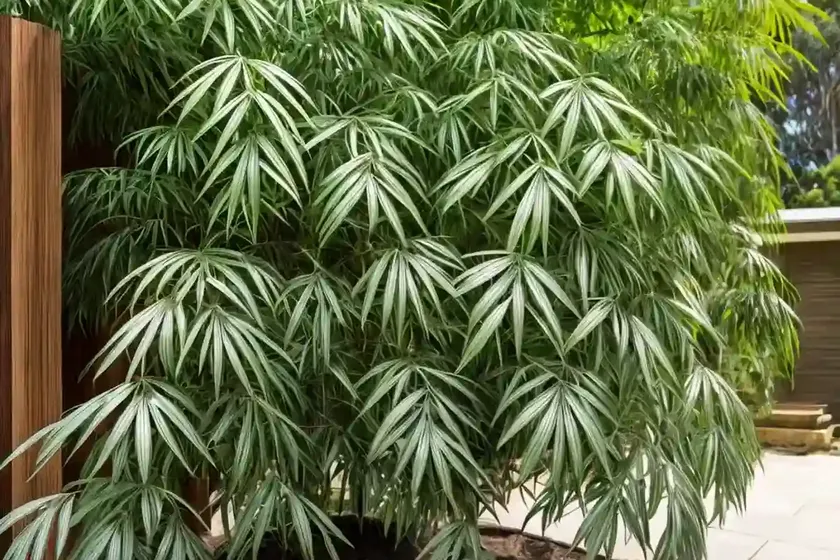
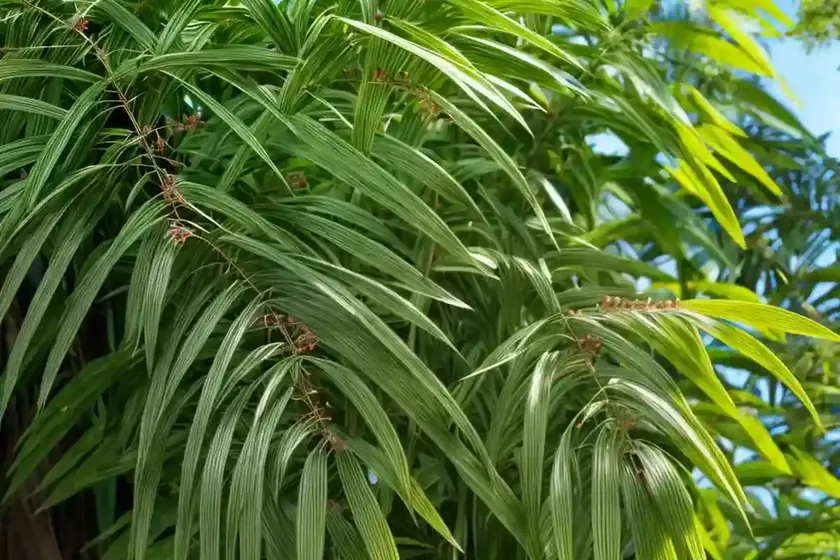
Plants have always held a special place in human society, not only for their aesthetic appeal but also for their varied uses and benefits. In this blog post, we will explore the multifaceted Australian redcedar (Toona ciliata), a remarkable species known for its cultural significance, economic value, and ecological benefits. We will delve into its growth characteristics, cultivation requirements, uses, and much more. So, let’s embark on a mesmerizing journey to unravel the secrets of the Australian redcedar.
What is Australian Redcedar (Toona ciliata)?
The Australian redcedar, scientifically known as Toona ciliata, is a deciduous tree species native to Australia, as well as parts of Southeast Asia and the Indian subcontinent. It belongs to the Meliaceae family, which includes a diverse range of trees and shrubs.
Key Takeaways – Australian Redcedar (Toona ciliata)
Before we dive into the specifics of the Australian redcedar, let’s take a quick look at some of its key takeaways:
- Scientific Name: Toona ciliata
- Family: Meliaceae
- Common Names: Australian redcedar, Indian Cedar, Burma Cedar
- Natural Habitat: Rainforests and subtropical regions
- Uses: Timber, landscaping, furniture making, medicinal properties
- Ecological Significance: Habitat for wildlife, soil conservation
- Conservation Status: Endangered in some regions
Now that we have an overview of the Australian redcedar, let’s explore its characteristics, cultural significance, uses, and the necessary cultivation practices.
Culture
Understanding the cultural significance of a plant species provides valuable insights into its place in traditional practices, folklore, and historical relevance. The Australian redcedar holds a special position in the cultural narratives of the regions where it is native.
Historical and Traditional Uses
The Australian redcedar has deep-rooted historical significance among indigenous communities in Australia and other regions where it is found. Traditionally, the timber of this magnificent tree was highly valued for its versatility and durability. Indigenous peoples used the wood for crafting tools, making canoes, and constructing shelters.
The timber’s inherent resistance to decay made it a preferred choice for various applications, including the creation of elaborate carvings and ceremonial objects. Additionally, the tree’s bark and leaves have been utilized in traditional medicinal practices, highlighting its cultural importance beyond its economic value.
Uses
The Australian redcedar is renowned for its diverse range of uses, making it a truly valuable and versatile tree species. Let’s explore some of its primary uses:
Timber
The timber of the Australian redcedar is prized for its exceptional qualities, making it one of the most sought-after and valuable hardwoods. Due to its rich color, fine texture, and resistance to decay, the timber is widely used in high-quality furniture making, cabinetry, joinery, and interior finishing.
Moreover, its workability and stability make it a preferred choice for crafting musical instruments, particularly guitars and pianos. The timber’s acoustic properties, combined with its aesthetic appeal, contribute to its desirability in the musical instrument industry.
Landscaping
In landscaping, the Australian redcedar holds an esteemed position due to its graceful form, attractive foliage, and ability to thrive in a variety of environmental conditions. This versatile tree adds elegance to parks, gardens, and urban landscapes, serving as a focal point in landscaping designs.
Medicinal Properties
Beyond its uses in woodworking and landscaping, the Australian redcedar has been recognized for its potential medicinal properties. Traditional medicine systems have utilized various parts of the tree, including the bark and leaves, to create remedies for a range of ailments. While further scientific research is needed to validate the medicinal properties, the tree’s potential in this area is a subject of growing interest.
Ecological Significance
The Australian redcedar plays a vital role in the ecosystems where it grows. As a large and long-lived tree species, it provides habitat and sustenance for diverse flora and fauna. The tree’s presence contributes to the biodiversity of its native regions, emphasizing its ecological significance.
Growth Characteristics
Understanding the growth characteristics of the Australian redcedar is essential for cultivating and nurturing this majestic tree. Let’s explore its growth habits, habitat requirements, and essential characteristics.
Habitat and Distribution
The Australian redcedar is naturally distributed in rainforests, subtropical regions, and certain parts of Southeast Asia and the Indian subcontinent. It thrives in well-drained, fertile soils with adequate moisture, typically found in lowland areas and along watercourses.
Growth Rate
In favorable growing conditions, the Australian redcedar exhibits a moderately fast growth rate, reaching heights of up to 30-60 meters (100-200 feet). Its tall, straight trunk and symmetrical crown contribute to its impressive stature as a forest giant.
Leaf Characteristics
The foliage of the Australian redcedar consists of pinnately compound leaves, typically arranged in an alternate manner along the stems. The leaflets are lanceolate in shape, displaying a vibrant green color and a graceful appearance.
Flowering and Fruit Production
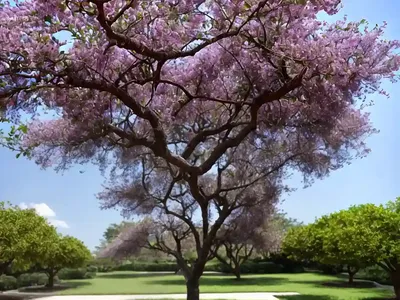
The tree produces clusters of small, fragrant flowers, often in panicles, during the flowering season. Following pollination, these flowers give rise to capsules that contain small winged seeds. The dispersal of seeds contributes to the tree’s natural regeneration and propagation.
Cultivation
Successfully cultivating the Australian redcedar requires a clear understanding of its preferred growing conditions, care requirements, and propagation methods. Let’s explore the essential factors for cultivating this remarkable tree.
Water
Adequate moisture is crucial for the healthy growth of the Australian redcedar, especially during its initial establishment and early stages of development. While the tree displays a degree of tolerance to periodic drought, consistent access to water promotes optimal growth and vitality.
Sunlight
As a species native to subtropical and rainforest regions, the Australian redcedar thrives in locations with partial to full sunlight. Providing the tree with ample sunlight enables it to develop a robust canopy and lush foliage, essential for its overall health and vigor.
Fertilizer
In nutrient-deficient soils, the application of a balanced fertilizer can support the Australian redcedar’s growth and development. Incorporating organic matter and suitable fertilizers during the tree’s establishment phase can promote healthy root development and sustained vigor.
Soil
The Australian redcedar prefers well-drained, fertile soils with a slightly acidic to neutral pH range. Soils rich in organic matter, such as those found in forested ecosystems, provide an ideal growing medium for the tree’s roots to establish and thrive.
Pruning
Pruning is typically unnecessary for mature Australian redcedar trees growing in their natural habitat. However, when cultivating the tree in managed landscapes or urban environments, selective pruning may be employed to maintain its shape, remove dead or damaged branches, and promote optimal canopy development.
Propagation
Reproducing the Australian redcedar through propagation methods allows for the expansion of its population and the cultivation of new trees. Let’s explore the primary techniques used for propagating this esteemed tree species.
Seeds
The propagation of the Australian redcedar from seeds is a widely practiced method, particularly for large-scale cultivation and reforestation efforts. Collecting mature seeds from healthy trees and providing appropriate germination conditions can yield a significant number of viable seedlings.
Cuttings
Propagating the Australian redcedar from cuttings offers a valuable alternative to seed propagation, especially when aiming to maintain specific traits or characteristics of selected individuals. Using semi-hardwood or hardwood cuttings and employing suitable rooting hormones can enhance the success rate of this propagation method.
Container Popularity
The Australian redcedar’s aesthetic appeal and adaptability have contributed to its popularity as a container plant. Cultivating the tree in containers allows for its integration into diverse landscapes, including urban settings, patios, and indoor environments.
Suitable Containers
When selecting containers for Australian redcedar cultivation, it is essential to choose spacious pots with adequate drainage holes. Opting for containers made from durable materials, such as terracotta or high-quality plastic, ensures sufficient support for the tree’s root system and facilitates proper aeration.
Growing Medium
Utilizing a well-draining growing medium, comprising a balanced mix of quality potting soil and organic amendments, supports healthy root development and moisture management in container-grown Australian redcedar trees.
Maintenance Considerations
Caring for container-grown Australian redcedar trees involves regular watering, monitoring for adequate sunlight exposure, and providing essential nutrients through controlled-release fertilizers or liquid applications.
Common Diseases
As with any living organism, the Australian redcedar is susceptible to certain diseases and ailments that can impact its health and vitality. Understanding common diseases and their diagnosis is crucial for implementing effective management strategies.
Leaf Spot
Leaf spot diseases, caused by various fungal pathogens, can manifest as conspicuous lesions or discolorations on the foliage of Australian redcedar trees. Diagnosing leaf spot diseases involves careful observation of the leaf symptoms, followed by targeted treatment with appropriate fungicides, cultural practices, and improved air circulation.
Root Rot
Excessive moisture or poorly drained soils can lead to root rot in Australian redcedar trees, resulting in weakened root systems and visible signs of decline. Implementing corrective measures, such as adjusting irrigation practices and enhancing soil drainage, is essential for preventing and managing root rot.
Powdery Mildew
Powdery mildew, characterized by a powdery white coating on the leaves and shoots, can affect Australian redcedar trees, particularly in conditions of high humidity and limited air circulation. Managing powdery mildew involves optimizing growing conditions, pruning to improve airflow, and applying suitable fungicidal treatments.
Common Pests
In addition to diseases, Australian redcedar trees may face challenges from various pests that can impact their growth and overall condition. Identifying common pests and implementing appropriate control measures is crucial for preserving the health and vitality of the trees.
Scale Insects
Scale insects, such as armored scales and soft scales, can infest Australian redcedar trees, causing damage to the foliage and twigs. Introducing natural predators, utilizing horticultural oils, and maintaining tree vigor through proper care can effectively manage scale insect infestations.
Caterpillars
Certain species of caterpillars can feed on the foliage of Australian redcedar trees, leading to visible defoliation and potential stress on the trees. Implementing integrated pest management practices, such as hand-picking caterpillars and deploying biological controls, can help mitigate the impact of caterpillar infestations.
Borers
Wood-boring insects, including beetles and moth larvae, can bore into the trunks and branches of Australian redcedar trees, causing structural damage and weakening the trees. Vigilant monitoring, timely pruning to remove affected wood, and employing preventive insecticidal treatments are essential for managing borer infestations.
Botanist’s Tips
As a plant scientist with a keen interest in the Australian redcedar, I offer the following tips for enthusiasts, horticulturists, and conservationists looking to engage with this remarkable tree species:
Tip 1: Sustainable Harvesting
When sourcing Australian redcedar timber, prioritize products certified by sustainable forestry initiatives or harvested through responsible and ethical practices. Supporting sustainable harvesting contributes to the conservation of this valuable species and its natural habitats.
Tip 2: Wildlife Conservation
Recognize the Australian redcedar’s role in providing habitat for wildlife and its contribution to overall ecosystem biodiversity. Implement conservation efforts that safeguard the tree’s natural environments and support the diverse flora and fauna that depend on its presence.
Tip 3: Cultivation and Propagation
Explore opportunities for cultivating Australian redcedar trees in managed landscapes, community forests, and educational institutions. Engaging in propagation initiatives and tree planting projects can contribute to the preservation and promotion of this culturally and ecologically significant species.
Fun Facts
To conclude our exploration of the Australian redcedar, here are some intriguing and delightful fun facts about this captivating tree:
- Australian redcedar (Toona ciliata) is renowned for its exceptional timber quality, which displays a rich reddish-brown hue and fine grain, making it highly prized for a wide range of woodworking applications.
- The tree’s fragrant flowers and graceful foliage add to its allure, making it an eye-catching and delightful presence in natural and cultivated landscapes.
- Indigenous cultures have long revered the Australian redcedar for its cultural and ceremonial significance, viewing it as a symbol of strength, resilience, and interconnectedness with the natural world.
Links to External Resources
For further information on Australian redcedar (Toona ciliata) and related topics, I recommend exploring the following external resources:
- Australian Native Plants Society – Toona ciliata
- Department of Agriculture and Fisheries, Queensland – Australian Red Cedar
- CSIRO – Australian Tropical Rainforest Plants
I hope this comprehensive exploration has deepened your appreciation for the Australian redcedar and its remarkable characteristics. Whether through its splendid timber, ecological significance, or cultural heritage, the Australian redcedar continues to captivate and inspire all who encounter it.
Remember to cherish and respect the natural world, for within its embrace, we find treasured companions such as the magnificent Australian redcedar.
Keywords: Toona ciliata uses, Toona ciliata benefits, Toona ciliata growth, Toona ciliata characteristics, Toona ciliata propagation, Toona ciliata cultivation, Toona ciliata distribution, Toona ciliata habitat, Australian redcedar uses, Australian redcedar benefits, Australian redcedar growth, Australian redcedar characteristics, Australian redcedar propagation, Australian redcedar cultivation, Australian redcedar distribution, Australian redcedar habitat, Toona ciliata timber, Toona ciliata wood, Toona ciliata properties, Toona ciliata selection, Toona ciliata pests, Toona ciliata diseases, Toona ciliata conservation, Australian redcedar timber, Australian redcedar wood, Australian redcedar properties, Australian redcedar selection, Australian redcedar pests, Australian redcedar diseases, Australian redcedar conservation, Toona ciliata uses in landscaping, Toona ciliata medicinal properties, Toona ciliata ecological significance, Toona ciliata endangered, Toona ciliata uses in furniture making, Australian redcedar uses in landscaping, Australian redcedar medicinal properties, Australian redcedar ecological significance, Australian redcedar endangered, Australian redcedar uses in furniture making, Toona ciliata essential oil, Toona ciliata leaves, Toona ciliata seeds, Australian redcedar essential oil, Australian redcedar leaves, Australian redcedar seeds, Toona ciliata economic value, Toona ciliata ecological benefits, Australian redcedar economic value, Australian redcedar ecological benefits