Blushing Bromeliad (Neoregelia Carolinae)
Plants are an integral part of the natural world, bringing beauty, oxygen, and life to our surroundings. Among these diverse and captivating organisms, the.
Introduction
Plants are an integral part of the natural world, bringing beauty, oxygen, and life to our surroundings. Among these diverse and captivating organisms, the Blushing Bromeliad (Neoregelia carolinae) stands out as a striking and captivating species. With its vibrant foliage and relatively low maintenance requirements, this tropical plant has become a popular choice for indoor and outdoor gardening enthusiasts. In this comprehensive guide, we will delve into the world of the Blushing Bromeliad, exploring its cultural preferences, uses, care requirements, and much more. Whether you are a seasoned plant enthusiast or a beginner looking to dive into the realm of tropical flora, this guide will provide you with all the essential information you need to cultivate and appreciate the beauty of the Blushing Bromeliad.
What is the Blushing Bromeliad (Neoregelia carolinae)?
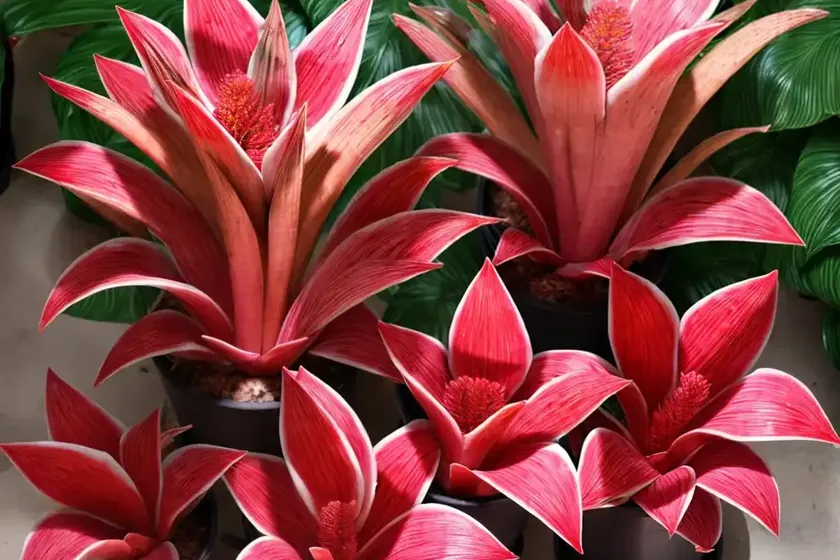
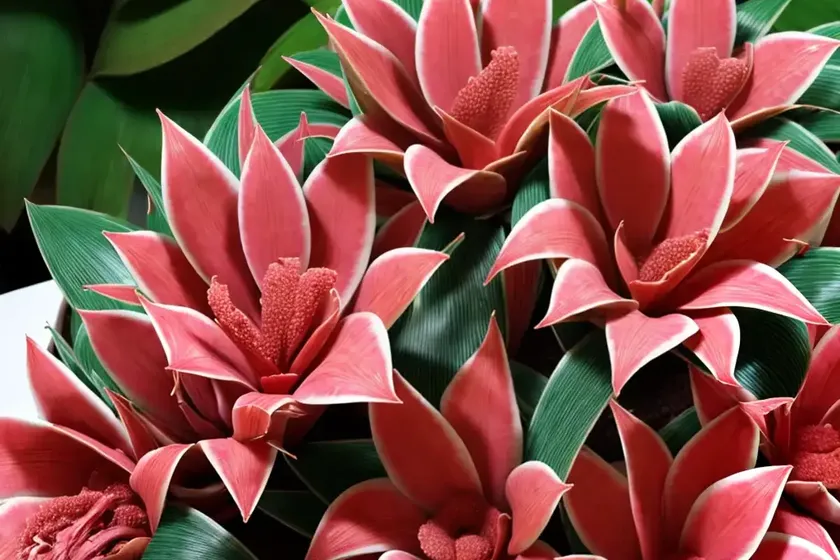
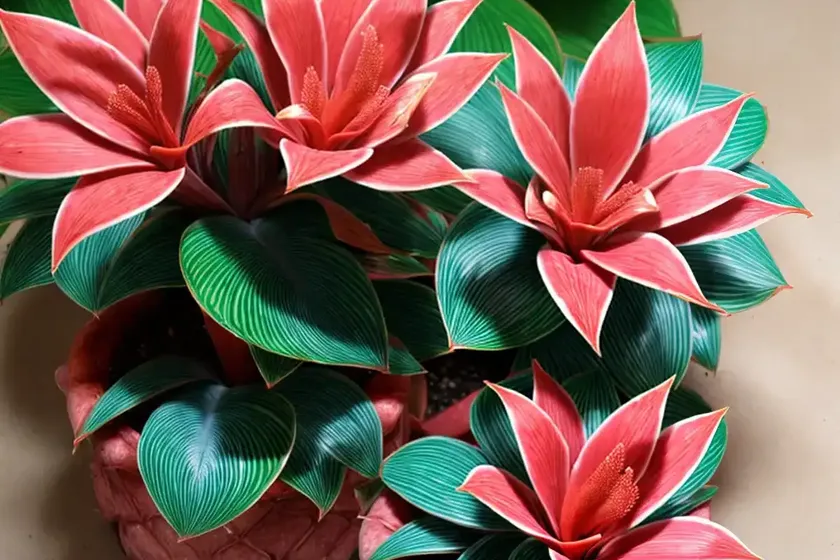
First and foremost, let’s explore the fundamental characteristics of the Blushing Bromeliad. Neoregelia carolinae, commonly known as the Blushing Bromeliad, is a species of flowering plant in the Bromeliaceae family. Native to the rainforests of Brazil, this striking plant is prized for its showy foliage and unique growth habit. The name “Blushing Bromeliad” is derived from the plant’s distinctive feature of developing a red or pink blush in the center of its rosette, especially during its flowering stages.
Key Takeaways – Blushing Bromeliad (Neoregelia carolinae)
Before we delve into the specific aspects of caring for the Blushing Bromeliad, let’s take a moment to highlight the key takeaways that we will be covering in detail:
- Culture
- Uses
- Water
- Sunlight
- Fertilizer
- Soil
- Pruning
- Propagation
- Container Popularity
- Common Diseases
- Disease Diagnosis
- Common Pests
- Botanist’s Tips
- Fun Facts
- Links to External Resources
With these essential topics in mind, we will proceed to explore each of them comprehensively, providing valuable insights and practical tips for optimal Blushing Bromeliad care and maintenance.
Culture
Understanding the cultural preferences of the Blushing Bromeliad is crucial for creating an environment in which this tropical plant can thrive. The cultural aspects encompass various elements such as the plant’s uses, water requirements, sunlight exposure, soil preferences, and more. Let’s delve into each of these aspects in detail.
Uses
The Blushing Bromeliad holds significant value in both decorative and horticultural contexts, making it a versatile addition to any indoor or outdoor setting. Some of its common uses include:
-
Indoor Decoration: The vibrant foliage and unique growth habit of the Blushing Bromeliad make it a popular choice for indoor decorative purposes. Whether displayed in pots or mounted on driftwood, these plants can add a touch of tropical elegance to interior spaces.
-
Outdoor Landscaping: In outdoor settings, the Blushing Bromeliad can be used to enhance gardens, patios, and tropical landscapes. Its striking appearance and relatively low maintenance requirements make it a valuable asset in garden design.
-
Air Purification: Like many other houseplants, the Blushing Bromeliad contributes to air purification by removing toxins and impurities from the surrounding atmosphere. This air-purifying trait adds to the plant’s functional appeal in indoor environments.
Water
Proper watering is essential for the health and vitality of the Blushing Bromeliad. Understanding the plant’s water requirements is crucial to prevent overwatering or underwatering, both of which can have detrimental effects on its growth and well-being.
Watering Frequency
Unlike traditional soil-based plants, the Blushing Bromeliad has unique water absorption mechanisms due to its epiphytic nature. In its natural habitat, this species often collects water in the central cup (also known as the tank) formed by its rosette of leaves.
-
Indoor Care: When grown indoors, it is important to water the Blushing Bromeliad by filling its central cup with water. In most indoor environments, this should be done approximately once a week, ensuring that the water does not become stagnant and promoting good air circulation around the plant.
-
Outdoor Care: For outdoor plants, natural rainfall can contribute significantly to their water requirements. However, during dry periods, especially in warmer climates, it is important to supplement with additional watering, ensuring that the central cup remains adequately moist without becoming waterlogged.
Water Quality
In addition to the frequency of watering, the quality of the water used for irrigation also plays a crucial role in the health of the Blushing Bromeliad. It is advisable to use clean, non-chlorinated water to prevent any adverse effects on the plant. Rainwater or filtered water are excellent choices for watering this tropical species.
Sunlight
Proper sunlight exposure is essential for the Blushing Bromeliad to thrive and display its characteristic vibrant colors. Understanding the plant’s sunlight requirements is crucial for ensuring healthy growth and optimal leaf pigmentation.
Light Needs
As a tropical plant, the Blushing Bromeliad has evolved to thrive in bright, indirect light. When grown indoors, it is best placed near a well-lit window that provides ample natural light without exposing the plant to direct sunlight, which can scorch its delicate foliage. In outdoor settings, shaded or partially shaded areas are ideal for these plants, with protection from the intense midday sun.
Light Adaptation
One fascinating feature of the Blushing Bromeliad is its ability to adapt to varying light conditions. In response to changes in light exposure, the plant’s foliage may exhibit shifts in coloration, intensifying its red or pink blush under appropriate lighting conditions.
Fertilizer
Proper fertilization is essential for promoting healthy growth and vibrant foliage in the Blushing Bromeliad. While these plants are relatively low-maintenance, providing them with essential nutrients can enhance their overall appearance and vitality.
Fertilizer Type
When it comes to fertilizing the Blushing Bromeliad, it is important to opt for a balanced, liquid fertilizer formulated specifically for epiphytic plants. These types of fertilizers typically contain the essential macro and micronutrients required for healthy growth without the risk of causing fertilizer burn or salt buildup.
- NPK Ratio: A recommended NPK ratio for epiphytic plants like the Blushing Bromeliad is 1-1-1 or 1-1-2, indicative of balanced nutrient proportions that promote foliage development and overall plant health.
Fertilizing Schedule
The Blushing Bromeliad should be fertilized regularly during its active growing season, usually from spring through early fall. A diluted fertilizer solution can be applied to the central cup of the plant or added to the potting medium, ensuring that the roots have access to essential nutrients.
Soil
Understanding the ideal soil conditions for the Blushing Bromeliad is crucial for providing a suitable growing environment. Considering the epiphytic nature of this species, traditional potting soil used for terrestrial plants is not suitable for the Blushing Bromeliad.
Potting Medium
A recommended potting medium for the Blushing Bromeliad consists of a well-draining, airy mix that mimics the plant’s natural epiphytic habitats. An ideal medium often includes components such as:
-
Orchid Bark: A crucial component in the potting mix, orchid bark provides excellent aeration, drainage, and a suitable environment for the plant’s root system.
-
Coarse Perlite: Adding coarse perlite to the mix further enhances its drainage and aeration properties, preventing waterlogging and promoting healthy root development.
-
Coconut Husk Chips or Fiber: These components contribute to the overall structure and longevity of the potting medium while retaining some moisture for the plant’s water needs.
Soil pH
The Blushing Bromeliad thrives in slightly acidic to neutral pH levels, typically in the range of 5.5 to 6.5. A pH within this range ensures optimal nutrient uptake and minimizes the risk of nutrient deficiencies or toxicities.
Pruning
Pruning requirements for the Blushing Bromeliad are relatively minimal, primarily focused on the removal of spent or discolored foliage to maintain the plant’s aesthetic appeal and overall health.
Dead Foliage Removal
As the Blushing Bromeliad ages, older leaves may naturally discolor or decline. It is advisable to regularly remove these spent leaves by gently tugging them from the base of the plant. This not only maintains the plant’s appearance but also prevents the buildup of decaying matter in the central cup.
Propagation
The propagation of the Blushing Bromeliad often involves the production of offsets, also known as “pups,” which develop around the base of mature plants. These offsets can be carefully separated from the parent plant and cultivated as independent specimens. For optimal propagation success, consider the following steps:
-
Offset Separation: When the pups have developed a sufficient root system and a few mature leaves, they can be carefully removed from the parent plant using a clean, sharp blade.
-
Potting and Care: Once separated, the pups can be potted in a suitable epiphytic potting mix and treated similarly to mature plants, ensuring adequate moisture and indirect sunlight for healthy establishment.
Container Popularity
The Blushing Bromeliad’s appeal in container gardening is undeniable, making it a highly sought-after addition to indoor and outdoor plant collections. The popularity of containers as a growing medium for this tropical species can be attributed to several factors:
-
Versatility: The compact size of the Blushing Bromeliad makes it ideal for container growth, allowing for easy placement in various indoor settings, including shelves, tables, and hanging planters.
-
Decorative Potential: The vibrant, variegated foliage of the Blushing Bromeliad enhances the visual appeal of containers, adding tropical charm to interior spaces and outdoor patios.
-
Low Maintenance: Container-grown Blushing Bromeliads are relatively low maintenance, requiring minimal space and attention while still providing a captivating display of colorful foliage.
Common Diseases
While the Blushing Bromeliad is generally resilient to many common plant diseases, it may occasionally face certain issues that can impact its overall health and appearance. Understanding these potential diseases and their management is crucial for maintaining thriving plants.
Disease Diagnosis
Some of the common diseases that may affect the Blushing Bromeliad include:
-
Root Rot: This condition is often caused by overwatering or poor soil drainage, leading to the decay of the plant’s root system. Symptoms include wilting, yellowing foliage, and a foul odor emanating from the potting medium.
-
Leaf Spot: Fungal or bacterial leaf spot can cause unsightly markings on the Blushing Bromeliad’s foliage, affecting its overall appearance. These spots may vary in color and size, often leading to leaf discoloration and decline.
-
Crown Rot: Crown rot occurs when the central cup of the plant becomes waterlogged, leading to the decay of the plant’s central growth point. This condition can manifest as a soft, discolored central rosette, often accompanied by a foul odor.
Disease Management
To prevent and address common diseases affecting the Blushing Bromeliad, the following strategies can be employed:
-
Adequate Drainage: Ensuring proper soil drainage and avoiding waterlogged conditions can help prevent the onset of root rot and crown rot.
-
Sanitation: Regularly removing dead or decaying foliage and avoiding overhead watering can help minimize the risk of leaf spot diseases.
-
Air Circulation: Providing good air circulation around the plants, especially in indoor environments, can reduce the risk of fungal and bacterial diseases.
Common Pests
While the Blushing Bromeliad is relatively resistant to pest infestations, it may encounter certain common pests that can impact its overall health and vigor. Understanding these potential pests and their management is essential for promoting thriving plants.
Pest Identification
Some of the common pests that may affect the Blushing Bromeliad include:
-
Mealybugs: These small, white, cottony insects can cluster in the leaf axils and along the central cup of the plant, feeding on its juices and causing weakening and deformities.
-
Scale Insects: Scale insects can appear as small, raised bumps on the foliage of the Blushing Bromeliad, often accompanied by sticky honeydew secretion. Severe infestations can lead to leaf yellowing and stunted growth.
Pest Management
To address common pests affecting the Blushing Bromeliad, integrated pest management strategies can be implemented:
-
Physical Removal: Gently wiping the affected areas with a cotton swab dipped in rubbing alcohol can help eliminate mealybugs and scale insects from the plant’s foliage.
-
Horticultural Oil: Applying horticultural oil or insecticidal soap according to label instructions can effectively manage pest infestations while minimizing harm to the plant.
-
Quarantine and Inspection: New plant acquisitions should be quarantined and thoroughly inspected for signs of pests before introducing them to existing collections.
Botanist’s Tips
As experienced botanists and plant enthusiasts, we understand the intricacies involved in nurturing and appreciating the beauty of the Blushing Bromeliad. Here are some valuable tips and insights to enhance your experience with this tropical species:
-
Humidity Enhancement: In indoor environments, maintaining adequate humidity levels can benefit the Blushing Bromeliad, promoting healthy foliage and overall growth. Placing the plants on trays filled with water and pebbles or using a humidifier can create a favorable microclimate.
-
Growth Monitoring: Regularly monitoring the growth and coloration of the Blushing Bromeliad’s central rosette can provide insights into its overall health and vitality. Vibrant, red or pink blushes often indicate favorable growing conditions.
-
Repotting Considerations: When repotting mature Blushing Bromeliads, it is essential to select appropriately sized containers that allow for continued growth without excessive root confinement. A well-draining potting medium suited for epiphytic plants should be used during repotting.
Fun Facts
-
Native Habitats: In their natural habitats, Blushing Bromeliads often grow as epiphytes, clinging to trees and absorbing water and nutrients from the surrounding environment. This unique growth habit enhances their appeal as distinctive tropical plants.
-
Flowering Spectacle: When the Blushing Bromeliad reaches maturity, it can produce striking inflorescences with vibrant, long-lasting blooms. The flowering period adds a captivating dimension to the plant’s ornamental value.
-
Air Purification: As with many other bromeliad species, the Blushing Bromeliad contributes to the purification of indoor air by removing toxins and impurities, thereby enhancing the overall environmental quality.
Links to External Resources
For further information on the care and appreciation of the Blushing Bromeliad, you may find the following resources valuable:
- The American Bromeliad Society
- Royal Horticultural Society – Bromeliads
- University of Florida – Bromeliad Care and Culture
Conclusion
The Blushing Bromeliad (Neoregelia carolinae) stands as a testament to the diversity and beauty of the plant kingdom, captivating enthusiasts with its vibrant foliage and unique growth habits. By understanding and embracing its cultural preferences, uses, and maintenance requirements, we can ensure the thriving growth of this tropical species in both indoor and outdoor settings. Whether displayed as a decorative accent or incorporated into lush tropical landscapes, the Blushing Bromeliad continues to charm and inspire plant enthusiasts around the world with its captivating colors and relatively low maintenance demands.
With the insights and practical tips outlined in this comprehensive guide, we hope that you will embark on a rewarding journey of cultivating and appreciating the beauty of the Blushing Bromeliad, enriching your plant collection and creating captivating displays of tropical charm in your living spaces.