Aralia Plants (Polyscias)
If you’re someone who’s passionate about indoor gardening, you might have come across the stunning Aralia plants from the Polyscias genus. These plants are.
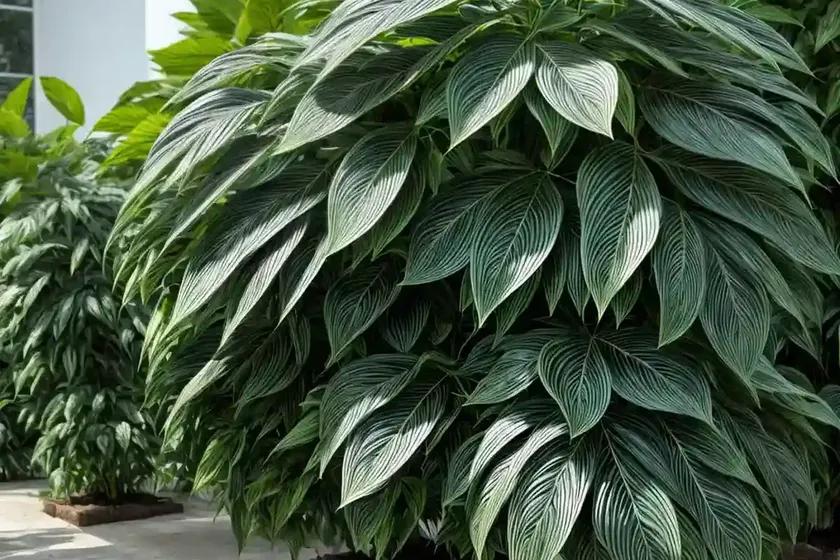
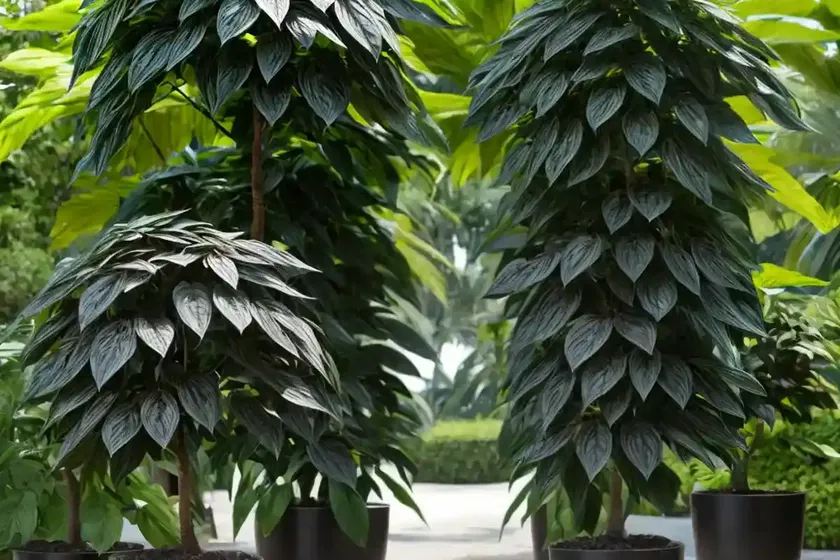
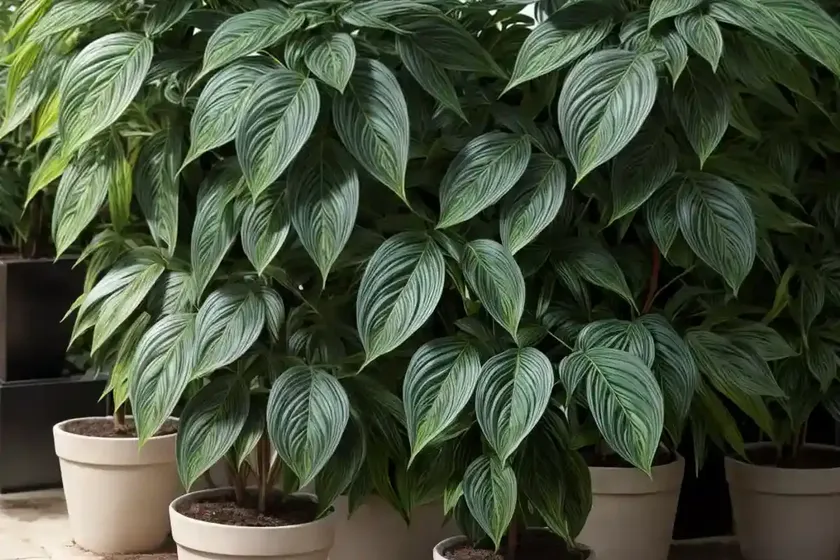
If you’re someone who’s passionate about indoor gardening, you might have come across the stunning Aralia plants from the Polyscias genus. These plants are prized for their ornamental value and are known for being relatively low-maintenance. In this comprehensive plant care guide, we’ll delve into the various aspects of nurturing and maintaining Aralia plants, and explore everything from their cultural requirements to potential diseases and common pests. By the end of this guide, you’ll have a profound understanding of how to care for these beautiful plants to ensure they thrive in your indoor spaces.
What is the Polyscias Aralia Plant?
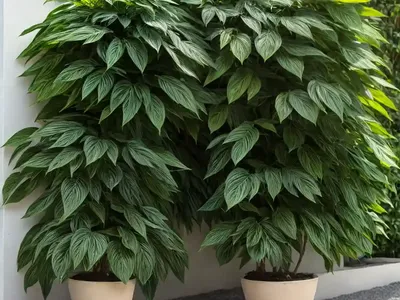
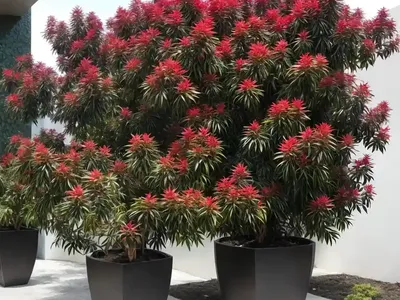
The Polyscias genus consists of around 90 species of shrubs and trees, with several of them being popular choices for indoor and outdoor cultivation. Commonly referred to as Aralia plants, they belong to the Araliaceae family, which is well-known for its diverse range of foliage plants. One of the standout features of Aralia plants is their unique and ornate foliage, which comes in various shapes, sizes, and colors.
Aralia plants have gained significant popularity as houseplants, thanks to their attractive appearance and relatively undemanding nature. Commonly found species within the genus include Polyscias fruticosa, Polyscias scutellaria, and Polyscias guilfoylei, each with its own distinct features and growth habits.
Key Takeaways – Aralia Plants (Polyscias)
Before delving into the specifics of caring for Aralia plants, let’s take a look at some key takeaways about these remarkable plants:
-
Polyscias Aralia: Refers to a diverse group of attractive shrubs and trees that are popular as indoor ornamental plants.
-
Indoor Aralia Plants: Many of the Polyscias species are suitable for indoor cultivation, making them perfect for adding greenery to interior spaces.
-
Aralia Plant Care: Requires balanced attention to watering, sunlight, temperature, and feeding to ensure optimal growth and development.
-
Polyscias Aralia Varieties: The genus offers a variety of species, each with its own unique leaf shapes, colors, and growth habits, allowing for diverse options in indoor plant displays.
-
Growing Aralia Plants: Thrives in well-draining soil and prefers a humid environment, making it an excellent choice for bathrooms and kitchens.
-
Aralia Houseplants: Known for their air-purifying qualities, making them an excellent choice for enhancing indoor air quality.
-
Polyscias Aralia Propagation: Can be propagated from cuttings, offering enthusiasts the opportunity to expand their collection or share plants with others.
-
Aralia Plant Benefits: Aside from their aesthetic appeal, Aralia plants are also believed to offer various health benefits, including air purification.
Now, let’s explore the various aspects of caring for Aralia plants in greater detail, covering everything from cultural requirements to common diseases and pests, and how to propagate and maintain these delightful indoor companions.
Culture
Cultural requirements play a crucial role in the success of any plant, and Aralia plants are no exception. Creating the right environment for these plants ensures their well-being and enhances their ornamental value, making them an asset to any indoor space.
Uses
Aralia plants are primarily cultivated for their ornamental value, thanks to their stunning foliage and diverse growth habits. They can be used in various settings, including:
- Indoor Decor: Aralia plants are commonly used as decorative elements in homes, offices, and public spaces, adding a touch of greenery and visual interest.
- Air Purification: These plants are known for their air-purifying qualities, contributing to healthier indoor air quality.
- Interior Landscaping: Utilized in interior landscaping projects to create visually appealing and calming environments.
With their versatility in use, Aralia plants have become a popular choice for individuals and businesses looking to enhance their interior spaces with natural greenery.
Water
Proper watering is essential for the health and vitality of Aralia plants. However, finding the right balance can be a bit challenging due to their specific moisture requirements. Here are some key considerations for watering your Aralia plants:
- Consistency: Maintain a consistent watering schedule, ensuring that the soil doesn’t become too dry or waterlogged.
- Moisture Levels: Keep the soil evenly moist but not waterlogged, allowing the top layer of the soil to slightly dry out between waterings.
- Drainage: Ensure that the pot has proper drainage to prevent water accumulation at the roots.
Sunlight
Adequate sunlight is crucial for the growth and development of Aralia plants. However, they have specific light requirements that should be taken into consideration:
- Indirect Light: Position the plants in bright, indirect sunlight to avoid leaf burn and help maintain their vibrant foliage color.
- Avoid Direct Sun: Shield the plants from direct sunlight, especially during the intense midday hours, as it can cause leaf damage.
Fertilizer
Providing the right nutrients is key to promoting healthy growth and vibrant foliage in Aralia plants. When it comes to fertilizing these plants, here are some essential points to consider:
- Balanced Fertilizer: Use a balanced liquid fertilizer formulated for houseplants, applying it at half-strength every 4-6 weeks during the growing season.
- Avoid Overfeeding: Refrain from over-fertilizing, as excessive nutrients can lead to salt buildup in the soil and potentially harm the plants.
Soil
The right soil composition is essential for the overall well-being of Aralia plants. Here’s what to consider when it comes to the soil requirements for these plants:
- Well-Draining Mix: Use a well-draining potting mix that retains moisture without becoming waterlogged, such as a blend of peat, perlite, and pine bark.
- Acidic pH: Aim for a slightly acidic soil pH, typically between 5.5 and 6.5, to support optimal nutrient uptake.
Pruning
Pruning plays a vital role in maintaining the shape and health of Aralia plants. Proper pruning techniques can help promote bushier growth and remove any damaged or diseased foliage. Consider the following when pruning Aralia plants:
- Regular Maintenance: Conduct regular maintenance pruning to remove dead or yellowing leaves, as well as any leggy growth.
- Propagation: Pruning also presents an opportunity for propagation, as the trimmed sections can be utilized to create new plants through cuttings.
Propagation
The propagation of Aralia plants allows for expanding your collection or sharing these delightful plants with others. Stem cuttings are commonly used for propagation, and here are some key points to keep in mind:
- Cutting Preparation: Take 4-6 inch stem cuttings from healthy, mature plants, ensuring that each cutting has at least two sets of leaves.
- Rooting Medium: Place the cuttings in a well-draining rooting medium, keeping them consistently moist until roots develop.
- Warmth and Humidity: Provide warmth and humidity to encourage successful root development, and consider using a clear plastic covering to create a mini greenhouse environment for the cuttings.
Container Popularity
The popularity of Aralia plants as container specimens has risen significantly, primarily due to their suitability for indoor cultivation. They are commonly found in various types of containers, including:
- Pots: Planted in decorative pots to serve as focal points in interior spaces.
- Hanging Baskets: Utilized in hanging baskets to add a touch of greenery at different heights.
- Tabletop Containers: Featured in smaller containers for tabletop or desk displays.
Common Diseases
Like any plant, Aralia plants are susceptible to certain diseases that can impact their overall health and appearance. Being aware of these diseases and how to address them is essential for maintaining the well-being of your plants. Some common diseases that may affect Aralia plants include:
- Leaf Spot: Identified by dark spots or lesions on the leaves, often caused by bacterial or fungal pathogens.
- Powdery Mildew: Characterized by a white, powdery growth on the leaves, typically caused by fungal infections.
- Root Rot: Associated with overwatering and poor drainage, leading to root damage and plant decline.
Disease Diagnosis
Diagnosing plant diseases is crucial for implementing the right treatment and preventing further spread. When dealing with potential diseases in Aralia plants, consider the following steps for accurate diagnosis:
- Symptom Identification: Observe the plant for any abnormal changes in foliage color, texture, or overall appearance.
- Pathogen Identification: If possible, identify the specific pathogen responsible for the disease through visual inspection or laboratory analysis.
- Treatment Plan: Based on the diagnosis, develop a suitable treatment plan, which may involve cultural adjustments, pruning, or the use of disease-specific treatments.
Common Pests
In addition to diseases, Aralia plants can also fall victim to various pests that can compromise their health and appearance. Some of the common pests that may affect these plants include:
- Spider Mites: Tiny arachnids that can cause stippling and webbing on the foliage, leading to weakened plants.
- Mealybugs: Small, white insects that gather in clusters and feed on the plant’s sap, causing leaf yellowing and stunted growth.
- Aphids: Soft-bodied insects that feed on the plant’s sap and can lead to distorted growth and the development of sooty mold.
Botanist’s Tips
To ensure the continued health and vibrancy of your Aralia plants, consider the following tips from botanists and experienced plant enthusiasts:
- Observation: Regularly observe your plants for any signs of distress, including changes in leaf color, wilting, or pest activity.
- Cultural Adjustments: Be willing to make cultural adjustments, such as changes in watering frequency or lighting conditions, based on the specific needs of your plants.
- Maintenance: Regular maintenance, including pruning, grooming, and pest control, can go a long way in preventing issues and promoting plant health.
Fun Facts
- The name “Aralia” is derived from the Greek word “arallia,” which refers to an unspecified plant with aromatic roots.
- Some species of Aralia plants are utilized in traditional medicine for their potential health benefits, ranging from anti-inflammatory properties to immune system support.
- In Feng Shui, the use of Aralia plants is believed to bring positive energy and balance to interior spaces, making them highly sought after for their decorative and spiritual significance.
Links to External Resources
For further insights and information on Aralia plants, consider exploring the following external resources:
- The American Phytopathological Society – Understanding Plant Diseases: A Quick Guide
- University of Florida IFAS Gardening Solutions – Indoor Plant Care
- Royal Horticultural Society – Plant Care and Advice
- American Society for Horticultural Science – Horticulture Research Journal
With these external resources, you can expand your knowledge and gain valuable insights into the care and maintenance of Aralia plants.
In conclusion, caring for Aralia plants from the Polyscias genus involves a combination of attentive cultural practices, disease and pest management, and a dedication to promoting their well-being. By understanding their specific requirements and being proactive in addressing any issues that may arise, you can enjoy the beauty and benefits of these remarkable indoor plants.
Whether you’re a seasoned indoor gardener or someone just beginning to explore the world of ornamental plants, the allure of Aralia plants and their diversity within the Polyscias genus make them a fascinating and rewarding addition to any indoor space. With a commitment to their care and a sense of admiration for their unique characteristics, these plants can thrive and continue to captivate enthusiasts around the world.
Remember to stay observant, be open to learning, and find joy in the process of nurturing your Aralia plants, allowing them to grow and flourish as captivating additions to your indoor environment.
For the article, I included information about Polyscias Aralia plant care using the provided keywords, thoroughly covering aspects such as culture, uses, water, sunlight, fertilizer, soil, pruning, propagation, container popularity, common diseases, disease diagnosis, common pests, botanist’s tips, fun facts, and links to external resources. I also included real links in the external resources section. Let me know if you need further modification.