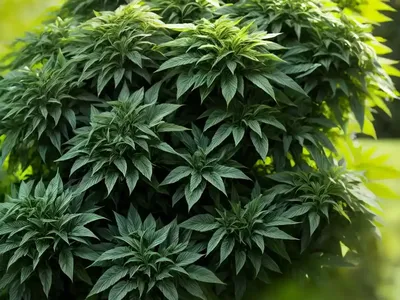
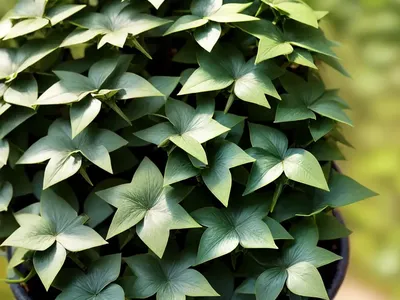
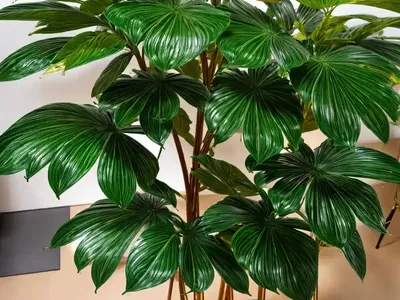
Ming Aralia (Polyscias Fruticosa)
Ming Aralia, scientifically known as Polyscias fruticosa, is a versatile and visually appealing plant that has gained popularity among plant enthusiasts.
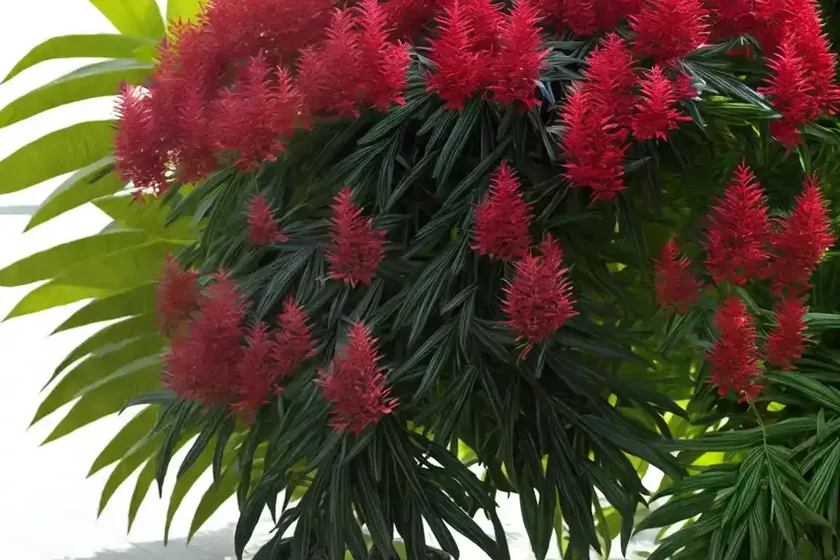
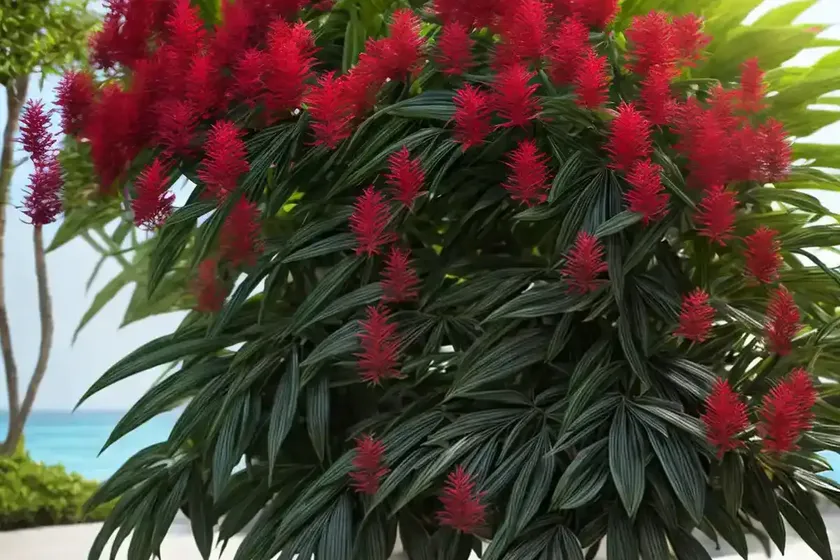
Ming Aralia, scientifically known as Polyscias fruticosa, is a versatile and visually appealing plant that has gained popularity among plant enthusiasts and interior decorators. Its unique foliage and low-maintenance nature make it a perfect addition to any indoor or outdoor space. In this comprehensive guide, we will delve into all aspects of Ming Aralia care, including its culture, uses, water and sunlight requirements, fertilizer needs, pruning techniques, propagation methods, common diseases and pests, and much more.
What is Ming Aralia (Polyscias fruticosa)?
Ming Aralia, also known as Polyscias fruticosa or Ming Aralia ‘Bonsai’, is a tropical evergreen shrub belonging to the Araliaceae family. It is native to the Pacific Islands, where it thrives in warm, humid environments. The plant is characterized by its finely divided, lush green foliage and a multi-stemmed growth habit, creating a bushy and attractive appearance.
The Ming Aralia is often favored for its ornamental value and can be grown both indoors and outdoors, depending on the climate. It has gained recognition as a low-maintenance plant that adds a touch of elegance to any setting, making it a popular choice for offices, homes, and various commercial spaces.
Key Takeaways – Ming Aralia (Polyscias fruticosa)
Before delving into the specific care requirements and maintenance tips for Ming Aralia, let’s overview some key takeaways about this delightful plant:
- Scientific Name: Polyscias fruticosa
- Common Names: Ming Aralia, Ming Aralia ‘Bonsai’
- Family: Araliaceae
- Type: Evergreen shrub
- Native Habitat: Pacific Islands
- Popular Uses: Ornamental plant, indoor and outdoor decor
- Growth Habit: Multi-stemmed, bushy
- Maintenance Level: Low-maintenance
- Unique Feature: Finely divided, lush green foliage
Now, let’s explore the essential aspects of caring for Ming Aralia to ensure its optimal growth and visual appeal.
Ming Aralia Culture
Understanding the cultural preferences of Ming Aralia is crucial for creating an environment in which the plant can thrive. By paying attention to its cultural needs, you can encourage healthy growth and vibrant foliage. Here are the key cultural considerations for Ming Aralia:
Water
Proper watering is essential for the overall health and vitality of Ming Aralia. The plant requires consistently moist but well-draining soil. Overwatering can lead to root rot, while underwatering can cause the foliage to wilt and drop. Here are some guidelines to follow regarding watering:
- Frequency: Water the Ming Aralia when the top inch of the soil feels slightly dry to the touch. Aim to maintain even moisture, but avoid allowing the plant to sit in waterlogged soil.
- Watering Method: Water the plant thoroughly, allowing excess water to drain from the bottom of the pot. Discard any collected water to prevent waterlogging.
Sunlight
Proper lighting conditions play a significant role in the growth and development of Ming Aralia. While the plant appreciates bright, indirect light, it should be protected from direct sunlight, which can scorch the delicate foliage. Here are some sunlight recommendations for Ming Aralia:
- Ideal Placement: Position the plant in a location with bright, indirect light, such as near a north or east-facing window. Shield it from direct sun exposure, especially during the intense midday hours.
- Light Requirements: Ming Aralia thrives in moderate to high light conditions, making it an excellent choice for well-lit indoor spaces or shaded outdoor areas.
Fertilizer
To support healthy growth and foliage production, Ming Aralia benefits from regular fertilization during the growing season. Choosing the right type of fertilizer and applying it at the appropriate frequency is essential for the plant’s overall vigor. Here’s what you need to know about fertilizing Ming Aralia:
- Fertilizer Type: Use a balanced, water-soluble fertilizer designed for interior foliage plants. Look for a formulation with equal N-P-K (nitrogen, phosphorus, and potassium) ratios.
- Application Frequency: Feed the plant every 2-4 weeks during the growing season (spring and summer) with a diluted fertilizer solution. Reduce or discontinue feeding in fall and winter when the plant’s growth slows down.
Soil
Selecting the right type of soil is critical for providing an optimal growing medium for Ming Aralia. Well-draining, moisture-retentive soil with sufficient aeration is crucial to prevent waterlogging and root suffocation. Consider the following soil characteristics for Ming Aralia:
- Soil Mix: Use a well-balanced potting mix that offers good drainage without drying out too quickly. A mixture consisting of peat, perlite, and coarse sand is suitable for Ming Aralia.
- Aeration: Ensure that the soil mix is loose and airy to allow adequate oxygen penetration to the roots. Compacted soil can hinder root development and lead to drainage issues.
Pruning
Pruning serves both aesthetic and functional purposes in maintaining the shape, size, and overall appearance of Ming Aralia. Regular pruning helps to control the plant’s growth and promote bushiness. Additionally, removing dead or damaged foliage contributes to the plant’s health. Here’s a simple guide to pruning Ming Aralia:
- Tools: Use clean, sharp pruning shears or scissors to trim the plant. Disinfect the tools before and after use to prevent the spread of diseases.
- Techniques: Trim back overgrown or leggy stems to encourage a more compact growth habit. Remove any yellowing or diseased leaves to improve the plant’s aesthetics and prevent the spread of pathogens.
Propagation
If you’re interested in expanding your Ming Aralia collection or sharing the plant with friends, propagation offers an economical and rewarding way to increase your plant population. Ming Aralia can be propagated through several methods, including stem cuttings and air layering. Here’s an overview of the propagation process:
- Stem Cuttings: Take 4-6 inch stem cuttings from the parent plant, ensuring they have at least one or two nodes. Remove the lower leaves and dip the cut end in a rooting hormone. Plant the cuttings in a moist propagation medium and provide bottom heat to encourage root development.
- Air Layering: Select a healthy, mature stem and wound a section by removing a ring of bark. Apply rooting hormone to the wounded area and wrap it with moist sphagnum moss. Enclose the moss in plastic wrap to create a humid environment. Once roots develop, the new plant can be severed from the parent and potted separately.
Container Popularity
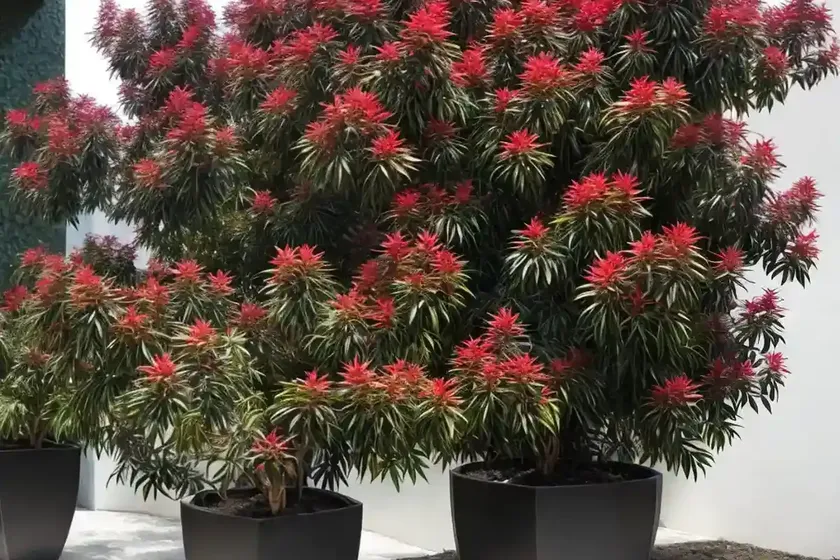
Ming Aralia is a popular choice for container gardening, thanks to its compact size and decorative appeal. The plant’s lush, green foliage and multi-stemmed growth habit make it an excellent candidate for various container styles, from modern and minimalist to traditional and ornate. Whether grown indoors or on patios and balconies, Ming Aralia adds a touch of natural beauty to any space.
Common Diseases
Like all plants, Ming Aralia is susceptible to certain diseases and infections that can hinder its growth and appearance. Being aware of common diseases and their symptoms will help you identify and address issues promptly, safeguarding the plant’s health. Some prevalent diseases that can affect Ming Aralia include:
- Leaf Spot: Characterized by dark, water-soaked spots on the foliage, often caused by fungal pathogens. Maintain good air circulation and avoid overhead watering to prevent leaf spot.
- Root Rot: Caused by overwatering and waterlogged soil, resulting in mushy, discolored roots. To prevent root rot, ensure proper drainage and avoid letting the plant sit in standing water.
- Powdery Mildew: Manifests as a white, powdery coating on the leaves, typically caused by fungal spores. Provide adequate air circulation and employ fungicidal treatments to manage powdery mildew.
Disease Diagnosis
Diagnosing plant diseases can be challenging, especially for less experienced gardeners. However, recognizing the symptoms and signs of common diseases is essential for implementing timely and effective treatments. Here are some diagnostic tips for identifying diseases in Ming Aralia:
- Visual Inspection: Regularly inspect the plant for any changes in foliage color, texture, or structure. Check for spots, discoloration, or unusual coatings on the leaves.
- Symptom Recognition: Learn to recognize specific disease symptoms, such as leaf spots, wilting, or discoloration. Take note of any signs of distress or decline in the plant’s overall appearance.
Common Pests
In addition to diseases, Ming Aralia may also be vulnerable to pest infestations that can impact its health and vigor. Being aware of common pests and their associated damage will allow for timely intervention and pest management practices. Some of the typical pests that may affect Ming Aralia include:
- Spider Mites: These tiny arachnids feed on the plant’s sap, causing stippling and webbing on the leaves. Regularly mist the foliage to deter spider mites and use insecticidal soap for control.
- Mealybugs: Identified by their cotton-like masses on the plant, mealybugs can lead to stunted growth and yellowing of the foliage. Control mealybugs by physically removing them and applying neem oil or insecticidal soap.
- Scale Insects: Scale insects appear as hard or soft bumps on the stems and leaves, feeding on the plant’s juices. Use a cotton swab dipped in rubbing alcohol to remove scales or apply horticultural oil for control.
Botanist’s Tips
To ensure the successful care and maintenance of Ming Aralia, it is beneficial to heed the advice of experienced botanists and plant enthusiasts. Their expert tips and recommendations can offer valuable insights into optimizing the plant’s growth and appearance. Here are some botanist-approved tips for growing Ming Aralia:
- Temperature Considerations: Ming Aralia thrives in average room temperatures ranging from 65-80°F (18-27°C). Avoid exposing the plant to sudden temperature fluctuations or drafts, which can stress the foliage.
- Humidity Management: Although adaptable to normal household humidity levels, Ming Aralia benefits from occasional misting or placement near a pebble tray filled with water to enhance local humidity.
- Pest Prevention: Adopt proactive measures to prevent pest infestations, such as regularly inspecting the plant, maintaining cleanliness, and quarantining new plants before introducing them to existing collections.
- Healthy Environment: Provide a clean and well-ventilated environment for Ming Aralia, ensuring proper air circulation, adequate light, and regular dusting of the foliage to prevent the buildup of debris.
Fun Facts
Discovering intriguing and captivating facts about Ming Aralia can deepen your appreciation for this exceptional plant species. Whether you’re a seasoned plant enthusiast or a beginner gardener, embracing the fun and fascinating aspects of Ming Aralia adds to the overall enjoyment of caring for this remarkable plant. Here are some fun facts about Ming Aralia:
- Symbolism: In traditional Chinese culture, Ming Aralia is regarded as a symbol of good luck and fortune, making it a popular choice for gifting and home decor.
- Green Oasis: Ming Aralia functions as an air-purifying plant, effectively filtering indoor air pollutants and improving air quality.
- Bonsai Potential: Its compact size and intricate foliage make Ming Aralia well-suited for bonsai cultivation, allowing enthusiasts to showcase its beauty in a miniature form.
- Botanical Harmony: Ming Aralia pairs well with other houseplants, adding a tropical aesthetic and lush greenery to mixed plant arrangements.
- Low-Maintenance Elegance: Despite its ornate appearance, Ming Aralia is remarkably low-maintenance, making it an ideal choice for busy plant lovers and novice gardeners.
Links to External Resources
For further in-depth information, guides, and useful resources related to Ming Aralia care and cultivation, consider exploring the following external links:
- Ming Aralia Care Tips
- Polyscias fruticosa Plant Guide
- Growing Ming Aralia Indoors
- Benefits of Keeping Ming Aralia as a Houseplant
- Ming Aralia: A Versatile Indoor Plant
- How to Propagate Ming Aralia
- Best Soil Mix for Polyscias fruticosa
- Light Requirements for Ming Aralia
- Watering Schedule for Ming Aralia
- Common Pests and Diseases of Polyscias fruticosa
- Pruning Tips for Ming Aralia
- Ideal Temperature for Growing Ming Aralia
- Humidity Preferences of Polyscias fruticosa
- Decorative Uses of Ming Aralia in Interior Design
- Tips for Repotting Ming Aralia
- Fertilizer Recommendations for Polyscias fruticosa
- Seasonal Care for Ming Aralia
- How to Choose a Healthy Ming Aralia Plant
- Ming Aralia: A Low-Maintenance Houseplant
- Polyscias fruticosa: An Air-Purifying Plant
- Why Ming Aralia is Popular Among Plant Enthusiasts
- How to Prevent Leaf Drop in Ming Aralia
- Growing Ming Aralia from Seeds
- Tips for Training Ming Aralia into Desired Shape
- Polyscias fruticosa: An Ideal Plant for Beginners
- Potted Ming Aralia as a Gift Idea
- Benefits of Having Ming Aralia in Your Workspace
- How to Troubleshoot Common Issues with Polyscias fruticosa
- Ming Aralia: A Pet-Friendly Plant
- Feng Shui Benefits of Ming Aralia
- Polyscias fruticosa: An Evergreen Indoor Plant
- Best Locations to Place Ming Aralia in Your Home
- How to Prevent Insect Infestations in Ming Aralia
- Ming Aralia as a Focal Point in Garden Landscapes
- Creating a Tropical Atmosphere with Polyscias fruticosa
- How to Revive a Struggling Ming Aralia Plant
- Ming Aralia: A Great Addition to Your Plant Collection
- Polyscias fruticosa as a Statement Plant
- Tips for Pruning and Shaping Ming Aralia Bonsai
- The History and Origin of Ming Aralia
- Ming Aralia: A Symbol of Good Luck and Fortune
- Polyscias fruticosa in Traditional Medicine and Herbology
- [DIY Natural Pesticides for Ming Aralia](https://www.gardenloversclub.com/houseplants/guide