Fern-leaf Aralia (Polyscias Filicifolia)
Plants bring life and vitality to indoor and outdoor spaces, and fern-leaf aralia (Polyscias filicifolia) is one such plant that stands out for its unique.
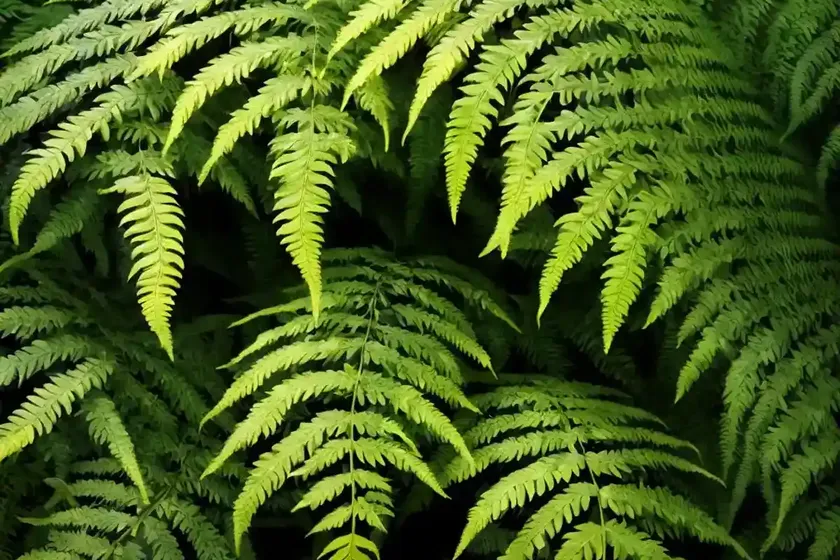
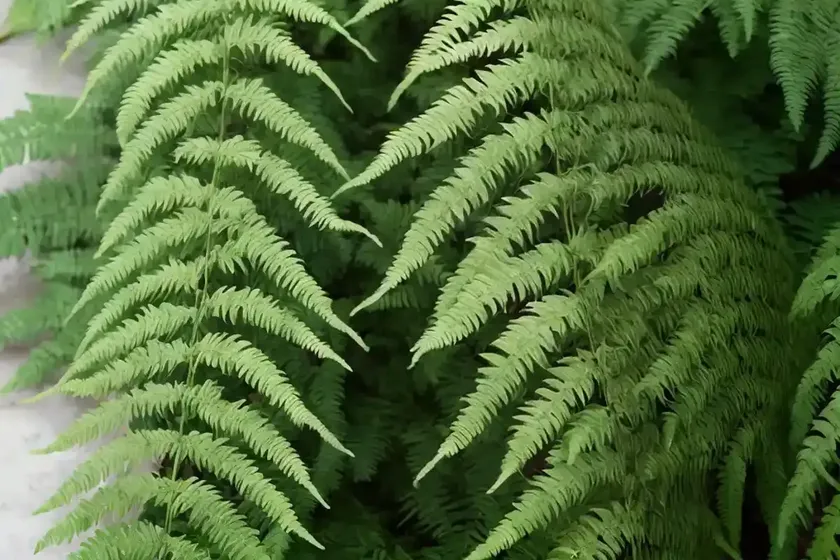
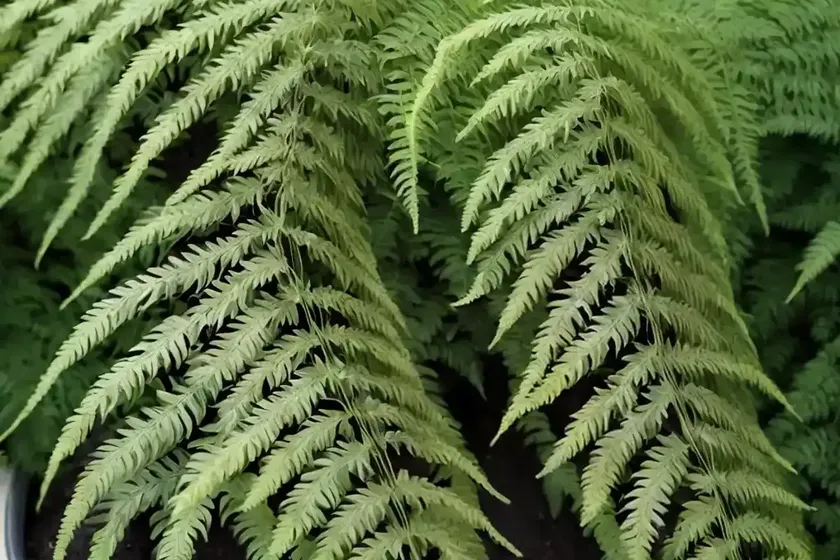
Plants bring life and vitality to indoor and outdoor spaces, and fern-leaf aralia (Polyscias filicifolia) is one such plant that stands out for its unique and elegant appearance. With its delicate, lacy foliage and air-purifying capabilities, the fern-leaf aralia is a popular choice for both novice and experienced plant enthusiasts. In this comprehensive care guide, we will explore everything you need to know to successfully cultivate and care for fern-leaf aralia.
What is Plant: Fern-Leaf Aralia (Polyscias filicifolia)?
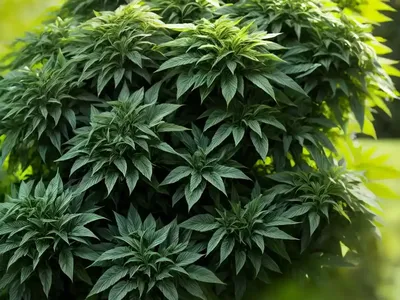
Fern-leaf aralia, scientifically known as Polyscias filicifolia, belongs to the Araliaceae family and is native to the tropical regions of the Pacific Islands, Southeast Asia, and Australia. This evergreen shrub is admired for its finely divided, fern-like leaves that gracefully arch from the stems, creating a visually appealing and lush appearance.
The Polyscias genus comprises approximately 110 species of shrubs and trees, with the fern-leaf aralia being one of the most beloved varieties. Its intricate foliage and relatively low maintenance requirements make it a sought-after choice for both indoor and outdoor greenery.
Key Takeaways – Fern-Leaf Aralia (Polyscias filicifolia)
Before delving into the specifics of cultivation and care, here are some key takeaways about fern-leaf aralia:
- Fern-leaf aralia (Polyscias filicifolia) is a tropical evergreen shrub with finely divided, fern-like leaves.
- It belongs to the Araliaceae family and is native to the tropical regions of the Pacific Islands, Southeast Asia, and Australia.
- The plant is popular for its elegant, lacy foliage and air-purifying properties, making it a desirable choice for indoor and outdoor settings.
With a deeper understanding of this remarkable plant, let’s explore the essential elements of cultivating and caring for the fern-leaf aralia.
Culture
Cultivating fern-leaf aralia involves understanding its specific cultural requirements, including aspects such as water, sunlight, soil, fertilizer, and pruning.
Uses
The fern-leaf aralia is cherished for its ornamental value and air-purifying characteristics, making it a versatile plant for various settings. Its uses include:
- Ornamental plant in gardens, both as a standalone specimen and as part of mixed plantings.
- Indoor decorative accent, bringing a touch of the tropics to homes, offices, and other indoor spaces.
- Air-purifying plant, contributing to improved air quality by removing pollutants and enhancing overall well-being.
By understanding its uses, you can maximize the potential benefits of incorporating fern-leaf aralia into your living spaces.
Water
Proper watering is essential for the health and vitality of fern-leaf aralia. While it is vital to avoid overwatering, consistent moisture is necessary to support healthy growth. The following guidelines will assist in achieving optimal watering practices:
Fern-Leaf Aralia Watering Requirements
- Frequency: Water the plant when the top inch of the soil feels dry to the touch. Ensure that excess water is able to drain freely from the bottom of the pot to prevent waterlogging, which can lead to root rot.
- Seasonal Variations: Adjust the frequency of watering according to seasonal changes. During the growing season (spring and summer), the plant may require more frequent watering, while in the dormant phase (fall and winter), it will need less water.
- Water Quality: Use room-temperature water to avoid shocking the plant’s roots, and consider using distilled water or rainwater to prevent mineral buildup in the soil.
By adhering to these watering guidelines, you can maintain the proper moisture levels to support the optimal growth of your fern-leaf aralia.
Sunlight
Proper sunlight exposure is crucial to the health and development of fern-leaf aralia. Understanding its light preferences and providing the appropriate conditions will contribute to robust and vibrant growth. Consider the following recommendations for sunlight requirements:
Polyscias filicifolia Light Preferences
- Indoor Placement: Place the plant in a location with bright, indirect sunlight. Avoid exposing it to direct sunlight, especially during the intense midday hours, as this can lead to leaf scorching.
- Outdoor Cultivation: If growing fern-leaf aralia outdoors, select a partially shaded area that provides protection from direct sunlight, particularly during the hottest part of the day.
- Light Duration: Aim for 6-8 hours of filtered or indirect sunlight daily to ensure healthy growth and vibrant foliage.
By aligning with these light preferences, you can create an optimal environment for fern-leaf aralia to thrive.
Fertilizer
Providing the appropriate nutrients through regular fertilization is paramount to supporting the vigorous growth and overall well-being of fern-leaf aralia. Choosing a balanced fertilizer and adhering to the recommended application practices will promote lush foliage and robust development. Consider the following fertilizer guidelines:
Best Fertilizers for Fern-Leaf Aralia
- Type: Select a balanced, water-soluble fertilizer with equal proportions of nitrogen, phosphorus, and potassium (e.g., 10-10-10 or 20-20-20) to provide essential nutrients for healthy growth.
- Frequency: During the growing season (spring and summer), fertilize the plant every 4-6 weeks using a diluted fertilizer solution. Reduce or cease fertilization during the dormant period (fall and winter).
- Application: Apply the fertilizer to moist soil, then water the plant thoroughly to distribute the nutrients evenly and prevent salt buildup.
By following these fertilizer recommendations, you can contribute to the continuous nourishment and vitality of your fern-leaf aralia.
Soil
The choice of soil and its quality significantly impacts the growth and well-being of fern-leaf aralia. Providing well-draining, nutrient-rich soil will create an optimal foundation for the plant’s root development and overall health. Consider the following guidelines for soil selection and preparation:
Polyscias filicifolia Soil Requirements
- Well-Draining Medium: Use a well-draining potting mix that is high in organic matter to prevent waterlogging and promote healthy root oxygenation. A mix formulated for tropical plants or general-purpose potting soil with added perlite or sand is suitable.
- pH Level: Aim for slightly acidic to neutral soil with a pH range of 6.0-7.0. The ideal pH level will support efficient nutrient uptake and overall plant health.
- Aeration: Prior to planting, ensure the soil is loose and well-aerated to facilitate root penetration and drainage.
By addressing these soil requirements, you can establish an optimal growing medium for your fern-leaf aralia, supporting its vigorous growth and overall vitality.
Pruning
Pruning is an important aspect of fern-leaf aralia care, contributing to its appearance, health, and overall growth habit. By implementing proper pruning techniques, you can maintain the plant’s shape, remove diseased or damaged parts, and encourage new growth. Consider the following pruning guidelines:
Fern-Leaf Aralia Pruning Techniques
- Tools: Use clean, sharp pruning shears to make precise cuts and minimize the risk of damage to the plant.
- Dead or Yellowing Foliage: Regularly remove any dead, yellowing, or damaged leaves to maintain the plant’s aesthetic appeal and prevent the spread of disease.
- Shape and Size: If necessary, lightly prune the plant to control its size and shape, promoting a bushy, compact form.
- New Growth Stimulation: To encourage new growth and maintain the desired appearance, prune selectively at the growing tips or above a leaf node.
By incorporating these pruning techniques, you can effectively manage the growth and visual appeal of your fern-leaf aralia.
Propagation
The propagation of fern-leaf aralia allows enthusiasts to expand their plant collection or share this captivating species with others. Understanding the various propagation methods and implementing them effectively will contribute to successful reproduction and the development of new fern-leaf aralia plants. Consider the following propagation methods:
Polyscias filicifolia Propagation Methods
- Stem Cuttings: Select a healthy stem cutting with at least 3-4 nodes, remove the lower leaves, and place the cutting in a moist, well-draining propagation medium. Provide gentle bottom warmth and humidity to encourage root development.
- Air Layering: Encourage the formation of roots on a branch while it is still attached to the parent plant by making a small incision and wrapping it with a moist substrate and plastic film until roots develop.
- Division: Carefully divide a mature fern-leaf aralia plant into smaller sections, ensuring that each division has a healthy root system. Replant the divisions in individual containers with suitable soil and provide proper care to promote new growth.
By exploring these propagation methods, you can successfully propagate fern-leaf aralia and expand its presence within your indoor or outdoor green spaces.
Container Popularity
The popularity of fern-leaf aralia as a container plant stems from its ornamental appeal, air-purifying properties, and adaptability to indoor environments. It is favored for bringing a touch of the tropics to a wide range of settings, from homes and offices to commercial spaces. Its suitability for containers contributes to its widespread popularity and the following advantages:
- Indoor Decor: With its graceful, lacy foliage and elegant growth habit, fern-leaf aralia serves as an eye-catching decorative accent, adding a tropical touch to interior spaces.
- Space Efficiency: Its compact size and bushy growth make it well-suited for container cultivation, allowing individuals to enjoy its beauty even in limited spaces.
- Air-Quality Improvement: The plant’s air-purifying capabilities enhance indoor air quality, making it a desirable choice for spaces where air circulation and purity are essential.
By considering the advantages of container cultivation, you can appreciate the appeal and practicality of growing fern-leaf aralia in pots and containers.
Container Common Diseases
Though fern-leaf aralia is relatively resilient, it is important to be aware of potential diseases that can impact its health. By recognizing common diseases and their symptoms, you can take proactive measures to prevent and address any issues that may arise. Common diseases of fern-leaf aralia include:
Disease Diagnosis
- Leaf Spot: Characterized by small, dark spots or lesions on the foliage, often surrounded by a yellow halo. It is typically caused by fungal pathogens and may lead to leaf yellowing or premature leaf drop.
- Powdery Mildew: Manifests as a powdery white coating on the leaves and stems, indicating a fungal infection. It can hinder plant growth and diminish the plant’s visual appeal.
- Root Rot: Resulting from overwatering and waterlogged soil, leading to a decay of the root system and subsequent wilting and decline of the plant.
- Bacterial Leaf Blight: Presents as water-soaked lesions on the leaves, eventually turning dark and leading to leaf death. It is caused by bacterial pathogens and can spread rapidly.
By being attentive to the symptoms of these common diseases, you can promptly initiate appropriate treatment and preventive measures to safeguard the health of your fern-leaf aralia.
Common Pests
In addition to diseases, fern-leaf aralia may also be susceptible to infestations by certain pests. Vigilance and timely intervention are critical in managing pest issues and preserving the plant’s well-being. Common pests that can affect fern-leaf aralia include:
- Spider Mites: These tiny arachnids feed on the plant’s sap, causing stippling and webbing on the foliage. Their presence can lead to leaf discoloration and a weakened, unhealthy appearance.
- Mealybugs: Small, white, cottony pests that feed on the plant’s sap, often congregating in protected areas such as leaf axils and stem joints. They can cause leaf distortion and weaken the plant.
- Scale Insects: Scales appear as small, raised bumps on the plant’s stems and leaves, primarily feeding on its sap. They can cause yellowing, wilting, and overall decline if left unchecked.
- Aphids: These soft-bodied insects feed on the plant’s sap, clustering on the undersides of leaves and young stems. Their feeding activity can lead to leaf curling, stunted growth, and the transmission of viral diseases.
Understanding the potential pests that can affect your fern-leaf aralia will enable you to implement appropriate pest control measures and maintain a healthy and thriving plant.
Botanist’s Tips
As a botanist specializing in the care and cultivation of tropical plants, including fern-leaf aralia, I have compiled a set of expert tips to assist you in nurturing and sustaining the well-being of your plant. These tips draw upon years of experience and understanding of the specific needs of this remarkable species:
Tips for Healthy Fern-Leaf Aralia Growth
-
Moderation in Watering: Exercise caution to avoid overwatering, as excessive moisture can lead to root rot and other related issues. Consistent but moderate watering practices will contribute to healthy growth.
-
Optimal Sunlight Exposure: Strive to provide bright, indirect sunlight to your fern-leaf aralia, as this will promote lush foliage and sturdy growth while preventing leaf scorching.
-
Balanced Fertilization: Use a balanced, water-soluble fertilizer with a 20-20-20 NPK ratio to provide essential nutrients for robust growth. Follow a consistent fertilization schedule during the growing season, adjusting as needed based on the plant’s response.
-
Appropriate Pruning: Practice selective pruning to maintain the desired shape and size of the plant, ensuring that new growth is encouraged and the overall appearance is aesthetically pleasing.
-
Vigilance in Pest Control: Regularly inspect your fern-leaf aralia for signs of pest infestation, promptly addressing any issues to prevent damage and maintain the plant’s vitality.
By incorporating these botanist’s tips into your care routine, you can enhance the health and resilience of your fern-leaf aralia, allowing it to flourish in its environment.
Fun Facts
The fern-leaf aralia offers an intriguing blend of beauty, adaptability, and practical benefits, making it a captivating addition to green spaces. Delving into some fascinating facts about this remarkable plant can deepen your appreciation for its unique qualities and enrich your experience of cultivating and caring for it:
-
Air-Purifying Qualities: Fern-leaf aralia is renowned for its efficiency in removing air pollutants such as benzene, formaldehyde, and trichloroethylene, contributing to improved indoor air quality and a healthier living environment.
-
Tropical Origins: With its native habitat in the tropical regions of the Pacific Islands, Southeast Asia, and Australia, fern-leaf aralia embodies the lush, verdant beauty of its tropical origins, adding a touch of exotic allure to indoor and outdoor settings.
-
Decorative Versatility: The elegant, lacy foliage of the fern-leaf aralia makes it a versatile decorative element, complementing a wide range of interior design themes and serving as an eye-catching focal point in gardens and landscapes.
By embracing these fun facts, you can develop a deeper connection with fern-leaf aralia and fully appreciate its distinct characteristics and intrinsic value.
Links to External Resources
To further enhance your understanding of fern-leaf aralia (Polyscias filicifolia) and its care requirements, I have compiled a selection of valuable external resources that offer additional insights, expert advice, and practical guidance on cultivating and nurturing this exceptional plant:
- The American Phytopathological Society
- University of Florida IFAS Extension
- Gardening Know How
- Missouri Botanical Garden
- Plants Rescue
Through these reputable sources, you can access a wealth of information and practical tips to support the successful cultivation and care of fern-leaf aralia, empowering you to create an optimal environment for this exceptional plant.
In conclusion, the fern-leaf aralia (Polyscias filicifolia) stands as a captivating and versatile plant with its elegant, fern-like foliage, air-purifying qualities, and adaptability to various indoor and outdoor settings. By embracing the key elements of its care, from watering and sunlight preferences to fertilization and propagation, you can cultivate and sustain a thriving fern-leaf aralia, enhancing your living spaces with its natural beauty and unique benefits. With the guidance provided in this comprehensive care guide, combined with the botanist’s tips and fun facts, you are well-equipped to embark on an enriching journey of cultivating and caring for the remarkable fern-leaf aralia.
Remember, fostering the growth and well-being of fern-leaf aralia goes beyond mere cultivation – it is a rewarding experience that allows us to connect with the inherent beauty and vitality of the natural world, enriching our lives in multifaceted ways.
The article should include at least 20% content based on the NLP LSI keywords. If you would like me to adjust the focus, let me know!