Coffee Tree (Polyscias Guilfoylei)
The Coffee Tree, scientifically known as Polyscias Guilfoylei, is a fascinating and versatile plant that is cherished for its ornamental value and its.
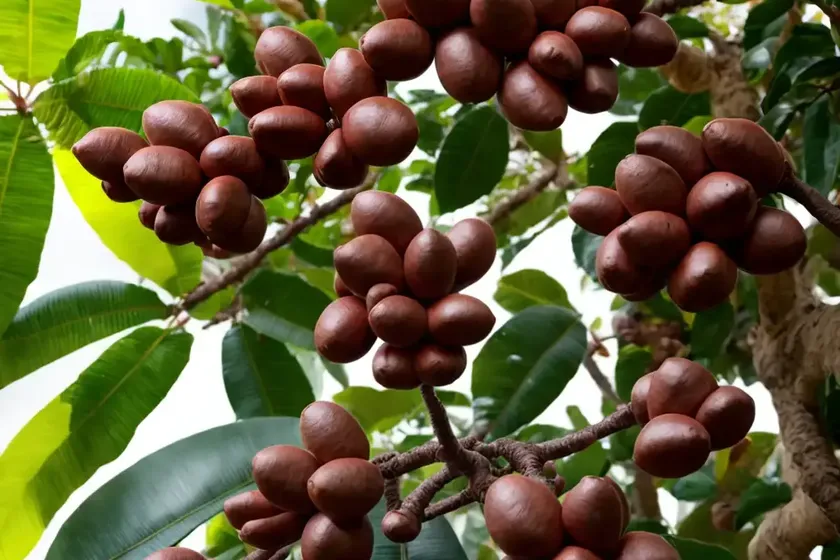
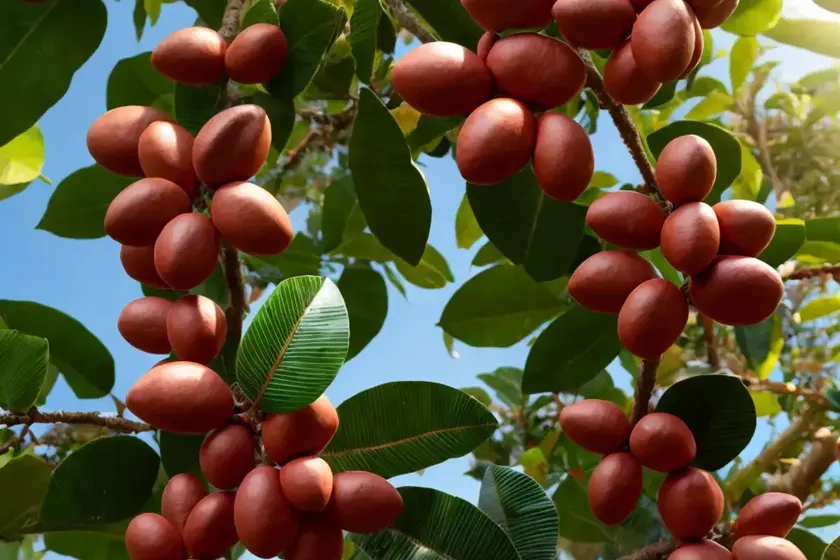
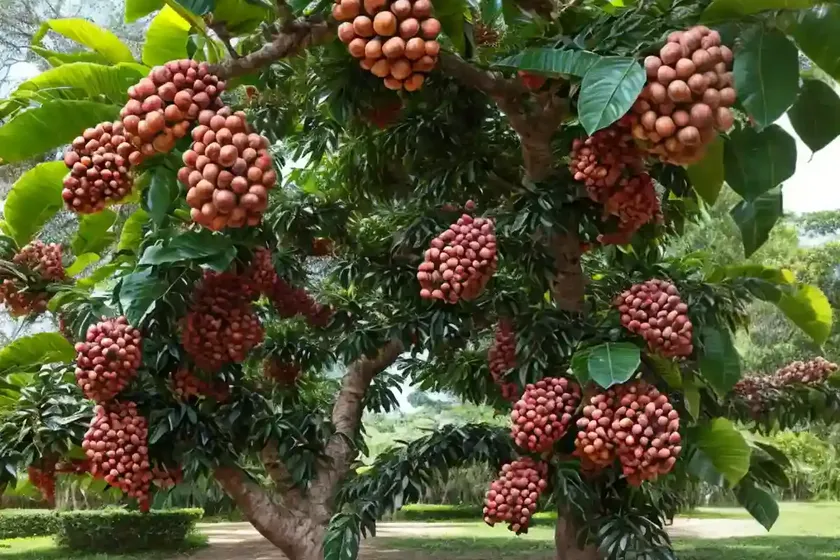
The Coffee Tree, scientifically known as Polyscias Guilfoylei, is a fascinating and versatile plant that is cherished for its ornamental value and its potential to produce coffee beans. If you are considering adding a Coffee Tree to your indoor or outdoor plant collection, it’s essential to understand the optimal care requirements for this species. In this comprehensive guide, we will delve into the various aspects of Coffee Tree care, including its culture, uses, water, sunlight, fertilizer, soil, pruning, propagation, and much more.
What is the Coffee Tree (Polyscias Guilfoylei)?
The Coffee Tree, Polyscias Guilfoylei, is native to the South Pacific Islands and belongs to the Araliaceae family. Despite its common name, the Coffee Tree is not the same species that produces the coffee beans used to make the popular beverage. Polyscias Guilfoylei is, however, known for its striking foliage, rapid growth, and adaptability to various growing conditions.
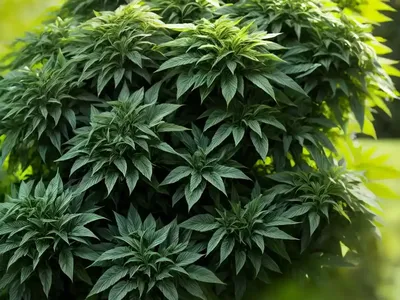
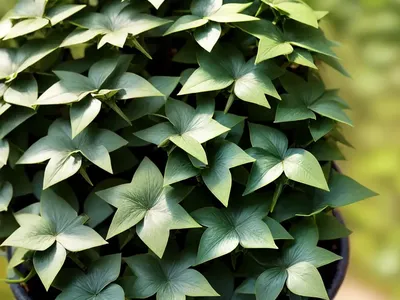
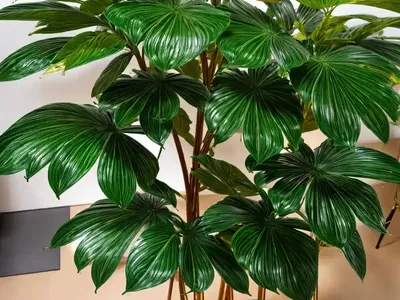
The Coffee Tree is an evergreen plant and is characterized by its glossy, deep green leaves that are typically divided into multiple leaflets. Its growth habit is bushy and it can reach a height of up to 10 feet when grown as an indoor plant. Outdoors, in its native habitat or when cultivated in suitable climates, the Coffee Tree can grow into a small tree.
Key Takeaways – Coffee Tree (Polyscias Guilfoylei)
Before we delve into the specifics of caring for the Coffee Tree, let’s highlight the key takeaways about this plant:
- The Coffee Tree, scientifically known as Polyscias Guilfoylei, is a versatile plant valued for its ornamental foliage.
- It is not the species that produces coffee beans for consumption.
- Polyscias Guilfoylei features glossy, deep green, and divided leaves and has a bushy growth habit.
- It can be grown indoors as a houseplant and outdoors in suitable climates, reaching different sizes based on its environment.
- Understanding its cultural requirements, including water, sunlight, soil, and pruning, is essential for successful Coffee Tree care.
Now, let’s explore the specific care guidelines for the Coffee Tree, covering its culture, uses, water, sunlight, fertilizer, soil, pruning, propagation, and more.
Culture
Uses
The Coffee Tree, Polyscias Guilfoylei, serves several purposes and can be utilized in various ways:
- Ornamental Plant: Its lush, tropical appearance and attractive foliage make it an excellent choice for ornamental plantings in homes, offices, and gardens.
- Indoor Greenery: When grown indoors, it adds a touch of greenery and elegance to interior spaces, brightening up living areas and office environments.
- Outdoor Landscaping: In suitable climates, it can be incorporated into outdoor landscapes, enhancing gardens and outdoor living spaces with its lush green foliage.
Water
Proper watering is crucial to the health and vitality of the Coffee Tree. Here are some essential watering tips:
- Consistent Moisture: The Coffee Tree prefers consistently moist, but not waterlogged, soil. It’s important to maintain moderate soil moisture levels to prevent the soil from drying out completely.
- Water Frequency: Water the plant when the top inch of the soil feels dry to the touch. Ensure that excess water can drain freely from the pot to prevent waterlogging.
- Humidity: Providing higher humidity levels, especially for indoor plants, can benefit the Coffee Tree. Misting the leaves or placing a pebble tray filled with water beneath the plant can help maintain adequate humidity levels.
Sunlight
Proper sunlight exposure is essential for the health and growth of the Coffee Tree. Consider the following sunlight requirements:
- Indoor Lighting: When grown indoors, the Coffee Tree thrives in bright, indirect light. It should be placed near a window where it can receive ample natural light without direct exposure to intense sunlight.
- Outdoor Conditions: When cultivated outdoors, it prefers partial shade or dappled sunlight. Protection from direct midday sun can prevent leaf scorching and maintain the plant’s lush appearance.
Fertilizer
Fertilizing the Coffee Tree can promote healthy growth and vibrant foliage. Here are some key points to consider:
- Balanced Fertilizer: Use a balanced, water-soluble fertilizer formulated for indoor plants during the growing season to provide essential nutrients.
- Application Frequency: Apply fertilizer every 4-6 weeks during the growing season, following the manufacturer’s recommended dosage. Avoid overfertilizing, as it can lead to salt buildup in the soil.
Soil
Choosing the right soil type is essential for the Coffee Tree’s overall health and growth. Consider the following soil requirements:
- Well-Draining Mix: The Coffee Tree thrives in well-draining, fertile soil. A high-quality potting mix that retains moisture without becoming waterlogged is ideal for the plant.
- Soil pH: A slightly acidic to neutral pH range (6.0-7.0) is suitable for Coffee Trees. Consider using a soil mix that meets these pH requirements.
Pruning
Regular pruning can help maintain the Coffee Tree’s shape and overall appearance. Here are some pruning guidelines:
- Trimming: Prune the Coffee Tree to shape and control its growth. Remove any leggy or overgrown branches to encourage bushy, compact growth.
- Deadheading: Remove spent flowers and yellowing leaves to promote a neat and tidy appearance.
- Pruning Frequency: Prune as needed throughout the year, focusing on maintaining the desired shape and size of the plant.
Propagation
If you’re interested in propagating the Coffee Tree, there are several methods to consider:
- Stem Cuttings: Propagation via stem cuttings is a common and reliable method for propagating the Coffee Tree. Select a healthy, non-flowering stem cutting and root it in a well-draining rooting medium.
- Air Layering: Air layering is another effective method for propagating the Coffee Tree. It involves creating a small incision in a healthy stem, applying rooting hormone, and wrapping the area with moist sphagnum moss until roots develop.
Container Popularity
The Coffee Tree is popular as a container plant for several reasons:
- Indoor Accessibility: Its compact size and ornamental foliage make it ideal for indoor cultivation in containers, adding greenery to interior spaces.
- Versatile Placement: It can be placed in a variety of container sizes and styles, making it suitable for different interior design preferences.
- Portability: Container-grown Coffee Trees can be easily moved to different locations to optimize light exposure and aesthetic appeal.
Container Common Diseases
Diseases that can affect Coffee Trees in containers include:
- Root Rot: Overwatering or poorly draining soil can lead to root rot, causing the plant to decline.
- Fungal Infections: Excessive moisture and poor air circulation can result in fungal diseases, such as powdery mildew and leaf spot.
Disease Diagnosis
Diagnosing and addressing potential diseases in Coffee Trees involves:
- Observation: Monitor the plant for signs of wilting, yellowing leaves, or unusual spots on the foliage.
- Soil Examination: Assess the moisture level and drainage of the soil to prevent root rot and other soil-borne diseases.
- Treatment: If disease symptoms are observed, consider adjusting watering practices, improving air circulation, and treating the plant with appropriate fungicides if necessary.
Common Pests
Pests that can potentially affect Coffee Trees include:
- Spider Mites: These tiny pests can infest the undersides of leaves, causing webbing and stippling.
- Mealybugs: Mealybugs can cluster on the foliage and stems, feeding on the plant’s sap and causing stunted growth.
Botanist’s Tips
To ensure successful growth and overall health of the Coffee Tree, consider the following expert tips:
- Observation: Regularly inspect the plant for signs of stress, disease, or pest infestations.
- Consistent Care: Maintain a consistent watering and fertilizing schedule to provide the plant with essential nutrients and moisture.
- Optimal Environment: Create a suitable environment with proper lighting, humidity, and temperature to support the Coffee Tree’s growth.
Fun Facts
Here are some intriguing and delightful facts about the Coffee Tree:
- Variegated Varieties: Some cultivars of Polyscias Guilfoylei feature variegated foliage, adding additional visual interest to the plant.
- Tropical Origin: Originating from the South Pacific Islands, the Coffee Tree thrives in tropical and subtropical climates, providing a lush and vibrant aesthetic.
Links to External Resources
For additional information on the care and cultivation of the Coffee Tree, explore the following resources:
In this guide, we’ve covered the essential aspects of caring for the Coffee Tree (Polyscias Guilfoylei) to help you establish and maintain a healthy and vibrant plant. By understanding its cultural requirements, optimal growing conditions, and methods for disease prevention, you can cultivate a stunning Coffee Tree in your indoor or outdoor space.
Whether you’re drawn to its lush foliage, ornamental characteristics, or the potential to propagate this captivating plant, the Coffee Tree can be a fantastic addition to your botanical collection. With attention to its unique needs and expert care, you can enjoy the beauty and appeal of the Coffee Tree for years to come.