Aquilegia Vulgaris ‘Clementine Red’ (Columbine)
Aquilegia vulgaris ‘Clementine Red’, commonly known as Columbine, is an exquisite flowering plant that graces gardens with its vibrant blooms. With its.
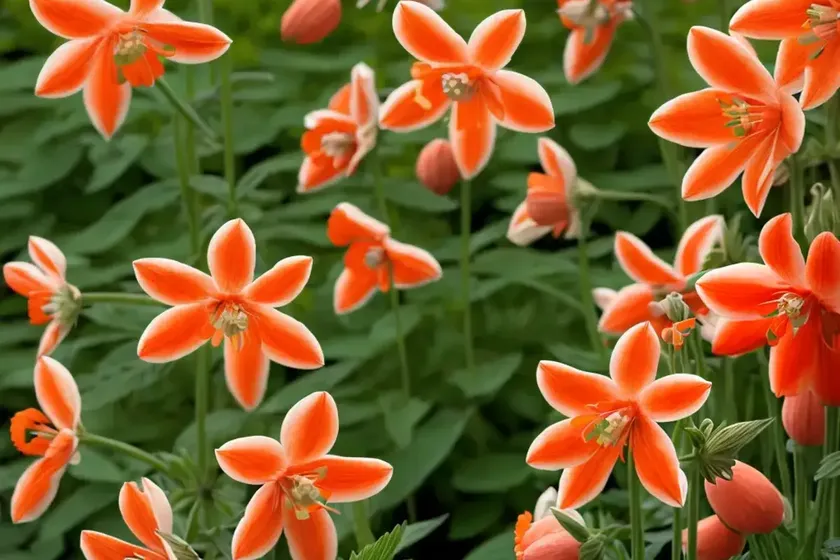
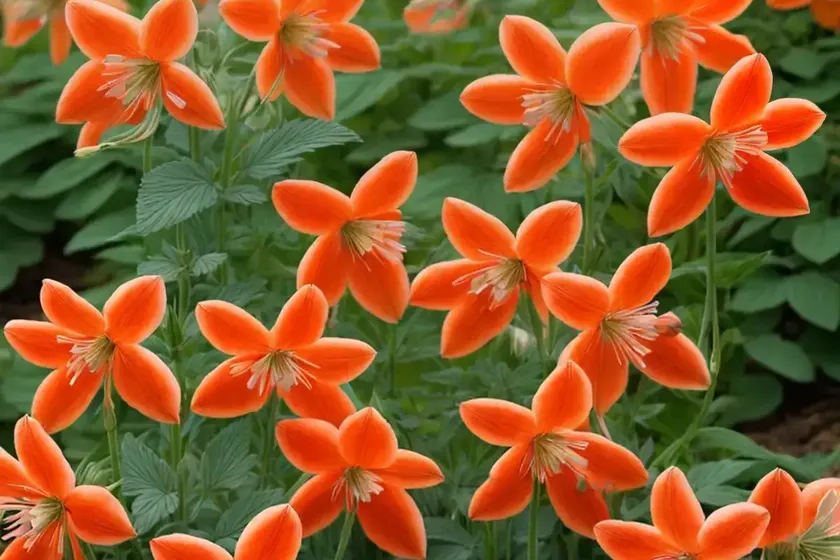
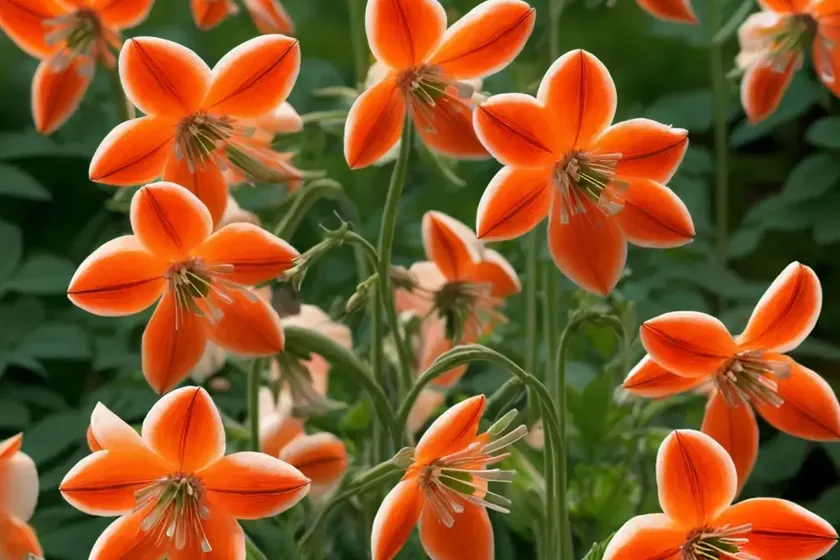
Aquilegia vulgaris ‘Clementine Red’, commonly known as Columbine, is an exquisite flowering plant that graces gardens with its vibrant blooms. With its unique charm and ease of care, ‘Clementine Red’ has become a favorite among gardeners. In this comprehensive guide, we will explore all aspects of caring for and cultivating this stunning plant.
What is Aquilegia vulgaris ‘Clementine Red’?
Aquilegia vulgaris ‘Clementine Red’ is a herbaceous perennial plant belonging to the Ranunculaceae family, which is also known as the buttercup family. This striking plant is native to Europe and is celebrated for its delicate, bell-shaped flowers that come in a range of colors, including the captivating ‘Clementine Red’ variety.
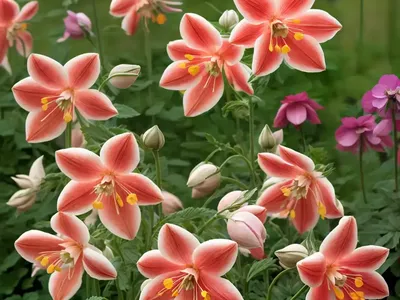
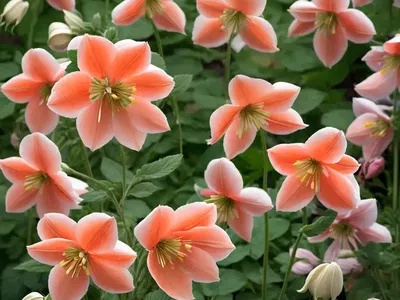
The ‘Clementine Red’ cultivar is particularly cherished for its vibrant red flowers, which add a stunning pop of color to any garden or landscape. This perennial’s graceful appearance and adaptability make it a sought-after choice for both beginner and seasoned gardeners.
Key Takeaways – Aquilegia vulgaris ‘Clementine Red’
Before delving into the specifics of caring for ‘Clementine Red’, here are the key takeaways you should keep in mind:
- Scientific Name: Aquilegia vulgaris ‘Clementine Red’
- Common Name: Columbine
- Family: Ranunculaceae
- Type: Herbaceous Perennial
- Bloom Color: Red
- Sunlight: Partial to Full Sun
- Watering: Moderate
- Soil Type: Well-draining, Rich
- Height: 18-24 inches
- Spread: 12-18 inches
Now, let’s explore how to ensure the thriving growth of this captivating plant.
Culture
Understanding the culture and specific requirements of Aquilegia vulgaris ‘Clementine Red’ is essential for maintaining its health and promoting optimum growth and flowering. Here’s a detailed overview of its cultural needs:
Uses
- Garden Ornamental: ‘Clementine Red’ is primarily grown for its ornamental value, making it an enchanting addition to flower beds, borders, and cottage gardens.
- Cut Flowers: The striking blooms of ‘Clementine Red’ make it an excellent choice for cut flower arrangements, adding a touch of elegance to indoor spaces.
Water
- Moderate Watering: Columbines prefer moderately moist soil. Water the plant regularly, especially during dry spells, to maintain consistent soil moisture. Ensure that the soil is well-draining to prevent waterlogging, which can be detrimental to the plant’s health.
- Avoid Overwatering: While ‘Clementine Red’ appreciates moisture, it’s important to avoid overwatering, as excessively wet conditions can lead to root rot and other issues.
Sunlight
- Partial to Full Sun: ‘Clementine Red’ thrives in partial to full sun exposure. Plant it in an area that receives at least 4-6 hours of sunlight per day for the best flowering performance.
Fertilizer
- Balanced Fertilizer: Feed ‘Clementine Red’ with a balanced, all-purpose fertilizer in early spring to support healthy growth and prolific flowering. Follow the manufacturer’s recommendations for application rates and frequency.
Soil
- Well-Draining Soil: Columbines prefer well-draining, fertile soil. Amend the soil with organic matter such as compost or well-rotted manure to improve its texture and nutrient content.
- pH Level: The ideal soil pH for ‘Clementine Red’ is slightly acidic to neutral (pH 6.0-7.0).
Pruning
- Deadheading: Regular deadheading of spent blooms can prolong the flowering period and encourage the development of new blooms. Remove faded flowers as soon as they wilt to promote continuous flowering.
Propagation
- Seed Propagation: Columbines can be propagated from seeds. Collect ripe seeds from the plant and sow them in a prepared seedbed or containers. Keep the soil evenly moist until the seedlings emerge.
- Division: ‘Clementine Red’ can also be propagated through division. Divide established clumps in early spring to create new plants.
Container Popularity
- Container Gardening: ‘Clementine Red’ is well-suited for container gardening, making it an excellent choice for patio gardens, balconies, and other small spaces. Ensure that the containers have drainage holes to prevent waterlogging.
Common Diseases
While Aquilegia vulgaris ‘Clementine Red’ is relatively resistant to most diseases, it can still be susceptible to certain issues under unfavorable conditions. Understanding these common diseases and their management is crucial for maintaining the plant’s health. Here are some prevalent diseases to watch out for:
Disease Diagnosis
-
Powdery Mildew: This fungal disease can affect Columbine plants, causing a powdery white coating on the leaves. To manage powdery mildew, ensure good air circulation around the plants and avoid overhead watering. Fungicidal treatments may be necessary in severe cases.
-
Leaf Spot: Leaf spot diseases, caused by various fungal pathogens, can lead to the development of dark spots on the foliage. Remove and destroy affected plant parts and avoid overhead watering to prevent the spread of leaf spot diseases.
-
Root Rot: Excessive soil moisture and poor drainage can predispose ‘Clementine Red’ to root rot. To prevent this, ensure well-draining soil and avoid overwatering.
Common Pests
Botanist’s Tips
- Aphids: These small, soft-bodied insects can infest Columbine plants, particularly new growth and flower buds. Control aphids by spraying the plants with a strong stream of water to dislodge the pests or use insecticidal soap for severe infestations.
- Columbine Sawfly: The larvae of sawflies can feed on Columbine foliage, causing damage to the leaves. Handpick and destroy the larvae as soon as they are noticed to prevent extensive defoliation.
Fun Facts
- The genus name Aquilegia is derived from the Latin word “aquila,” which means eagle, and refers to the spurs of the flower that resemble an eagle’s talons.
- Columbines are known for their intricate and elegant flowers, which are often described as resembling a cluster of small butterflies gathered together.
- ‘Clementine Red’ is a hybrid selection known for its vibrant red flowers and graceful appearance, making it a standout in garden settings.
Now that we have explored the key aspects of ‘Clementine Red’ care, it’s essential to provide additional resources for further reference and information.
Links to External Resources
Here are some valuable resources for additional information on Aquilegia vulgaris ‘Clementine Red’ and related topics:
- American Horticultural Society (AHS) – Aquilegia: A Plant for Every Garden
- Royal Horticultural Society (RHS) – Growing Columbines
- University of Minnesota Extension – Columbine in the Garden
- Missouri Botanical Garden – Aquilegia vulgaris ‘Clementine Red’ Plant Profile
These resources offer a wealth of information on ‘Clementine Red’ care, cultivation, and related horticultural topics, providing an in-depth understanding of this captivating plant.
In conclusion, Aquilegia vulgaris ‘Clementine Red’ (Columbine) is a charming and resilient perennial that captivates with its vibrant red blossoms and graceful foliage. With proper care and attention to its cultural requirements, ‘Clementine Red’ can thrive in various garden settings, adding a touch of elegance and color. Whether grown in flower beds, containers, or cut flower gardens, this captivating plant is sure to delight gardeners and admirers alike.
Remember to share this guide with fellow gardeners and enthusiasts to spread the joy of growing and caring for Aquilegia vulgaris ‘Clementine Red’.
Happy gardening!
Additional References:
- Hessayon, D.G. (2003). The Flower Expert. Transworld Publishers.
- Armitage, A.M. (2001). Armitage’s Manual of Annuals, Biennials, and Half-Hardy Perennials. Timber Press.