Aquilegia Vulgaris Var. Stellata ‘Black Barlow’ (Columbine)
Plants are a fascinating aspect of the natural world, providing beauty and functionality to our surroundings. With a diverse range of species, each plant.
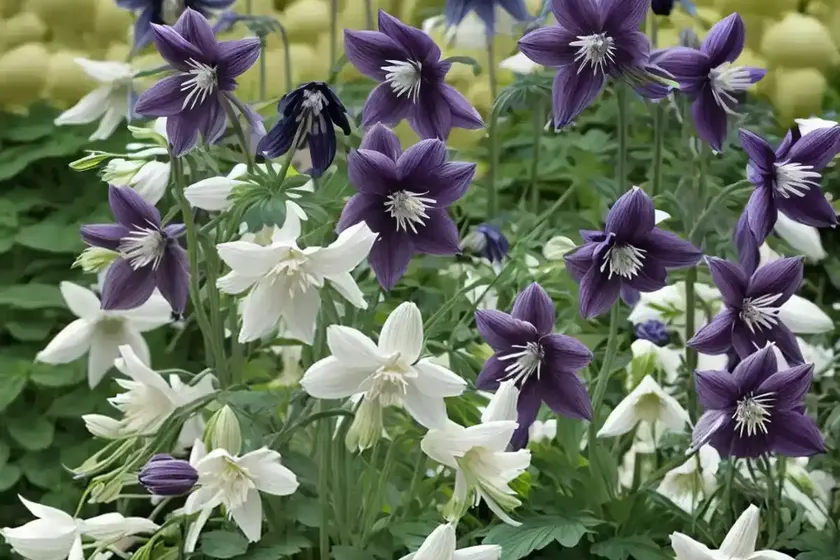
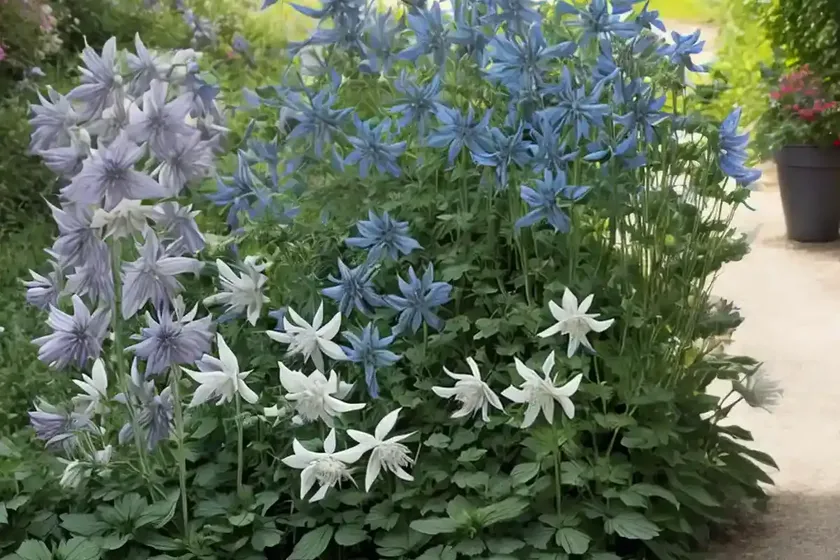
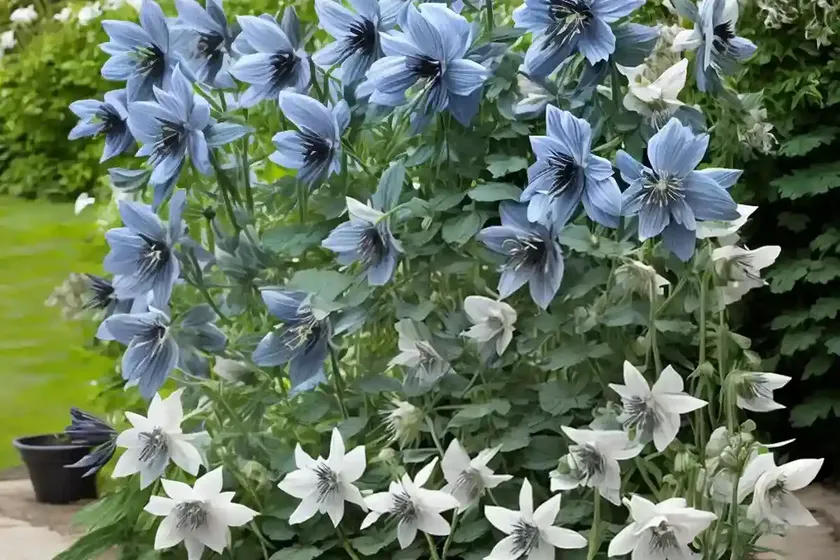
Plants are a fascinating aspect of the natural world, providing beauty and functionality to our surroundings. With a diverse range of species, each plant offers unique characteristics and qualities, making them essential for various ecological and ornamental purposes. In this comprehensive guide, we will delve into the world of Aquilegia vulgaris var. stellata ‘Black Barlow’, commonly known as Columbine. We will explore its cultural significance, uses, cultivation requirements, and essential care tips to help you appreciate and grow this remarkable plant successfully.
What is Aquilegia vulgaris var. stellata ‘Black Barlow’ (Columbine)?
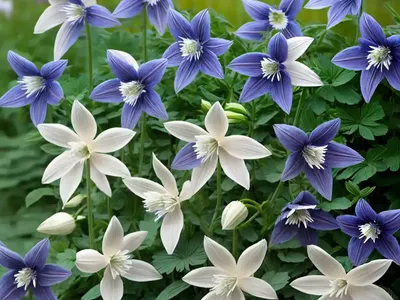
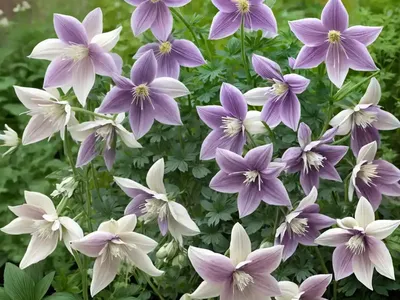
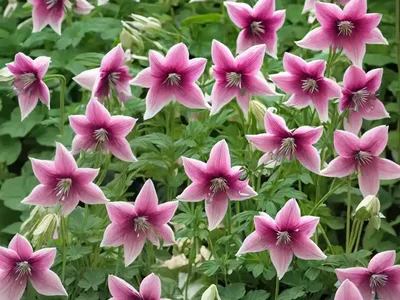
Aquilegia vulgaris var. stellata ‘Black Barlow’ is a striking perennial plant known for its unique, deep purple, fully double flowers. Belonging to the Ranunculaceae family, it is a treasured addition to gardens, landscapes, and natural habitats. The intricate flower structure and vibrant hues make the ‘Black Barlow’ variety particularly sought after by gardeners and admirers of botanical beauty.
The plant features delicate, lacy foliage and produces long-lasting, nodding blooms that add a touch of elegance to any setting. Its graceful appearance and adaptability make it a popular choice for various garden styles, including cottage gardens, woodland settings, and mixed perennial borders.
Aquilegia vulgaris var. stellata ‘Black Barlow’ is an outstanding ornamental plant, offering not only aesthetic appeal but also serving as a vital nectar source for pollinators such as bees and butterflies. Its resilience and alluring blooms contribute to its desirability as an ornamental and ecological asset.
Key Takeaways – Aquilegia vulgaris var. stellata ‘Black Barlow’ (Columbine)
Before delving into the specific aspects of cultivation and care, let’s consolidate the key takeaways of Aquilegia vulgaris var. stellata ‘Black Barlow’, ensuring a comprehensive understanding of its significance and distinct characteristics.
- Scientific Name: Aquilegia vulgaris var. stellata ‘Black Barlow’
- Common Name: Columbine
- Family: Ranunculaceae
- Distinct Feature: Deep purple, fully double flowers
- Growth Habit: Perennial
- Attracts: Bees, butterflies, and other pollinators
- Ideal for: Cottage gardens, woodland settings, mixed perennial borders
Culture
Uses
Aquilegia vulgaris var. stellata ‘Black Barlow’ holds various cultural and practical uses, enriching both natural habitats and human environments. Understanding the diverse applications of this plant is essential for appreciating its value and potential contributions to different settings. Some of its primary uses include:
- Ornamental Purposes: The striking blooms and graceful foliage make Aquilegia vulgaris var. stellata ‘Black Barlow’ a prized ornamental plant, enhancing the visual appeal of gardens, landscapes, and floral arrangements.
- Ecological Significance: As a nectar-rich plant, it serves as a vital food source for pollinators, promoting biodiversity and ecosystem health.
- Botanical Interest: The unique flower structure and coloration of ‘Black Barlow’ columbine varieties have significant botanical and horticultural value, attracting enthusiasts and researchers interested in plant diversity and breeding.
Water
- Watering Frequency: Aquilegia vulgaris var. stellata ‘Black Barlow’ prefers moderate and consistent moisture levels. Water the plant deeply when the soil begins to dry out but avoid overwatering, which may lead to root rot.
Sunlight
- Sun Requirements: This variety of columbine thrives in partial shade to full sun, making it adaptable to various light conditions. However, providing some shade during the hottest part of the day can be beneficial, especially in regions with intense sunlight.
Fertilizer
- Fertilization Regimen: Apply a balanced, slow-release fertilizer in early spring to support healthy growth and abundant flowering. Additionally, amending the soil with organic matter can provide essential nutrients and enhance the soil structure, promoting optimal plant development.
Soil
- Soil Type: Well-draining, fertile soil is ideal for Aquilegia vulgaris var. stellata ‘Black Barlow’, with a slightly acidic to neutral pH range. Loamy or sandy soil with good aeration supports healthy root growth and prevents waterlogging.
Pruning
- Pruning Technique: Regular deadheading of spent blooms can prolong the flowering period and prevent self-seeding, if desired. Additionally, removing damaged or diseased foliage promotes overall plant health and aesthetics.
Propagation
- Propagation Method: ‘Black Barlow’ columbine can be propagated from seeds or divisions. Collect seeds from mature plants and sow them in prepared seed beds. Similarly, division of established clumps can yield new plants, which can be transplanted to desired locations.
Container Popularity
- Container Gardening: Aquilegia vulgaris var. stellata ‘Black Barlow’ is well-suited for container gardening, allowing individuals with limited garden space to enjoy its beauty on patios, balconies, or other outdoor areas. Selecting a breathable potting mix and providing adequate drainage are essential for successful container cultivation.
Common Diseases
- Potential Diseases: While ‘Black Barlow’ columbine is generally resilient, it may be susceptible to certain fungal diseases such as powdery mildew and leaf spot. Maintaining good air circulation, avoiding overhead watering, and promptly addressing any signs of disease can help mitigate these issues.
Disease Diagnosis
- Symptoms: Common symptoms of fungal diseases in Aquilegia vulgaris var. stellata ‘Black Barlow’ include white powdery patches on leaves (indicative of powdery mildew) and dark spots or lesions on foliage (indicative of leaf spot).
Common Pests
- Pest Risks: Aphids and spider mites are potential pests that may infest columbine plants, particularly in conditions of high humidity or insufficient airflow. Regular inspection and prompt intervention can prevent pest infestations from causing significant damage.
Botanist’s Tips
As a botanist, it is essential to appreciate the unique characteristics and requirements of Aquilegia vulgaris var. stellata ‘Black Barlow’ for successful cultivation and conservation. Incorporating the following tips into your approach can enhance your understanding and management of this captivating plant:
- Embrace Diversity: Explore the wide range of columbine varieties, including different colors, sizes, and forms, to appreciate the diverse beauty within the species and its potential for hybridization.
- Support Pollinators: Recognize the ecological significance of columbine as a valuable pollinator plant and promote its inclusion in garden designs aimed at supporting beneficial insects and wildlife.
- Monitor Environmental Conditions: Regularly assess soil moisture, light levels, and potential pest and disease pressures to ensure the plant’s optimal health and resilience in varying environmental conditions.
- Educate and Engage: Share your knowledge and enthusiasm for columbine with others, fostering a deeper appreciation for its botanical and aesthetic value while contributing to broader conservation and horticultural efforts.
Fun Facts
- Floral Nectar: The nectar of ‘Black Barlow’ columbine varieties is highly attractive to hummingbirds, adding to its ecological significance as a pollinator plant.
- Native Habitat: Aquilegia vulgaris var. stellata ‘Black Barlow’ is native to parts of Europe, where it can be found in woodlands, meadows, and other natural habitats, adding to its historical and ecological relevance.
- Historical Significance: Columbine flowers have been associated with various symbolic meanings and cultural representations, appearing in folklore, art, and literature throughout history.
Links to External Resources
For further information on Aquilegia vulgaris var. stellata ‘Black Barlow’ (Columbine) and related subjects, consider exploring the following external resources:
- Royal Horticultural Society: Aquilegia
- University of Vermont Department of Plant and Soil Science
- The American Horticultural Society
In conclusion, the enchanting allure and ecological significance of Aquilegia vulgaris var. stellata ‘Black Barlow’ make it a valuable addition to gardens, natural landscapes, and horticultural education. By understanding its unique characteristics, requirements, and cultural significance, we can further appreciate and promote the conservation and cultivation of this extraordinary plant. Whether as an ornamental centerpiece or a vital contributor to ecosystem health, ‘Black Barlow’ columbine continues to captivate and inspire enthusiasts and plant scientists alike.
Keywords: Aquilegia vulgaris ‘Black Barlow’, Columbine plant ‘Black Barlow’, Aquilegia vulgaris var. stellata ‘Black Barlow’, Black Barlow Columbine variety, Aquilegia vulgaris Black Barlow flowers, Columbine Black Barlow care tips, Black Barlow Columbine plant characteristics, Aquilegia vulgaris ‘Black Barlow’ growing guide, Columbine Black Barlow varieties, Black Barlow Columbine garden, Aquilegia vulgaris ‘Black Barlow’ planting instructions, Columbine ‘Black Barlow’ maintenance, Black Barlow Columbine species information, Aquilegia vulgaris var. stellata ‘Black Barlow’ care, Columbine ‘Black Barlow’ cultivation, Black Barlow Columbine seasonal requirements, Aquilegia vulgaris ‘Black Barlow’ flowering period, Columbine ‘Black Barlow’ soil preferences, Black Barlow Columbine sun exposure, Aquilegia vulgaris var. stellata ‘Black Barlow’ water needs, Columbine ‘Black Barlow’ pruning guide, Black Barlow Columbine disease prevention, Aquilegia vulgaris ‘Black Barlow’ pest control, Columbine ‘Black Barlow’ companion plants, Black Barlow Columbine landscaping ideas, Aquilegia vulgaris var. stellata ‘Black Barlow’ container gardening, Columbine ‘Black Barlow’ indoor cultivation, Black Barlow Columbine native habitat, Aquilegia vulgaris ‘Black Barlow’ garden design tips, Columbine ‘Black Barlow’ pollinators attractor, Black Barlow Columbine wildlife-friendly plant, Aquilegia vulgaris var. stellata ‘Black Barlow’ medicinal uses, Columbine ‘Black Barlow’ cut flower arrangements, Black Barlow Columbine dried flowers crafts, Aquilegia vulgaris ‘Black Barlow’ foliage characteristics, Columbine ‘Black Barlow’ unique features, Black Barlow Columbine plant family information, Aquilegia vulgaris var. stellata ‘Black Barlow’ propagation methods, Columbine ‘Black Barlow’ hybridization possibilities, Black Barlow Columbine container planting ideas, Aquilegia vulgaris ‘Black Barlow’ attractive garden borders, Columbine ‘Black Barlow’ rock garden choice, Black Barlow Columbine hardiness zone recommendations, Aquilegia vulgaris var. stellata ‘Black Barlow’ landscape plant, Columbine ‘Black Barlow’ shade garden inclusion, Black Barlow Columbine vertical gardening suggestions, Aquilegia vulgaris ‘Black Barlow’ coastal gardening plant, Columbine ‘Black Barlow’ urban gardening preference, Black Barlow Columbine low maintenance plant, Aquilegia vulgaris var. stellata ‘Black Barlow’ seasonal garden interest