Aquilegia Vulgaris (Columbine)
Aquilegia vulgaris, commonly known as Columbine, is a stunning flowering plant that attracts gardeners with its intricate and vibrant blooms. This guide.
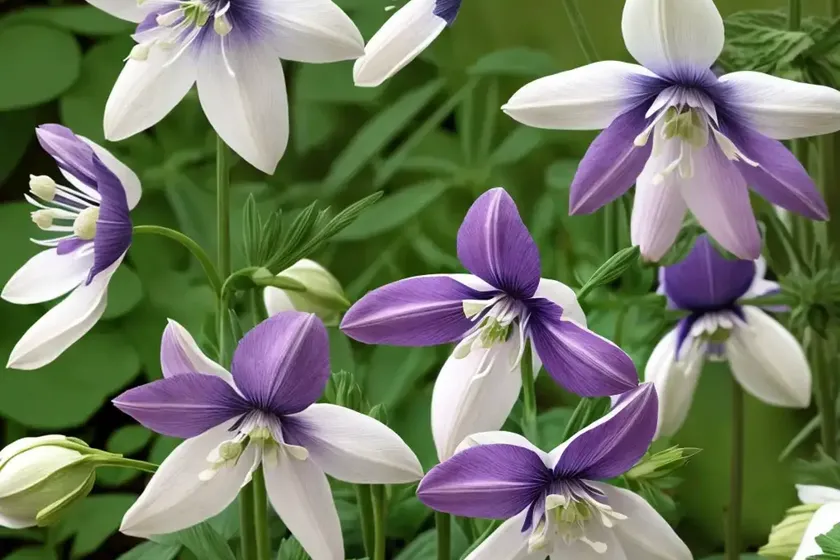
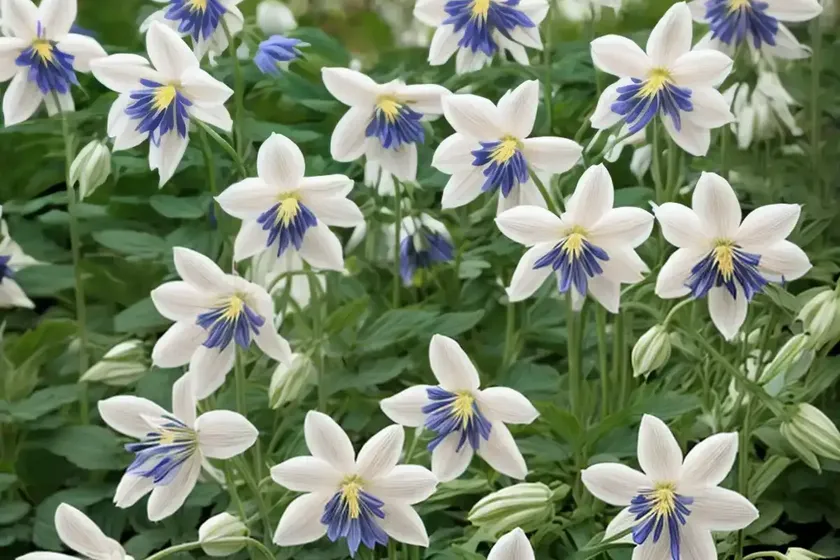
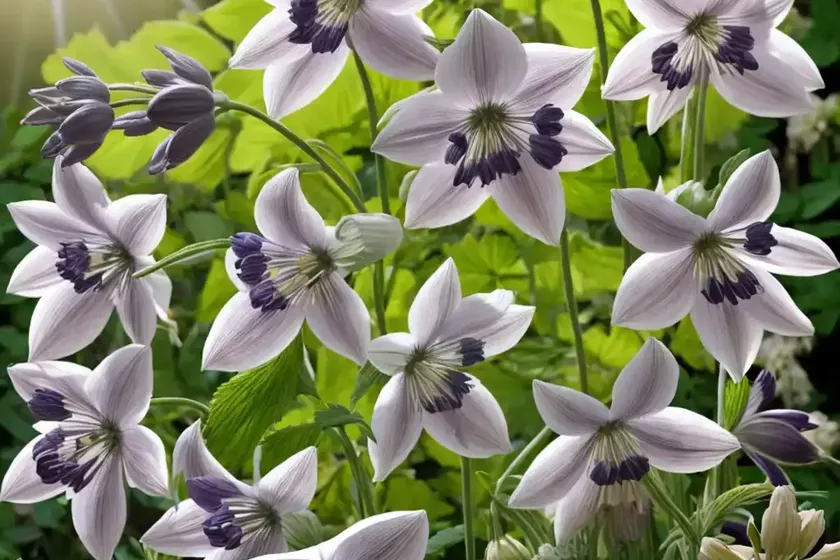
Aquilegia vulgaris, commonly known as Columbine, is a stunning flowering plant that attracts gardeners with its intricate and vibrant blooms. This guide aims to provide a comprehensive overview of Aquilegia vulgaris, touching upon its culture, uses, care requirements, propagation methods, common diseases, pests, and much more. Whether you are a seasoned gardener or a beginner, this guide will equip you with the necessary knowledge to cultivate and maintain Aquilegia vulgaris in your garden successfully.
What is Aquilegia vulgaris (Columbine)?
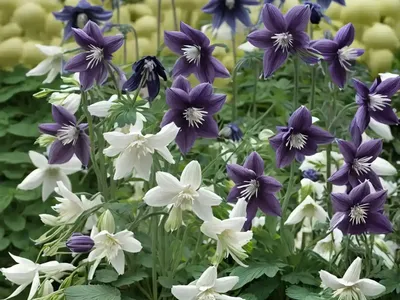
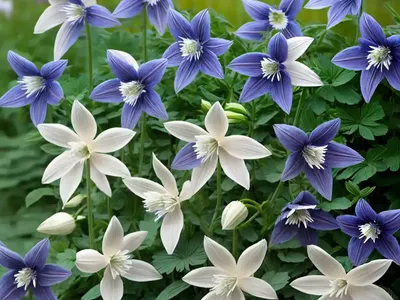
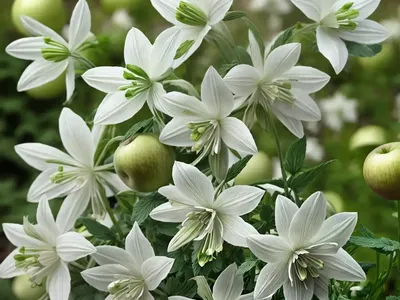
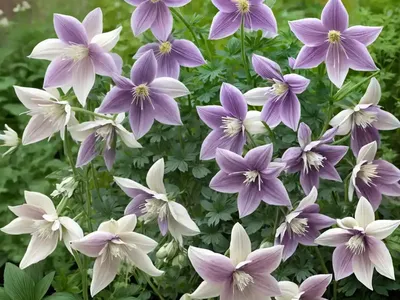
Aquilegia vulgaris, a member of the Ranunculaceae family, is a perennial flowering plant native to Europe. It is known for its distinct spurred petals and delicate appearance, making it a popular choice for ornamental gardens. The plant typically reaches a height of 60-80 cm and blooms in a range of colors, including white, pink, blue, purple, and yellow. The intricate shape of its flowers, resembling a cluster of hanging bells, adds a touch of elegance to any garden landscape.
Key Takeaways – Aquilegia vulgaris (Columbine)
Aquilegia vulgaris, also known as Columbine, is a versatile and visually stunning flowering plant that offers several key takeaways for gardeners. Whether you are considering planting Columbine in your garden or seeking to enhance your existing knowledge, the following key points will provide valuable insights into the plant’s characteristics and care requirements.
- Common Name: Columbine
- Scientific Name: Aquilegia vulgaris
- Family: Ranunculaceae
- Plant Type: Perennial
- Height: 60-80 cm
- Flower Colors: White, Pink, Blue, Purple, Yellow
- Distinct Features: Spurred petals, intricate bell-shaped flowers
- Attracts: Pollinators such as bees and butterflies
- Uses: Ornamental gardens, landscaping, cut flowers
Now that we have a brief understanding of Aquilegia vulgaris, let’s delve deeper into its culture, uses, and the specific care requirements for cultivating this enchanting plant.
Culture of Aquilegia vulgaris (Columbine)
Understanding the cultural requirements of Aquilegia vulgaris is crucial for creating an optimal environment for its growth and blooming. Cultivating this plant involves considering factors such as water, sunlight, soil, fertilizer, and pruning techniques. Let’s explore each of these elements in detail to gain a comprehensive understanding of the culture of Aquilegia vulgaris.
Water
Aquilegia vulgaris thrives in moderately moist soil, and it is essential to provide consistent watering, especially during dry periods. However, it is equally important to avoid waterlogging the soil, as excessive moisture can lead to root rot and other fungal diseases. Providing well-draining soil and watering the plant when the top inch of soil feels dry to the touch will support healthy growth and blooming.
Sunlight
While Aquilegia vulgaris appreciates full sun to partial shade, it tends to perform best in locations with partial shade, particularly during the hottest part of the day. In regions with intense summer heat, providing some dappled shade can prevent the plant from wilting and ensure that the delicate blooms remain vibrant throughout the season.
Fertilizer
When it comes to fertilizing Aquilegia vulgaris, a balanced, all-purpose fertilizer can be applied in early spring as new growth emerges. A slow-release fertilizer or organic compost can also be incorporated into the soil to provide essential nutrients for the plant’s development. However, it is crucial to follow the recommended application rates to prevent over-fertilization, which can damage the plant.
Soil
Aquilegia vulgaris thrives in well-draining, humus-rich soil with a slightly acidic to neutral pH. Amending the soil with organic matter such as compost or well-rotted manure can improve its texture and fertility, creating an ideal growing medium for the plant. Additionally, ensuring good soil aeration and avoiding compacted soil will support healthy root development and overall plant vigor.
Pruning
Pruning is an essential aspect of caring for Aquilegia vulgaris, particularly after the flowering period. Removing spent blooms and dead or damaged foliage can promote the plant’s overall health and encourage the development of new growth. Additionally, trimming back the plant in late summer can help control its size and shape, preventing it from becoming overly leggy or sprawling.
Now that we have explored the cultural requirements of Aquilegia vulgaris, let’s delve into its uses and the specific care guidelines for maintaining this captivating plant in a garden setting.
Uses of Aquilegia vulgaris (Columbine)
Aquilegia vulgaris, or Columbine, offers a range of uses within garden landscapes and floral arrangements, making it a versatile and sought-after plant for both ornamental and practical purposes. Understanding the various applications of this plant can inspire gardeners to incorporate it into their designs and care for it accordingly.
-
Ornamental Gardens: Aquilegia vulgaris serves as a charming addition to flower beds, borders, and cottage gardens, adding a touch of whimsy and elegance with its delicate blooms and unique foliage. Its versatility in terms of color and height makes it suitable for various garden styles and themes, from traditional to contemporary.
-
Landscaping: Columbine can be used to enhance the visual appeal of landscapes, particularly in naturalistic or woodland settings. Its graceful appearance and ability to attract pollinators make it a valuable asset in creating biodiverse and visually engaging outdoor spaces.
-
Cut Flowers: The long stems and intricate blooms of Aquilegia vulgaris make it a desirable cut flower for floral arrangements and bouquets. Its delicate appearance and range of colors add an enchanting touch to indoor floral displays, making it a popular choice for both casual and formal arrangements.
-
Wildlife Attraction: The nectar-rich flowers of Columbine attract pollinators such as bees, butterflies, and hummingbirds, contributing to the ecological balance of the garden. By planting Aquilegia vulgaris, gardeners can support local wildlife populations and foster a thriving, biodiverse environment.
Now that we have explored the uses of Aquilegia vulgaris in various settings, let’s move on to the specific care guidelines for ensuring its optimal growth and blooming, from propagation methods to disease management.
Care Guidelines for Aquilegia vulgaris (Columbine)
Caring for Aquilegia vulgaris involves understanding its specific requirements for water, sunlight, soil, and maintenance practices. By following these care guidelines, gardeners can ensure that their Columbine plants thrive and continue to enchant with their delicate and vibrant blooms.
Water
- Moderate Moisture: Provide consistent watering to keep the soil moderately moist, particularly during dry periods and the plant’s active growth phases.
- Avoid Waterlogging: Prevent waterlogging by ensuring well-draining soil and avoiding excessive irrigation, as this can lead to root rot and other moisture-related issues.
Sunlight
- Partial Shade: Position the plant in areas with partial shade, especially in regions with intense summer heat, to protect it from wilting and sun damage.
- Full Sun: In cooler climates, the plant can tolerate full sun, provided it receives sufficient moisture and is not exposed to prolonged periods of heat stress.
Soil
- Well-Draining Soil: Cultivate Aquilegia vulgaris in soil with good drainage to prevent waterlogging and promote healthy root development.
- Humus-Rich Medium: Amend the soil with organic matter such as compost to enhance its fertility and texture, creating an optimal growing environment for the plant.
Fertilizer
- Balanced Fertilization: Apply a balanced, all-purpose fertilizer in early spring to provide essential nutrients for the plant’s growth and development.
- Organic Amendments: Consider incorporating organic compost or well-rotted manure into the soil to enrich its fertility and support the long-term health of the plant.
Pruning
- Deadheading: Remove spent blooms to encourage the production of new flowers and prevent the plant from expending energy on seed production.
- Late Summer Pruning: Trim back the plant in late summer to control its size and shape, promoting a more compact and visually appealing growth habit.
Now that we have covered the essential care guidelines for Aquilegia vulgaris, let’s explore the propagation methods, common diseases, and pests that can affect this enchanting plant, along with strategies for maintaining its health and vigor.
Propagation of Aquilegia vulgaris (Columbine)
Propagating Aquilegia vulgaris allows gardeners to expand their plant collection and share the beauty of Columbine with others. There are several methods for propagating Columbine, including seed sowing, division, and root cuttings. Understanding these propagation techniques can empower gardeners to propagate Aquilegia vulgaris successfully and cultivate thriving new plants.
Seed Sowing
- Collecting Seeds: Harvest seeds from mature Aquilegia vulgaris plants once the seed pods have dried and turned brown. Ensure that the seeds are fully mature and have a viable, plump appearance.
- Sowing Depth: Sow the seeds at a shallow depth in well-draining, damp soil, and cover them lightly with a thin layer of fine soil or vermiculite.
- Germination Period: Keep the soil consistently moist and provide indirect light to facilitate germination, which typically occurs within 3-4 weeks.
- Transplanting Seedlings: Once the seedlings have developed several sets of true leaves, they can be carefully transplanted into individual containers or outdoor planting sites.
Division
- Spring Division: In early spring, carefully dig up mature Aquilegia vulgaris clumps, ensuring that the roots remain intact.
- Separating Clumps: Gently tease apart the clumps, dividing them into sections that contain healthy roots and shoots.
- Replanting Divisions: Replant the divided sections in prepared soil, ensuring that the roots are adequately spread out and the plants are positioned at the same depth as they were originally.
Root Cuttings
- Selecting Cuttings: Take root cuttings from healthy, well-established Aquilegia vulgaris plants during the dormant season, typically in late winter or early spring.
- Cutting Preparation: Cut the roots into sections approximately 2-3 inches in length, ensuring that each section has at least one bud or growing point.
- Planting Cuttings: Plant the root sections horizontally in a shallow trench filled with well-draining soil, covering them with a thin layer of soil and providing consistent moisture.
By utilizing these propagation methods, gardeners can propagate Aquilegia vulgaris and expand their collection of these enchanting plants. However, as with any cultivated plant, it is important to be aware of the common diseases and pests that can affect Columbine and take proactive measures to maintain its health and vigor.
Common Diseases of Aquilegia vulgaris (Columbine)
Aquilegia vulgaris, like many plants, is susceptible to certain diseases that can impact its growth and overall well-being if left unaddressed. Understanding the common diseases of Columbine and their associated symptoms empowers gardeners to implement preventive strategies and promptly address any signs of disease to protect their plants.
Disease Diagnosis
- Powdery Mildew: Characterized by a white, powdery substance on the leaves and stems, powdery mildew can weaken the plant and hinder its overall growth and blooming.
- Leaf Spot: Circular or irregular dark spots on the leaves indicate the presence of leaf spot disease, which can lead to leaf discoloration and premature defoliation.
- Botrytis Blight: Also known as grey mold, this fungal disease manifests as brown lesions on the leaves and stems, often accompanied by a fuzzy grey mold growth.
- Root Rot: Excessive moisture or poor drainage can lead to root rot, causing the plant to exhibit wilting, yellowing foliage, and stunted growth.
Disease Management
- Cultural Practices: Implement cultural practices such as adequate spacing between plants, proper watering techniques, and good air circulation to reduce the risk of fungal diseases.
- Sanitation: Remove and dispose of any affected plant material, including leaves and stems showing signs of disease, to prevent the spread of fungal spores.
- Fungicidal Treatments: In severe cases, consider using fungicidal treatments to address powdery mildew, leaf spot, and botrytis blight, following the manufacturer’s instructions for application and safety.
By identifying the common diseases of Aquilegia vulgaris and taking proactive measures to manage and prevent them, gardeners can maintain the health and visual appeal of their Columbine plants. In addition to diseases, certain pests can also pose a threat to the well-being of these enchanting flowering plants.
Common Pests Affecting Aquilegia vulgaris (Columbine)
From aphids and caterpillars to slugs and snails, various pests can target Aquilegia vulgaris and cause damage to its foliage, blooms, and overall vitality. Recognizing the signs of pest infestation and implementing targeted pest management strategies is essential for protecting Columbine plants from potential harm.
Pest Identification
- Aphids: These small, soft-bodied insects can cluster on the undersides of leaves and feed on plant sap, causing distorted growth and the development of sticky honeydew.
- Caterpillars: Certain caterpillar species may feed on the foliage of Aquilegia vulgaris, leading to visible damage such as chewed leaves and defoliation.
- Slugs and Snails: These mollusks are nocturnal feeders and can leave behind ragged holes and slime trails on the leaves and shoots of Columbine plants.
Pest Management
- Physical Removal: Handpick aphids, caterpillars, slugs, and snails from the plants and dispose of them to reduce their populations and minimize damage.
- Natural Predators: Encourage the presence of natural predators such as ladybugs, lacewings, and birds that feed on aphids and caterpillars, helping to control pest populations.
- Barriers and Traps: Use physical barriers and traps, such as copper tape or beer traps for slugs and snails, to deter and capture pests before they can cause significant harm to the plants.
By staying vigilant and implementing integrated pest management strategies, gardeners can safeguard Aquilegia vulgaris from detrimental pest infestations and preserve its aesthetic and ecological value. Additionally, understanding the specific needs of Columbine plants allows botanists and enthusiasts to provide tailored care and guidance for cultivating these enchanting flowering plants.
Botanist’s Tips for Cultivating Aquilegia vulgaris (Columbine)
As a plant scientist and enthusiast, it is essential to provide practical tips for successfully cultivating Aquilegia vulgaris and addressing the specific needs of this captivating plant. By sharing expert advice and insights, botanists can support gardeners in creating thriving environments for Columbine plants, ensuring their long-term health and blooming.
Botanist’s Tips
- Optimal Planting Location: Select a planting location with well-draining soil and partial shade, particularly in regions with intense summer heat, to create a favorable environment for Aquilegia vulgaris.
- Watering Practices: Monitor soil moisture and provide consistent, moderate watering to support the plant’s growth and prevent moisture-related issues such as root rot.
- Soil Preparation: Amend the soil with organic matter to enhance its fertility and texture, creating a nutrient-rich growing medium for Columbine plants.
- Integrated Pest Management: Implement proactive pest management strategies, including physical removal and natural predator encouragement, to protect Aquilegia vulgaris from potential pest damage.
- Disease Prevention: Maintain good air circulation, practice proper sanitation, and consider fungicidal treatments when necessary to prevent and address common fungal diseases affecting Columbine.
By offering these botanist’s tips, plant scientists and experienced gardeners can empower individuals to cultivate Aquilegia vulgaris successfully and appreciate the beauty and ecological value of this enchanting flowering plant.
Fun Facts About Aquilegia vulgaris (Columbine)
In addition to its visual appeal and practical uses, Aquilegia vulgaris possesses several fascinating attributes and folklore that add to its allure and cultural significance. Exploring these fun facts can deepen one’s appreciation for Columbine and enrich the gardening experience with a deeper understanding of this enchanting plant.
Fun Facts
- Symbolism: Columbine is often associated with notions of love, affection, and gratitude, making it a popular choice for symbolic floral arrangements and gifts.
- Hybridization: Aquilegia vulgaris readily hybridizes with other Columbine species, resulting in a diverse range of cultivars with unique colors and flower forms.
- Folklore and Mythology: Throughout history, Columbine has been featured in various folktales and myths, symbolizing different concepts and virtues across different cultures.
- Medicinal Uses: In traditional medicine, certain parts of Aquilegia vulgaris were used to treat skin conditions, digestive ailments, and other minor health issues.
- Wildlife Value: The nectar-rich flowers of Columbine attract pollinators such as bees and butterflies, contributing to the overall biodiversity and ecological balance of the garden.
These fun facts highlight the cultural, ecological, and historical significance of Aquilegia vulgaris, adding depth and intrigue to the experience of cultivating and admiring this enchanting flowering plant.
Links to External Resources
To further enhance the understanding and appreciation of Aquilegia vulgaris and its care, the following links to external resources can provide valuable insights, practical guidance, and additional information for botanists, gardeners, and plant enthusiasts.
Plant Name: “Aquilegia vulgaris (Columbine)”
- Royal Horticultural Society – Aquilegia vulgaris
- Missouri Botanical Garden – Aquilegia vulgaris
- University of Wisconsin-Madison Extension – Growing Columbines
- The Old Farmer’s Almanac – How to Grow Columbine
- Gardeners’ World – Columbines: How to Grow
By exploring these external resources, individuals can access comprehensive information, expert tips, and practical advice for cultivating, caring for, and appreciating Aquilegia vulgaris, enriching their knowledge and experience with this captivating flowering plant.
In conclusion, Aquilegia vulgaris, or Columbine, is a beloved perennial plant known for its delicate and intricate blooms, versatile uses, and charming aesthetic appeal. Understanding and implementing the specific care guidelines for this enchanting plant, from cultural requirements to pest management strategies, empowers gardeners to create thriving environments for Aquilegia vulgaris and appreciate its beauty and ecological contributions. By delving into its rich cultural symbolism, folklore, and practical applications, individuals can deepen their fascination with Columbine and cultivate a deeper appreciation for the natural world and its diverse botanical treasures.
As plant scientists, botanists, and enthusiasts, it is our privilege