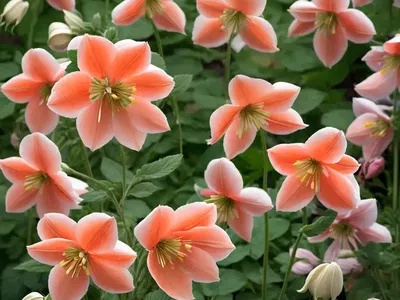
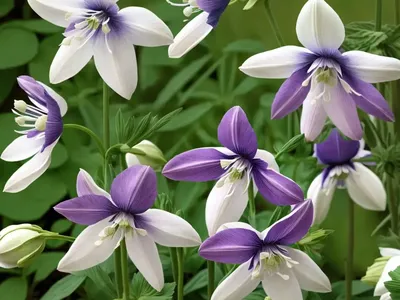
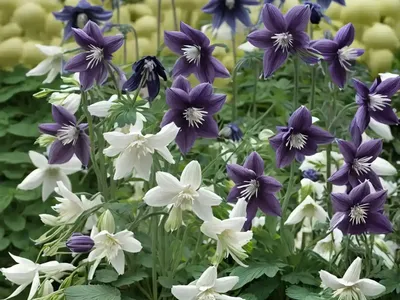
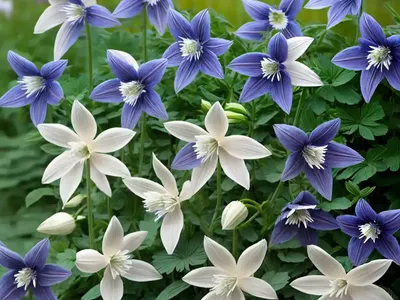
Aquilegia Vulgaris ‘Clementine Rose’ (Columbine)
Introduction to Aquilegia vulgaris ‘Clementine Rose’ Aquilegia vulgaris ‘Clementine Rose’, commonly known as columbine, is a stunning perennial plant that.
Introduction to Aquilegia vulgaris ‘Clementine Rose’
Aquilegia vulgaris ‘Clementine Rose’, commonly known as columbine, is a stunning perennial plant that belongs to the Ranunculaceae family. This beautiful flower boasts unique, bell-shaped blooms and is a popular choice among gardeners for its ornamental value. ‘Clementine Rose’ is a cultivated variety of the species Aquilegia vulgaris and is prized for its elegant, nodding flowers and attractive foliage.
In this comprehensive guide, we will explore the key aspects of caring for Aquilegia vulgaris ‘Clementine Rose’, including its cultural requirements, propagation methods, common pests and diseases, and much more. Whether you are a seasoned gardener or a beginner looking to add these charming flowers to your garden, this guide will provide you with all the essential information you need to cultivate and maintain this exquisite plant successfully.
So, let’s dive into the enchanting world of Aquilegia vulgaris ‘Clementine Rose’ and uncover the secrets to nurturing these captivating blooms in your own garden.
Key Takeaways – Aquilegia vulgaris ‘Clementine Rose’
Before we delve into the specifics of caring for Aquilegia vulgaris ‘Clementine Rose’, let’s take a quick look at the key takeaways that will be covered in this guide:
-
Culture: Understanding the ideal growing conditions and cultural requirements for ‘Clementine Rose’.
-
Uses: Exploring the various uses and applications of Aquilegia vulgaris ‘Clementine Rose’ in garden landscapes.
-
Water: Discussing the watering needs and best practices for maintaining optimal soil moisture.
-
Sunlight: Determining the sunlight requirements to ensure healthy growth and abundant flowering.
-
Fertilizer: Learning about the appropriate fertilization techniques for enhancing plant vigor and blooms.
-
Soil: Identifying the best soil types and compositions for cultivating ‘Clementine Rose’ effectively.
-
Pruning: Understanding the importance of pruning and the recommended techniques for shaping and maintaining the plant.
-
Propagation: Exploring the methods of propagating Aquilegia vulgaris ‘Clementine Rose’ to expand your garden collection.
-
Container Popularity: Considerations for growing ‘Clementine Rose’ in containers and the associated benefits.
-
Common Diseases and Pests: Recognizing potential threats and implementing preventive measures to ensure plant health.
With these key takeaways in mind, let’s begin our journey into the captivating realm of Aquilegia vulgaris ‘Clementine Rose’ and uncover the secrets to successful cultivation and maintenance.
What is Aquilegia vulgaris ‘Clementine Rose’?
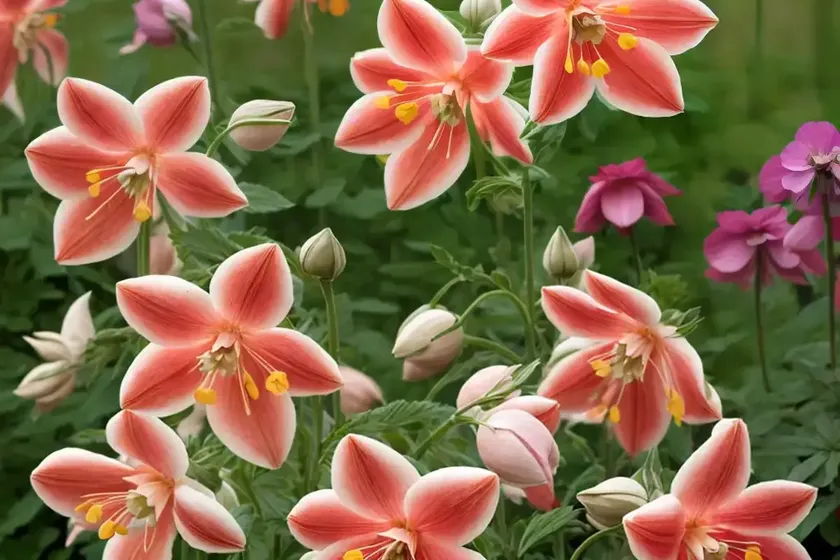
Aquilegia vulgaris ‘Clementine Rose’ is a delightful variety of columbine that showcases charming, nodding flowers in shades of pink and rose. The botanical name “Aquilegia” is derived from the Latin word “aquila,” which means “eagle,” and references the shape of the flower’s petals, resembling an eagle’s claw. The species name “vulgaris” denotes its common or widespread occurrence in nature.
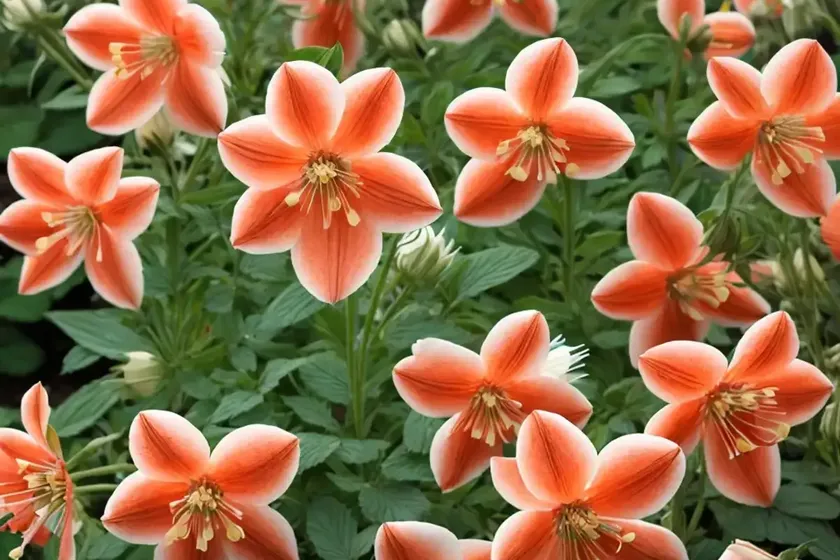
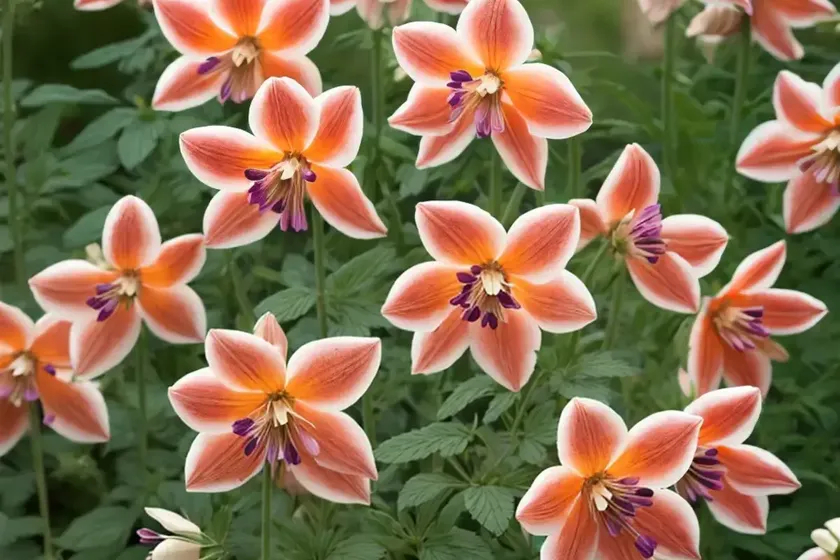
‘Clementine Rose’ is celebrated for its graceful flowers, which typically feature spurred petals and a distinct, bell-like shape. The blooms of this cultivar add a touch of elegance to garden borders, woodland settings, and cottage gardens, making it a popular choice for those seeking to enhance their outdoor spaces with its allure.
Columbine in History and Culture
Throughout history, columbine has held various symbolic meanings and cultural significance in different parts of the world. In medieval times, it was associated with the Virgin Mary and was often depicted in religious art as a symbol of purity. Additionally, columbine was believed to possess healing properties and was used in traditional medicine to treat various ailments.
Columbine’s distinctive blooms have also captured the imagination of poets and writers, inspiring numerous literary references and allegorical interpretations. Its ethereal appearance has earned it a place in folklore and mythology, where it is often linked to themes of love, fidelity, and transformation.
In contemporary garden design, Aquilegia vulgaris ‘Clementine Rose’ is esteemed for its versatility and aesthetic appeal. Whether used as a focal point in a border garden or as part of a mixed perennial display, this charming columbine variety adds a touch of romance and whimsy to outdoor landscapes.
With its rich history and cultural significance, Aquilegia vulgaris ‘Clementine Rose’ continues to captivate gardeners and plant enthusiasts with its timeless beauty and enchanting presence.
Culture
Aquilegia vulgaris ‘Clementine Rose’ Growing Conditions
Before diving into the specifics of caring for Aquilegia vulgaris ‘Clementine Rose’, it’s important to understand the plant’s ideal growing conditions. By providing the right environment, you can ensure the health and vitality of ‘Clementine Rose’ and encourage abundant flowering. Here are some essential factors to consider when cultivating this delightful columbine variety:
Hardiness Zone
Aquilegia vulgaris ‘Clementine Rose’ is well-suited to a range of hardiness zones, typically thriving in zones 3 to 8. It is important to consult the USDA Plant Hardiness Zone Map or a similar resource to determine if your local climate is conducive to the successful cultivation of ‘Clementine Rose’.
Temperature
‘Clementine Rose’ prefers moderate temperatures and can tolerate both cool and mild climates. However, it may struggle in regions with extreme heat, so providing some shade during the hottest part of the day can help protect the plant from excessive sun exposure.
Soil pH
The ideal soil pH for Aquilegia vulgaris ‘Clementine Rose’ is slightly acidic to neutral, ranging from approximately 6.0 to 7.0. Ensuring that the soil pH falls within this range provides an optimal growing environment for ‘Clementine Rose’ and supports its overall health and vigor.
Soil Drainage
Good drainage is essential for the successful cultivation of ‘Clementine Rose’. The plant prefers moist, well-draining soil and may suffer from root rot if planted in waterlogged or poorly drained conditions. Amending the soil with organic matter, such as compost or well-rotted manure, can improve drainage and create a suitable planting environment.
Companion Plants
When choosing companion plants for Aquilegia vulgaris ‘Clementine Rose’, consider species that share similar cultural requirements and complement its charming appearance. Some suitable companions include:
-
Bleeding Heart (Dicentra spectabilis): Known for its heart-shaped flowers and fern-like foliage, Bleeding Heart pairs beautifully with ‘Clementine Rose’ in shade gardens.
-
Hosta varieties (Hosta spp.): These leafy perennials thrive in partial to full shade and create an attractive backdrop for the delicate blooms of ‘Clementine Rose’.
-
Bellflower (Campanula spp.): With its bell-shaped flowers and low-growing habit, Bellflower adds a touch of elegance to garden borders and complements the aesthetic of columbine.
By selecting compatible companion plants, you can create harmonious garden compositions that highlight the unique qualities of ‘Clementine Rose’ and provide a visually appealing landscape.
Uses
Aquilegia vulgaris ‘Clementine Rose’ in Garden Landscapes
Aquilegia vulgaris ‘Clementine Rose’ offers a multitude of uses in garden landscapes, making it a versatile and valuable addition to outdoor spaces. Whether as a standalone specimen or as part of a mixed planting scheme, ‘Clementine Rose’ contributes to the beauty and charm of any garden. Here are some common uses for this delightful columbine variety:
Border Gardens
Planted along garden borders, ‘Clementine Rose’ adds a splash of color and elegance to the landscape. Its nodding blooms create a captivating display and provide visual interest throughout the growing season.
Woodland Gardens
In shaded or partially shaded woodland settings, ‘Clementine Rose’ thrives alongside other shade-loving plants, creating a naturalistic and enchanting atmosphere. The delicate blooms and graceful foliage of columbine bring a touch of magic to woodland garden spaces.
Cottage Gardens
Known for its romantic and old-world charm, ‘Clementine Rose’ is an ideal choice for cottage-style gardens. Its nostalgic blooms and airy appearance evoke a sense of nostalgia and lend a whimsical quality to cottage garden designs.
Container Gardens
For those with limited garden space, ‘Clementine Rose’ can be grown in containers such as pots or planters. This allows for greater flexibility in positioning the plant and provides an opportunity to enjoy its beauty on patios, balconies, or small outdoor areas.
Pollinator Gardens
The nectar-rich flowers of Aquilegia vulgaris ‘Clementine Rose’ attract pollinators such as bees, butterflies, and hummingbirds, making it a valuable addition to pollinator-friendly garden designs. By incorporating ‘Clementine Rose’ into pollinator gardens, you can support local wildlife and contribute to biodiversity in your community.
By understanding these varied uses, gardeners can capitalize on the versatility and aesthetic appeal of ‘Clementine Rose’ to create captivating and visually engaging landscapes.
Water
Aquilegia vulgaris ‘Clementine Rose’ Water Needs
Understanding the watering requirements of Aquilegia vulgaris ‘Clementine Rose’ is crucial for maintaining plant health and promoting vigorous growth. While ‘Clementine Rose’ is relatively adaptable to different moisture levels, providing consistent and appropriate watering is key to its overall well-being. Here are some essential considerations for managing the water needs of this charming columbine variety:
Soil Moisture
‘Clementine Rose’ thrives in moist, well-draining soil. It is important to monitor soil moisture levels and ensure that the plant’s root zone remains consistently moist but not waterlogged. To achieve this, water ‘Clementine Rose’ deeply when the top inch of soil feels dry, allowing the water to penetrate the root system effectively.
Irrigation Practices
To prevent overwatering, it is recommended to water ‘Clementine Rose’ at the base of the plant to direct the moisture to the root zone. Avoid overhead watering, as this can lead to foliage diseases and may not effectively reach the plant’s roots.
Drought Tolerance
While ‘Clementine Rose’ prefers moist conditions, it exhibits a degree of drought tolerance once established. During periods of prolonged drought or hot weather, be attentive to the plant’s water needs and provide supplemental irrigation as necessary to prevent stress and dehydration.
By maintaining appropriate soil moisture levels and implementing effective watering practices, gardeners can ensure that Aquilegia vulgaris ‘Clementine Rose’ thrives and flourishes in their garden landscapes.
Sunlight
Columbine Plant Sunlight Requirements
Understanding the sunlight requirements of Aquilegia vulgaris ‘Clementine Rose’ is essential for promoting healthy growth and abundant flowering. While ‘Clementine Rose’ is generally adaptable to varying light conditions, providing the right amount of sunlight is crucial for ensuring its optimum performance. Here are important considerations regarding the sunlight needs of this captivating columbine variety:
Light Intensity
‘Clementine Rose’ thrives in partial shade to full sun, making it a versatile plant for a range of light conditions. In regions with hot summers, partial shade or dappled light may be advantageous to protect the plant from excessive sun exposure.
Morning Sun vs. Afternoon Sun
In areas with intense afternoon sun, ‘Clementine Rose’ may benefit from morning sun exposure and some protection from the harsh midday and afternoon rays. Positioning the plant in a location that receives gentle morning sunlight and partial shade during the hottest part of the day can help prevent leaf scorch and maintain optimal growing conditions.
Fertilizer
Fertilizing Aquilegia vulgaris ‘Clementine Rose’
Providing appropriate fertilization is important for supporting the growth and flowering of Aquilegia vulgaris ‘Clementine Rose’. While ‘Clementine Rose’ is not excessively demanding in its fertilizer needs, applying a balanced and organic-rich fertilizer can enhance its overall vigor and promote robust blooms. Here are some key considerations for fertilizing this enchanting columbine variety:
Time of Application
Apply a balanced, slow-release fertilizer in early spring as new growth emerges. This provides the plant with essential nutrients to support healthy development and flowering throughout the growing season.
Organic Matter
Incorporating organic matter, such as well-rotted compost or aged manure, into the soil in the vicinity of ‘Clementine Rose’ can enrich the growing environment and provide a natural source of nutrients. This organic amendment contributes to soil fertility and supports the long-term health of the plant.
Avoid Overfertilization
Columbines, including Aquilegia vulgaris ‘Clementine Rose’, are generally moderate feeders and can be sensitive to excessive fertilization. Avoid overfertilizing, particularly with high-nitrogen supplements, as this may lead to excessively lush foliage at the expense of blooms.
Implementing a balanced approach to fertilization can optimize the health and vitality of ‘Clementine Rose’ and ensure that it thrives in your garden landscape.
Soil
Best Soil for Aquilegia vulgaris ‘Clementine Rose’
Selecting the right soil type and composition is fundamental to the successful cultivation of Aquilegia vulgaris ‘Clementine Rose’. ‘Clementine Rose’ flourishes in well-drained, fertile soil and benefits from the incorporation of organic matter to create an optimal growing environment. Here are important considerations for identifying the best soil for this captivating columbine variety:
Soil Texture
‘Clementine Rose’ prefers loamy, well-draining soil that offers a balance of moisture retention and aeration. Loamy soil provides a supportive foundation for the plant’s roots and enables the efficient exchange of gases and nutrients.
Organic Amendment
Incorporating organic matter, such as compost, leaf mold, or well-rotted manure, into the soil enhances its structure and fertility. This organic amendment improves soil texture, promotes beneficial microbial activity, and contributes to the long-term health of ‘Clementine Rose’.
Soil pH
The ideal soil pH for Aquilegia vulgaris ‘Clementine Rose’ falls within the slightly acidic to neutral range, typically around 6.0 to 7.0. Testing the soil pH and making necessary adjustments ensures that the plant is provided with a suitable pH environment for optimal growth and development.
By addressing these soil considerations, gardeners can create a hospitable and nurturing foundation for ‘Clementine Rose’ to thrive and enchant in their garden landscapes.
Pruning
Aquilegia vulgaris ‘Clementine Rose’ Pruning Techniques
Pruning plays a vital role in the maintenance and care of Aquilegia vulgaris ‘Clementine Rose’, helping to shape the plant, promote air circulation, and manage its growth. While ‘Clementine Rose’ does not require extensive pruning, periodic maintenance can enhance its appearance and longevity. Here are some essential pruning techniques and considerations for this delightful columbine variety:
Deadheading Spent Blooms
Removing spent flowers, a practice known as deadheading, encourages the production of new blooms and prevents the plant from expending energy on seed development. Snip off the faded blooms as they decline to promote continuous flowering and prolong the overall blooming period.
Thinning and Shaping
To maintain a tidy and attractive appearance, thin out any overcrowded or leggy stems and remove dead or damaged foliage as needed. This helps improve air circulation around the plant and reduces the risk of disease and pest infestations.
Seasonal Maintenance
After the flowering period, cut back the spent flower stalks to ground level to tidy up the plant and encourage fresh growth. Additionally, remove any diseased or yellowing foliage to maintain the plant’s overall health and appearance.
By implementing these pruning techniques, gardeners can ensure that Aquilegia vulgaris ‘Clementine Rose’ remains healthy, vibrant, and visually appealing in their garden settings.
Propagation
Aquilegia vulgaris ‘Clementine Rose’ Propagation Methods
Propagating Aquilegia vulgaris ‘Clementine Rose’ allows you to expand your garden collection and share the beauty of this captivating columbine variety with others. While ‘Clementine Rose’ can be propagated from seed, division, or stem cuttings, each method offers unique advantages and considerations. Here are key propagation methods and guidelines for ‘Clementine Rose’:
Seed Propagation
- Collect ripe seeds from ‘Clementine Rose’ in late summer to early fall and sow them in a prepared seed-starting mix.
- Keep the seeds consistently moist and provide bright, indirect light for germination.
- Transplant the seedlings into individual pots or a designated garden area once they have developed several true leaves.
Division
- Divide mature clumps of ‘Clementine Rose’ in early spring or early fall when the plant is dormant.
- Carefully lift the clump from the ground and separate the individual rhizomes, ensuring that each division has viable roots and shoots.
- Replant the divisions in prepared soil and water them thoroughly to encourage establishment.
Stem Cuttings
- Take stem cuttings from healthy, actively growing shoots of ‘Clementine Rose’ in late spring or early summer.
- Remove the lower leaves from the cuttings and dip the cut ends in a rooting hormone to promote root development.
- Plant the cuttings in a well-draining rooting medium and maintain consistent moisture levels until they root and establish.
By selecting the most suitable propagation method and following the recommended guidelines, you can successfully propagate Aquilegia vulgaris ‘Clementine Rose’ and share its enchanting blooms with fellow gardening enthusiasts.
Container Popularity
Growing Aquilegia vulgaris ‘Clementine Rose’ in Containers
The versatility of Aquilegia vulgaris ‘Clementine Rose’ extends to its suitability for container gardening, making it an appealing choice for those with limited garden space or a preference for potted plants. By growing ‘Clementine Rose’ in containers, you can enjoy its beauty on patios, balconies, and other outdoor areas, creating stunning focal points and floral displays. Here are important considerations for growing ‘Clementine Rose’ in containers:
Container Selection
Choose a container that provides adequate room for the root system of ‘Clementine Rose’ to grow and expand. Select a pot with drainage holes to ensure proper water drainage and prevent waterlogging.
Potting Mix
Use a high-quality, well-draining potting mix that provides aeration and moisture retention for the plant’s roots. Consider mixing in some organic matter, such as compost or peat moss, to enrich the potting mix and enhance its fertility.
Watering and Maintenance
Monitor the moisture levels of the potting mix and water ‘Clementine Rose’ in containers as needed to maintain even soil moisture. Conduct regular maintenance, including deadheading spent blooms and removing any yellowing or diseased foliage.
Overwintering
In regions with freezing temperatures, overwintering ‘Clementine Rose’ in containers may require special considerations. Protect the plant from extreme cold and consider providing additional insulation in the form of mulch or coverings during the winter months.
By choosing the appropriate container, potting mix, and maintenance practices, you can successfully cultivate Aquilegia vulgaris ‘Clementine Rose’ in containers and enjoy its enchanting blooms in a portable and versatile manner.
Common Diseases
Disease Prevention for Aquilegia vulgaris ‘Clementine Rose’
While Aquilegia vulgaris ‘Clementine Rose’ is generally resilient, it may be susceptible to certain diseases under unfavorable conditions. Implementing preventive measures and maintaining good cultural practices can help minimize the risk of disease and safeguard the health of