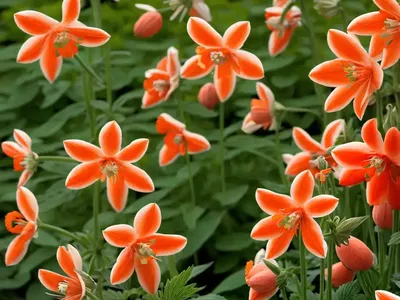
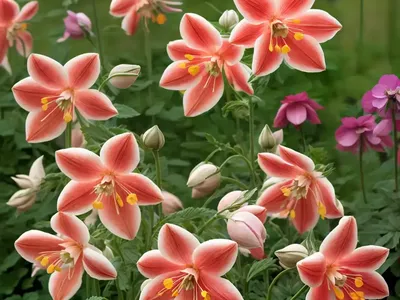
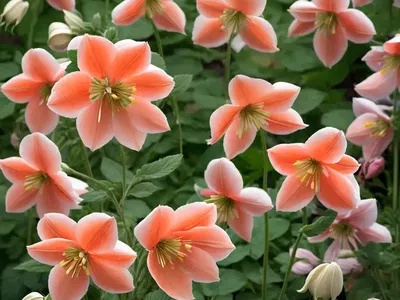
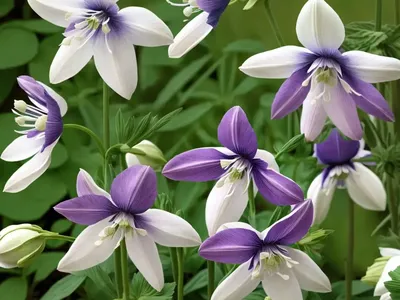
Aquilegia Vulgaris ‘Clementine Dark Purple’ (Columbine)
Introduction The Aquilegia vulgaris ‘Clementine Dark Purple,’ also known as the Columbine, is a stunning perennial plant that has captured the hearts of.
Introduction
The Aquilegia vulgaris ‘Clementine Dark Purple,’ also known as the Columbine, is a stunning perennial plant that has captured the hearts of gardeners and plant enthusiasts alike. With its distinctive flowers and versatile nature, this plant has become a popular choice for gardens, landscapes, and even containers. In this in-depth guide, we will explore the various aspects of this captivating plant, including its cultural requirements, uses, care tips, and more.
What is Aquilegia vulgaris ‘Clementine Dark Purple’ (Columbine)?
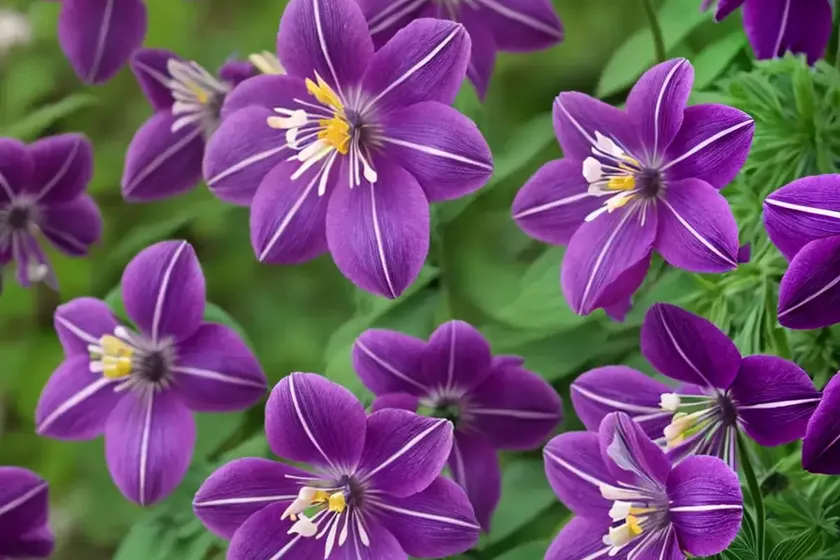
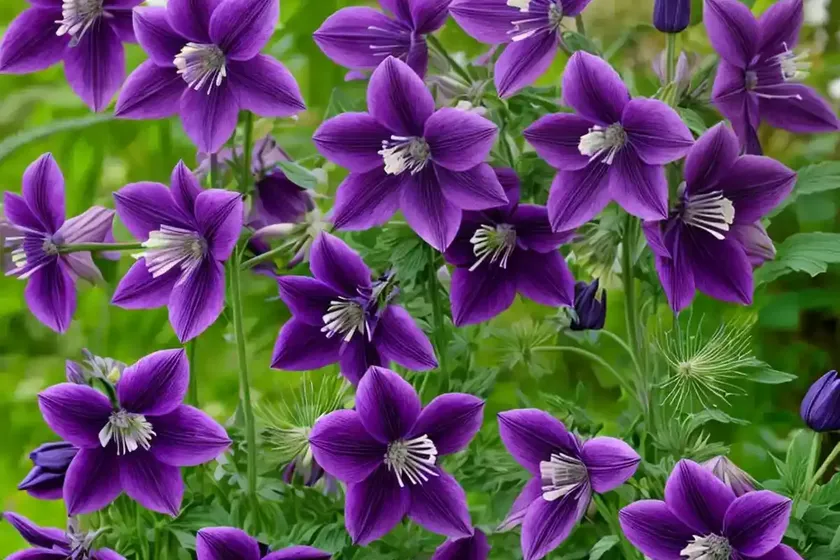
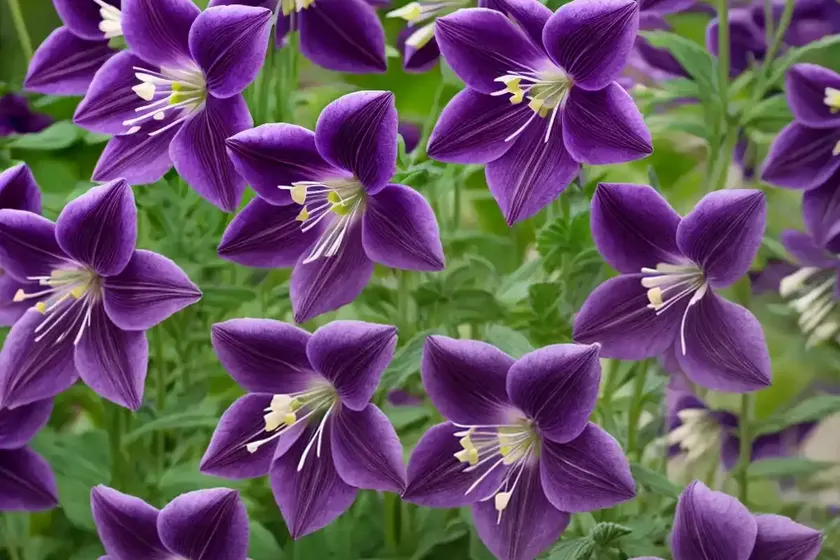
The Aquilegia vulgaris ‘Clementine Dark Purple’ is a herbaceous perennial plant known for its unique and intricate flowers. Belonging to the Ranunculaceae family, this plant is native to Europe and is a popular choice for adding a pop of color and elegance to gardens and landscapes.
Key Takeaways – Aquilegia vulgaris ‘Clementine Dark Purple’ (Columbine)
Before diving into the details, let’s take a quick look at the key takeaways of the Aquilegia vulgaris ‘Clementine Dark Purple’:
- Plant Name: Aquilegia vulgaris ‘Clementine Dark Purple’ (Columbine)
- Uses: Ideal for gardens, landscapes, containers, and cut flowers
- Water: Moderate watering requirements
- Sunlight: Partial shade to full sun
- Fertilizer: Balanced fertilizer in spring
- Soil: Well-draining, fertile soil
- Pruning: Regular deadheading for prolonged blooming
- Propagation: Seeds, division
- Container Popularity: Well-suited for container gardening
- Common Diseases: Downy mildew, leaf spot
- Common Pests: Aphids, caterpillars
Now, let’s delve deeper into each of these aspects to gain a comprehensive understanding of this charming plant.
Culture
Uses
The Aquilegia vulgaris ‘Clementine Dark Purple’ is valued for its multi-purpose uses, making it a versatile addition to any garden or landscape. Some of its notable uses include:
- Gardens: Adds a vibrant and enchanting touch to flower beds, borders, and rock gardens.
- Landscapes: Well-suited for naturalistic landscapes and cottage gardens.
- Containers: Thrives in containers, making it an excellent choice for patio or balcony gardening.
- Cut Flowers: The striking blooms are perfect for creating beautiful floral arrangements.
Water
Proper watering is essential for the health and vigor of Columbine plants. While they are relatively drought-tolerant once established, consistent moisture is crucial, especially during the active growing season. Here are some general guidelines for watering Aquilegia vulgaris ‘Clementine Dark Purple’:
- Established Plants: Water deeply once a week, allowing the soil to partially dry out between waterings.
- Container Plants: Monitor the moisture levels closely, ensuring that the soil remains consistently moist but not waterlogged.
- Avoid Overwatering: While they appreciate adequate moisture, Columbines are susceptible to root rot if the soil is excessively soggy.
Sunlight
The ideal sunlight conditions for Aquilegia vulgaris ‘Clementine Dark Purple’ range from partial shade to full sun. In regions with hot summers, providing some afternoon shade can help protect the plants from scorching and prolong their blooming period. When selecting a planting location, consider the following sunlight requirements:
- Partial Shade: 4-6 hours of direct sunlight per day.
- Full Sun: 6-8 hours of direct sunlight per day.
- Balanced Exposure: Aim for a balance between sunlight and shade to promote healthy growth and prolific flowering.
Fertilizer
Proper fertilization can enhance the overall performance and blooming capacity of Columbine plants. A balanced fertilizer with equal N-P-K (nitrogen, phosphorus, potassium) ratio is ideal for promoting healthy growth and abundant blooms. Here are some essential fertilizer tips for Aquilegia vulgaris ‘Clementine Dark Purple’:
- Spring Feeding: Apply a slow-release or balanced liquid fertilizer in early spring as new growth emerges.
- Avoid Excessive Fertilization: Refrain from overfeeding, as excessive nutrients can lead to lush foliage at the expense of flowers.
- Organic Options: Consider using organic fertilizers to nourish the soil and enhance the plant’s natural vitality.
Soil
The quality and composition of the soil play a pivotal role in the growth and development of Aquilegia vulgaris ‘Clementine Dark Purple.’ As with many garden plants, Columbines thrive in well-draining, fertile soil that provides a conducive environment for their roots to establish and flourish. Here are some essential soil considerations for this charming perennial:
- Well-Draining: Ensure that the soil has good drainage to prevent waterlogging, which can lead to root rot and other moisture-related issues.
- Fertility: Incorporate organic matter such as compost or well-rotted manure to enrich the soil and provide essential nutrients for the plants.
- pH Level: Columbines prefer slightly acidic to neutral soil with a pH range of 6.0-7.0 for optimal growth and performance.
Pruning
Regular pruning and deadheading can significantly impact the blooming and overall appearance of Aquilegia vulgaris ‘Clementine Dark Purple.’ Deadheading, in particular, promotes continuous flowering and prevents the plants from redirecting their energy into seed production. Here are some useful pruning tips for these exquisite plants:
- Deadheading: Remove spent flowers promptly to encourage the development of new buds and prolong the blooming period.
- Spring Cleanup: Trim back any damaged or dead foliage in early spring to promote fresh growth and tidy appearance.
- Minimal Pruning: Columbines generally require minimal pruning beyond deadheading, as they maintain an attractive form without extensive trimming.
Propagation
Aquilegia vulgaris ‘Clementine Dark Purple’ can be propagated through seeds or division, offering gardeners various options to expand their plant collection or share the beauty of Columbine with others. Here are some propagation techniques for this perennial favorite:
- Seeds: Collect seeds from mature plants and sow them in trays or pots, ensuring adequate moisture and light for germination.
- Division: Divide established clumps in early spring or late summer to create new plantings, ensuring that each division has robust roots and shoots for successful establishment.
Container Popularity
The compact and eye-catching nature of Aquilegia vulgaris ‘Clementine Dark Purple’ makes it a popular choice for container gardening. Whether displayed as a standalone feature or part of a mixed container arrangement, Columbines thrive in containers, adding charm and elegance to any outdoor space.
Container Gardening Tips
- Container Selection: Choose well-draining containers with sufficient depth to accommodate the plant’s root system and promote healthy growth.
- Potting Mix: Use a high-quality, well-aerated potting mix rich in organic matter to provide essential nutrients and moisture retention.
- Watering: Monitor the moisture levels closely, ensuring that the soil remains consistently moist but not waterlogged.
- Sun Exposure: Position the containers in an area that receives adequate sunlight according to the plant’s requirements.
Common Diseases
Like many plants, Aquilegia vulgaris ‘Clementine Dark Purple’ is susceptible to certain diseases that can affect its overall health and appearance. Being aware of these common diseases and their prevention strategies can help maintain the vitality of the plants. Here are some prevalent diseases to watch out for:
- Downy Mildew: A fungal disease that causes yellowing and wilting of the foliage, often exacerbated by damp and humid conditions.
- Leaf Spot: Characterized by dark spots or lesions on the leaves, which can lead to defoliation if left unchecked.
Disease Prevention
- Healthy Practices: Ensure proper air circulation and avoid overhead watering to mitigate the risk of fungal diseases.
- Prudent Watering: Water the plants at the base to prevent moisture-related diseases and minimize leaf wetness.
- Sanitation: Remove and dispose of any affected foliage promptly to prevent the spread of diseases.
Common Pests
Pests can pose a threat to the well-being of Columbine plants, potentially causing damage to the foliage and compromising their overall vigor. By monitoring the plants regularly and taking timely action, gardeners can effectively manage common pests and minimize their impact. Here are some pests to be mindful of:
- Aphids: Small, sap-sucking insects that congregate on the tender shoots and buds, leading to distorted growth and sooty mold formation.
- Caterpillars: Larval stage of butterflies and moths that feed on the foliage, resulting in chewed leaves and aesthetic damage.
Pest Management
- Natural Predators: Encourage beneficial insects such as ladybugs and lacewings, which prey on aphids and caterpillars.
- Organic Control: Utilize insecticidal soaps or neem oil as a natural and environmentally friendly pest control measure.
- Vigilant Monitoring: Regularly inspect the plants for pest activity, intervening at the first signs of infestation to prevent widespread damage.
Botanist’s Tips
To further enhance the understanding and appreciation of Aquilegia vulgaris ‘Clementine Dark Purple,’ here are some invaluable tips from botanists and plant enthusiasts:
- Species Diversity: Explore the fascinating world of Columbine plant varieties, each with its unique colors, patterns, and growth habits.
- Pollinator Attraction: Recognize the role of Columbines as pollinator-friendly plants, attracting bees, butterflies, and hummingbirds with their nectar-rich flowers.
- Companion Planting: Consider planting Columbines alongside other compatible species to create visually appealing and ecologically beneficial garden compositions.
Fun Facts
Dive into the intriguing and delightful world of Aquilegia vulgaris ‘Clementine Dark Purple’ with these fun and captivating facts:
- Historical Significance: Columbines have a rich historical significance, being associated with various myths, folklore, and medicinal uses throughout the ages.
- Symbolism: Symbolizing love, gratitude, and courage, Columbine flowers have inspired poets, artists, and storytellers with their poignant meanings.
- Color Variations: Columbines exhibit a stunning array of colors, ranging from soft pastels to vibrant hues, showcasing their diversity and visual appeal.
Links to External Resources
For further information and resources on Aquilegia vulgaris ‘Clementine Dark Purple’ (Columbine), consider exploring the following links:
- Royal Horticultural Society – Aquilegia species
- University of Vermont Extension – Growing Columbine
- Missouri Botanical Garden – Aquilegia vulgaris
In conclusion, Aquilegia vulgaris ‘Clementine Dark Purple’ (Columbine) stands out as an enchanting and adaptable perennial plant that captivates with its intricate flowers and multi-faceted uses. Whether gracing garden beds, containers, or floral arrangements, Columbines continue to charm and inspire, adding a touch of elegance to diverse outdoor settings. With the insights and guidelines shared in this comprehensive guide, gardeners can cultivate and appreciate the beauty of Aquilegia vulgaris ‘Clementine Dark Purple’ while fostering its well-being and allure in their own horticultural endeavors.