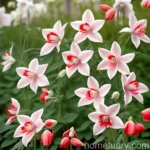
Aquilegia viridiflora (Green Columbine): A Comprehensive Guide to Plant Care and Cultivation
Plants have always fascinated humans with their sheer beauty and diversity. From towering trees to delicate flowers, each plant species has unique characteristics and requirements for cultivation. In this comprehensive guide, we will delve into the intriguing world of Aquilegia viridiflora, commonly known as Green Columbine. We will explore the culture, uses, care requirements, and interesting facts about this captivating plant, providing plant enthusiasts and horticulturists with valuable insights into its maintenance and cultivation.
What is Aquilegia viridiflora?
Aquilegia viridiflora, a member of the Ranunculaceae family, is a species of columbine that is native to the central and western regions of North America. This herbaceous perennial is renowned for its unique green flowers, which set it apart from other members of the genus Aquilegia. The distinct coloration of its flowers has given rise to its common name, Green Columbine. In addition to its striking appearance, Aquilegia viridiflora is valued for its use in ornamental horticulture, attracting pollinators, and its potential medicinal properties.
Key Takeaways – Aquilegia viridiflora (Green Columbine)
Before we delve into the specifics of cultivating and caring for Aquilegia viridiflora, let’s outline the key takeaways for this unique plant:
- Botanical Name: Aquilegia viridiflora
- Common Name: Green Columbine
- Family: Ranunculaceae
- Native Habitat: Central and western regions of North America
- Distinctive Feature: Green flowers
- Primary Uses: Ornamental horticulture, attracting pollinators, potential medicinal use
Now that we have a basic understanding of Aquilegia viridiflora, let’s explore its culture, uses, and the essential care requirements to ensure its health and vitality in various settings.
Culture of Aquilegia viridiflora
Understanding the optimal culture for a plant species is crucial for successful growth and development. In the case of Aquilegia viridiflora, several cultural factors play a pivotal role in its overall well-being. These include considerations such as water requirements, sunlight exposure, soil preferences, and more. Let’s dive into these aspects to gain a holistic understanding of the culture of Aquilegia viridiflora.
Uses
Before focusing on the specific cultural requirements, it is essential to appreciate the uses of Aquilegia viridiflora. This plant serves several important functions, ranging from its ornamental value in gardens to its contribution to local ecosystems. The primary uses of Aquilegia viridiflora include:
- Ornamental Horticulture: The unique green flowers of Aquilegia viridiflora make it a sought-after plant for ornamental purposes. It adds an intriguing visual element to gardens, landscapes, and floral arrangements.
- Attracting Pollinators: The nectar-rich flowers of Aquilegia viridiflora attract various pollinators, including bees, butterflies, and hummingbirds, contributing to the biodiversity of the area where it is cultivated.
- Potential Medicinal Use: Some species within the Aquilegia genus have been historically used in herbal medicine. While the specific medicinal properties of Aquilegia viridiflora require further research, it is worth exploring its potential in this context.
With its diverse uses, Aquilegia viridiflora holds appeal for both garden enthusiasts and environmentalists, making it a versatile addition to various settings.
Water
A crucial aspect of plant care is understanding the water requirements of the species in question. Aquilegia viridiflora, like many other plants, has specific needs when it comes to water. Adequate hydration is essential for its growth, flowering, and overall vitality. However, it’s equally important to prevent overwatering, as excessively moist conditions can lead to root rot and other issues.
Water Requirements for Aquilegia viridiflora:
- Moderate Moisture: Aquilegia viridiflora thrives in moderately moist soil. It is essential to water the plant consistently but avoid waterlogging the soil. Depending on the local climate and soil characteristics, a regular watering schedule is recommended, ensuring that the soil does not dry out completely between waterings.
Sunlight
Sunlight is a primary source of energy for plants, driving photosynthesis and influencing their overall growth and development. Different plant species have varying sunlight requirements, and understanding these preferences is crucial for maintaining their health.
Sunlight Requirements for Aquilegia viridiflora:
- Partial Shade to Full Sun: Aquilegia viridiflora exhibits versatility in its sunlight preferences. While it can thrive in partial shade, providing protection from intense midday sun, it also performs well in full sun conditions, particularly in regions with milder climates.
Soil
The soil composition and quality significantly impact a plant’s ability to absorb nutrients, water, and oxygen. Understanding the soil preferences of Aquilegia viridiflora is essential for creating an optimal growing environment for this unique species.
Soil Preferences for Aquilegia viridiflora:
- Well-Draining Soil: Aquilegia viridiflora thrives in well-draining, loamy soil with a slightly acidic to neutral pH. Amending heavy clay soils with organic matter can improve drainage and create a more favorable environment for the plant’s root development.
Fertilizer
While soil naturally provides some essential nutrients, supplemental fertilization can bolster a plant’s growth and flowering potential. When considering fertilizer application for Aquilegia viridiflora, a balanced approach is crucial to prevent overfeeding and potential damage to the plant.
Fertilization Guidelines for Aquilegia viridiflora:
- Moderate Fertilization: Using a balanced, all-purpose fertilizer in spring, prior to the growing season, can provide the necessary nutrients for robust growth and flowering. It is important to follow the recommended application rates and avoid excessive fertilization, which can lead to nutrient imbalances.
Pruning
Pruning is an important aspect of plant maintenance, contributing to the overall health, appearance, and flowering capacity of many species. Understanding the specific pruning techniques for Aquilegia viridiflora is crucial for promoting its longevity and vitality.
Pruning Techniques for Aquilegia viridiflora:
- Deadheading: Removing spent flowers promotes continuous blooming and prevents the plant from expending energy on seed production.
- Thinning: Thinning out crowded growth and removing old, damaged, or diseased foliage can improve air circulation and reduce the risk of foliar diseases.
Propagation
The propagation of Aquilegia viridiflora offers plant enthusiasts an opportunity to expand their collection and share this unique species with others. Understanding effective propagation methods is essential for successful reproduction of this plant.
Propagation Methods for Aquilegia viridiflora:
- Seed Propagation: Aquilegia viridiflora can be propagated from seeds. Harvesting seeds from mature plants and sowing them in well-prepared soil can yield new specimens.
- Division: Dividing established clumps of Aquilegia viridiflora can be an effective way to propagate the plant, particularly during the dormant season.
Container Popularity and Care
Plants grown in containers offer versatility and can thrive in various settings, such as patios, balconies, and indoor spaces. Understanding the specific care requirements for container-grown Aquilegia viridiflora is essential for its success in these environments.
Container Care for Aquilegia viridiflora:
- Well-Draining Soil: Utilize a high-quality, well-draining potting mix to ensure proper moisture management for container-grown Aquilegia viridiflora.
- Adequate Drainage: Choose containers with drainage holes to prevent waterlogging and potential root rot.
- Regular Watering: Monitor the moisture levels in the container and water the plant as needed to maintain moderate soil moisture.
Common Diseases and Pests
Plant health can be impacted by various diseases and pests, and being able to identify and address these challenges is crucial for maintaining the vitality of Aquilegia viridiflora.
Disease Diagnosis:
- Powdery Mildew: This common fungal disease can affect Aquilegia species, leading to powdery, white patches on the leaves. Adequate air circulation and fungicidal treatments can help manage powdery mildew.
Common Pests:
- Aphids: These small, sap-sucking insects can colonize the tender growth of Aquilegia viridiflora, leading to stunted growth and distorted foliage. Insecticidal soaps or horticultural oils can effectively control aphid infestations.
Botanist’s Tips for Aquilegia viridiflora
To further enhance the understanding of Aquilegia viridiflora and its cultivation, here are some additional tips from a botanist’s perspective:
- Companion Planting: Pairing Aquilegia viridiflora with compatible companion plants, such as asters, daylilies, and salvia, can create visually appealing and ecologically beneficial garden beds.
- Pollinator-Friendly Landscapes: Incorporating Aquilegia viridiflora into pollinator-friendly landscapes can support local bee and butterfly populations, contributing to the overall health of the ecosystem.
Fun Facts about Aquilegia viridiflora
Exploring the lesser-known aspects of Aquilegia viridiflora can add depth to our appreciation of this intriguing plant species. Here are some fun facts to pique your curiosity:
- Native Habitats: Aquilegia viridiflora is native to the central and western regions of North America, where it thrives in diverse ecological settings.
- Foliage Coloration: In addition to its distinctive green flowers, Aquilegia viridiflora displays attractive foliage, with delicate, lobed leaves that enhance its ornamental appeal.
Links to External Resources
Continuous learning and exploration are fundamental to the world of horticulture and plant science. Here are some recommended external resources for further information on Aquilegia viridiflora and related topics:
- Royal Horticultural Society – Aquilegia – Columbines
- University of Florida IFAS Extension – Aquilegia Cultivars
- Missouri Botanical Garden – Plant Finder: Aquilegia
- American Society for the Prevention of Cruelty to Animals (ASPCA) – Plants Toxic to Animals: Columbine
In conclusion, Aquilegia viridiflora, with its captivating green flowers and diverse uses, presents an exciting opportunity for plant enthusiasts and horticulturists to explore its unique characteristics and cultivate it in various settings. By understanding its culture, care requirements, and ecological contributions, we can further appreciate the valuable role it plays in the natural world and horticultural landscapes. Whether in gardens, containers, or pollinator-friendly landscapes, the Green Columbine has much to offer to those who seek to embrace its beauty and significance.