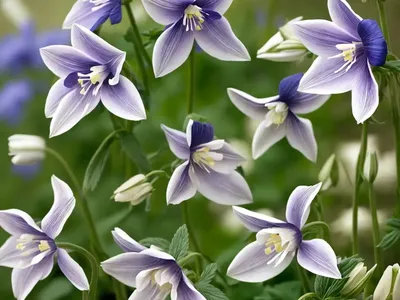
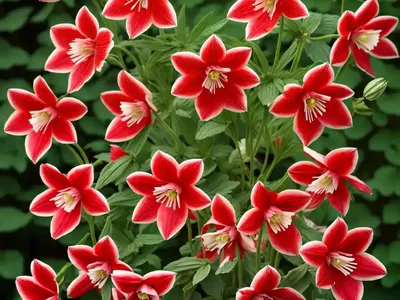
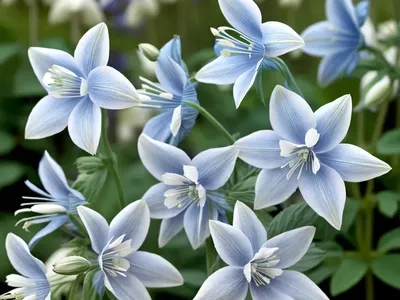
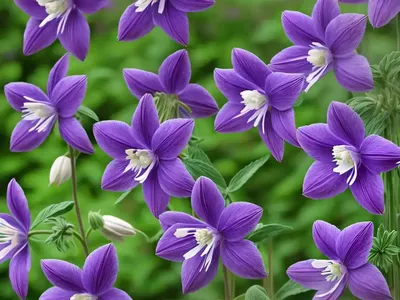
Aquilegia Coerulea Kirigami Yellow (Columbine)
Introduction: Plants not only bring beauty to our surroundings but also contribute to the ecosystem. Among the countless plant species on our planet.
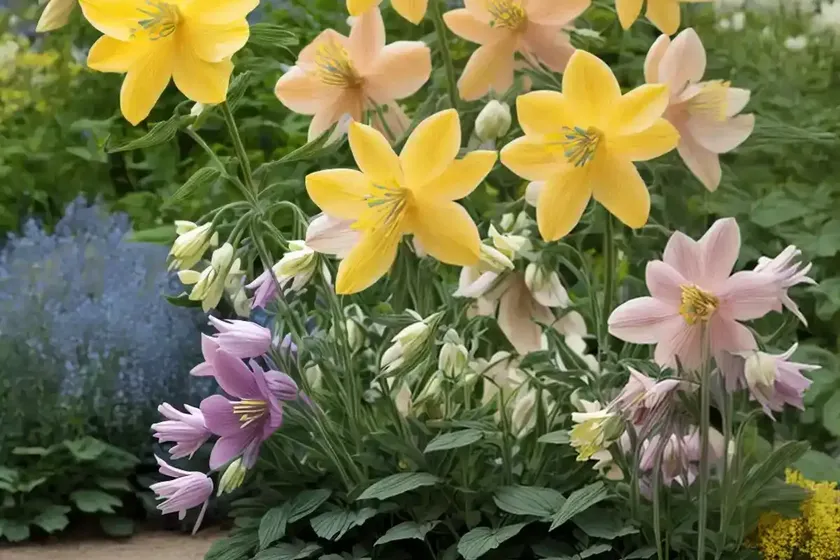
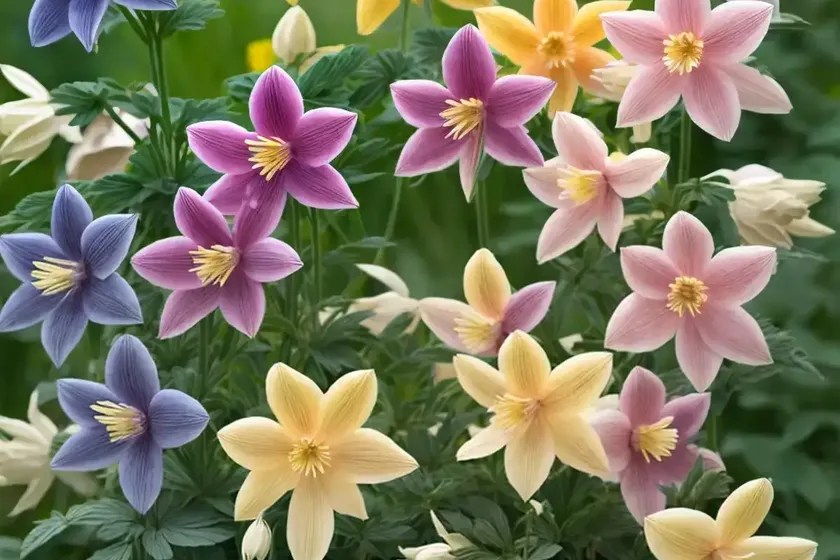
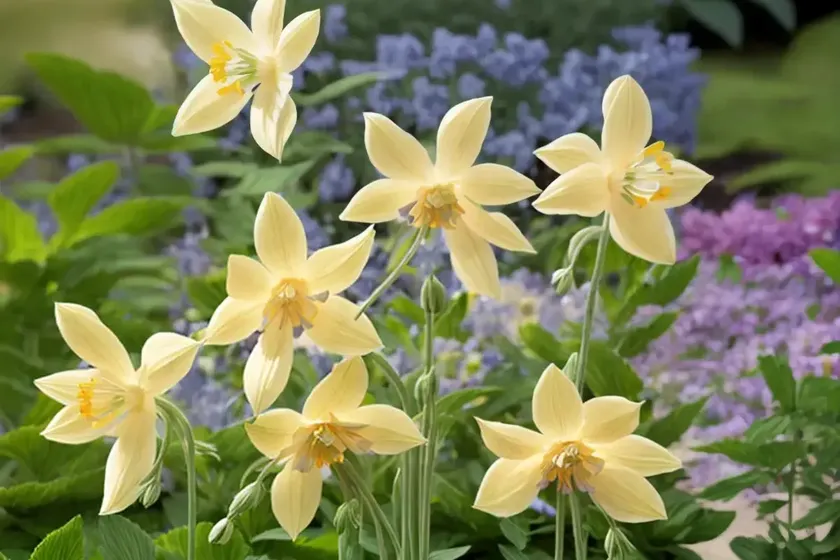
Introduction
Plants not only bring beauty to our surroundings but also contribute to the ecosystem. Among the countless plant species on our planet, Aquilegia coerulea Kirigami Yellow, also known as Columbine, stands out for its stunning beauty and versatility in gardens. In this comprehensive guide, I will provide you with all the essential information you need to successfully cultivate and care for Aquilegia coerulea Kirigami Yellow in your garden or landscape.
What is Aquilegia coerulea Kirigami Yellow (Columbine)?
Before delving into the care and cultivation specifics, it’s essential to understand what Aquilegia coerulea Kirigami Yellow is. Aquilegia coerulea, commonly referred to as Columbine, is a perennial plant native to North America and belongs to the Ranunculaceae family. Known for its unique spurred petals in vivid colors, Columbine is a popular choice for gardeners, both beginners and experts, and is often used to add a pop of color to home gardens, landscapes, and floral arrangements.
This guide will cover various aspects of caring for Aquilegia coerulea Kirigami Yellow, including its cultural requirements, uses, propagation, common diseases, and pest management.
Key Takeaways – Aquilegia coerulea Kirigami Yellow (Columbine)
As we navigate through the comprehensive care guide for Aquilegia coerulea Kirigami Yellow, consider the following key takeaways:
- Understanding the specific cultural requirements, including water, sunlight, soil, and fertilizer needs, is crucial for successful cultivation.
- Aquilegia coerulea Kirigami Yellow is a versatile plant that can be grown in various settings, including garden beds, containers, and mixed borders.
- Proper pruning and maintenance practices are essential for promoting healthy growth and prolonging the blooming period.
- Effectively managing common pests and diseases ensures the long-term health and vibrancy of Aquilegia coerulea Kirigami Yellow in your garden.
Now, let’s delve into each of these aspects in detail to gain a comprehensive understanding of cultivating and caring for Aquilegia coerulea Kirigami Yellow.
Culture
The cultural requirements of Aquilegia coerulea Kirigami Yellow encompass various factors, including water, sunlight, fertilizer, soil, and pruning. Understanding and effectively fulfilling these requirements is paramount for the optimal growth and blooming of this stunning variety of Columbine.
Uses
Before discussing the specific cultural requirements, it’s important to explore the various uses of Aquilegia coerulea Kirigami Yellow. This variety of Columbine is highly versatile and can be utilized in several ways:
- Garden Beds: Aquilegia coerulea Kirigami Yellow thrives when planted in well-drained garden beds and is a beautiful addition to perennial borders and cottage gardens.
- Containers: Due to its compact growth habit, this variety is well-suited for container gardening and can be grown in pots or decorative planters on patios, balconies, or even indoors.
- Cut Flowers: The vibrant, spurred flowers of Aquilegia coerulea Kirigami Yellow are perfect for cut flower arrangements, adding a delightful touch to floral displays and bouquets.
- Pollinator Gardens: Columbine plants are known to attract pollinators such as hummingbirds, bees, and butterflies, making them an excellent choice for pollinator-friendly gardens.
Water
Aquilegia coerulea Kirigami Yellow generally prefers moderate moisture levels and well-drained soil. While established plants exhibit some drought tolerance, consistent watering is crucial during the growing season, especially in periods of prolonged heat or dryness. However, it’s essential to avoid overwatering, as excessive soil moisture can lead to root rot and other issues.
- Watering Frequency: During the active growing period, aim to water the plants thoroughly whenever the top inch of soil becomes dry. Adjust the frequency based on environmental conditions and soil moisture levels.
- Watering Techniques: Direct the water at the base of the plant to ensure effective absorption and prevent water from settling on the foliage, which can potentially lead to fungal diseases. Mulching the soil surface can aid in moisture retention and reduce water evaporation.
Sunlight
Proper sunlight is vital for the healthy growth and abundant blooming of Aquilegia coerulea Kirigami Yellow. While this plant appreciates ample sunlight, it also benefits from some protection during the hottest parts of the day.
- Ideal Sun Exposure: Aim to provide the plants with partial shade to full sun, especially in regions with intense summer heat. In moderately warmer climates, providing partial shade during the hottest hours of the day can prevent stress and ensure vibrant, long-lasting blooms.
- Indoor Cultivation: When growing Aquilegia coerulea Kirigami Yellow indoors, place the containers in bright, indirect light to mimic its natural outdoor conditions. Supplemental grow lights can be utilized to enhance lighting indoors, particularly during the winter months.
Fertilizer
To support the vigorous growth and prolific flowering of Aquilegia coerulea Kirigami Yellow, incorporating a suitable fertilizer regimen is essential. However, it’s important to approach fertilization with moderation, as excessive nutrients can negatively impact the plant’s health.
- Fertilizer Selection: Utilize a balanced, all-purpose fertilizer with an NPK ratio of 10-10-10 or similar formulation. This balanced blend ensures that the plant receives adequate quantities of essential macronutrients for overall growth and blooming.
- Application Timing: Apply the first round of fertilizer in early spring as new growth emerges. A second application can be made in midsummer to provide an additional boost for sustained blooming throughout the season.
- Application Techniques: Distribute the fertilizer evenly around the base of the plant, avoiding direct contact with the foliage. Water the soil thoroughly after application to facilitate nutrient uptake.
Soil
The right soil composition and structure are fundamental for the successful cultivation of Aquilegia coerulea Kirigami Yellow. It’s crucial to provide well-drained, fertile soil that supports optimal root development while preventing waterlogging.
- Soil Type: Choose a well-draining, loamy soil with a slightly acidic to neutral pH range (pH 6.0-7.0). Amending heavy clay soils with organic matter such as compost or aged manure improves drainage and enhances soil fertility.
- Container Mix: When growing Aquilegia coerulea Kirigami Yellow in containers, utilize a high-quality potting mix designed for perennial plants. The mix should promote adequate drainage while retaining sufficient moisture for the plant’s needs.
- Soil Preparation: Prior to planting, prepare the soil by incorporating organic matter and ensuring proper drainage. This initial soil preparation sets the foundation for healthy growth and reduces the risk of soil-related issues such as water stagnation and nutrient deficiencies.
Pruning
Pruning plays a significant role in enhancing the overall appearance and vigor of Aquilegia coerulea Kirigami Yellow. By applying the appropriate pruning techniques, gardeners can promote continued blooming and prevent the development of disease and pest issues.
- Deadheading: Regularly remove spent flowers to encourage the production of new buds and prolong the blooming period. Deadheading also prevents the formation of seeds, redirecting the plant’s energy towards foliage growth and additional flowering.
- Thinning and Shaping: As the plant matures, consider thinning out congested or overly dense growth to allow better air circulation and light penetration. This practice reduces the risk of fungal diseases and promotes overall plant health and vitality.
- Dormant Season Pruning: In late fall or early spring, conduct a thorough cleanup of the plant by removing any dead or diseased foliage. This promotes a clean start to the new growing season and minimizes overwintering pests and pathogens.
These cultural aspects form the foundation for successful Aquilegia coerulea Kirigami Yellow cultivation. By understanding and addressing these requirements, you can create an environment that allows this gorgeous Columbine variety to thrive and flourish.
Propagation
Aquilegia coerulea Kirigami Yellow can be propagated through several methods, including seed sowing, division, and cuttings. Each propagation approach offers its own advantages and considerations, allowing gardeners to choose the most suitable method based on their preferences and resources.
Seed Sowing
Seed propagation is a popular method for growing Aquilegia coerulea Kirigami Yellow due to the plant’s ability to produce abundant seeds with relative ease. By following proper seed sowing techniques, gardeners can successfully propagate new plants while preserving the unique characteristics of this attractive Columbine variety.
- Seed Harvesting: Collect mature seeds from the plants once the seed pods have dried and begun to split open. Harvest the seeds on a dry day to ensure optimal storage and viability.
- Seed Treatment: Prior to sowing, stratify the seeds by refrigerating them for a period of 3-4 weeks. This cold treatment mimics the natural conditions necessary to initiate germination.
- Sowing Depth and Timing: Plant the stratified seeds in a well-prepared seedbed at a depth of approximately 1/8 inch. Sow the seeds in early spring or early fall to take advantage of favorable temperature and moisture conditions.
Division
Division serves as an effective method for propagating established Aquilegia coerulea Kirigami Yellow plants, particularly those that have become overcrowded or require rejuvenation. This approach allows gardeners to create new, healthy divisions while also revitalizing the existing plant.
- Divider Selection: Choose a mature, healthy plant with a well-established root system for division. Select a cool, overcast day or perform the division in the late afternoon to minimize stress on the plant.
- Division Process: Carefully dig up the plant, ensuring that the root ball remains intact. Using a sharp, sterile tool, divide the root ball into sections, each containing healthy shoots and roots. It’s crucial to handle the divisions gently to prevent damage and promote successful establishment.
- Transplanting: Replant the divisions in the desired location, ensuring adequate spacing and proper soil preparation. Water the newly transplanted divisions thoroughly to promote root establishment and reduce transplant shock.
Cuttings
While less commonly utilized than seed sowing and division, propagating Aquilegia coerulea Kirigami Yellow through stem cuttings can be a rewarding method, especially for gardeners seeking to quickly establish new plants with identical traits.
- Cutting Selection: Choose healthy, non-flowering shoots for the propagation process. The selected cuttings should exhibit vigorous growth and lack any signs of disease or pest infestation.
- Cutting Preparation: Using a sharp, sterilized blade, take 4-6 inch cuttings from the selected shoots, ensuring that each cutting includes at least one set of leaves. Remove the lower leaves to reduce moisture loss and minimize the risk of fungal infections.
- Rooting Medium and Conditions: Plant the cuttings in a well-draining rooting medium such as perlite or a mix of peat and sand. Place the cuttings in a warm, bright location with high humidity to facilitate root development. Consider utilizing a humidity dome or covering to maintain optimal moisture levels.
By considering the specific advantages and requirements of each propagation method, gardeners can explore different approaches to propagate Aquilegia coerulea Kirigami Yellow, ensuring a continuous supply of these stunning Columbines in their gardens or landscapes.
Container Popularity
The flexibility and compact nature of Aquilegia coerulea Kirigami Yellow make it a popular choice for container gardening. Whether you have limited outdoor space or simply desire the convenience of gardening in containers, this variety of Columbine can thrive and contribute to vibrant, visually appealing arrangements. Proper consideration and maintenance are essential for successfully cultivating Aquilegia coerulea Kirigami Yellow in containers.
Container Selection
When selecting containers for growing Aquilegia coerulea Kirigami Yellow, consider the following factors to ensure an optimal environment for the plants:
- Size and Depth: Choose containers that provide ample space for root development, with a depth of at least 12 inches to accommodate the plant’s root system. This ensures adequate soil volume for moisture retention and nutrient uptake.
- Drainage Holes: Select containers with drainage holes to facilitate excess water drainage and prevent waterlogging. Proper drainage is crucial for preventing root rot and other moisture-related issues.
- Material Considerations: Opt for high-quality, durable containers made from materials such as terracotta, plastic, or wood. Consider the aesthetic and functional aspects of the containers, ensuring they complement the overall garden or landscape design.
Potting Mix and Planting
Utilizing a well-draining, nutrient-rich potting mix is essential for the successful growth of Aquilegia coerulea Kirigami Yellow in containers. Follow these guidelines to prepare the ideal growing medium for your containerized Columbines:
- Potting Mix Composition: Choose a high-quality potting mix formulated for perennial plants with enhanced drainage properties. Consider incorporating organic matter such as compost or aged manure to promote soil fertility and moisture retention.
- Planting Depth: When planting the Columbine in the container, ensure the crown of the plant is positioned at the same level as its original planting depth. This prevents the risk of stem rot and crown diseases caused by excessive soil coverage.
Maintenance and Care
Container-grown Aquilegia coerulea Kirigami Yellow requires attentive maintenance and care to thrive in this environment. The following practices are crucial for ensuring the plants remain healthy and vibrant within the containers:
- Watering Management: Maintain regular, consistent watering to keep the potting mix evenly moist, especially during warm, dry periods. Adjust the frequency based on environmental conditions, avoiding both waterlogged and drought-stressed conditions.
- Fertilization Regimen: Apply a balanced, slow-release fertilizer to the containerized Columbines in early spring to provide essential nutrients for healthy growth and blooming. Follow the manufacturer’s guidelines for proper application rates and frequency.
- Temperature Considerations: Monitor the ambient temperatures surrounding the containers, ensuring the plants are protected from extreme heat or cold. Provide adequate shading during intense heat to prevent stress and foliage damage.
- Overwintering Preparations: In regions with harsh winters, take the necessary steps to protect the containerized plants from freezing temperatures. Consider insulating the containers or moving them to a sheltered location to minimize winter damage.
By addressing the specific needs of Aquilegia coerulea Kirigami Yellow in container gardening, you can create stunning, portable displays that add vibrancy and charm to your outdoor living spaces.
Common Diseases
Aquilegia coerulea Kirigami Yellow, like other plant species, is susceptible to certain diseases that can impact its overall health and appearance. By recognizing the symptoms and understanding the management strategies, gardeners can effectively safeguard their Columbines from these common diseases.
Disease Diagnosis
Recognizing the signs and symptoms of common diseases affecting Aquilegia coerulea Kirigami Yellow is crucial for early intervention and effective disease management. The following diseases are frequently observed in these Columbines:
- Powdery Mildew: Characterized by the appearance of powdery, white fungal growth on the foliage and stems. Powdery mildew can lead to leaf distortion and premature leaf drop if left unchecked.
- Leaf Spot: Manifesting as dark, irregular spots on the leaves, leaf spot diseases can weaken the plant and diminish its aesthetic appeal over time.
- Botrytis Blight: Also known as gray mold, botrytis blight appears as fuzzy gray or brown fungal growth on the plant surfaces, often in conjunction with decaying tissues.
Disease Management
Implementing preventative measures and timely interventions is essential for managing and mitigating the impact of common diseases on Aquilegia coerulea Kirigami Yellow. Consider the following strategies to protect the Columbines from disease-related issues:
- Cultural Practices: Encourage proper air circulation and reduce excess moisture by spacing the plants adequately and avoiding overhead watering. These practices minimize favorable conditions for fungal diseases such as powdery mildew and botrytis blight.
- Sanitation: Regularly remove and dispose of diseased plant debris to prevent the spread of pathogens. Prune affected foliage and provide proper cleanup to maintain a clean, disease-free environment for the Columbines.
- Fungicidal Treatments: When disease pressure is high or preventative measures are insufficient, consider applying appropriate fungicidal treatments following the manufacturer’s guidelines. Copper-based fungicides and neem oil are effective options for managing powdery mildew and other fungal diseases.
By addressing disease-related challenges proactively, gardeners can protect their Aquilegia coerulea Kirigami Yellow plants and promote their long-term health and beauty in the garden.
Common Pests
In addition to diseases, Aquilegia coerulea Kirigami Yellow is vulnerable to certain pests that can exploit its tender foliage and flowers. Understanding the identities and behaviors of these pests is essential for implementing effective pest management practices.
Pest Identification
The following pests are known to affect Aquilegia coerulea Kirigami Yellow and require vigilant monitoring and management:
- Aphids: These small, soft-bodied insects feed on the plant sap and can lead to distorted growth and the development of sticky honeydew on the foliage.
- Spider Mites: These tiny arachnids pierce the plant cells to feed, causing stippling and webbing on the leaves. Spider mite infestations often intensify during hot, dry conditions.
- Columbine Sawfly: The larvae of this pest feed on the foliage and can cause severe defoliation if left uncontrolled, impacting the overall vigor of the plants.
Pest Management
Integrated pest management (IPM) strategies help safeguard Aquilegia coerulea Kirigami Yellow from pest-related issues while minimizing the use of chemical controls. Explore the following approaches for managing common pests in the garden:
- Monitoring and Inspection: Regularly inspect the plants for signs of pest activity, including distorted growth, stippling, and the presence of insects or larvae. Early detection allows for timely intervention before pest populations escalate.
- Horticultural Oils and Soaps: Utilize insecticidal soaps or horticultural oils to manage aphids and spider mites. These products suffocate and disrupt pest populations while minimizing the impact on beneficial organisms.
- Biological Controls: Encourage natural predators such as ladybugs, lacewings, and predatory mites, which feed on common garden pests. By fostering a balanced ecosystem, gardeners can reduce pest populations without resorting to chemical treatments.
By remaining attentive and proactive in pest management, you can protect your garden and landscape from the damaging effects of common pests while promoting the health and vitality of Aquilegia coerulea Kirigami Yellow plants.
Botanist’s Tips
As an experienced plant scientist, I’ve gathered a few additional tips and insights to aid you in successfully cultivating and caring for Aquilegia coerulea Kirigami Yellow. Consider these botanist-recommended suggestions to enhance your gardening experience and optimize the growth of these stunning Columbines:
- Companion Planting: Pair Aquilegia coerulea Kirigami Yellow with complementary plants such as Delphinium, Salvia, and Coreopsis to create visually captivating and ecologically beneficial garden compositions. Companion planting supports pollinators, provides natural pest management, and enhances the overall garden aesthetic.
- Mulching Practices: Apply a layer of organic mulch, such as shredded bark or compost, around the base of the plants to conserve soil moisture and suppress weed growth. Mulching also helps maintain consistent soil