Aquilegia ‘Crimson Star’ (Columbine)
Plants are incredible living organisms that come in an astounding array of shapes, sizes, and colors. They are not only vital to our planet’s ecosystem.
Plants are incredible living organisms that come in an astounding array of shapes, sizes, and colors. They are not only vital to our planet’s ecosystem, but they also have an undeniable allure that captivates the hearts of many. Today, we are going to delve into the enchanting world of the Aquilegia ‘Crimson Star’—a mesmerizing variety of the Columbine plant.
What is Aquilegia ‘Crimson Star’?
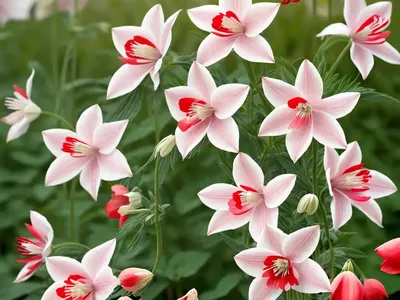
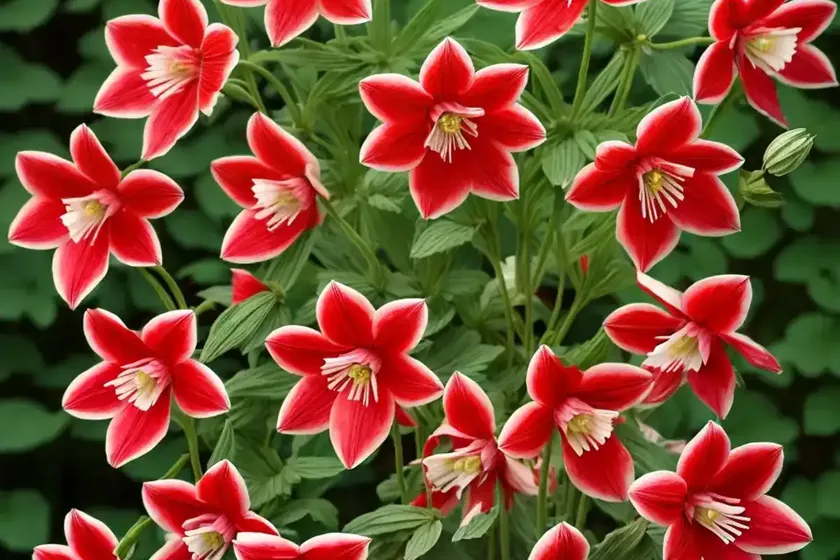
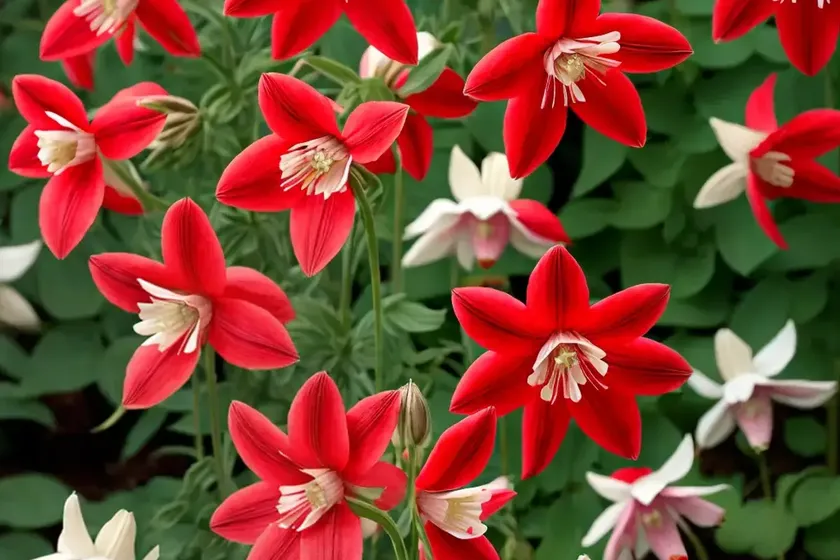
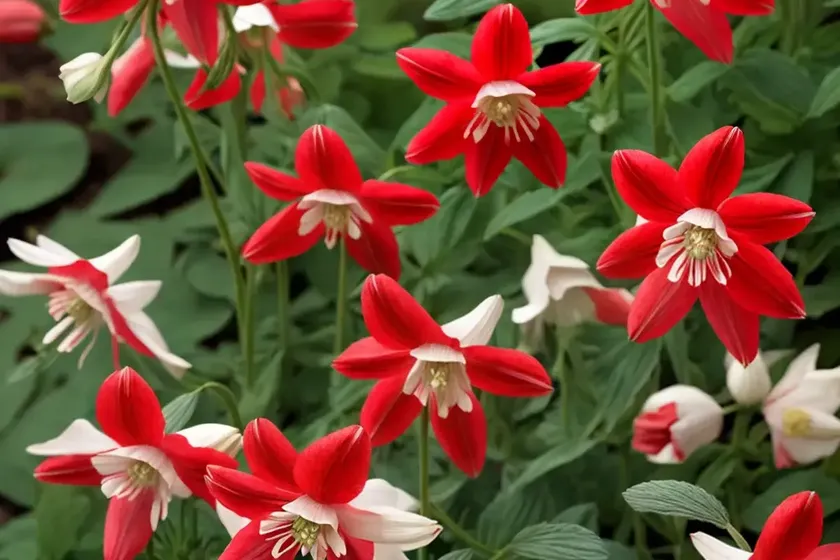
The Aquilegia ‘Crimson Star’ is a captivating perennial plant that belongs to the Ranunculaceae family. It is commonly known as Columbine and is cherished for its unique, spurred flowers that resemble a cluster of delicate, hanging lanterns. This particular variety, the ‘Crimson Star,’ is renowned for its stunning crimson and white bi-colored flowers, which add a touch of elegance to any garden landscape.
The Columbine plant is native to temperate regions of the Northern Hemisphere, including Europe, North America, and Asia. It has become a beloved ornamental plant in gardens worldwide due to its ethereal beauty and adaptability to various growing conditions.
Key Takeaways – Aquilegia ‘Crimson Star’ (Columbine)
Before we delve into the specifics of caring for the Aquilegia ‘Crimson Star,’ let’s take a moment to highlight some key takeaways about this enchanting plant.
Aquilegia ‘Crimson Star’ (Columbine)
- Scientific Name: Aquilegia ‘Crimson Star’
- Family: Ranunculaceae
- Common Name: Columbine
- Variety: ‘Crimson Star’
- Flower Color: Crimson and white
- Plant Type: Perennial
- Native Habitat: Temperate regions of the Northern Hemisphere
- Special Features: Spurred flowers, bi-colored blooms
Now, let’s explore the intricacies of nurturing and cultivating this alluring plant to ensure its optimal growth and blooming.
Culture
Cultivating the Aquilegia ‘Crimson Star’ involves paying attention to several key factors to ensure the plant thrives and produces its iconic blooms. Let’s delve into the culture and specific requirements of this delightful perennial.
Uses
The Aquilegia ‘Crimson Star’ is highly versatile in its uses, making it a coveted addition to gardens and landscapes.
- Garden Ornamental: The striking bi-colored flowers of the ‘Crimson Star’ variety make it an excellent choice for adding visual interest to garden beds and borders.
- Cut Flowers: The elegant blooms of the Columbine are also popular for creating enchanting cut flower arrangements, adorning vases and floral displays with their unique charm.
Water
Adequate watering is crucial to the well-being of the Aquilegia ‘Crimson Star,’ especially during its active growth periods.
- Soil Moisture: Columbines appreciate consistently moist, well-draining soil. Regular watering is essential, particularly during dry spells, to prevent the soil from drying out completely.
- Avoid Waterlogging: While the plant enjoys moisture, it’s important to ensure that the soil does not become waterlogged, which can lead to rot and other detrimental conditions.
Sunlight
Proper sunlight exposure is vital to the health and flowering of the Aquilegia ‘Crimson Star.’
- Partial Shade to Full Sun: Columbines thrive in partial shade to full sun. A location that provides some respite from intense afternoon sun is ideal, particularly in warmer climates.
- Balancing Light: In regions with particularly hot summers, providing the plant with some shade during the hottest part of the day can help prevent stress and sunburn.
Fertilizer
While Columbines are relatively low-maintenance plants, providing them with some nourishment can help bolster their growth and blooming prowess.
- Balanced Fertilizer: A balanced, slow-release fertilizer can be applied in early spring to provide the plant with essential nutrients for healthy growth and vibrant blooms.
- Avoid Over-fertilization: It’s crucial to avoid over-fertilizing the Columbine, as excessive nutrients can sometimes lead to lush foliage at the expense of flower production.
Soil
The soil composition plays a significant role in the well-being of the Aquilegia ‘Crimson Star.’
- Well-Draining Soil: Columbines thrive in moisture-retentive, well-draining soil. Amending heavy or compacted soil with organic matter can improve drainage and overall soil structure.
- pH Level: The preferred soil pH for Columbines ranges from slightly acidic to neutral. Ensuring that the soil pH is within the optimal range can promote healthy growth.
Pruning
Pruning practices can help maintain the attractiveness and vigor of the Aquilegia ‘Crimson Star.’
- Deadheading Spent Blooms: Removing spent flowers can encourage the plant to produce additional blooms and prolong the flowering period.
- Spring Clean-up: In early spring, tidying up the plant by removing any dead or damaged foliage can promote a neat, healthy appearance.
Propagation
Propagating the Aquilegia ‘Crimson Star’ allows for the expansion of its presence in the garden or the sharing of its beauty with fellow gardening enthusiasts.
- Seeds: Columbines readily self-seed, often naturalizing in suitable growing conditions. Collecting seeds from mature plants can provide ample material for sowing in favorable locations.
- Division: Division of established clumps can also be carried out in early spring to create new plantings or rejuvenate existing ones.
Container Popularity
The Aquilegia ‘Crimson Star’ is well-suited to container cultivation, adding a touch of elegance to patios, balconies, and other confined spaces.
- Container Size: Selecting a sufficiently large container allows for ample root space and stability for the plant.
- Well-Draining Medium: Using a well-draining potting mix is essential for container-grown Columbines to prevent waterlogging and promote healthy root growth.
Container Common Diseases
While Columbines are generally resilient plants, they can occasionally encounter diseases, particularly in container settings.
- Powdery Mildew: This fungal disease can affect Columbines, especially in humid or poorly ventilated conditions. Ensuring good air circulation and avoiding overhead watering can help mitigate the risk of powdery mildew.
- Leaf Spot: Keeping the plant foliage dry and providing adequate spacing between container-grown Columbines can help reduce the incidence of leaf spot diseases.
Disease Diagnosis
Diagnosing and addressing diseases promptly is key to preserving the health and vitality of the Aquilegia ‘Crimson Star.’
- Visual Symptoms: Familiarizing oneself with the visual symptoms of common plant diseases, such as leaf spots, discoloration, and wilting, can aid in early detection and intervention.
- Prompt Action: If signs of disease are observed, promptly isolating the affected plant and implementing appropriate treatment measures can help prevent the spread of the condition.
Common Pests
Pests can occasionally pose a threat to the well-being of Columbines, necessitating vigilance and proactive management.
- Aphids: These tiny, sap-sucking insects can distort new growth and excrete honeydew, leading to the development of sooty mold. Physical removal or the application of insecticidal soap can help control aphid infestations.
- Columbine Leaf Miners: The larvae of these pests create distinctive serpentine patterns within Columbine leaves. Pruning and disposing of affected foliage can help mitigate leaf miner damage.
Botanist’s Tips
Seasoned botanists often have valuable insights and tips for successfully caring for plants like the Aquilegia ‘Crimson Star.’
- Mulching: Applying a layer of organic mulch around Columbines can help conserve soil moisture, suppress weeds, and provide a neat, finished appearance to garden beds.
- Companion Planting: Pairing Columbines with companion plants that share similar cultural requirements, such as ferns and hostas, can create visually appealing and harmonious garden compositions.
Fun Facts
Delving into the realm of Columbine fun facts can offer a deeper appreciation for this captivating plant.
- Symbolism: In the language of flowers, Columbines are often associated with gratitude and are said to symbolize wisdom and foresight.
- Nectar Source: The nectar-rich blooms of Columbines are a favorite of hummingbirds, attracting these delightful, iridescent visitors to the garden.
Links to External Resources
For further exploration and in-depth information about Aquilegia ‘Crimson Star’ and related topics, the following external resources are highly informative and valuable:
- Royal Horticultural Society – Aquilegia
- Missouri Botanical Garden – Aquilegia Cultivation
- University of Vermont Extension Department – Growing Columbine
- PennState Extension – Columbine Plant Diseases
- The Spruce – How to Identify and Control Aphids
In conclusion, the Aquilegia ‘Crimson Star’ (Columbine) stands as a captivating testament to the enduring beauty and resilience of plants. Its graceful, bi-colored blooms and adaptability make it a cherished addition to gardens, providing a source of inspiration and delight for all who encounter its ethereal charm.